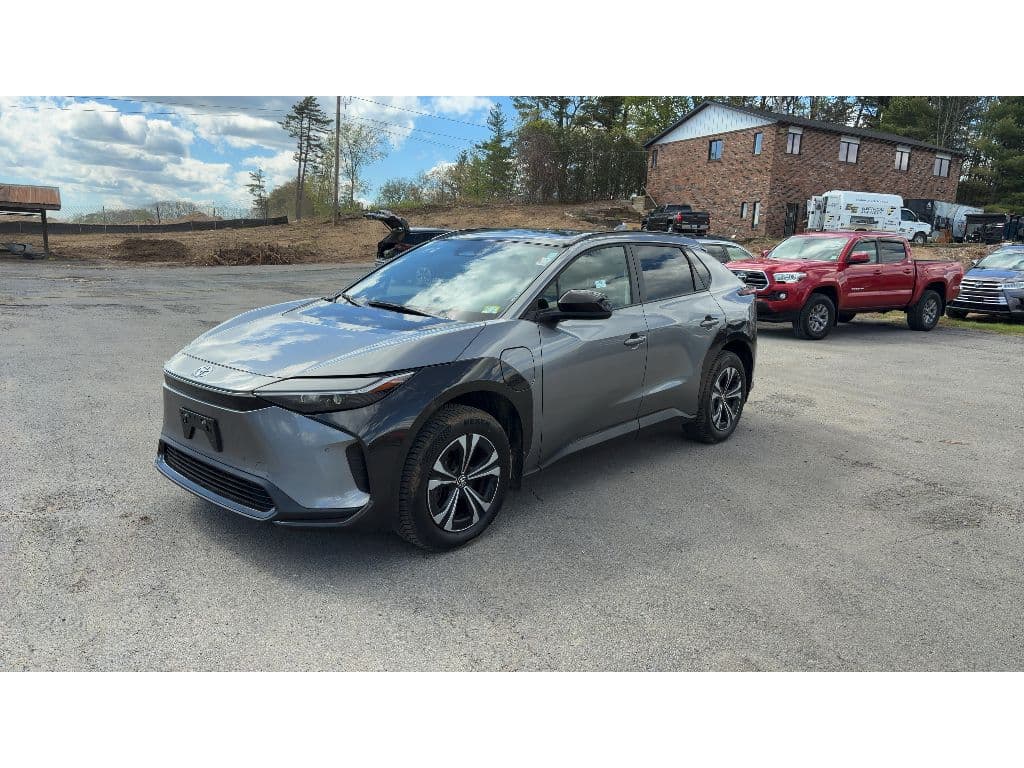
Shopping for a Toyota bZ4X (rebadged as simply “bZ” starting with the 2026 model year) can be confusing. Early cars had modest range and slow fast‑charging; newer versions add bigger batteries, better efficiency and, in North America, access to Tesla’s NACS fast‑charging network. This Toyota bZ4X buying checklist walks you through the exact questions and inspections to cover before you sign anything, especially if you’re considering a used EV.
Model naming note
Overview: Toyota bZ4X (Now “bZ”) and Who It Suits
The Toyota bZ4X is a compact electric SUV developed with Subaru (which sells a near‑twin called the Solterra). Early U.S. models launched in 2023 with a 71.4 kWh battery in front‑wheel‑drive form and slightly larger packs in some all‑wheel‑drive trims. By 2025–2026, Toyota began rolling out updated versions with two battery sizes, higher efficiency, quicker 22 kW AC charging on some trims, and stronger performance, while keeping DC fast‑charging around 150 kW on front‑drive versions.
Is a Toyota bZ4X a good fit for you?
Match your driving pattern to what the bZ4X does best.
Daily suburban commuters
Ideal if you drive 20–60 miles a day, mostly city or suburban routes, and can charge at home overnight.
Weekend road‑trippers
Works for occasional highway trips, but you’ll want to understand real‑world range and charging times compared with rivals like Ioniq 5 or Model Y.
Safety‑ and reliability‑minded
Appeals to shoppers who value Toyota’s long warranty, conservative tuning and a more traditional driving feel over outright performance.
Key Specs to Check Before You Shop
Toyota bZ4X/bZ at a glance (U.S.‑oriented)
Use specs as a filter, not gospel
Step-by-Step Toyota bZ4X Buying Checklist
High‑level Toyota bZ4X buying checklist
1. Confirm model year and battery size
Is this an early bZ4X (2023–2024), a lightly updated 2025, or a refreshed 2026+ bZ with new batteries and interior? Battery size, range and charging hardware can differ by year and trim.
2. Decide on FWD vs AWD
Front‑wheel drive versions offer more range and, on many years, faster DC fast‑charging. All‑wheel drive adds traction and power but typically shortens range and can limit charging to ~100 kW.
3. Match range to your real driving
Add up your typical weekly miles, winter driving, and road‑trip needs. Aim for at least <strong>30–40% buffer</strong> above your longest regular day so you’re not range‑anxious.
4. Check charging access
Do you have or can you add a 240V Level 2 charger at home? How close are high‑power DC fast chargers, and, for 2026‑on models, Tesla Superchargers using NACS?
5. Inspect battery health and charging history
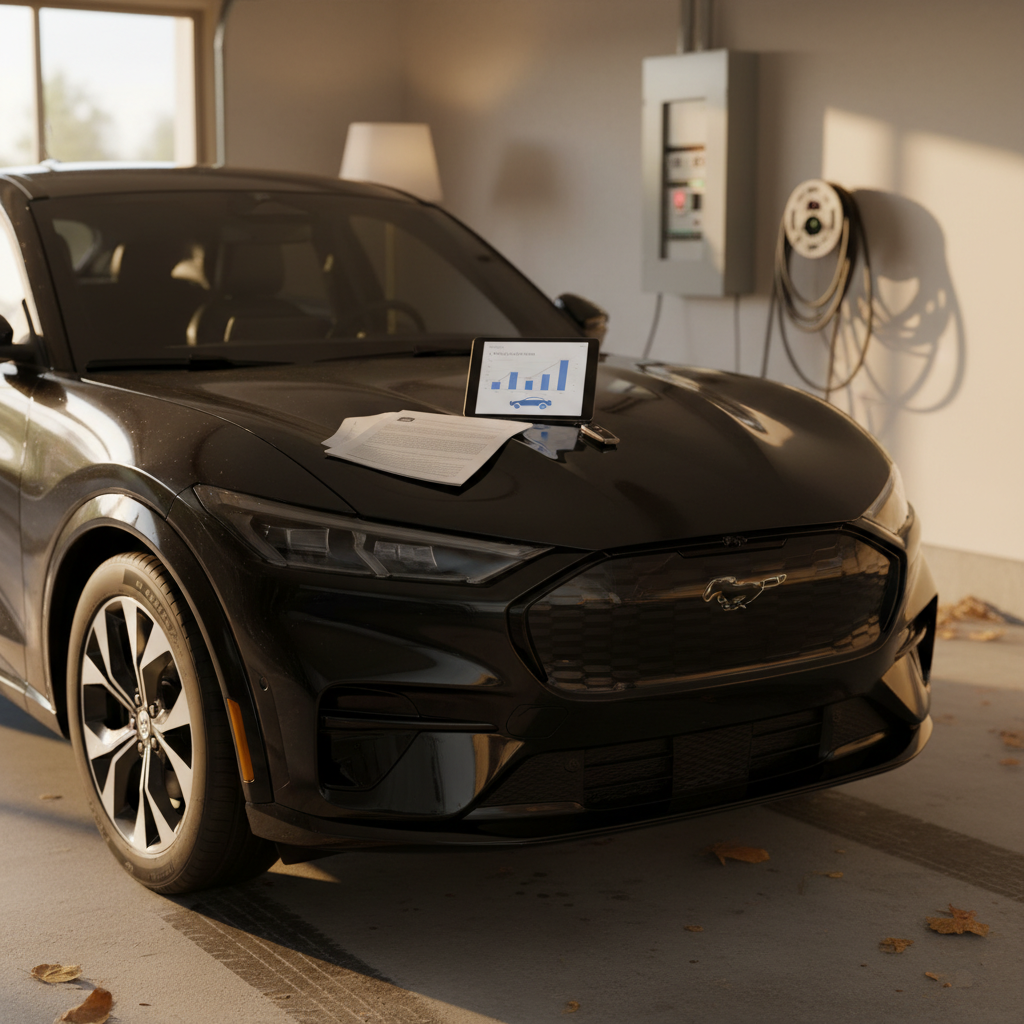
For used bZ4X/bZ, request a battery health report and ask how often the car was fast‑charged or stored at 100%, both affect long‑term capacity.
6. Review warranty and recall status
Verify remaining bumper‑to‑bumper and battery warranties, and confirm that all recalls (including early wheel‑hub and charging updates) have been completed.
7. Compare total cost, not just price
Look at purchase price, financing, insurance, electricity vs gasoline savings and likely depreciation. Some trims may qualify for federal or state EV incentives.
Battery Health and Range: Questions to Ask
Battery health is the number‑one factor in any used EV purchase, and the bZ4X is no exception. Toyota designed the pack to retain a high percentage of its original capacity over roughly a decade, and refreshed models tout ambitious 10‑year/long‑mileage battery warranties in some markets. Still, how the previous owner treated the car, charging habits, storage, climate, matters a lot for the range you’ll actually see on‑road.
- Ask for a battery health report or diagnostic printout, not just a photo of the state‑of‑charge gauge.
- Review the displayed range at 100% charge and compare it with the original EPA estimate for that trim.
- Ask how often the car was DC fast‑charged and whether the owner routinely charged to 100% or kept it around 70–80% for daily use.
- If the car lived in a very hot or very cold climate, expect more range variation and potentially higher degradation.
- During your test drive, watch how quickly miles of range drop on a highway stretch at 65–75 mph.
Watch for overly optimistic range displays
Charging at Home and On the Road
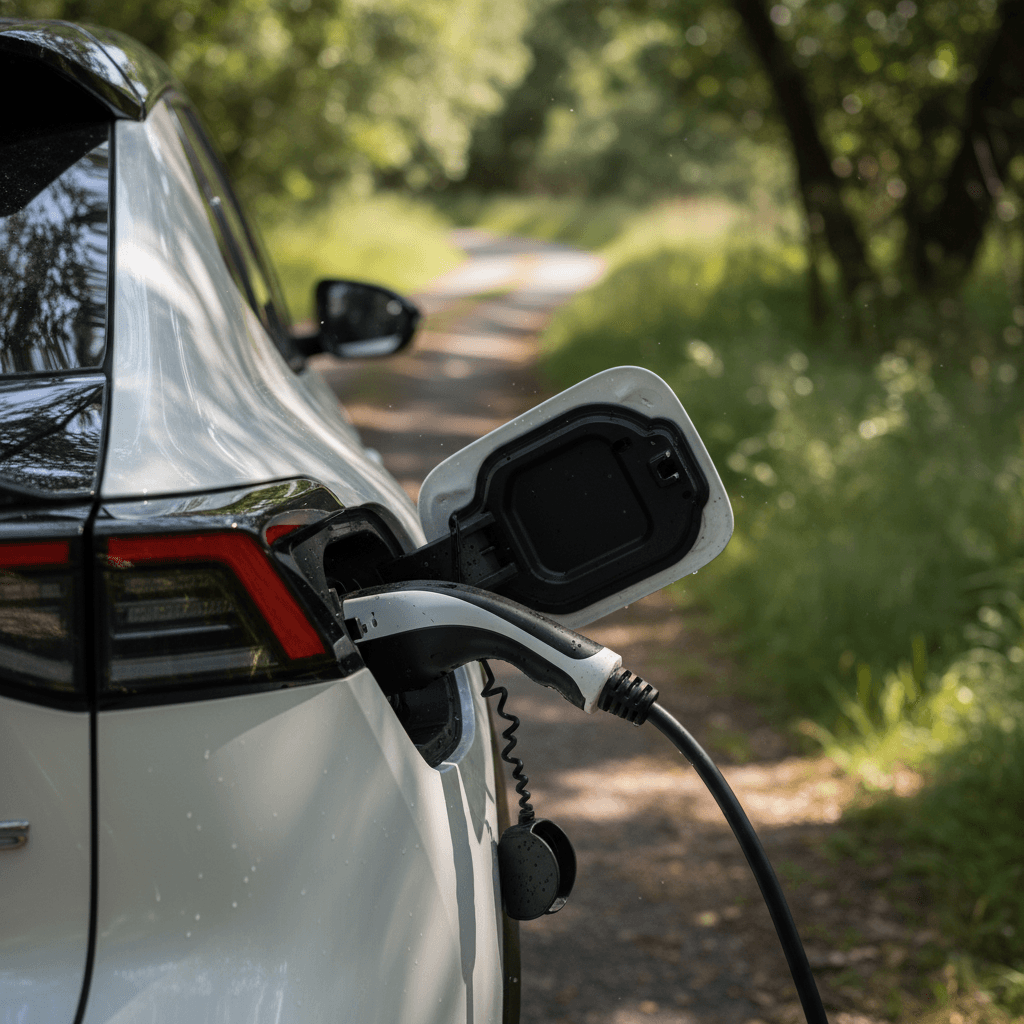
Before you fall in love with a particular bZ4X, make sure charging will be painless. Earlier U.S. models typically use a 6.6–7.6 kW onboard charger for AC Level 2, filling the pack in about nine hours on a 240V, 32–40 amp circuit. Updated 2025–2026 versions in some markets step up to 11–22 kW AC, which mainly helps where three‑phase power is available. For road trips, front‑drive bZ4X versions can hit about 150 kW on DC fast chargers under ideal conditions, while many AWD trims charge slower, closer to 100 kW.
Home charging checklist
- Confirm you have space on your electrical panel for a 40–60 amp circuit.
- Budget for a Level 2 wall charger and professional installation if needed.
- Plan where the cable will reach the bZ4X charge port on the front fender.
- Ask your utility about off‑peak EV rates that can cut fueling costs dramatically.
Public & fast‑charging checklist
- Download apps for major networks (e.g., EVgo, Electrify America) near your routes.
- For 2026‑on bZ models, confirm NACS / Tesla Supercharger support and adapter needs.
- Look for 150 kW or higher stations on long trips; lower‑power units can mean long stops.
- Practice at least one fast‑charge session during your test drive period if possible.
How Recharged can help with charging
Test Drive and Condition Inspection
The bZ4X drives a lot like a conventional compact crossover, quiet, composed and easy to place in traffic. But your test drive is also the time to make sure software, driver‑assist features and charging hardware behave the way they should. Used examples can show uneven tire wear or suspension clunks like any SUV, and earlier cars may have missed software updates if they haven’t visited a dealer recently.
Toyota bZ4X test‑drive and inspection checklist
Use this table as a quick reference during your walk‑around and drive.
| Area | What to Check | What Good Looks Like | Red Flags |
|---|---|---|---|
| Exterior & underbody | Look at paint, panel gaps, glass, and underbody for rust or impact damage. | Consistent gaps, clean glass, no obvious scrapes under front bumper or battery area. | Heavy curbing, underbody scrapes, fluid leaks, signs of collision repair. |
| Tires & brakes | Check tire tread depth and even wear; test brakes at different speeds. | Even wear on all four tires, no vibrations under braking. | Feathered or cupped tires, pulling under braking, grinding noises. |
| Infotainment & controls | Test touchscreen, Bluetooth, CarPlay/Android Auto, climate and heated seats. | Responsive screen, all buttons and knobs work, phone connects quickly. | Freezing or reboots, dead pixels, unresponsive steering‑wheel controls. |
| Driver‑assist systems | Try adaptive cruise, lane‑keeping and blind‑spot monitoring on a safe road. | Smooth, predictable assists that you can easily enable/disable. | Warning lights, erratic steering corrections, features not available or grayed out. |
| Charging hardware | Plug into Level 2 (dealer or seller’s home) and confirm charge rate; inspect charge port. | Stable charging session, no error messages, charge flap opens/closes smoothly. | Repeated errors, overheating warnings, or damaged charge‑port pins. |
| NVH & ride quality | Listen for wind noise and suspension thumps over rough pavement. | Quiet cabin, no rattles over bumps, linear steering feel. | Buzzing from dash, clunks over speed bumps, noticeable whine under acceleration. |
Print or screenshot this checklist and tick items off as you go.
With any used EV, but especially one that’s gone through multiple software and hardware updates, you’re really buying the car plus its update history. A ten‑minute drive isn’t enough; you need to see how everything works together.
Warranty, History, and Recalls
Toyota’s long warranties are a major selling point for the bZ4X/bZ. In the U.S., you’ll typically see coverage for the electric drivetrain and high‑voltage battery that extends well beyond the basic bumper‑to‑bumper term, and refreshed models in some markets advertise battery‑life targets out to 10 years or more. To benefit from that coverage, though, you need to verify that prior owners kept up basic maintenance, software updates and recall repairs.
Warranty and history checklist
Verify in‑service date and warranty start
Ask the seller or dealer for the original in‑service date. Remaining warranty is calculated from that day, not the model year printed on the window sticker.
Confirm battery and drivetrain coverage
Get the exact mileage and time limits for the <strong>battery warranty</strong> and EV drivetrain components, and note what’s required to keep coverage valid.
Run a full vehicle history report
Look for accidents, flood or lemon buyback history and note how many owners the car has had. Multiple short‑term owners can be a sign of unresolved issues.
Ask about recalls and service campaigns
Early bZ4X models were subject to recalls related to wheel‑hub retention and charging updates. Confirm that all open campaigns are completed and documented.
Request service records
Oil changes aren’t a thing on EVs, but cabin filters, brake fluid and software updates still matter. Service records show how well the car was cared for.
Don’t skip recall verification
Costs, Incentives, and Resale Considerations
Pricing for the bZ4X and refreshed bZ varies widely by trim, options, and whether you’re shopping new or used. Refreshed 2026‑on models with larger batteries, nicer interiors and NACS access will likely hold value better than earlier cars with shorter range and slower charging. On the flip side, those earlier vehicles can be strong value plays if your daily driving is modest and you understand their limits.
Up‑front & running costs
- Compare total out‑the‑door cost, not just advertised price, include doc fees, taxes and any dealer add‑ons.
- Factor in the cost of a home Level 2 charger if you don’t already have one.
- Estimate your monthly electricity bill using your utility’s EV rate tools.
- Get insurance quotes for at least two trims (e.g., XLE vs Limited); wheels, options and MSRP can shift premiums.
Incentives & resale
- Check current federal and state EV incentives. Used EV tax credits may apply if the car and your income qualify.
- Consider long‑term value: trims with larger batteries and better charging usually hold value better.
- Look at listings for 2–3‑year‑old bZ4X models to understand likely future depreciation.
- If you might swap EVs in a few years, prioritize mainstream colors and popular options to keep resale strong.
Leverage Recharged for transparent used EV pricing
Ready to find your next EV?
Browse VehiclesFAQ: Toyota bZ4X Buying Checklist
Frequently Asked Questions About Buying a Toyota bZ4X
Final Thoughts: Is the Toyota bZ4X Right for You?
The Toyota bZ4X, and its refreshed successor, the bZ, isn’t the flashiest EV SUV on the market, but it’s become a far more compelling one as Toyota has addressed early range and charging criticisms. If you mostly drive locally, have access to home charging and value a calm, familiar driving experience backed by long warranties, a well‑chosen bZ4X can be a smart, affordable way into EV ownership.
Use this Toyota bZ4X buying checklist to keep yourself grounded: confirm model year and battery size, match range to your real life, verify battery health and recall status, and drive the exact roads you’ll use every day. If you’d like expert help evaluating a specific used bZ4X, or comparing it with other used EVs, Recharged offers a fully digital buying experience with Recharged Score battery diagnostics, transparent pricing, trade‑in options and nationwide delivery so you can shop confidently from your couch.