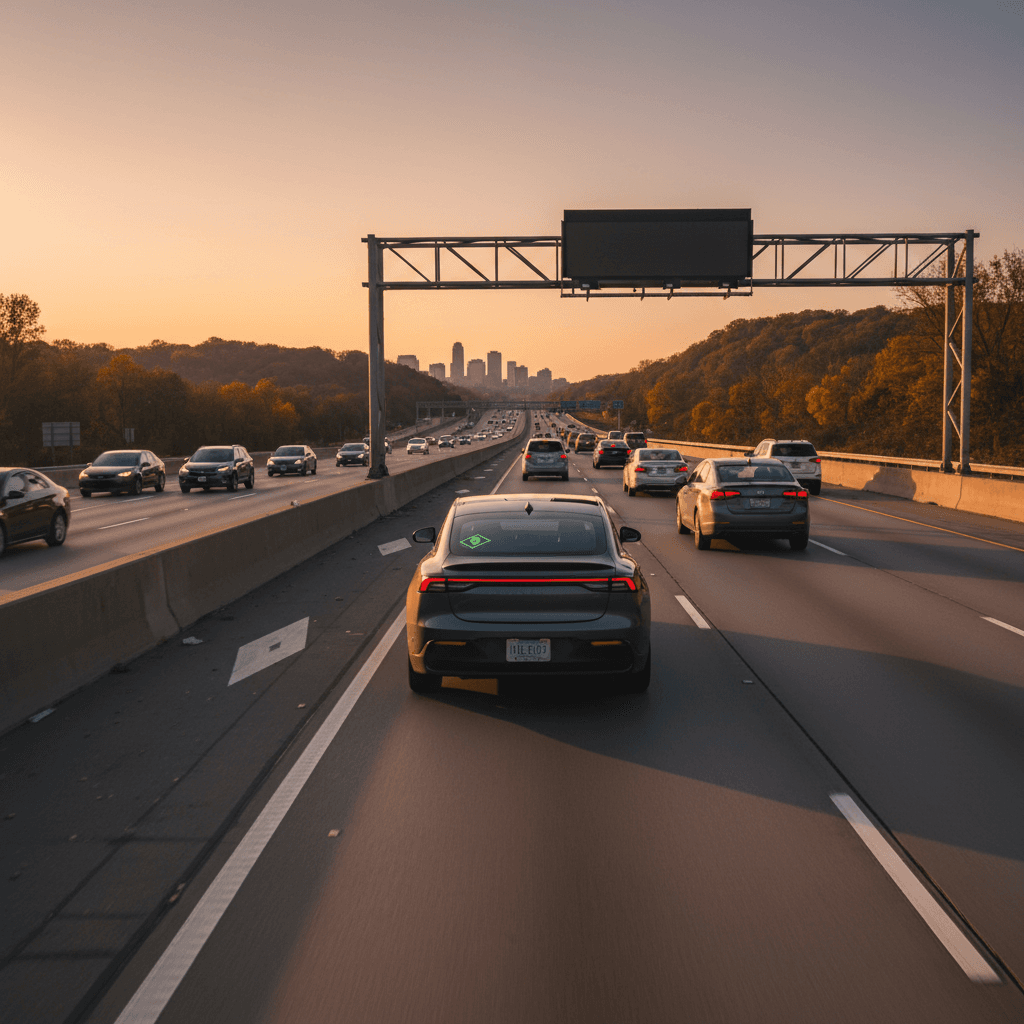
If you drive an electric vehicle in Maryland, you may remember seeing EVs cruising solo in the HOV lanes on I‑270 or US 50. That changed on September 30, 2025, when Maryland’s EV HOV permit program officially ended. As of 2026, Maryland EV HOV lane rules look very different, and misunderstanding them can quickly turn into an expensive ticket.
Key change at a glance
Overview: Maryland EV HOV lane rules in 2026
As of early 2026, no special HOV privileges apply just because your vehicle is electric. The old system, where qualifying plug‑in EVs and some plug‑in hybrids could use HOV lanes at any time with a state‑issued HOV permit decal, has ended. If you’re in an HOV lane in Maryland today, the rules are simple:
- Your EV is treated the same as any other passenger vehicle.
- You must meet the posted occupancy requirement (HOV‑2 in Maryland) during posted hours, or you risk a citation.
- Any previous EV HOV decals or permits are now invalid and should be treated as souvenirs, not legal passes.
Don’t rely on old stickers
Which Maryland HOV lanes exist and where
Maryland does not have a huge HOV network, but two corridors matter a lot for commuters around Washington, D.C. and Annapolis:
Active Maryland HOV corridors and basic rules
Where HOV lanes are located and what the default rules look like post‑EV permit.
| Corridor | Location/Segment | Occupancy Rule | Typical Hours |
|---|---|---|---|
| I‑270 | Between I‑370 and the I‑495 Capital Beltway | HOV‑2 (2+ occupants) | Southbound 6:00–9:00 a.m.; Northbound 3:30–6:30 p.m. |
| US 50 | Between US 301 and the I‑495 Capital Beltway | HOV‑2 (2+ occupants) | 24 hours, 7 days a week |
Note that EVs must comply with the same HOV‑2 rules as all other vehicles.
What “HOV‑2” actually means
How Maryland EV HOV access worked before September 30, 2025
To understand today’s rules, it helps to know what changed. Until late 2025, Maryland ran a plug‑in EV HOV permit program administered by the Motor Vehicle Administration (MVA). Qualified plug‑in electric vehicles and certain plug‑in hybrids could apply for a small rear‑bumper decal that let them use HOV lanes regardless of occupancy.
The old Maryland EV HOV permit at a glance
How the program used to work before it expired in 2025
Who qualified
Battery‑electric vehicles and some plug‑in hybrids that:
- Were titled and registered in Maryland
- Weighed under 8,500 lbs
- Had at least a 4 kWh battery (for 4‑wheel vehicles)
- Could be charged from an external source
How it worked
Owners paid about $5 for a permit decal from MDOT MVA, a dealer, or a certified title service.
With the decal displayed, qualifying EVs could use HOV lanes even with just the driver on board.
Program timeline
The last version of the permit was valid from June 12, 2023 through September 30, 2025. After that date, the program, and all permits issued under it, expired.
Why the program existed
What changed when the EV HOV permit program ended
On September 30, 2025, Maryland’s EV HOV permits officially expired and the application process shut down. There was no automatic extension or replacement program. That sunset created a clean break between the old rules and what applies now.
Before September 30, 2025
- Qualifying EVs and PHEVs with a valid HOV permit decal could use I‑270 and US 50 HOV lanes with only the driver.
- Permit cost a small fee and had to be displayed on the rear of the vehicle.
- Solo EV HOV access was allowed at all times the lane was open, regardless of posted occupancy requirements.
After September 30, 2025
- No new permits are issued; existing decals are no longer valid.
- All vehicles, including EVs, must meet HOV‑2 requirements where posted.
- Using an HOV lane alone in an EV is treated just like a violation in any other car.
Expired really does mean expired
Current rules for EV drivers using Maryland HOV lanes
So what do Maryland EV HOV lane rules look like today if you’re driving a battery‑electric or plug‑in hybrid? In practice, they’re straightforward:
What Maryland EV drivers must do to use HOV lanes legally
1. Follow the posted occupancy rule
On both I‑270 and US 50, assume you need at least <strong>two human occupants</strong> in the vehicle whenever the lane is signed as HOV‑2. Your EV drivetrain does not change that requirement.
2. Watch the signs and hours
I‑270 HOV rules only apply during weekday rush hours and only in the HOV lane; US 50’s HOV restrictions operate 24/7 between US 301 and the Beltway. Always confirm with roadside signage in case of updates.
3. Treat old decals as cosmetic only
If your vehicle still wears an EV HOV sticker, leave it or remove it, but either way, don’t assume it gives you any legal right to be in the lane alone.
4. Carpool to unlock HOV speed benefits
Want the time savings you remember from the EV permit days? The only way now is the traditional one: share your ride with at least one passenger so you legitimately qualify for HOV‑2.
5. Understand that toll/HOT rules differ
Where Maryland has or adds <strong>toll or express lanes</strong>, their rules may involve E‑ZPass settings and pricing rather than flat occupancy exemptions. Those are separate from the old EV HOV permit rules.
Common real-world scenarios for Maryland EV owners
Here’s how the current rules play out in everyday situations if you own or are shopping for a used EV in Maryland.
Typical Maryland EV HOV scenarios in 2026
What’s legal, and what isn’t, on I‑270 and US 50
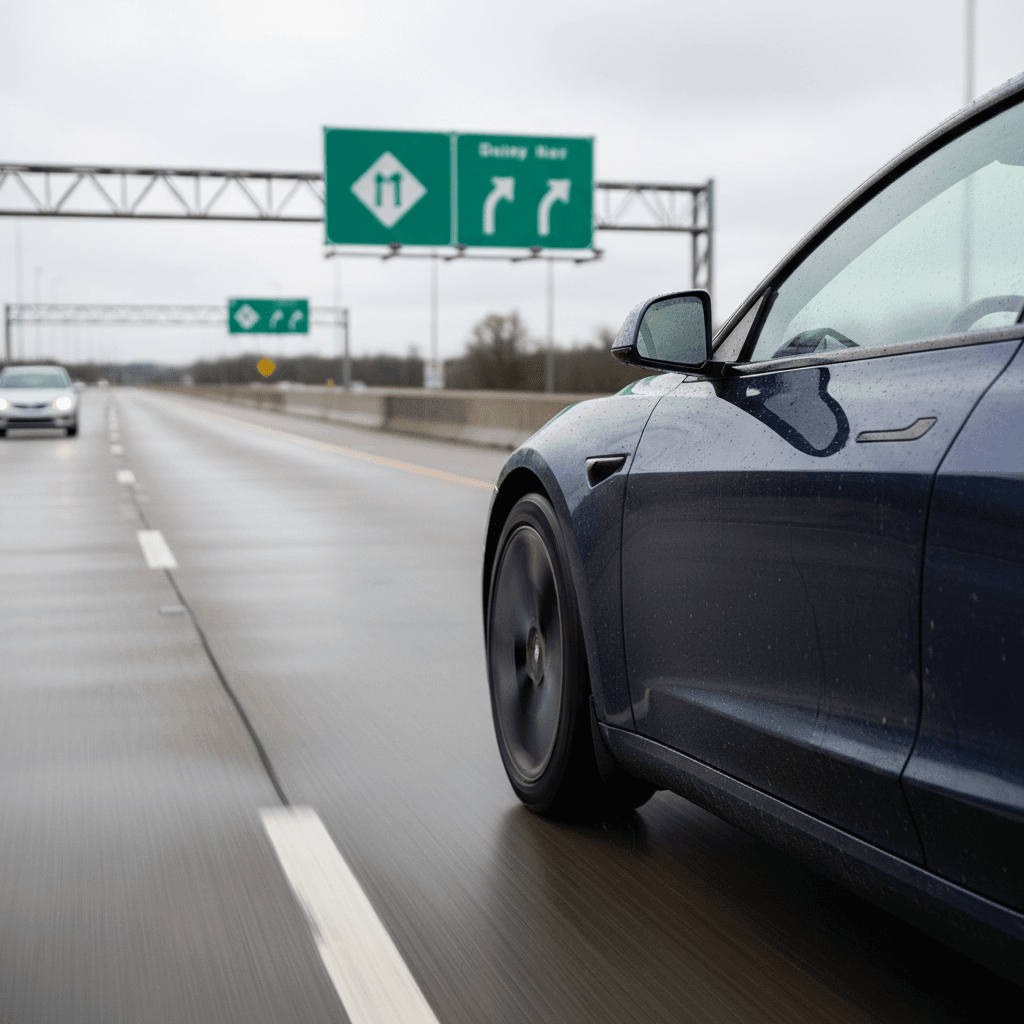
Solo commute on I‑270 in a Tesla
You’re driving alone from Gaithersburg toward the Beltway in a Model 3.
Old rules: A valid EV HOV permit let you use the HOV lane solo.
Today: You cannot use the HOV lane solo during posted HOV hours. Stay in general‑purpose lanes or pick up a carpool passenger.
Family trip on US 50 in a Bolt EUV
You, your partner, and two kids are heading to the beach.
Today: You legally qualify for HOV‑2, even without any EV permit, because you have 4 occupants. You may use the HOV lane on US 50 within the signed segment.
Buying a used EV with an old sticker
You purchase a used Nissan LEAF through an online marketplace and notice an HOV decal on the rear bumper.
Today: That sticker is a historical artifact. It does not grant you special access. You still need to meet HOV‑2 rules like everyone else.
Leverage your EV in other ways
Tickets, enforcement, and best practices
Law enforcement on Maryland’s HOV corridors is focused on one thing: occupancy compliance. Troopers aren’t checking what fuel you use; they’re counting people inside the vehicle during restricted hours.
- HOV violations are typically treated as moving violations, with fines that can sting and, in some cases, potential points on your license.
- You can be pulled over solely for improper HOV use; officers do routine visual checks from overpasses and shoulders.
- Trying to “hide” passengers (for example, lying a child down to look like a solo driver) can invite additional safety concerns, or worse, separate violations.
Don’t improvise your own rules
Best practices for EV owners near Maryland HOV lanes
Build carpool habits instead of relying on perks
Coordinate with coworkers, neighbors, or family to share rides a few days per week. You’ll still cut your commute time, and your EV’s low running costs will make that shared ride even cheaper.
Confirm rules when crossing state lines
If your commute takes you into Virginia or D.C. metro toll lanes, remember that <strong>E‑ZPass Flex</strong> and local express lane rules may be different from Maryland’s basic HOV‑2 setup.
Use apps for traffic insight, not excuses
Navigation apps can show which lanes are HOV‑restricted and when, helping you avoid last‑minute lane changes that tempt violations.
If in doubt, stay out of the HOV lane
When signage is unclear or you’re not sure you have enough occupants, the safest legal choice is to remain in general‑purpose lanes.
HOV rules vs. other Maryland EV incentives and benefits
It’s easy to confuse the end of Maryland’s EV HOV permit with the overall health of the state’s EV policy. While the solo‑EV HOV perk is gone for now, Maryland still offers a mix of tax credits, rebates, and utility programs for electric‑vehicle drivers, plus federal incentives that continue independently of HOV rules.
What ended
- Plug‑in EV HOV permits that allowed solo use of HOV lanes.
- Ability to apply for new HOV decals as of September 30, 2025.
These were strictly about lane access, nothing more.
What still exists
- Federal tax credits for new and used EVs, if the vehicle and buyer qualify.
- Maryland excise‑tax credits and EVSE rebates when funding is available.
- Utility time‑of‑use rates and charger rebates through local power companies.
These affect your cost of ownership, not lane access.
How Recharged fits in
FAQ: Maryland EV HOV lane rules
Frequently Asked Questions about Maryland EV HOV access
Bottom line for Maryland EV drivers
If you’re driving an EV in Maryland in 2026, think of HOV lanes the same way gas‑car drivers do. The special plug‑in HOV permit that once allowed solo EV access on I‑270 and US 50 vanished on September 30, 2025, and it hasn’t been replaced. That means the safest, most reliable strategy is simple: obey the posted HOV‑2 rules, use carpooling to unlock lane benefits, and lean on your EV’s lower running costs, and potentially lower purchase price if you buy used through a transparent marketplace like Recharged, to make your commute more manageable.