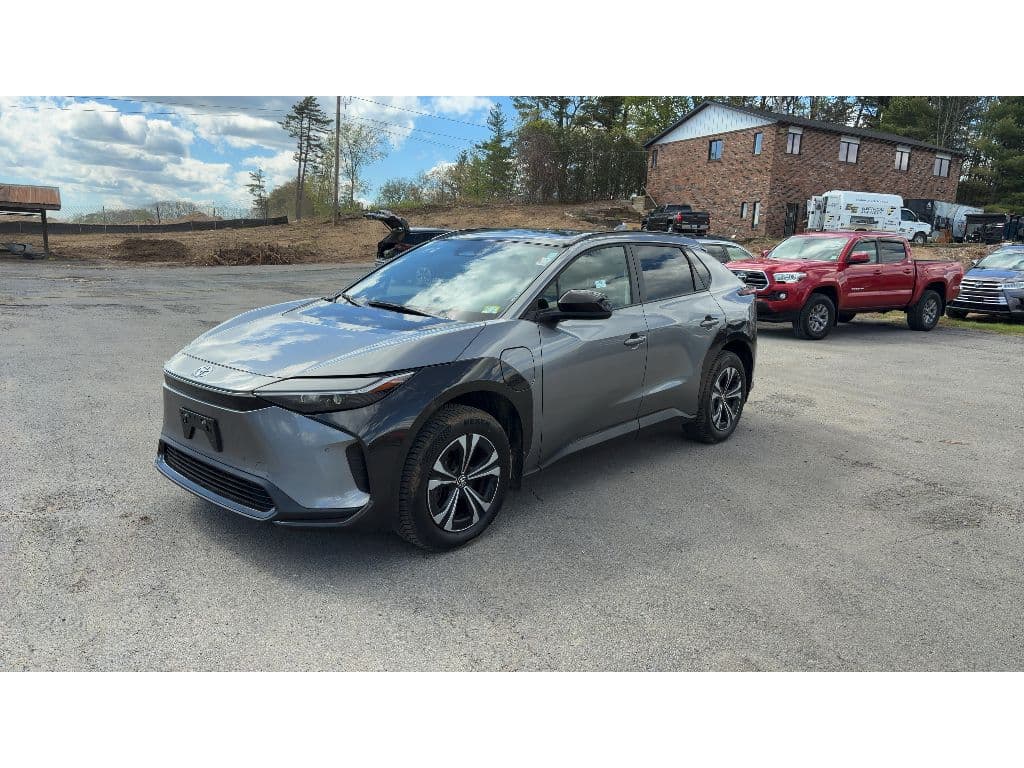
If you own a Toyota bZ4X (now simply called the Toyota bZ in North America) or you’re shopping for a used one, it’s natural to worry about long‑term battery replacement cost in 2026. The high‑voltage pack is the single most expensive part of the vehicle, and online horror stories can make it sound like a financial time bomb. The truth is more nuanced, and, for most owners, a lot less scary, once you understand how pricing, warranty coverage, and real‑world failure rates actually work.
Key 2026 takeaway
Toyota bZ4X battery replacement cost in 2026: the quick answer
Toyota bZ4X battery cost snapshot for 2026
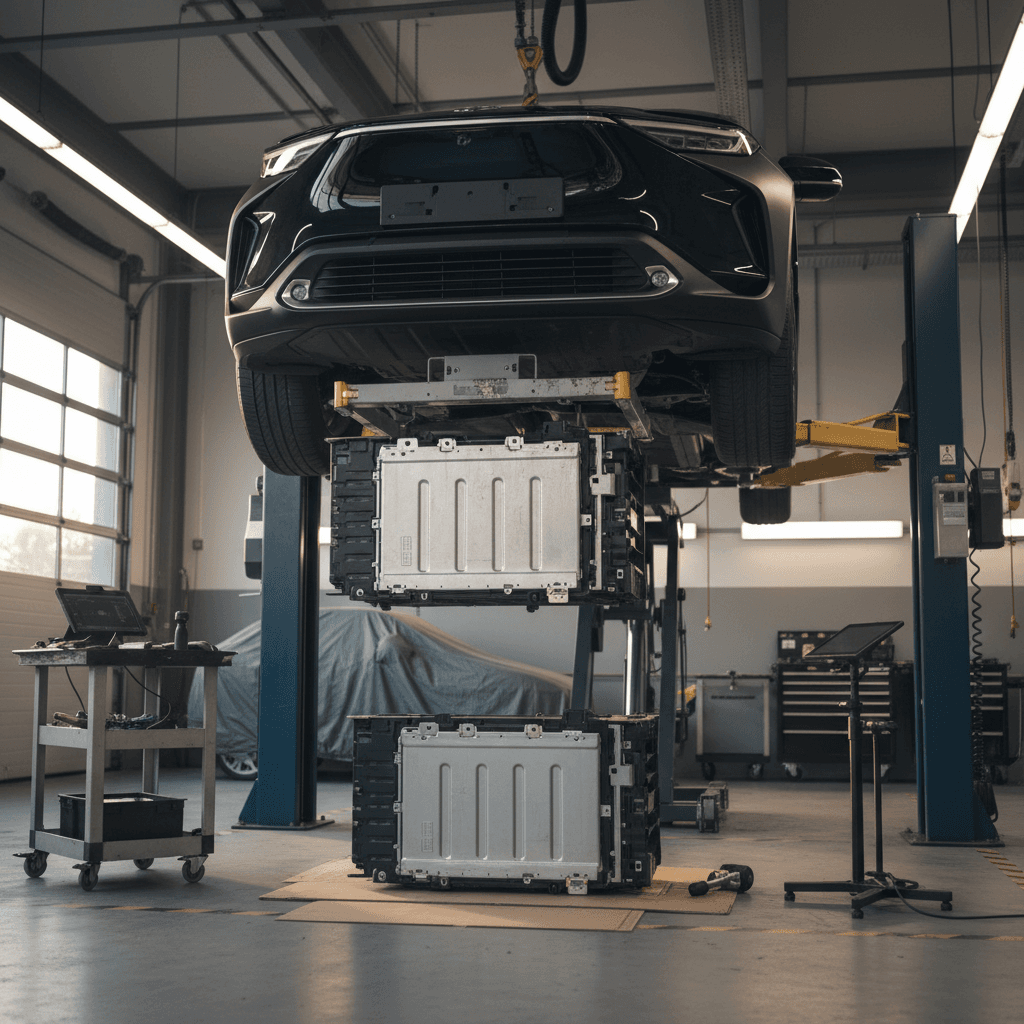
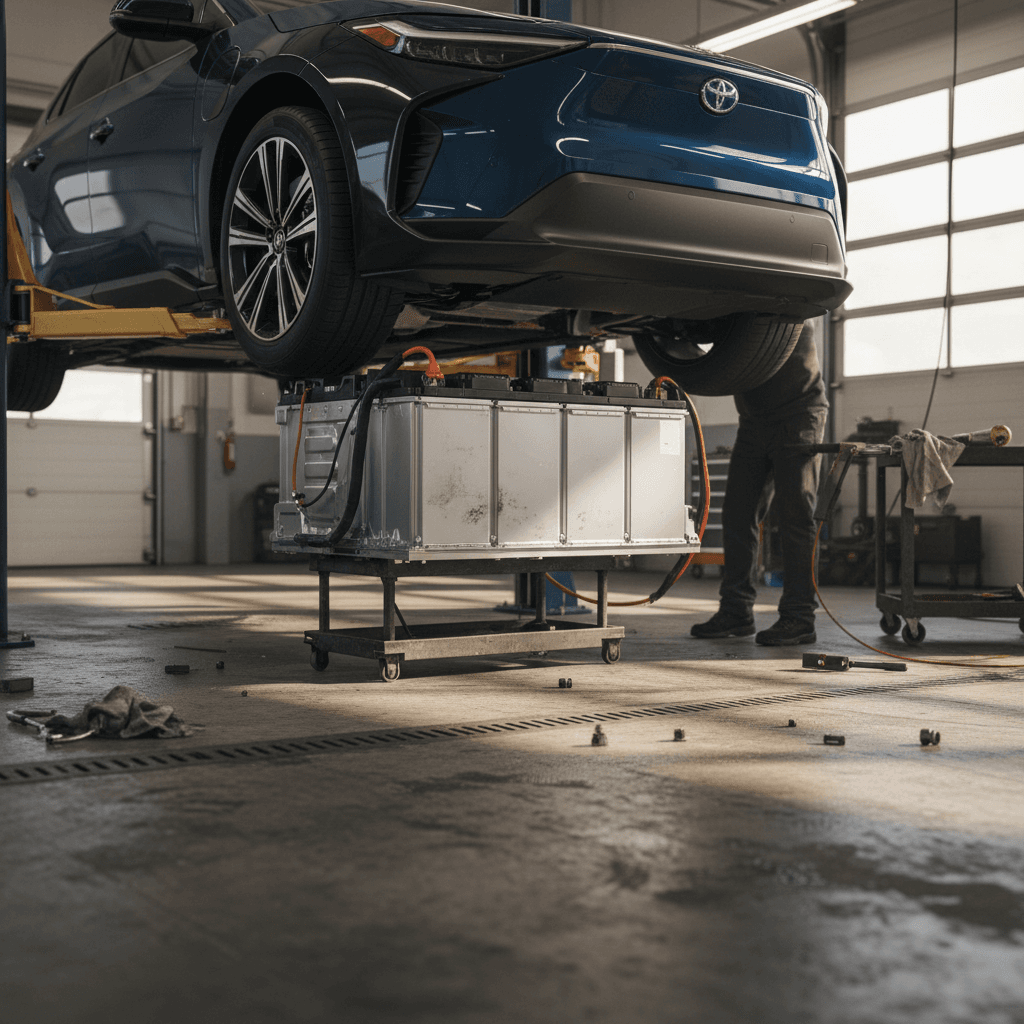
In practical terms, that means a complete battery replacement on a Toyota bZ4X in 2026 can easily approach half, or even two‑thirds, of the value of the vehicle itself. That’s one big reason Toyota engineered the pack to last the life of the car and backs it with generous warranty coverage. It’s also why most owners, when faced with a serious issue, end up in one of three camps: the pack is covered under warranty, the problem is solved with a much cheaper module‑level repair, or the vehicle is totaled and handled through insurance rather than a cash‑out‑of‑pocket battery bill.
Sticker shock in context
How likely is a Toyota bZ4X battery replacement, really?
Online discussions can make it sound like bZ4X packs are dropping like flies, but when you separate early‑production teething issues from actual high‑voltage pack failures, the picture changes. Toyota designed the bZ4X battery with conservative chemistry, active liquid cooling, and individual cell monitoring. The goal was simple: avoid the kind of large‑scale pack failures that burned early EV adopters.
Top reasons a bZ4X battery might be replaced
Total pack failures are rare, most replacements happen for other reasons.
Major collision
Isolated module problems
Genuine pack defect
Real‑world data from modern EV fleets suggests that outright pack replacements on 2016‑and‑newer EVs are well under 1% of vehicles over the first decade of life. The bZ4X has only been on the road since the 2023 model year, and Toyota is targeting about 90% capacity retention after 10 years under normal use. That doesn’t guarantee every battery will be perfect, but it does mean a catastrophic out‑of‑warranty replacement at owner expense is statistically unlikely, especially if you keep up with the required EV health checks.
Think in decades, not years
Toyota bZ4X battery warranty in 2026 explained
Toyota’s warranty structure is one of the strongest safeguards against ever facing the full bZ4X battery replacement cost. Exact language can vary by market and model year, but U.S. bZ4X and bZ vehicles generally include:
- 8‑year / 100,000‑mile BEV battery warranty covering defects in materials or workmanship on the high‑voltage battery pack.
- Up to 10 years of extended battery capacity coverage in certain programs when you complete annual EV battery health checks at a Toyota dealer (often guaranteeing at least 70% capacity to 10 years / ~600,000+ miles depending on market).
- Coverage for related high‑voltage components (inverters, converters, onboard charger) under the same or longer terms as other powertrain components.
Check your exact warranty booklet
Scenario 1: Pack problem at 6 years / 70,000 miles
If diagnostics confirm a defect in the high‑voltage battery and you’re within the basic BEV battery warranty, Toyota typically covers the repair or replacement, less any applicable deductibles. Your real out‑of‑pocket cost could be limited to loaner transportation or incidental fees.
Scenario 2: Pack problem at 11 years / 150,000 miles
At this point you’re likely beyond standard BEV battery coverage, unless an extended program applies. You’d be looking at goodwill assistance (if any), insurance in case of collision‑related damage, or paying out of pocket for module‑level repairs or a replacement pack.
Capacity loss vs. failure
Full pack vs. module replacement: what you’ll actually pay for
When owners ask about Toyota bZ4X battery replacement cost in 2026, they usually picture a complete new pack. In reality, technicians have several rungs on the repair ladder before they get to that nuclear option, and each rung carries a very different price tag.
Toyota bZ4X battery repair options and typical 2026 cost ranges
Exact pricing will vary by dealer, region, and whether insurance or warranty is involved, but these ballparks show why full pack replacement is the exception, not the rule.
| Repair option | What it involves | Typical out-of-pocket cost in 2026 | When it makes sense |
|---|---|---|---|
| Software / diagnostics | Battery health check, ECU updates, balancing, fault tracing. | $0–$600 | Intermittent warnings, range estimate quirks, or early degradation concerns. |
| High-voltage component repair | Replacing contactors, sensors, DC‑DC converter, or wiring related to the pack. | $800–$4,000+ | When a supporting component, not the cells themselves, is the culprit. |
| Module-level repair | Replacing one or more internal battery modules and rebalancing pack. | $3,000–$9,000+ | Localized cell problems, collision damage confined to part of the pack, or early degradation in a few modules. |
| Full pack replacement (dealer) | Removing the entire battery assembly and installing a new Toyota pack. | $22,000–$25,000+ | Severe damage, widespread cell failures, or out‑of‑warranty defects where insurance or buyback isn’t an option. |
| Used / reman pack (independent) | Installing a salvaged or remanufactured bZ4X pack sourced from a donor vehicle. | Often $10,000–$18,000 installed | Older high‑mileage vehicles where a brand‑new pack doesn’t pencil out and a qualified EV specialist is available. |
Think of full pack replacement as the last, and least common, option in 2026.
Because the bZ4X is built on a modern e‑TNGA platform, dropping the battery pack isn’t exotic for trained technicians, but it still requires special tooling, high‑voltage safety procedures, and a lot of labor time. That’s why labor alone can run into the low thousands even before you factor in the cost of the part.
Get multiple quotes for out‑of‑warranty work
Putting 2026 replacement costs in context: new vs. used bZ
For 2026, Toyota has updated and rebranded the line simply as the Toyota bZ, with improved range and pricing that undercuts earlier bZ4X models in many trims. That’s good news for new‑car shoppers, but it also changes the math when you’re evaluating whether a big repair on an older bZ4X makes sense.
New 2026 Toyota bZ
- Starts in the mid‑$30,000s before incentives, depending on trim and region.
- Updated battery options improve range and performance compared with early bZ4X models.
- Full factory warranty clock starts at zero, including fresh BEV battery coverage.
Used 2023–2025 bZ4X / bZ
- Prices have softened as competition and incentives improve, making these a relative bargain.
- Remaining battery warranty varies by model year, mileage, and dealer service history.
- A $20k+ battery bill on a $23k–$28k used vehicle rarely pencils out without warranty or insurance help.
When replacement doesn’t add up
Used bZ4X buyers: how to check battery health before you buy
If you’re shopping a used Toyota bZ4X or bZ in 2026, your best strategy is to avoid surprises in the first place. You can’t see battery health just by glancing at the state‑of‑charge gauge, and a quick test drive won’t reveal long‑term degradation. Here’s how to stack the odds in your favor.
Battery due diligence checklist for used bZ4X shoppers
1. Pull a full service and warranty history
Ask the seller for printed service records and confirm them with a Toyota dealer. You’re looking for <strong>annual EV battery health checks</strong>, software updates, and any high‑voltage repairs. Gaps don’t automatically mean trouble, but a well‑documented car is safer.
2. Confirm remaining battery warranty
Have a Toyota service advisor run the VIN and tell you how much time and mileage remain on the BEV battery warranty, and whether the vehicle is enrolled in any extended battery‑care program in your region.
3. Get an independent battery health report
Whenever possible, get a third‑party <strong>battery health scan</strong> that reads actual pack capacity and cell balance. At Recharged, every EV we sell comes with a Recharged Score battery report so you can see how much usable energy the pack still holds before you buy.
4. Compare range to original EPA rating
On a fully charged battery, compare the car’s projected range to its original EPA estimate. A modest drop after a few years is normal, but a bZ4X that only shows 60–70% of its rated range deserves deeper investigation.
5. Watch fast‑charging behavior
If you can, observe one DC fast‑charge session. Extremely slow charging or large swings in charging power can hint at battery management limitations or health issues even when no warning lights are present.
6. Price in a degradation "budget"
For a used EV out of warranty, mentally set aside some money for eventual range loss or minor high‑voltage repairs. You probably won’t need a full battery, but planning for some degradation makes ownership more comfortable.
How Recharged helps used bZ buyers
Ready to find your next EV?
Browse VehiclesSmart ways to avoid paying full battery price
While it’s reassuring that true pack failures are rare, you still don’t want to be the unlucky owner who gets the five‑figure estimate. In 2026, you have more tools than ever to protect yourself against a surprise Toyota bZ4X battery replacement bill.
Four strategies to reduce bZ4X battery risk
Mix warranty awareness with smart ownership habits.
Know your coverage
Stay on top of EV health checks
Treat the battery kindly
Choose the right seller
Budget like you would for a timing belt
Will Toyota bZ4X battery prices drop after 2026?
The bZ4X/BZ is part of a maturing EV ecosystem. As more of these vehicles hit the market and some inevitably end up in salvage yards, the economics of battery replacement will change. Several trends are working in owners’ favor for the late 2020s and early 2030s:
- Falling cell costs: Industry‑wide battery cell pricing continues to trend downward as factories scale and chemistries improve.
- More donor packs: Totaled bZ4X and bZ vehicles provide used packs and modules that can be repurposed at lower cost for older cars.
- Growing independent expertise: Third‑party EV specialists are becoming more comfortable opening and repairing packs that automakers originally treated as sealed units.
- Better software tools: Diagnostic equipment and software give clearer insight into cell‑level health, making targeted repairs more practical.
What that means for a 2023–2025 bZ4X owner
Toyota bZ4X battery replacement cost 2026: FAQ
Frequently asked questions about bZ4X battery cost in 2026
Bottom line: should battery cost scare you away from a bZ4X?
The headline number for Toyota bZ4X battery replacement cost in 2026, north of $20,000, can be intimidating. But it doesn’t tell the whole story. Statistically, very few modern EVs ever need a full pack on the owner’s dime, and Toyota’s warranty structure is designed to catch genuine defects during the first 8–10 years of life. Most battery‑related issues are solved with software, supporting‑component repairs, or targeted module work that costs a fraction of a complete pack.
If you’re shopping a used bZ4X or bZ, your focus should be on buying the right car up front: one with a clean history, documented service, and clear battery health data. That’s exactly the gap Recharged was built to fill, pairing detailed battery diagnostics with fair pricing and EV‑specialist support so you’re not betting blindly on the most expensive component in the vehicle. With the right homework and the right partner, the bZ4X can be a smart, low‑drama EV choice well into the 2030s, without a surprise five‑figure battery bill hanging over your head.