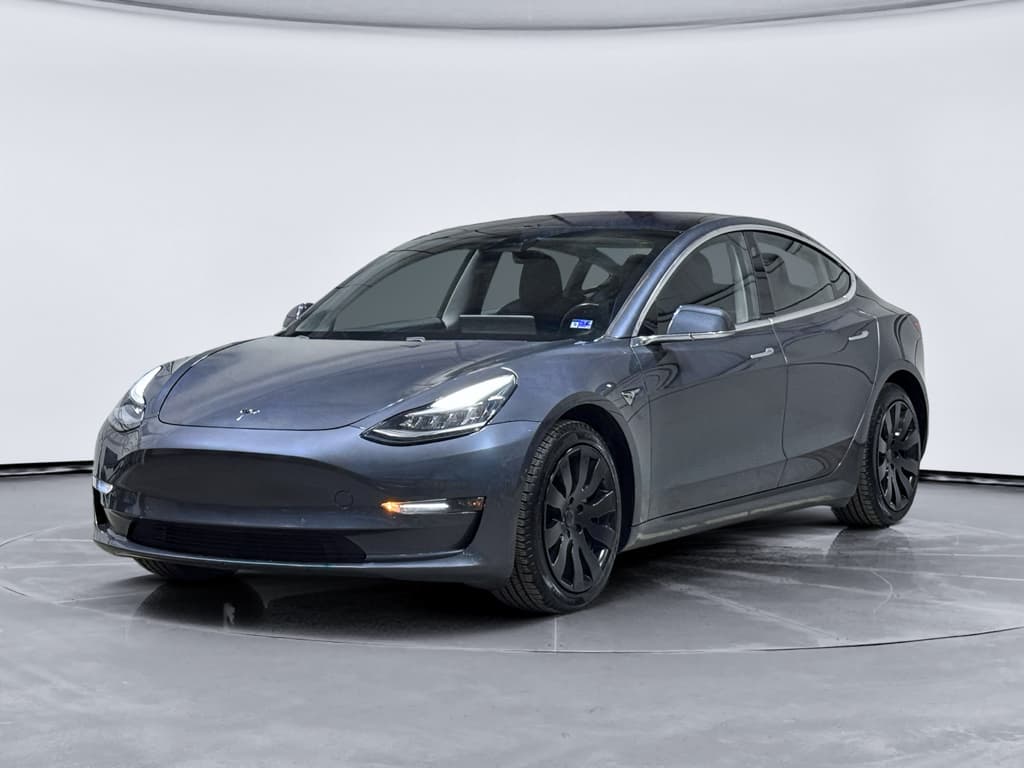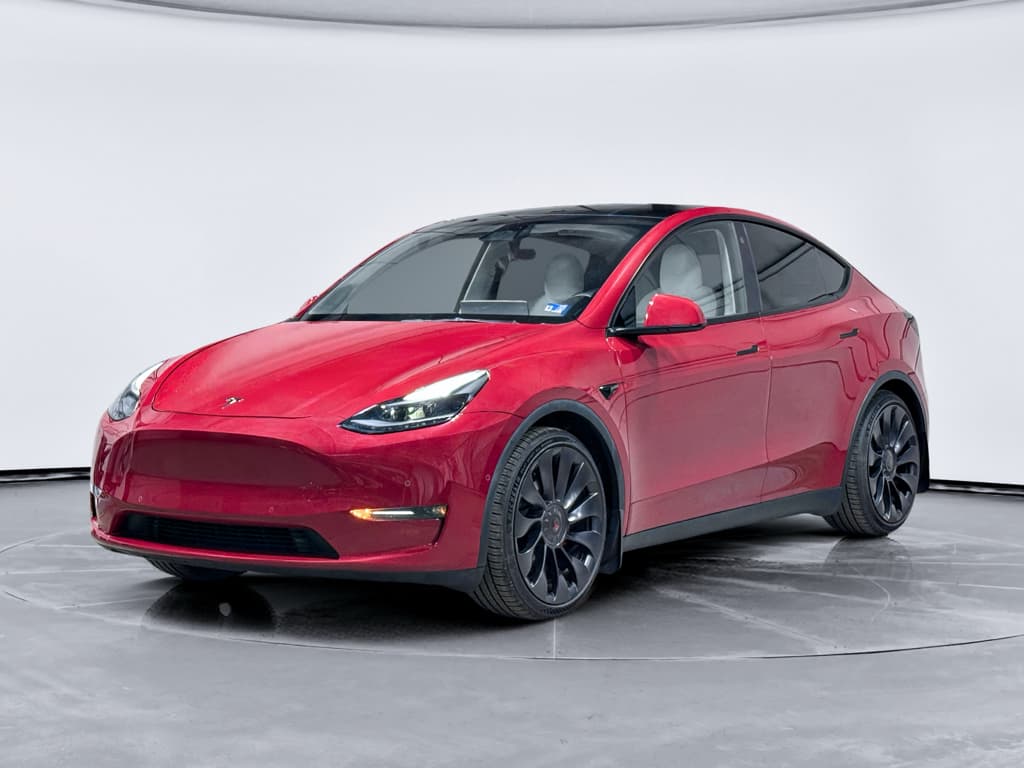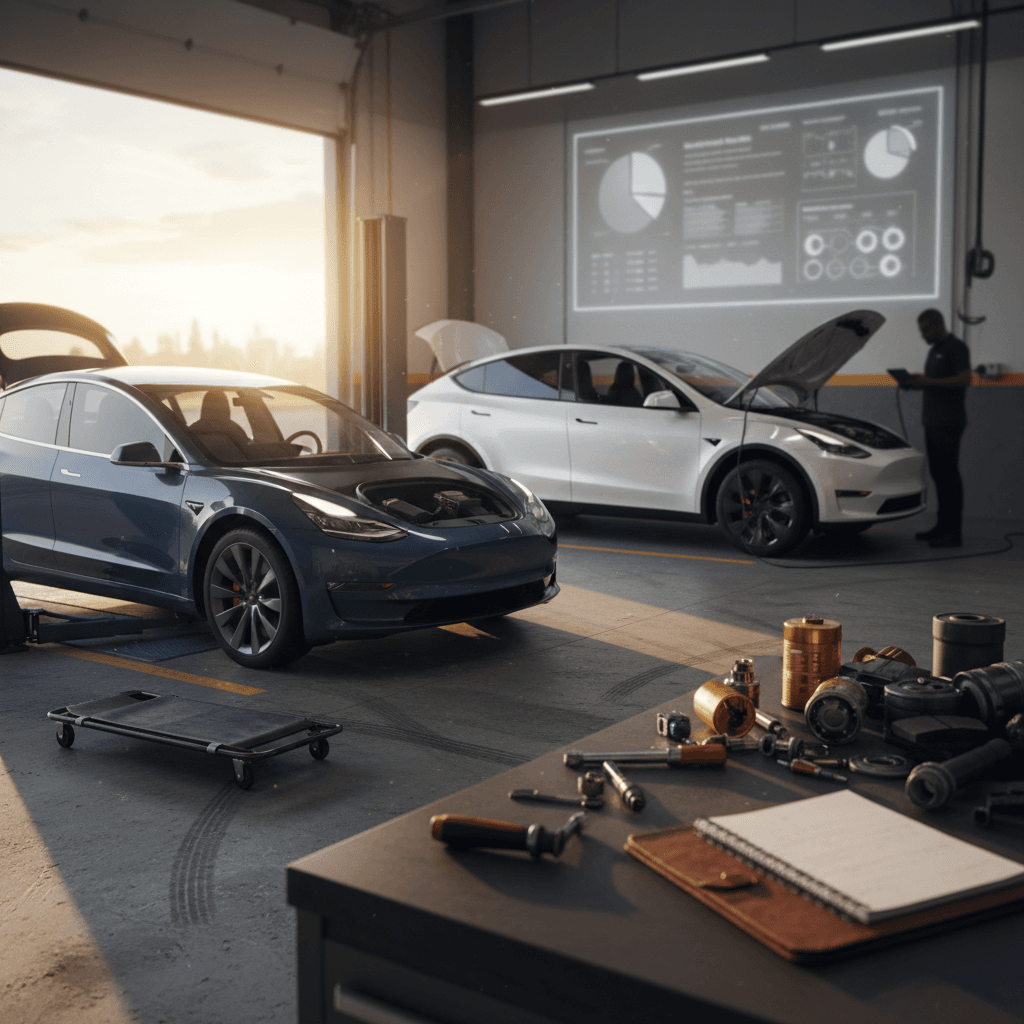
If you’re cross-shopping a Tesla against a gas car, you’ve probably heard that “Teslas don’t need maintenance.” That’s not quite true. What is true is that the typical Tesla service cost looks very different from a conventional car: fewer small, frequent visits, but still real money over a 5–10 year ownership window, especially once you’re out of warranty.
Big picture
Why Tesla service costs look different from gas cars
Tesla’s whole pitch is that EVs have fewer moving parts and need less routine service. There’s no oil to change, no timing belts, spark plugs, or multi-speed transmission to flush. Tesla has leaned into this with an "as‑needed" service philosophy: instead of an annual dealer visit, most of your interactions are remote diagnostics and on‑demand appointments through the app.
What drives Tesla service cost
Less scheduled maintenance, more pay‑as‑you‑go wear items
Fewer recurring services
Heavy, high‑torque EVs
Software‑driven, app‑based service
Don’t misread “low maintenance” as “no cost”
Tesla maintenance schedule: what you actually service
Tesla no longer advertises a one‑size‑fits‑all annual service. Instead, it publishes recommended intervals for specific items in the owner’s manuals and on the maintenance support page. The exact numbers differ slightly by model and year, but the core list is similar.
Core Tesla maintenance items and intervals
High‑level view of what gets serviced on a modern Tesla.
| Item | Typical Interval | Notes |
|---|---|---|
| Tire rotation | Every ~6,250–10,000 miles | Sooner with uneven wear or aggressive driving |
| Cabin air filter | Every 2–3 years | Model 3/Y closer to 2 years; S/X around 3 years |
| HEPA filter (if equipped) | Every 3 years | Applies to S/X and some higher‑trim 3/Y with Bioweapon Defense Mode |
| Brake fluid check | Every 4 years | Replaced only if test shows contamination |
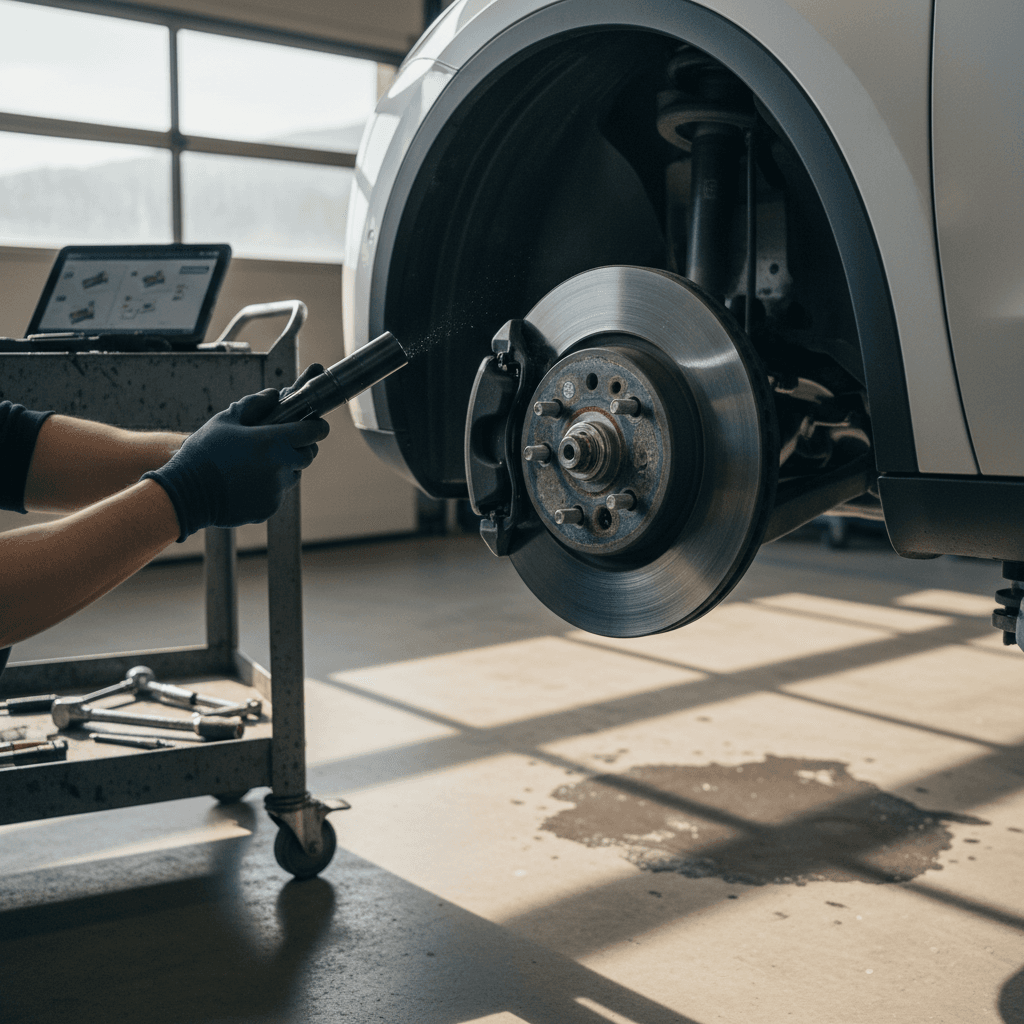
| Brake caliper clean & lube | Every 12 months/12,500 miles in salted regions | Important in snowy climates to prevent sticking calipers |
| Wiper blades | About once per year | More often in harsh climates or high UV exposure |
Intervals are typical for late‑model vehicles; always confirm in your specific car’s manual or on the touchscreen.
Use the car’s Maintenance screen
Typical Tesla service costs by item
Service pricing varies by region and whether you use Tesla or an independent EV‑savvy shop, but by 2025 the market has settled into fairly predictable ranges. Think of these as ballpark numbers in the U.S., not quotes.
Common Tesla service items and typical costs
Approximate out‑of‑warranty costs at Tesla Service Centers or independent shops in 2025.
| Service Item | Approximate Cost (USD) | How Often |
|---|---|---|
| Tire rotation & balance | $60–$120 | Every 6–10k miles |
| Four‑wheel alignment | $150–$250 | As needed; often every 1–2 years for rough roads |
| Cabin air filter replacement | $80–$200 | Every 2–3 years depending on model |
| HEPA filter replacement (S/X, some 3/Y) | $200–$400 | About every 3 years |
| Brake fluid flush (if needed) | $150–$250 | Every ~4 years after health check |
| Brake caliper service in salted regions | $150–$300 | Every 12 months/12,500 miles |
| Wiper blade replacement | $30–$80 | About once per year |
| 12V / low‑voltage battery replacement | $200–$400 | Roughly every 4–6 years, varies by climate |
| Key fob / miscellaneous minor fixes | $100–$300 | As needed |
Ranges reflect typical U.S. pricing before tax. Actual prices vary by region and model.
Why filters seem pricey
Annual Tesla service costs by model
If you roll up those individual services and add real‑world tire wear, you get a clearer picture of what annual Tesla service really costs. Aggregators that track total ownership expenses tend to land in a tight band for mainstream models.
Average Tesla maintenance cost over 5 years
Those figures align with what we see in 5‑year cost‑to‑own estimates for 2025 Model 3 and Model Y: total maintenance alone typically lands around $3,000–$3,300 over five years for a new car driven 15,000 miles per year. That works out to roughly $50–$60 a month when you average it over time.
Good news for budget planning
Tesla repair costs when something goes wrong
Routine maintenance is one thing. The bigger question, especially if you’re looking at a used Tesla, is what happens when something actually breaks. Here, the EV story is mixed: you avoid many ICE failure modes, but the components that do fail can be high‑value parts.
Common out‑of‑warranty Tesla repairs
Not everyone will see these, but they define the high end of service cost risk.
Suspension components
HVAC & heat pump issues
High‑voltage battery repairs
The key is probability. Most owners will never see a five‑figure battery bill, but even low‑probability, high‑impact events matter when you’re pricing a used car or deciding what you’re willing to risk out of warranty.
Be cautious with salvaged or modified cars
Warranty coverage and how it shapes your costs
Warranty coverage is the biggest single factor separating a cheap Tesla to own from a potentially expensive one. For new cars, Tesla’s structure is straightforward but split between the basic vehicle and the battery/drive unit.
Key pieces of Tesla warranty coverage
1. Basic vehicle limited warranty
Covers most non‑wear components for roughly 4 years or 50,000 miles (whichever comes first) on recent U.S. cars. After this, things like suspension, HVAC, and interior electronics are on you.
2. Battery & drive unit warranty
Typically 8 years with a mileage cap (for example, 100,000–150,000 miles depending on model) and a minimum battery capacity guarantee. This is what protects you from most high‑voltage pack failures early in life.
3. Corrosion & body warranty
Separate corrosion coverage similar to other automakers. It doesn’t protect against collision damage or cosmetic wear.
4. No new extended service contracts
Tesla previously sold extended service plans for some models but has moved away from that. Third‑party extended coverage exists, but read the fine print carefully.
For a used Tesla, knowing exactly how much warranty remains, on both the basic car and the battery/drive unit, is more important than the odometer alone. Two otherwise similar Model 3s can have very different risk profiles based on build date and in‑service date.
How Recharged helps here
Service costs for used Teslas: what to expect
Once you’re shopping used, whether that’s a 3‑year‑old Model 3 or a 7‑year‑old Model S, the Tesla service cost question shifts from "How much routine maintenance?" to "What’s the risk profile over the next 3–5 years?"
3–5 year old Tesla
- Often still under basic warranty (or just out) and well within battery coverage.
- Service costs are mostly tires, filters, and small fixes.
- Budget roughly $600–$800 per year, including a tire set in that window.
6–10 year old Tesla
- Basic warranty is gone; battery/drive unit coverage may be near its limit.
- Risk of HVAC, suspension, or electronics repairs increases.
- Budget similar routine costs plus a contingency fund for one medium‑sized repair ($1,000–$3,000) over a few years.
What to ask before buying a used Tesla
How Tesla service costs compare to gas cars
When you zoom out to total cost of ownership, Teslas generally deliver on the promise of lower maintenance, but not because you never visit a service center. It’s because you’ve removed entire categories of recurring service and failure modes that plague combustion cars.
EV vs. gas: where the savings come from
Why Teslas usually cost less to maintain over time
No oil or exhaust system
Simpler drivetrain
Regenerative braking
On the flip side, EVs concentrate cost in a handful of big‑ticket items, battery, drive unit, power electronics, that are unlikely but expensive failures. For many buyers, especially those keeping the car within the primary warranty window, the math still strongly favors EVs.
How to keep your Tesla service costs low
You can’t control every breakdown, but you can meaningfully influence your Tesla’s service cost curve. A few habits and decisions go a long way, especially if you’re planning to keep the car for a decade or buy it used.
Practical ways to manage Tesla service cost
1. Budget proactively
Set aside $50–$75 per month in a dedicated maintenance fund. That smooths out spikes from tires or surprise repairs and makes ownership feel less stressful.
2. Keep tires in good shape
Rotate on schedule, maintain proper pressure, and choose tires rated for EVs. This improves range and reduces premature wear, often your single largest recurring cost.
3. Protect the battery
Avoid living at 100% charge, don’t fast‑charge more than you need, and minimize deep discharges. Healthy batteries mean fewer capacity complaints and better resale value.
4. Document everything
Keep digital records of every service visit, alignment, and filter change. This protects your warranty, improves resale, and helps you or the next owner understand long‑term cost.
5. Use specialists for non‑Tesla work
If you go outside Tesla Service, choose shops with EV experience and proper safety training. High‑voltage systems aren’t the place for guesswork.
6. Start with a transparent car
When buying used, prioritize cars with verified battery health, clean title, and clear service history. That’s exactly what Recharged screens for in the vehicles we list.
FAQ: Tesla service cost questions answered
Frequently asked questions about Tesla service cost
Key takeaways on Tesla service cost
Tesla ownership doesn’t mean the end of service bills, but it does rearrange them. Over the first 5–8 years, most drivers see lower total maintenance spend than with a comparable gas car, with the bulk of the cost tied up in tires, a few filters, and the occasional alignment. The real financial risk lives in rare but high‑value repairs once you’re deep into the car’s life cycle.
If you’re shopping for a Tesla, especially a used one, focus less on folklore and more on fundamentals: warranty status, verified battery health, documented service history, and a realistic budget for ongoing maintenance. That’s exactly the lens Recharged uses when we inspect, score, and list EVs. Get those pieces right, and Tesla service cost becomes just another manageable line item in a very compelling total cost of ownership.