The 2024 Toyota bZ4X is Toyota’s earnest first draft of a modern electric SUV: comfortable, conservative, and backed by a brand famous for bulletproof hybrids. But search for 2024 Toyota bZ4X problems and you’ll hit a wall of owner complaints about range, dead 12‑volt batteries, heat pumps that quit in the cold, and slow DC fast‑charging. If you’re considering one, especially used, you need to know which of these issues are real patterns, which have fixes, and when the bZ4X is still a smart buy.
Same bones as Subaru Solterra & Lexus RZ
The 2024 bZ4X at a glance: what’s good, what’s not
Where the bZ4X shines
- Ride and comfort: Quiet, plush, and very Toyota. Around town it feels more like a Camry on stilts than a science project.
- Easy to live with: Conventional driving position, intuitive controls, and a gentle learning curve for new EV drivers.
- Brand reputation & warranty: Toyota adds extended battery warranties and, on early cars, extra coverage to calm first‑EV jitters.
- Used pricing: Because reviewers hammered its range and charging, used bZ4X prices tend to undercut Hyundai, Kia, and Tesla rivals.
Where the problems show up
- Range vs. expectation: The EPA sticker promises 228–252 miles. Many owners see far less, especially on the highway or in winter.
- 12‑volt battery failures: A growing number of owners report cars going stone‑dead in the driveway with only a few thousand miles.
- HVAC & heat pump issues: In cold weather some bZ4X SUVs lose cabin heat and defrost, serious enough to trigger a 2023–2025 recall.
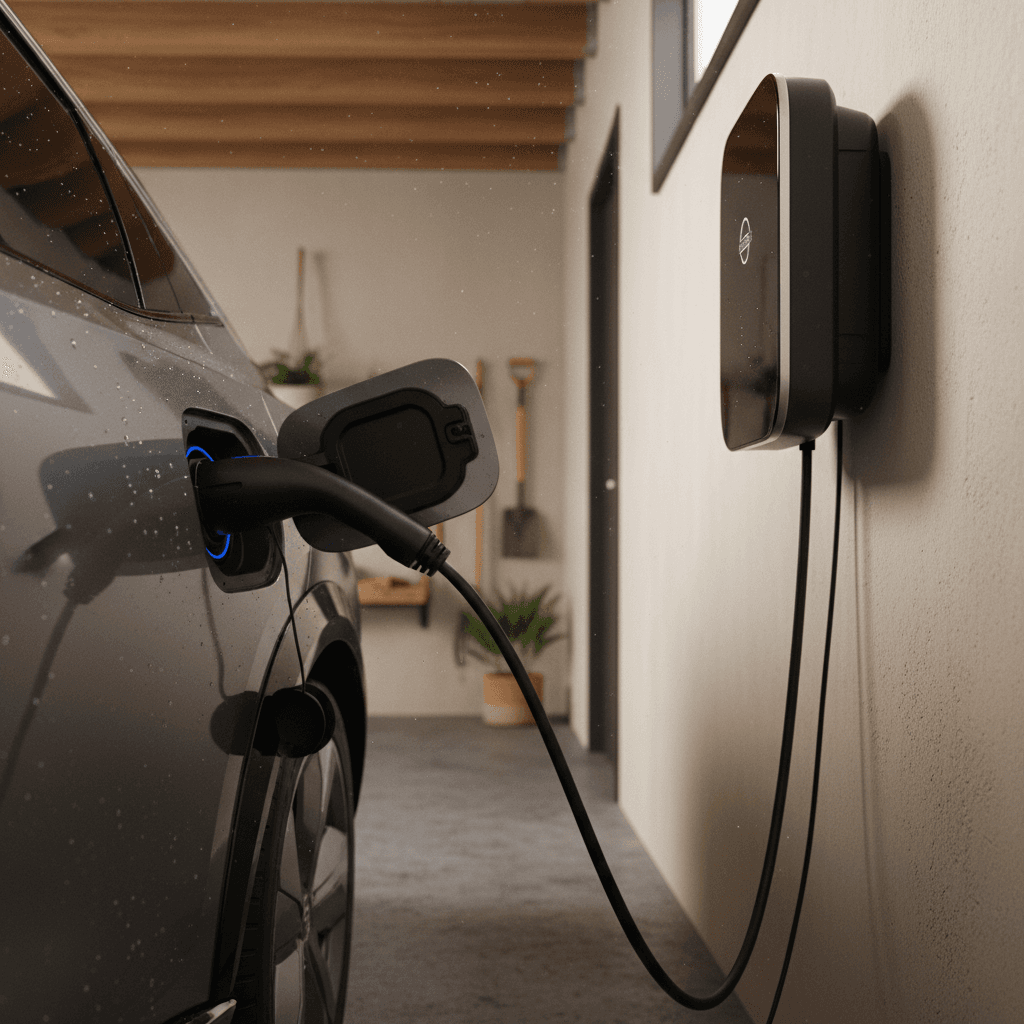
- Slow DC fast‑charging: Even when everything works, real‑world charging speeds often lag behind competitors, making road trips a slog.
The biggest 2024 Toyota bZ4X problems owners report
Key 2024 bZ4X problem areas
Patterns from NHTSA complaints, recall campaigns, and owner forums
Underwhelming range
On paper, the 2024 bZ4X should be a 220–250 mile EV. In practice, many owners report winter highway ranges closer to 130–170 miles, sometimes less with heat, lights, and wipers on.
12‑volt battery deaths
Multiple owners describe their bZ4X going completely dead in the garage or driveway, sometimes within months of delivery, often after sitting just a day or two.
HVAC & heat pump failures
A software flaw and hardware issues in the heat‑pump system can cause loss of cabin heat and poor defrost in cold weather, now the subject of a multi‑brand recall covering 2023–2025 bZ4X.
Slow DC fast‑charging
Even at high‑power stations, owners frequently see charging taper early and hover in the 30–60 kW range, stretching road‑trip stops to 45–75 minutes.
Front‑wheel drive vs. all‑wheel drive matters
Real-world range and cold-weather problems
On a warm day around town, the 2024 bZ4X can get pleasantly close to its official range numbers. The trouble starts when you do the two things Americans actually do in SUVs: drive at 70–75 mph and endure winter.
- Owners in cold states routinely report 30–40% drops in range once temperatures fall below freezing, even on short commutes.
- Highway driving at 70+ mph can pull a front‑drive bZ4X down into the 170–190 mile real‑world window; AWD models often land lower.
- Some early long‑trip reports describe usable legs of only ~100 miles between fast‑charge stops when drivers insist on keeping a buffer for broken or busy chargers.
- The in‑car range estimator (“guess‑o‑meter”) tends to be optimistic, particularly for new owners who haven’t built up a driving history in the car.
Cold-weather range plus slow charging is a double hit
If you mostly commute 20–40 miles a day and charge at home, the bZ4X’s efficiency quirks are simply that, quirks. If you expect to road‑trip through Michigan in January with kids and skis, it’s a different story. You’ll need to embrace conservative trip planning and bigger charge buffers than you would in a Hyundai Ioniq 5, Kia EV6, or Tesla Model Y.
12‑volt battery failures and “dead car in the driveway”
By far the most unnerving reports from 2024 bZ4X owners involve the humble 12‑volt battery, the small auxiliary battery that wakes up the computers, powers locks and lights, and brings the main high‑voltage pack online. When it dies, the car might as well be a sculpture.
What 12‑volt failures look like in the real world
Patterns from owner forums and complaint databases suggest three overlapping culprits:
- Parasitic drain from software or telematics: The car stays too “awake” when parked, sometimes linked to the connected smartphone app and remote‑services back end.
- Short, infrequent drives: If you mostly move the car a mile or two at a time, the DC‑DC converter may not recharge the 12‑volt battery enough to keep it healthy.
- Marginal 12‑volt hardware: Early auxiliary batteries seem particularly fragile; some replacements have also failed quickly, suggesting the root cause isn’t always fixed.
Safety concern: brake and steering assist
How to live with (or shop around) the 12‑volt issue
1. Ask for 12‑volt service history
When buying used, request documentation of any 12‑volt battery replacements or electrical diagnostics. Multiple replacements with vague explanations are a red flag.
2. Check for open campaigns
Have a Toyota dealer run the VIN for software updates and technical service bulletins related to the 12‑volt system, telematics, and charging behavior.
3. Test overnight behavior
If you can, leave the car parked for 24–48 hours during your test drive period and verify that it still wakes normally without needing a jump.
4. Consider a smart maintainer
If your bZ4X will sit for long stretches, a quality 12‑volt battery maintainer, used correctly, can keep the auxiliary battery healthier. Never connect anything directly to the high‑voltage system.
5. Know your lemon-law options
Repeated 12‑volt failures that leave you stranded could qualify for lemon‑law relief in some states, especially if the dealer can’t identify a permanent fix.
HVAC and heat pump failures: 2023–2025 recall
The bZ4X’s heat‑pump HVAC system, shared with the Subaru Solterra and Lexus RZ, is efficient when it works. The problem is that a subset of systems don’t work when you need them most.
Owners in very cold climates have described chilling horror stories: cabin heat fading away on sub‑freezing highway drives, the system refusing to defrost the windshield, range plummeting as the car tries and fails to manage temperatures, and warnings pointing to a failed compressor or expansion valve.
The HVAC recall in one sentence
Which bZ4X models are covered by the HVAC/defroster recall?
Coverage may expand, but this is the core group currently targeted in the U.S.
| Model year | Model | Issue focus | Fix |
|---|---|---|---|
| 2023 | Toyota bZ4X | HVAC failsafe shuts off heat/defrost after certain compressor faults | Dealer software update to HVAC control ECU; compressor replacement if needed |
| 2024 | Toyota bZ4X | Same as 2023, heat and defrost may stop working in cold conditions | Same: software update plus compressor replacement in some cases |
| 2025 | Toyota bZ4X | Continued coverage as recall window extends | Same repair path; later builds may include updated parts from factory |
Always confirm exact eligibility and repair status with a Toyota dealer using the VIN.
Good news: this one has a clear fix
Slow fast-charging and road-trip frustrations
On spec sheets, the bZ4X doesn’t look hopeless: front‑drive models advertise DC fast‑charging up to 150 kW, AWD versions up to 100 kW. The reality owners report is less flattering, and for 2024 models that reality hasn’t fundamentally changed.
- Charging sessions that start in the 70–90 kW range but quickly taper to 30–50 kW, even with a warm battery and a high‑power charger.
- Attempts to charge beyond ~70% state of charge that drop speeds into the single‑digit kW range, turning the last 30% into a long coffee break.
- Summer road‑trippers reporting 75‑minute stops to go from roughly 30% to 70%, making a typical 500‑mile day feel like an endurance event.
- Ongoing sensitivity to temperature: in cool weather, the car is reluctant to accept high power, and Toyota’s battery‑conservative tuning errs hard on the side of caution.
“A 500‑mile trip that would typically take 8 hours in an ICE took 14.5 hours. The bZ4X is seriously range‑bound.”
How to road-trip a bZ4X without hating it
Other quirks, quality gripes, and everyday annoyances
Common non-drivetrain complaints
Small things that add up when you live with the bZ4X every day
Inconsistent range estimator
New owners quickly learn that the displayed range can swing wildly based on recent driving. That’s true of all EVs, but the bZ4X’s relatively tight usable range makes the swings feel more alarming.
Occasional HVAC weirdness
Even outside the official recall, some owners report intermittent loss of strong heat or AC that resolves after a restart, suggesting the software still has rough edges.
Feature decontenting
Early owners grumble about missing basics like a glovebox light or fully finished cargo area, which feel out of place in a modern EV at this price.
Parts availability delays
Because the bZ4X is low‑volume, certain components, like HVAC compressors, can be on backorder, leaving cars marooned at dealers for weeks.
How serious are 2024 bZ4X problems overall?
If you mostly commute locally
For a driver with a 20–40‑mile daily commute, home charging, and mild to moderate weather, the 2024 bZ4X can be an easy, comfortable EV. Range anxiety fades when you start every morning with a full battery, and you may never see a DC fast‑charger. In that use case, the big risks are a flaky 12‑volt battery and unresolved HVAC recall work, both things you can largely head off with good due diligence.
If you want a long‑range family road‑trip machine
Here, the bZ4X is harder to recommend. Between conservative range, heavy winter losses, and modest DC charging speeds, you’re signing up for more planning, more stops, and more time tethered to 350 kW chargers that it can’t fully exploit. Other EVs in this class simply travel farther, recover faster, and cope better with brutal weather.
Reliability vs. confidence
Shopping a used bZ4X: what to check before you buy
If you like the way the bZ4X drives, and appreciate its often‑discounted used pricing, you don’t have to walk away. You just need to buy with your eyes open and your paperwork in order. This is exactly where a platform like Recharged tries to earn its keep.
Pre-purchase checklist for a used 2023–2024 bZ4X
1. Pull the full recall and TSB history
Have a Toyota dealer run the VIN for all open and completed recalls, especially the HVAC/defroster campaign and any software updates tied to the 12‑volt system and charging behavior.
2. Verify HVAC recall work in writing
Ask for the repair order showing the HVAC software update and any compressor replacement. In cold‑weather states, take an extended test drive with the heat and defrost on full blast.
3. Check both batteries’ health
Confirm when the 12‑volt battery was last replaced and have it load‑tested. Ask for any documentation on traction‑battery diagnostics or state‑of‑health reports. A service like the Recharged Score includes an independent battery‑health assessment.
4. Test DC fast-charging once
If possible, take the car to a reputable DC fast‑charger. Arrive around 20–30% state of charge and watch the curve up to ~70%. You’re not looking for perfection, just making sure it connects cleanly and doesn’t nose‑dive into single‑digit kW without explanation.
5. Park it overnight during the trial period
Before committing, leave the car parked for at least 24 hours without charging. It should wake up instantly with no error messages. Any sign of a drained 12‑volt battery this early is a major warning.
6. Let someone else sweat the details
Buying through <strong>Recharged</strong> means every vehicle gets a <strong>Recharged Score Report</strong> with verified battery health, fair‑market pricing, and EV‑specialist support. If you’re nervous about vetting a bZ4X yourself, this kind of third‑party due diligence is worth its weight in electrons.
Why the bZ4X can be a value play used
bZ4X vs rivals: when it still makes sense
How the 2024 bZ4X stacks up against key rivals
A high‑level look at where Toyota’s electric SUV lags and where it quietly wins.
| Model | Strengths | Weak spots for shoppers worried about problems |
|---|---|---|
| Toyota bZ4X | Comfortable ride, simple interface, often cheaper used, Toyota brand familiarity | Shorter real‑world range, slow DC charging, 12‑volt and HVAC concerns on some cars |
| Hyundai Ioniq 5 | Excellent range, very fast DC charging, stylish and roomy | Less traditional interface; higher used prices; some early charging‑port issues in cold |
| Kia EV6 | Sporty drive, strong range and charging, sharp design | Firmer ride; higher insurance and purchase costs; limited dealer EV expertise in some areas |
| Tesla Model Y | Big charging network, strong efficiency, constant software updates | Harsher ride, build‑quality roulette, polarized design and ownership experience |
Specs are approximate and vary by trim; focus on character, not spreadsheet racing.
Who the bZ4X fits
- Suburban commuters with home charging and trips mostly under 150 miles.
- Drivers who value comfort and simplicity over headline‑grabbing performance.
- Shoppers hunting for a deal on a used EV and willing to trade road‑trip prowess for a lower payment.
Who should probably look elsewhere
- Frequent interstate travelers who rely on public DC fast‑charging.
- Drivers in very cold climates who need flawless heat and defrost on rural highways.
- Anyone already anxious about new tech, this is not the Toyota appliance Camry owners are used to.
FAQ: 2024 Toyota bZ4X problems
Frequently asked questions about 2024 bZ4X problems
The 2024 Toyota bZ4X is not the apocalypse of EV reliability some headlines suggest, nor is it the unflappable Toyota appliance many buyers expected. It’s a first‑generation effort with some genuine virtues, a comfortable ride, familiar feel, and increasingly attractive used prices, compromised by cautious engineering and a few early‑program missteps. If you understand its limits, confirm recall and software work, and buy a car with clean 12‑volt and battery‑health history, the bZ4X can quietly do its job. If you want an electric Swiss Army knife that shrugs off winter and inhales road trips, you’re better served looking at other EVs, or letting a service like Recharged help you compare your options model by model.