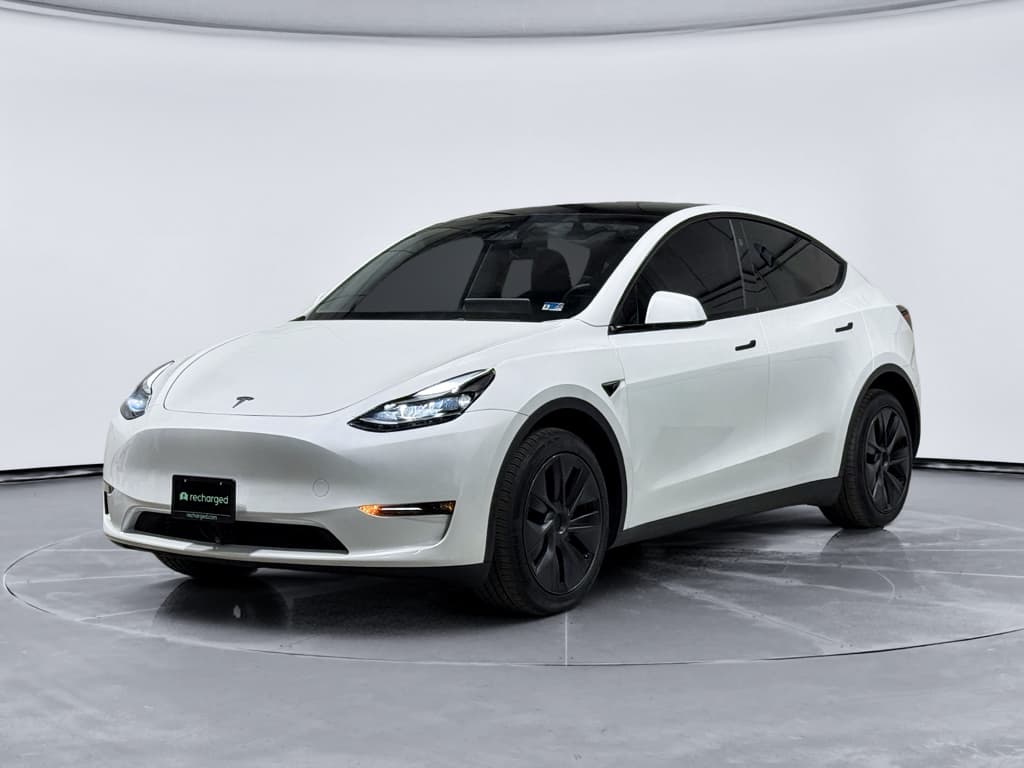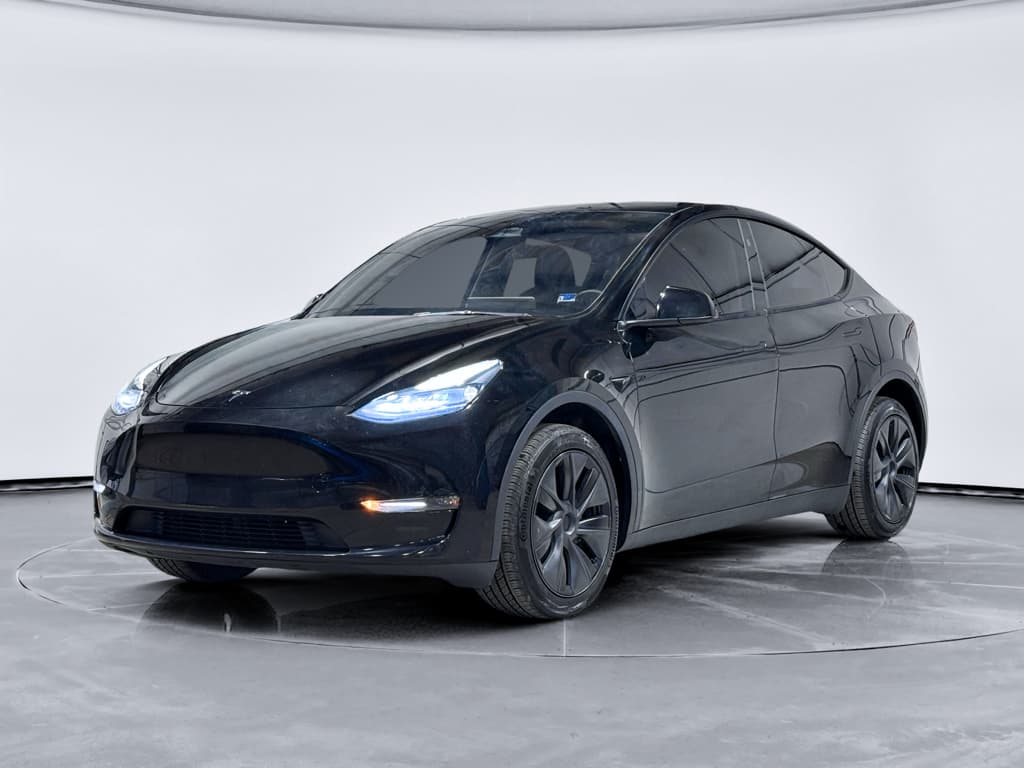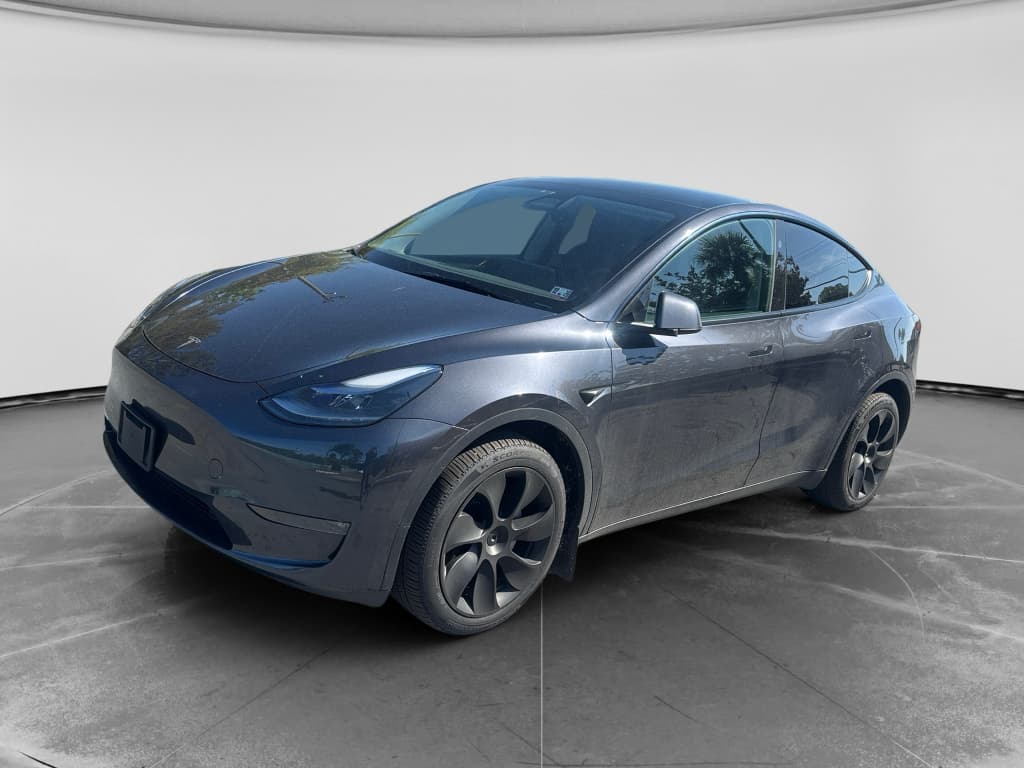
Tesla sales in the U.S. are at an interesting crossroads. The company is still the clear leader in electric vehicles, but its grip on the market isn’t what it was a few years ago. If you’re trying to make sense of Tesla sales in the U.S., and what that means for buying a new or used Tesla, this guide will walk you through the numbers, the trends, and the practical implications.
Why Tesla sales data matters to you
Overview: How Tesla Sales in the U.S. Are Shifting
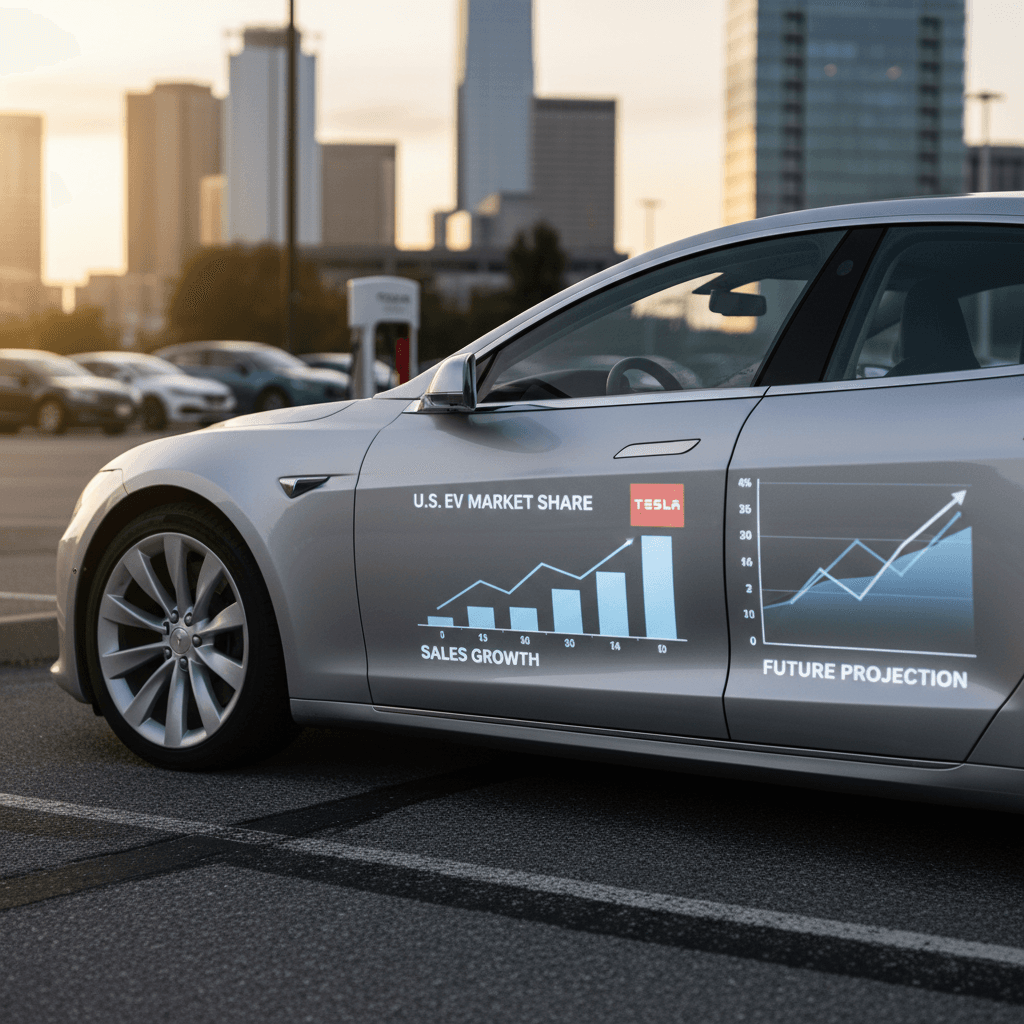
In the early 2020s, Tesla practically was the U.S. EV market. In some quarters, it held more than 70% of U.S. battery-electric sales. Since then, that dominance has eased as Ford, GM, Hyundai–Kia, Honda, and others have ramped up their EV lineups and incentives. By mid‑2025, Tesla still sold more EVs in the U.S. than any other brand, but its share had slipped into the 40–50% range instead of the 60–70% era of a few years prior.
That shift doesn’t mean Tesla is in trouble so much as it means the market is maturing. There are simply more EV choices than ever, and U.S. buyers are spreading out across them. If you’re shopping for an EV, new or used, that’s good news: more options, more discounts, and more leverage.
Tesla Sales in the U.S. at a Glance
Tesla Sales in the U.S. by the Numbers
Let’s get specific. While Tesla reports global sales, several data firms and analysts break out U.S. results. The headline: Tesla remains number one in U.S. EV sales, but it’s no longer adding volume as aggressively as the overall EV market.
Approximate Tesla U.S. EV Sales and Market Share
Rounded figures that show how Tesla’s position has evolved as the U.S. EV market has grown.
| Year / Period | Estimated U.S. Tesla BEV Sales | U.S. EV Market Size (BEVs) | Tesla U.S. EV Market Share |
|---|---|---|---|
| 2022 (full year) | ~510,000–530,000 | ~800,000–900,000 | ≈60–65% |
| 2023 (full year) | ~670,000 | ~1.2 million | ≈55% |
| 2024 (full year) | ~634,000 | ~1.3 million | ≈48–49% |
| Q2 2025 | 143,535 | 306,437 | 48.5% |
| Aug 2025 (run‑rate) | , | , | ≈38% (all‑EV share) |
Tesla is selling a lot of cars in the U.S., but its share of a rapidly growing market is shrinking.
Use trends, not single quarters
Top-Selling Tesla Models in the U.S.
In the U.S., Tesla is still very much a two‑model story. The Model Y and Model 3 account for the vast majority of its sales, with the Model Y in particular becoming the default family EV in many driveways. The Model X and Model S now play niche roles at the upper end of the market, and Cybertruck is growing from a small base.
Best-Selling Tesla Models in the U.S. (2024 Estimates)
Model‑level sales help explain what you’re actually seeing on the road, and on the used market.
| Model | Approx. 2024 U.S. Sales | Share of U.S. Tesla Sales | Position in U.S. EV Market |
|---|---|---|---|
| Model Y | ≈370,000+ | ~58–60% | Best‑selling EV in the U.S. by a wide margin |
| Model 3 | ≈190,000 | ~30% | Consistently #2 EV in the U.S. behind Model Y |
| Cybertruck | ≈39,000 | ~6% | Top‑five EV model by 2024 year‑end despite late start |
| Model X | ≈20,000 | ~3% | Low‑volume premium SUV |
| Model S | Low tens of thousands | <3% | Premium sedan niche |
Model Y and Model 3 dominate Tesla’s U.S. deliveries, shaping most of the used inventory as well.
Shopping tip
Tesla’s U.S. Market Share and Rising Competition
Tesla’s story in the U.S. isn’t just about how many vehicles it sells, it’s about who else is entering the ring. As recently as 2022, Tesla controlled well over half of U.S. EV sales in most quarters. By late 2024 and into 2025, that share moved into the 40s and, by some measures, dipped to the high 30s as rivals gained ground.
Who’s Gaining on Tesla in U.S. EV Sales?
Brands that have been expanding their share of the U.S. EV pie.
GM (Chevrolet, Cadillac, GMC)
GM has quietly become Tesla’s most serious volume rival in the U.S. EV space. Chevrolet’s compact crossovers and Cadillac’s luxury EVs have pushed GM’s combined share into the mid‑teens by mid‑2025.
Ford
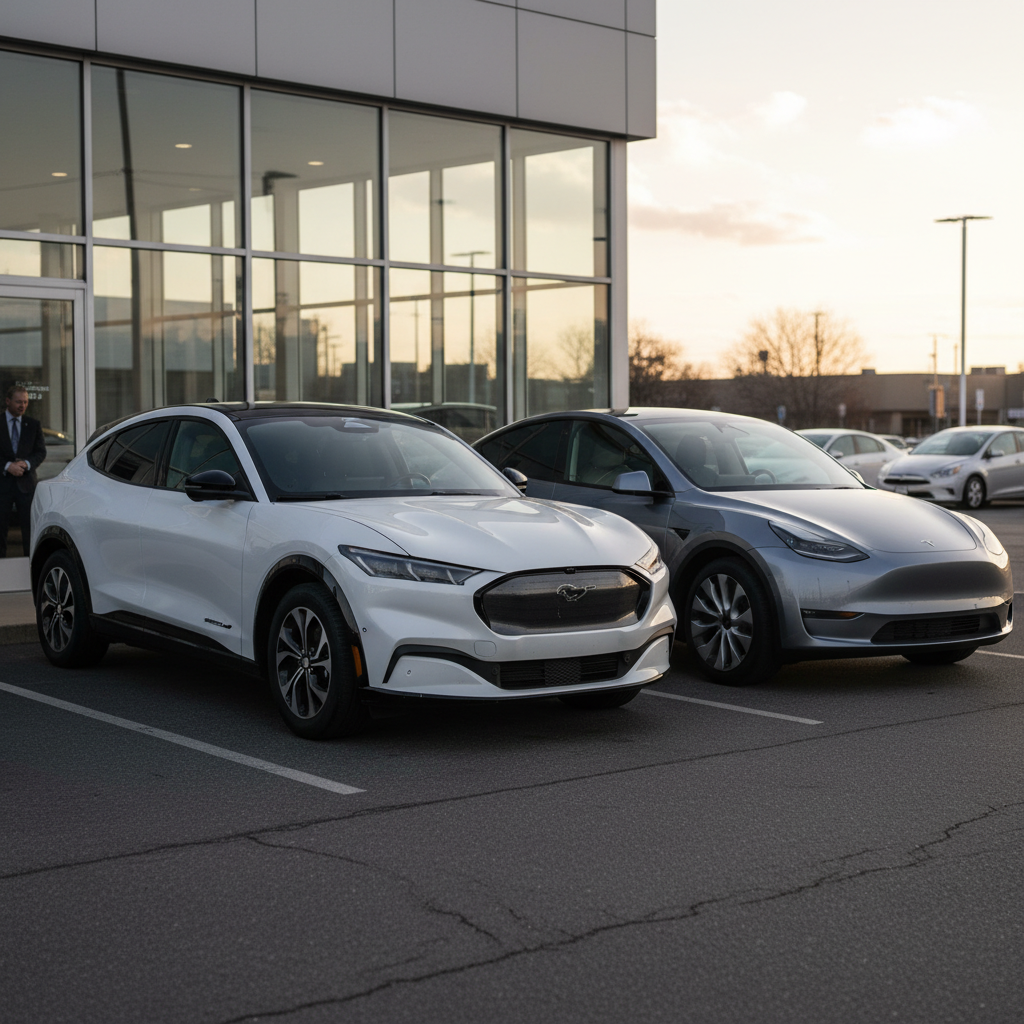
Ford’s Mustang Mach‑E and F‑150 Lightning give it coverage in the crossover and truck segments. Its share is smaller than Tesla’s, but growth has outpaced Tesla’s recently.
Hyundai–Kia & Others
Hyundai, Kia, Honda, Toyota, and VW have rolled out compelling EVs with aggressive lease deals and incentives, drawing shoppers who might once have defaulted to Tesla.
The result is a more competitive, incentive‑rich environment. Tesla is still the benchmark on charging access and software, but it’s no longer the only game in town, and its share of U.S. EV sales reflects that.
What’s Driving the Tesla Sales Slowdown?
It’s important to separate two ideas: Tesla’s absolute sales and its market share. In many recent quarters, Tesla has still sold a massive number of vehicles in the U.S., but the EV market itself is growing even faster. On top of that, 2024 was the first year since the early Model S days that Tesla’s global deliveries actually declined year‑over‑year, sliding roughly 1% compared with 2023.
Main Reasons Tesla’s U.S. Sales Momentum Has Softened
Aging core lineup
The Model 3 and Model Y are proven, but they’re no longer fresh faces. While Tesla has updated them, competitors are launching brand‑new vehicles with bold styling and fresh interiors.
More EV options (and deals)
From Kia EV9s to Chevy Equinox EVs, shoppers now see a full wall of EV choices on dealer lots, often paired with low‑APR financing, attractive leases, or free charging packages.
Reduced sticker shock via discounts
Tesla led a price‑cutting wave that made EVs more affordable, but it also conditioned buyers to expect discounts and wait for deals, which can pull demand forward or delay purchases.
Policy uncertainty
As of late 2025, future U.S. federal incentives are less certain than they were in 2022–2023. When buyers aren’t sure which credits will stick, some sit on their hands.
Brand perception and competition
For some buyers, Tesla’s tech‑forward image is still a draw. For others, aggressive new entries from established automakers or concerns about corporate image push them toward alternatives.
Don’t mistake slower growth for collapse
How Tesla Sales Trends Affect New and Used Prices
Sales trends always ripple into pricing. Tesla’s move to cut prices in 2023 and 2024 to protect volume pushed down new‑vehicle transaction prices and, in turn, reshaped the used market. When a new Model Y suddenly costs thousands less than it did a year prior, used values adjust accordingly.
New Tesla pricing
- More volatile: Tesla adjusts prices more often than traditional automakers, which can make timing tricky if you’re chasing the absolute lowest number.
- Fewer dealer markups: You order direct, so you don’t have to negotiate against a showroom sticker that’s thousands over MSRP.
- Incentives ebb and flow: Tax credits and financing specials depend on battery sourcing, assembly location, and federal policy, worth double‑checking before you buy.
Used Tesla pricing
- Down from early‑pandemic highs: The days when used Teslas cost as much as new ones are over. More supply and lower new prices have re‑anchored the market.
- Highly sensitive to battery health: A used Tesla with a well‑documented battery and charging history typically commands a premium.
- Model and year matter: Updated models with longer range and newer tech hold value better than early builds.
Where Recharged fits in
Ready to find your next EV?
Browse VehiclesWhat Tesla Sales Trends Mean If You’re Buying Used
If you’re shopping the used market, Tesla’s U.S. sales history is your friend. High volume for Model 3 and Model Y means you aren’t stuck choosing from just one or two examples in your area, you can comparison‑shop across years, trims, and battery packs.
Used Tesla Buyer Checklist in Today’s Market
1. Look beyond the odometer
With EVs, and Teslas in particular, the battery pack matters more than raw mileage. A low‑mileage car that spent its life on DC fast chargers could be worse off than a higher‑mileage commuter car charged mostly at home.
2. Ask for battery health data
Battery diagnostics (like the Recharged Score battery health diagnostics) help reveal estimated remaining capacity and pack health so you know whether range will meet your needs today and years from now.
3. Compare against new pricing
Because Tesla changes new‑car pricing and incentives often, always compare a used Tesla’s out‑the‑door cost against a similarly equipped new one, including credits and financing.
4. Prioritize software and feature set
Some older Teslas have hardware or software limitations (e.g., Autopilot versions, infotainment hardware) that affect daily usability. Make sure the features you care about are present and supported.
5. Consider charging access
One of Tesla’s big sales advantages is Supercharger access. Confirm whether the car you’re looking at retains full access, especially if policies have changed since it was new.
6. Plan for ownership costs
Insurance, tires, and out‑of‑warranty repairs vary by model. Use your Tesla’s VIN and spec to get real quotes, not rough guesses, before you sign.
Leverage nationwide inventory
Future Outlook: Tesla Sales in the U.S. Through 2026
Looking ahead, Tesla’s position in the U.S. will depend on two big variables: how quickly it refreshes or expands its lineup, and how aggressively rivals continue to discount and promote their own EVs. Analysts expect EV volume overall to keep climbing, even if growth is lumpier than the industry hoped back in 2021.
Possible Paths for Tesla in the U.S. Market
Scenario 1: Stable leader in a crowded field
Tesla holds a 30–40% share of U.S. EV sales, still #1 but with more credible rivals in every segment.
Pricing remains dynamic, with Tesla trading some margin for volume when necessary.
Used Teslas stay in strong demand thanks to the Supercharger network and software experience.
Scenario 2: Renewed growth with new models
Tesla launches a more affordable mass‑market vehicle, pulling in buyers who previously chose used or went to competitor brands.
U.S. sales climb again, and share stabilizes or even ticks up despite competition.
Used prices for older Teslas may soften slightly as buyers stretch for new, less‑expensive models.
Scenario 3: Slow slide in share, strong used market
Tesla’s focus on non‑auto projects slows new‑EV product cadence.
Share continues to drift downward, but the installed base of millions of Teslas keeps used demand healthy.
Independent retailers and marketplaces like Recharged become key to sorting the best used Teslas from the pack.
"Tesla doesn’t need to own 70% of the EV market forever to be successful. A smaller slice of a much bigger pie can still translate into enormous sales volumes, and a rich used market for years to come."
How to read the headlines
FAQ: Tesla Sales in the U.S.
Frequently Asked Questions About Tesla Sales in the U.S.
Conclusion: Key Takeaways on Tesla’s U.S. Sales
Tesla sales in the U.S. tell a nuanced story. The company is no longer the near‑monopoly it once was, but it remains the country’s dominant EV brand, led by the Model Y and Model 3. Its market share has slipped as the EV universe has expanded, yet it still delivers more electric vehicles than anyone else, by a considerable margin.
For you as a shopper, that’s mostly good news. A more competitive market means more choices and better deals. Tesla’s huge installed base means a rich used‑car ecosystem, particularly for Model 3 and Model Y, and sales trends over the last few years have made used prices far more rational than they were at the peak of the frenzy.
If you’re considering a used Tesla, focus on the fundamentals: verified battery health, transparent pricing, and a buying process you can trust. Recharged was built to make that simple, with a Recharged Score Report, EV‑specialist support, financing, trade‑ins, and nationwide delivery. In a fast‑evolving market, those tools turn big‑picture sales statistics into a confident, concrete decision about the car that ends up in your driveway.