When people search for “Tesla public”, they’re often mixing together a few different ideas: Tesla as a publicly traded company, Tesla’s charging network opening to the public, and newer public-facing services like robotaxis. If you’re just trying to figure out how all of this affects your next EV purchase or your day‑to‑day driving, the noise can be overwhelming.
In plain English
What People Really Mean by “Tesla Public”
“Tesla public” can refer to three main things: 1. Tesla as a public company – you can buy and sell Tesla stock on the open market. 2. Public access to Tesla infrastructure – especially Superchargers being opened to non‑Tesla EVs. 3. Public‑facing Tesla services – like the new Tesla Robotaxi service that lets the general public hail autonomous rides in certain areas. Understanding which one you’re dealing with will keep you from chasing headlines when what you really need is clear, practical guidance.
Tesla “Public” Snapshot in Late 2025
Tesla as a Public Company: Quick Overview
Tesla went public in June 2010 on the Nasdaq exchange and today trades under the ticker TSLA. Over the last decade and a half it has swung from a niche EV startup to a trillion‑dollar company, back down, and up again. In early 2025 Tesla once more crossed the $1 trillion valuation mark before facing renewed volatility later in the year as competition intensified and public controversy around its CEO grew.
- Public ownership: Anyone with a brokerage account can buy TSLA shares.
- Shareholder voice: Tesla must hold shareholder meetings and respond to investor proposals, which is why you see headlines about votes on leadership, pay packages, and business strategy.
- Transparency requirements: As a public company, Tesla files quarterly and annual reports (10‑Q, 10‑K) that reveal vehicle deliveries, revenue, and risks, including regulatory investigations and recalls.
Don’t confuse 2018 headlines with today
Tesla Public Stock: What It Means for Drivers
If you’re deciding whether to drive a Tesla or another EV, Tesla’s public stock price is mostly background noise. Volatility in TSLA shares doesn’t change whether a used Model 3 is a good fit for your commute or whether you’ll be comfortable with the brand’s long‑term direction.
How Tesla’s Public Stock Status Touches Your Life
Three practical angles for EV shoppers and owners
1. Resale Values
Tesla’s public valuation shapes how the market views the brand. When sentiment is strong, used Tesla values tend to stay firm. When the brand is under pressure, you may find more attractive pricing on the used market.
2. Regulation & Recalls
As a public company under constant scrutiny, Tesla must disclose safety issues and recalls. That transparency helps you see how quickly they address problems and whether software updates really fix them.
3. Long‑Term Support
Public filings, investor calls, and product roadmaps offer clues about which models, features, and charging standards Tesla will support for the long haul, useful intel if you plan to keep an EV 8–10 years.
If you’re not a stock picker
Tesla Public Charging: Superchargers for Everyone?
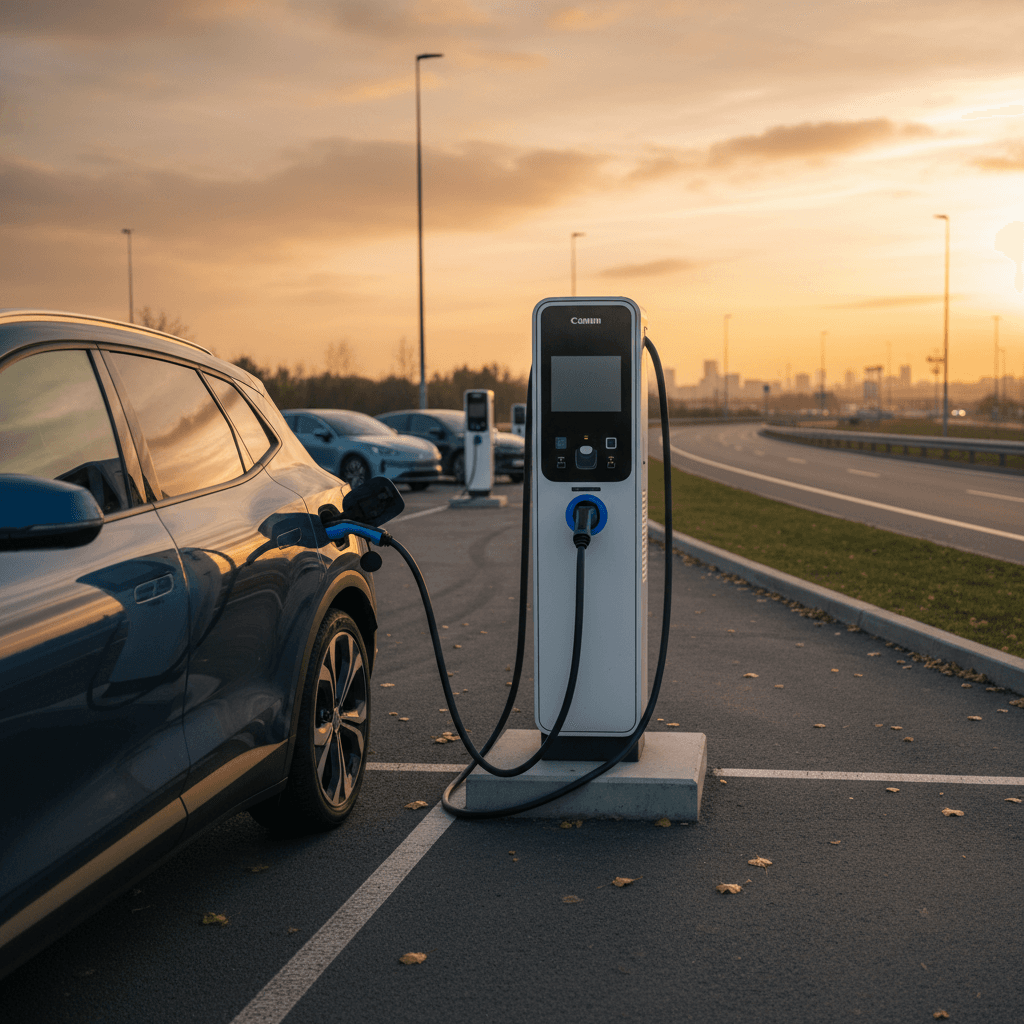
For many drivers, “Tesla public” really means “Can my car use Tesla Superchargers?” That answer is changing quickly. Tesla’s North American Charging Standard (NACS) plug is becoming the de facto U.S. fast‑charging connector, and the company has been opening portions of its Supercharger network to non‑Tesla EVs to qualify for federal funding and stay ahead of rivals.
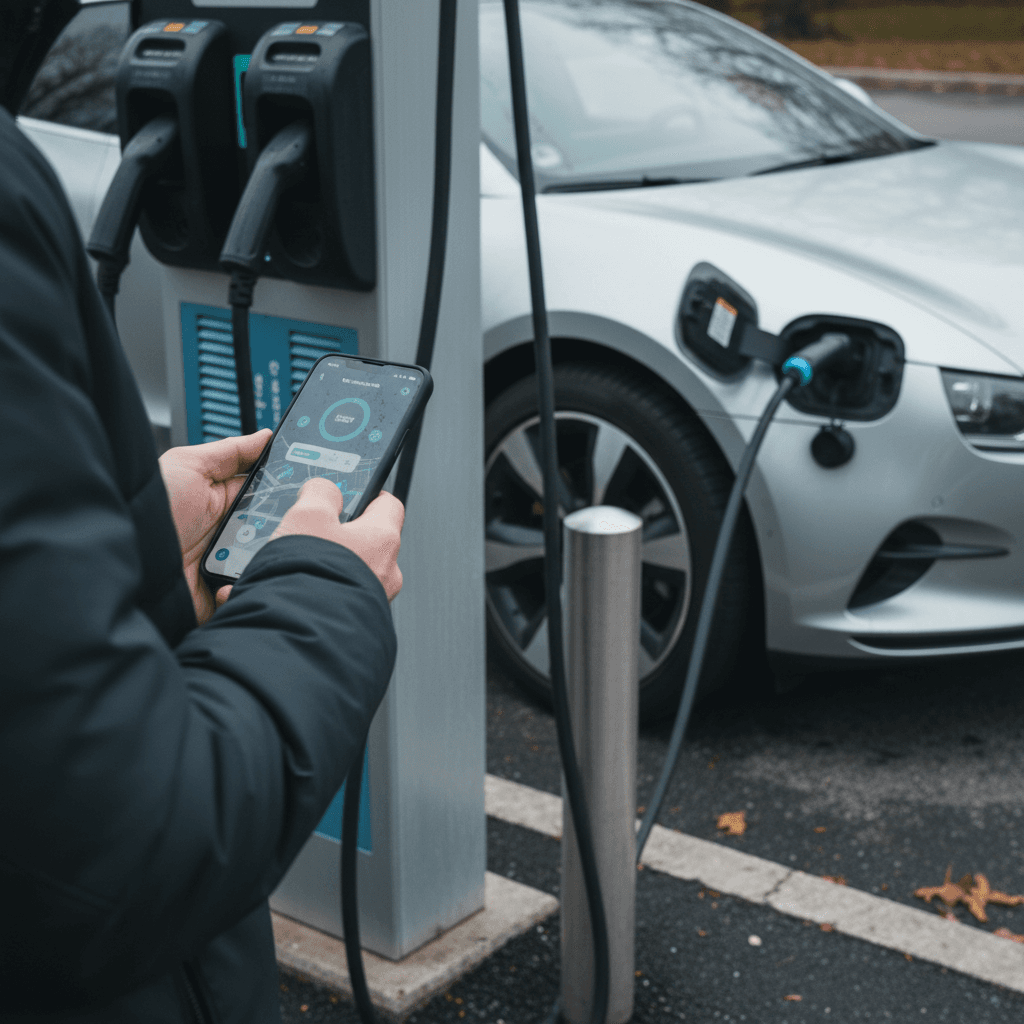
- Public access is partial: As of late 2025, only a subset of U.S. Superchargers are open to non‑Tesla EVs, and availability still varies by region.
- NACS adoption is spreading: Ford, GM, Hyundai, Kia, Mercedes‑Benz, and others have committed to NACS, so more 2025–2027 EVs will plug into Superchargers natively.
- Adapters bridge the gap: Many existing CCS EVs can use Tesla sites through an adapter, sometimes provided by the automaker, sometimes purchased separately.
Good news for non‑Tesla drivers
How Tesla Public Superchargers Work for Non‑Tesla EVs
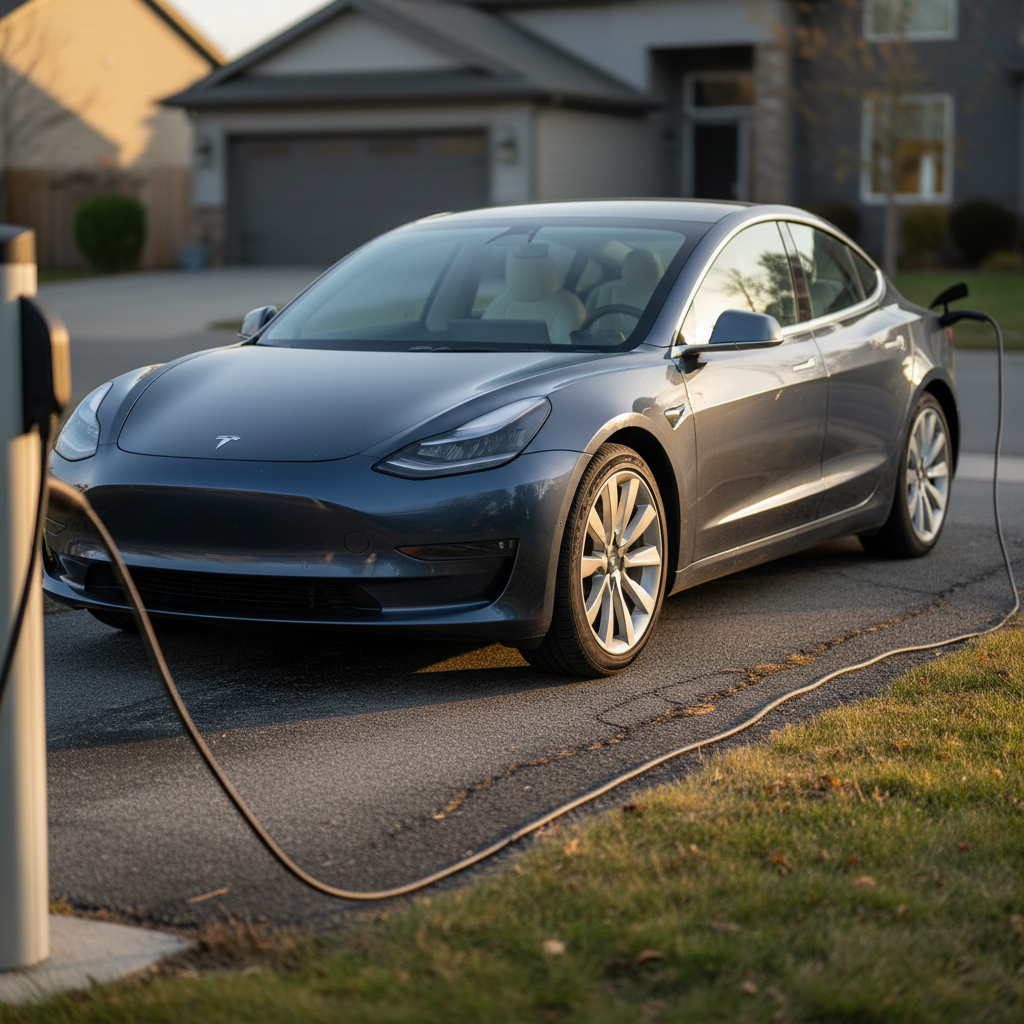
Using a public Tesla Supercharger with a non‑Tesla EV isn’t as simple as just plugging in, at least not yet. There are a few moving pieces: connector type, compatible locations, and billing through the Tesla app or your automaker’s system.
Checklist: Using a Public Tesla Supercharger With a Non‑Tesla EV
1. Confirm connector and adapter
Check whether your EV has a native NACS port or uses CCS. If it’s CCS, confirm whether your brand supplies a NACS adapter or you need to purchase one. Without this piece, a Tesla site is just a parking lot.
2. Verify the site supports non‑Teslas
In the Tesla app or on your automaker’s map, make sure the specific Supercharger location is flagged as available for non‑Tesla vehicles before you drive out of your way.
3. Check power levels
Not all Superchargers deliver the same speed. Pair the site’s power rating (for example 150 kW vs 250 kW) with your car’s maximum DC rate so you have realistic expectations about how fast you’ll charge.
4. Plan for cable reach
Most Supercharger stalls are laid out for Tesla port locations. With some non‑Tesla EVs you may need to back in awkwardly or choose a specific stall so the cable reaches your charge port safely.
5. Set up billing
Create or update your Tesla account and set a payment method, or confirm that your automaker’s app can handle the billing handshake for Tesla sites. You don’t want to troubleshoot payment on 3% battery.
6. Have a fallback
Because access is still evolving, always have a backup DC fast charger (CCS or NACS) mapped out, especially on winter road trips or in rural areas.
Watch out for congestion and idle fees
Tesla Public Robotaxi Service in 2025
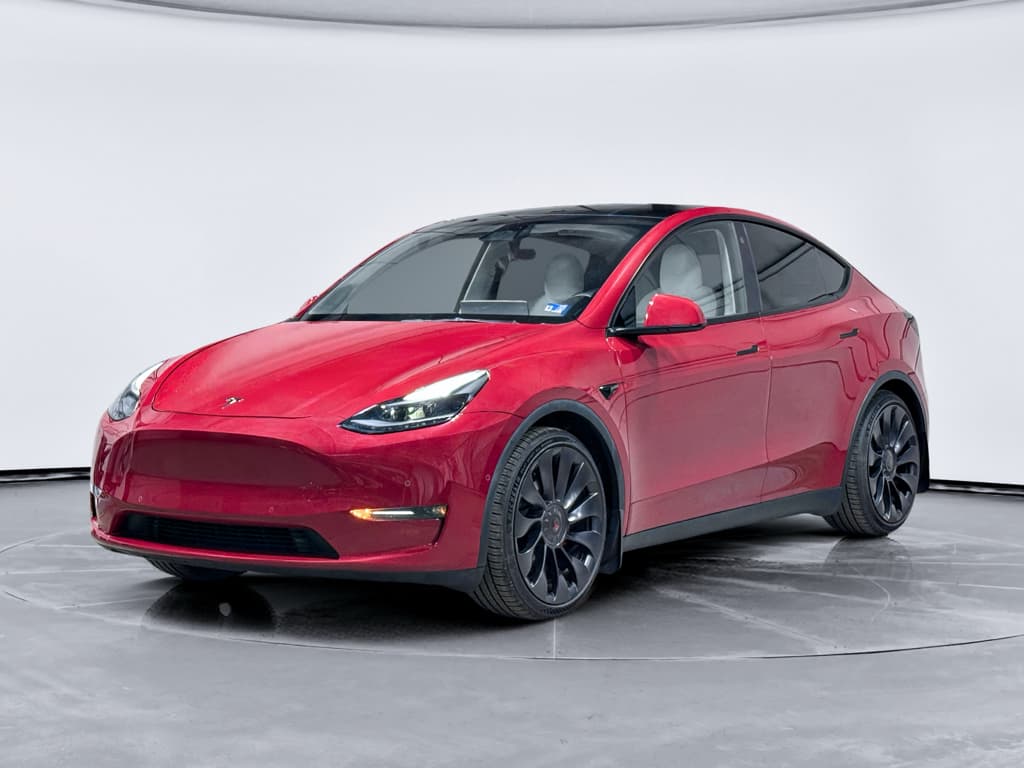
The newest meaning of “Tesla public” is Tesla’s robotaxi experiment, autonomous ride‑hailing using Tesla vehicles on public roads. After years of promises, Tesla launched a limited Tesla Robotaxi service in Austin, Texas on June 22, 2025, with a small fleet of Model Y vehicles operating in a geofenced area and monitored by a Tesla employee in the front passenger seat.
What Robotaxis Mean Today
- Limited availability: Invite‑only riders in South Austin, specific hours, and a small number of vehicles.
- Safety monitor on board: A Tesla employee rides in the front passenger seat and can intervene if needed.
- Promotional pricing: Early riders see flat, below‑market fares meant to spur interest more than profit.
What They Could Mean Tomorrow
- More cities: Tesla has announced ambitions to expand to a dozen U.S. cities, subject to regulators.
- Fleet vs. ownership: In theory, owners could add their own cars to a shared robotaxi network to earn income.
- Changing ownership math: If robotaxis become common, some drivers may delay buying a second car or downsize vehicles.
Robotaxis are interesting, not a buying foundation, yet
Public Perception, Protests, and Brand Risk
There’s one more dimension to “Tesla public” that rarely gets mentioned in spec sheets: public perception. In 2025, Tesla has become a cultural lightning rod. Supporters see it as the company that made EVs mainstream; critics are increasingly vocal about its CEO’s political involvement and labor controversies, sometimes organizing protests and boycotts.
Three Ways Public Perception Can Affect Your Ownership
It’s not just internet drama, some of it can touch your wallet
1. Resale and demand
Brand popularity influences how quickly a used Tesla sells and at what price. Negative headlines can temporarily soften demand, and open doors for value‑focused buyers.
2. Service and support
Under pressure, public companies tend to invest more in customer support, software fixes, and warranty responses. Scrutiny can be uncomfortable for Tesla but beneficial for you.
3. Policy and incentives
Government EV incentives and access to public funding for charging can hinge on how policymakers view Tesla’s behavior. Those programs shape where and how quickly infrastructure grows.
Separate the product from the noise
Buying a Used Tesla or Non‑Tesla EV: What to Watch
Whether you’re eyeing a used Model 3 or a non‑Tesla EV that can tap into Tesla’s public charging network, you’re making a long‑term bet on battery health, charging access, and software support, not on tomorrow’s TSLA closing price.
Used Tesla vs. Used Non‑Tesla EV: How “Public” Factors Compare
Focus on the public‑facing realities that matter over the life of the car.
| Factor | Used Tesla | Used Non‑Tesla EV |
|---|---|---|
| Battery health visibility | Good: in‑car tools plus third‑party diagnostics | Mixed: depends on brand; independent tests matter more |
| Access to public fast charging | Excellent at Superchargers; growing third‑party options | Improving access to Superchargers via NACS, strong CCS today |
| Software & updates | Frequent OTA updates, sometimes dramatic changes | Varies by automaker; some update slowly or only for a few years |
| Brand volatility | Higher media visibility, swings in sentiment | Less spotlight, often more stable perception |
| Resale value history | Historically strong, though more sensitive to news | Depends heavily on brand, warranty, and charging access |
Both used Teslas and non‑Tesla EVs can be smart buys when you look past headlines and evaluate the fundamentals.
Where Recharged fits in
Used EV Buying Checklist for Today’s Tesla Public Landscape
1. Start with battery health, not brand
Use third‑party diagnostics or a Recharged Score report to understand real‑world battery capacity. A well‑cared‑for non‑Tesla can be a better buy than a hard‑driven Tesla with more degradation.
2. Map your charging life
Think about where you’ll charge: home, workplace, public DC. If Supercharger access is crucial, prioritize NACS‑equipped vehicles or those with confirmed adapters and supported Tesla sites nearby.
3. Check software and feature support
Confirm how long your EV will continue receiving over‑the‑air updates and whether key features (like DC fast‑charge preconditioning or driver‑assist systems) are still being actively improved.
4. Look past short‑term headlines
A noisy news cycle can temporarily lower prices on used Teslas or their competitors. If the underlying car checks out, that headline risk can work in your favor.
5. Consider your comfort with the brand
Some households want nothing to do with Tesla; others are unfazed by controversy. Either stance is valid; just be intentional about the message your car sends, especially if it’s wrapped in a company logo.
6. Use expert guidance
Working with an EV‑focused retailer like Recharged gives you access to specialists who live and breathe battery health, warranty coverage, and charging realities, not just monthly payments.
FAQ: Tesla Public Company, Charging, and Robotaxis
Frequently Asked Questions About “Tesla Public”
Bottom Line: How “Tesla Public” Affects Your EV Plans
When you strip away the headlines, “Tesla public” boils down to three realities: Tesla is a public company whose fortunes rise and fall in the markets, its charging network is becoming more public for non‑Tesla drivers, and it’s testing public robotaxi services that may or may not change how we think about car ownership down the road.
For you, the shopper or owner, the smart move is to treat those developments as context, not the core of your decision. Focus on the fundamentals: battery health, charging options where you actually live and drive, warranty coverage, and how comfortable you are with the brand’s public profile. If those boxes are checked, whether you drive a Tesla or a competing EV, you’re positioned to enjoy the benefits of a rapidly maturing public EV ecosystem.
And if you’d like a second set of eyes, Recharged can help you compare used Teslas and non‑Tesla EVs side by side, with verified battery diagnostics and expert guidance from first click to delivery. In a world where everything Tesla does is public and loudly debated, having clear, unbiased data on the actual car you’re buying is the most valuable asset of all.