If you’re hunting for a small used electric SUV that doesn’t feel like a compromise, the 2020 Hyundai Kona Electric deserves a close look. It offers one of the longest real-world ranges in its class, a mature feature set, and relatively modest pricing on the used market, making it a standout for commuters and first-time EV buyers alike.
At-a-glance verdict
2020 Hyundai Kona Electric overview
Hyundai launched the Kona Electric in the U.S. as one of the first mass-market small electric SUVs with genuine long-distance capability. By 2020, the formula was refined: a 64 kWh battery, a single front-mounted motor with peppy performance, and an EPA-rated 258 miles of range, numbers that still hold up several model years later.
2020 Hyundai Kona Electric headline numbers
Underneath, the 2020 Kona Electric shares its platform with the gasoline Kona, but the battery is mounted low in the floor. That packaging helps handling and frees up a cabin that feels more like a well-equipped compact crossover than an economy car with a battery swap.
Model-year nuance
Key specs: range, battery and charging
Range and charging are where the 2020 Hyundai Kona Electric stands out among used EVs. With a usable battery around 64 kWh and excellent efficiency, it punches above its weight for road trips and long commutes.
2020 Hyundai Kona Electric core specs
Key technical specs for the long-range 64 kWh U.S. model.
| Category | Spec |
|---|---|
| Battery (usable) | ~64 kWh lithium-ion |
| EPA combined range | 258 miles |
| EPA efficiency | 120 MPGe (27 kWh/100 mi) |
| Motor / drive | 201 hp FWD, single motor |
| 0–60 mph (approx.) | ~7.5 seconds |
| AC charging | Up to 7.2 kW (Level 2) |
| DC fast-charging | Up to ~77 kW peak (CCS) |
| Onboard charger | 7.2 kW (approx. 9 hours on 240V for full charge) |
Specifications can vary slightly by market and trim; always confirm on the specific vehicle you’re considering.
In everyday use, many owners report 4.0–4.3 miles per kWh in mixed driving. That translates to roughly 230–270 miles on a full charge depending on weather, speed, wheel size and driving style, very competitive for a small crossover that’s now several years old.
Home & workplace charging
- Level 2 (240V) at 32A–40A is the sweet spot, adding roughly 25–30 miles of range per hour.
- A full charge from near empty takes about 9 hours on a typical 7.2 kW home charger.
- Level 1 (120V) is technically possible, but too slow for most daily drivers.
Public DC fast-charging
- On CCS DC fast chargers, the Kona Electric peaks around 70–77 kW.
- Expect 10–80% in about 45–60 minutes when conditions are ideal.
- That’s fine for coffee-and-restroom stops, but slower than newer 150–250 kW EVs.
Charging-speed reality check
Driving experience and performance
On the road, the 2020 Kona Electric feels more lively than its specs suggest. With instant torque and a relatively light footprint compared with larger SUVs, it springs away from stoplights and has enough power to merge confidently onto the freeway.
How the 2020 Kona Electric feels from behind the wheel
Light, quick and planted, within the limits of a small front-drive crossover.
Punchy around town
Comfortable at highway speeds
Tidy handling
Regenerative braking is adjustable through steering-wheel paddles, from a gentle coast to strong deceleration that approaches one-pedal driving. Once you’ve customized it to your liking, the Kona feels intuitive and easy to drive smoothly.
Dial in regen for your commute
Interior, space and in-car tech
Inside, the 2020 Kona Electric largely mirrors the gas Kona, but with an elevated center console and EV-specific displays. Materials are solid for the class, more practical than plush, but build quality is generally good and the cabin feels modern rather than cheap.
- Front seats: Supportive and comfortable even for longer drives, with a relatively upright SUV-like seating position and good visibility.
- Rear seats: Adequate for kids and average-height adults on shorter trips, but taller passengers will find legroom tight compared with larger EV crossovers.
- Cargo room: About what you’d expect from a subcompact SUV, fine for groceries, strollers and weekend bags, but some rivals offer more space and a larger hatch opening.
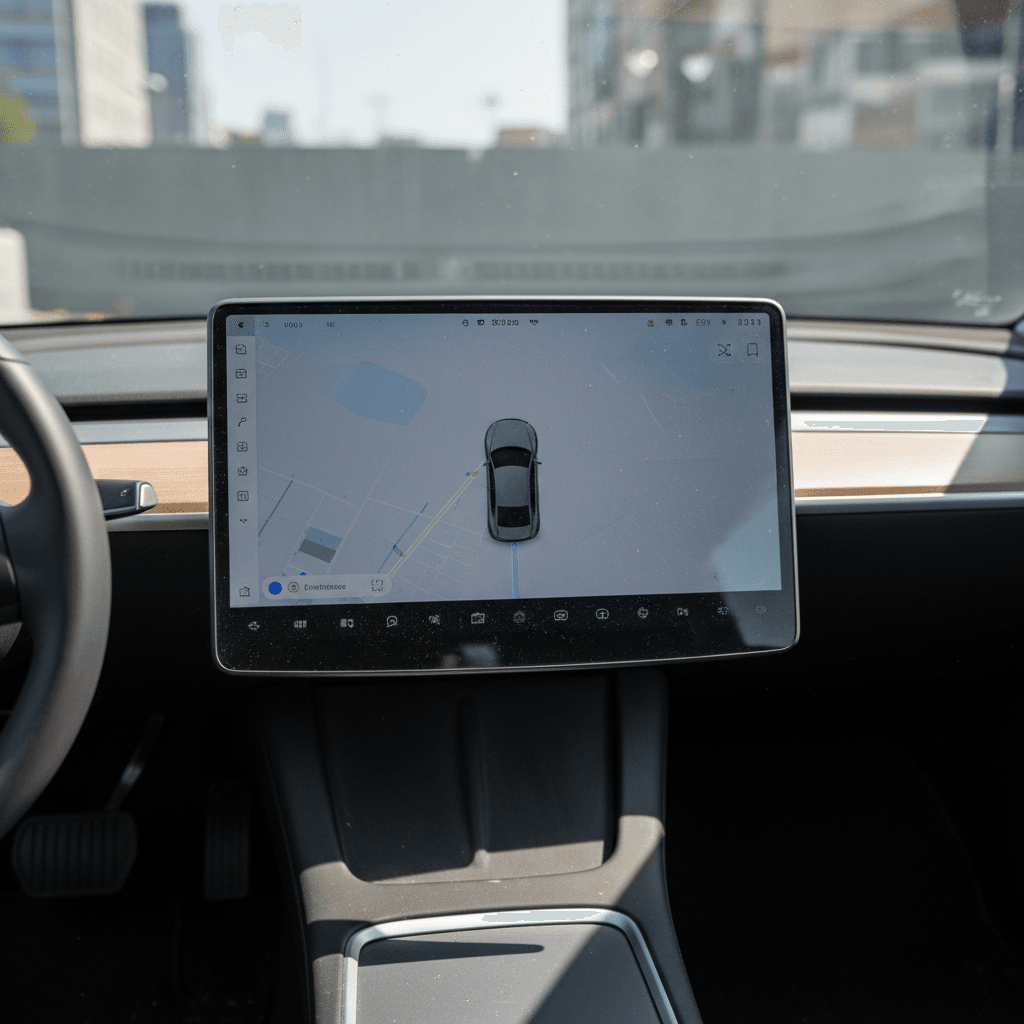
- Infotainment: 7- or 8-inch touchscreen (depending on trim) with Apple CarPlay and Android Auto, physical knobs for climate and volume, and straightforward menus.
- EV-specific info: Energy flow, driving efficiency, range estimates and charge scheduling are integrated into the main display. It’s not flashy, but it’s easy to use.
Trim and feature highlights
Efficiency and running costs
Efficiency is the Kona Electric’s ace. The 2020 model is EPA-rated at about 120 MPGe combined, with official consumption of roughly 27 kWh/100 miles. In independent testing, the Kona has ranked among the most energy-efficient EVs on the road, with reviewers easily achieving over 4 miles per kWh in mixed driving.
What efficiency means for your wallet
If you can charge primarily at home on a reasonable electric rate, the Kona Electric is inexpensive to run. There’s no engine oil to change, fewer moving parts, and brakes that typically last longer thanks to regenerative braking. Tires, cabin filters and brake fluid become the main recurring maintenance items.
Maximize your savings
Reliability, battery health and known issues
Broadly, the 2020 Kona Electric has a reputation for solid reliability, but there are some points you should understand, especially around the high-voltage battery and software updates, before you buy used.
What to know about 2020 Kona Electric reliability
Most owners report uneventful ownership, but history and software matter.
Battery warranty coverage
Recalls & software updates
Battery degradation on well-maintained Kona Electrics tends to be modest, many owners report only small range losses after several years. However, usage patterns matter. Frequent DC fast-charging, regularly charging to 100% and long periods of parking at very high or low states of charge can accelerate wear.
Battery-health checks to make before buying used
1. Ask for a recent battery health report
Some sellers can provide a diagnostic printout or app screenshot showing state of health (SoH) and recent charging history. At Recharged, every vehicle comes with a <strong>Recharged Score battery health report</strong> so you can see how the pack has aged.
2. Review charging habits
If the previous owner mostly L2-charged at home and rarely fast-charged to 100%, that’s ideal. Heavy DC fast-charging isn’t a deal-breaker, but it’s useful context when comparing similar cars.
3. Check for recall completion
Ask the seller, or a Hyundai dealer, to verify that all <strong>battery and software recalls</strong> and service campaigns are closed. This is especially important for earlier Kona EVs.
4. Test real-world range
On a test drive, start with a known state of charge and see whether the projected range seems in line with reviews and owner reports. A significantly low estimate could indicate battery health or calibration issues.
Don’t ignore warning lights
Safety ratings and driver-assistance tech
The Kona lineup has tested well for crash safety, and the 2020 Kona Electric benefits from the same underlying structure. It offers modern airbags, a strong body shell and a wide suite of available driver-assistance systems grouped under Hyundai’s SmartSense branding.
- Available automatic emergency braking with pedestrian detection on many trims.
- Lane keeping assist and lane departure warning to help keep you centered on the highway.
- Adaptive cruise control on higher trims, easing long commutes.
- Blind-spot monitoring and rear cross-traffic alert on many models, particularly useful in busy urban driving.
- Standard rearview camera and available parking sensors for low-speed maneuvering.
Safety perspective for used buyers
Used 2020 Kona Electric pricing and value
On the used market, the 2020 Hyundai Kona Electric tends to undercut newer long-range EV crossovers while still delivering competitive range. Pricing varies significantly by mileage, trim, region and battery health, but it often sits in a sweet spot for shoppers who want modern tech plus long range without stretching for a brand-new EV.
Why it’s a strong value
- Long range for the money: Around 250 real-world miles beats many similarly priced used EVs.
- Low operating costs: Excellent efficiency and simple maintenance keep ownership costs down.
- Mature tech: You get smartphone integration, useful safety tech and a proven drivetrain.
Where you’re compromising
- Space: Rear-seat and cargo room trail larger crossovers like the Ioniq 5 or VW ID.4.
- Charging speed: DC fast-charging is slower than newer 150–350 kW EVs.
- Features vs. newer rivals: Screen size and interface feel older next to the latest EV dashboards.
Leverage marketplace tools
How the 2020 Kona Electric compares to rivals
The 2020 Kona Electric competes most directly with small EV hatchbacks and crossovers like the Chevrolet Bolt EV, Nissan Leaf Plus and Kia Niro EV. Each has strengths, but the Kona’s combination of range and efficiency is hard to ignore.
2020 Kona Electric vs popular used EV alternatives
High-level comparison of similar used EVs shoppers often cross-shop with the 2020 Kona Electric.
| Model | Approx. usable battery | EPA range (approx.) | DC fast-charging peak | Notable strengths |
|---|---|---|---|---|
| Hyundai Kona Electric (2020) | ~64 kWh | 258 mi | ~77 kW | Excellent efficiency and range in a small footprint |
| Chevrolet Bolt EV (2020) | ~60 kWh | 259 mi | ~55 kW | Similar range, more hatchback-like packaging |
| Kia Niro EV (2020) | ~64 kWh | 239 mi | ~77 kW | More rear-seat and cargo space, slightly lower range |
| Nissan Leaf Plus (62 kWh) | ~62 kWh | 215–226 mi | 50–100 kW (varies) | Often cheaper, but shorter range and CHAdeMO fast-charging connector |
Exact specs and availability vary by model year and trim; always verify details for the specific vehicle you’re considering.
Which one is right for you?
What to check before you buy a used Kona Electric
Because EVs age differently than gas vehicles, a smart pre-purchase checklist for a 2020 Kona Electric puts extra emphasis on the battery, charging hardware and software history.
Pre-purchase checklist for a 2020 Hyundai Kona Electric
Confirm battery warranty and recall status
Ask for documentation of any <strong>battery or high-voltage system recalls</strong> and confirm remaining warranty coverage. A Hyundai dealer can run the VIN, and marketplaces like Recharged surface this information upfront.
Inspect the charging port and cable
Check for corrosion, bent pins or damage on the CCS/Type 1 port. If the car includes an OEM portable EVSE or home cable, inspect its plug and cable jacket as well.
Verify charging behavior
Test both Level 2 and (if possible) DC fast-charging. The car should start charging promptly, sustain reasonable power and not throw persistent errors or warning messages.
Scan for software updates
Confirm that infotainment, battery management and safety system software are up to date. This can improve range predictions, charging behavior and driver-assistance performance.
Look for uneven tire wear
Uneven wear can signal alignment issues or hard use. On an EV, it may also hint at aggressive driving that could have stressed the battery and brakes.
Get a professional EV inspection
If you’re buying privately, consider a pre-purchase inspection from an EV-experienced shop. Buying through Recharged gives you expert diagnostics and a <strong>Recharged Score</strong> so you understand the vehicle’s condition from day one.
2020 Hyundai Kona Electric FAQ
Frequently asked questions about the 2020 Kona Electric
Bottom line: Is the 2020 Kona Electric a good used buy?
For many shoppers, the answer is yes. The 2020 Hyundai Kona Electric delivers range that still rivals new EVs, everyday practicality in a compact footprint, and low running costs that make long commutes far less painful on your wallet. Its weaknesses, tighter rear quarters, smaller cargo area and modest DC fast-charging speeds, are real but manageable if they fit your lifestyle.
If you’re considering a used Kona Electric, focus on battery health, recall completion and charging behavior. Buying through a platform like Recharged gives you an objective Recharged Score battery report, transparent pricing and EV-specialist support from first click to delivery. For the right driver, a well-vetted 2020 Kona Electric can be one of the smartest, most efficient used EV buys on the market today.