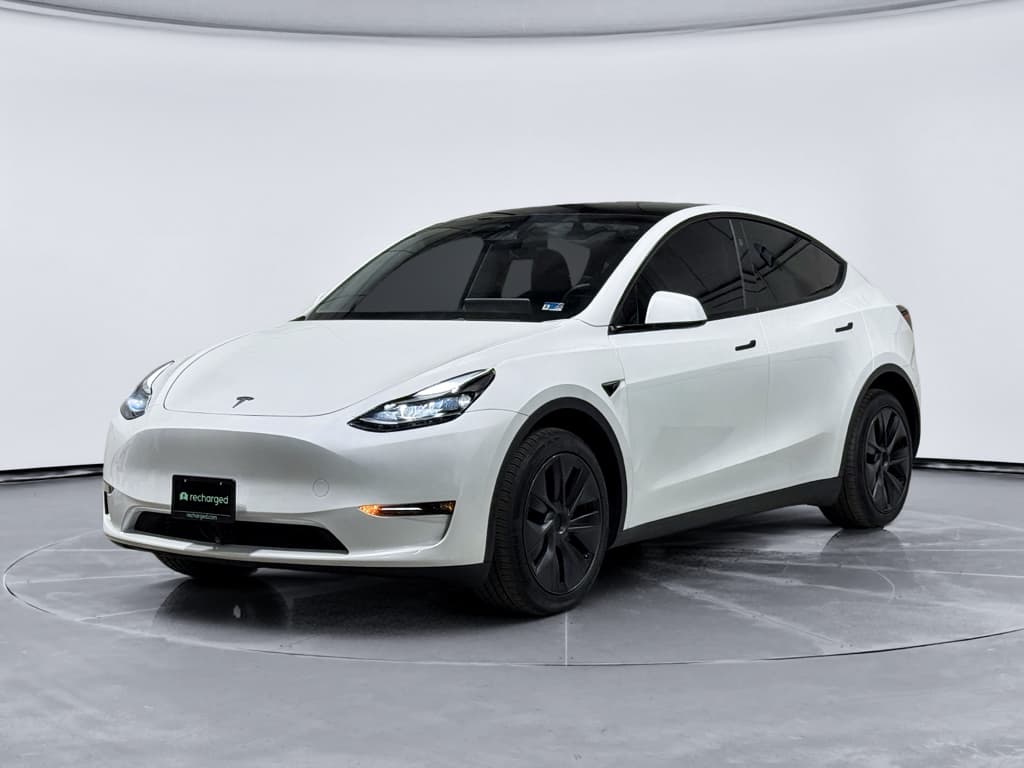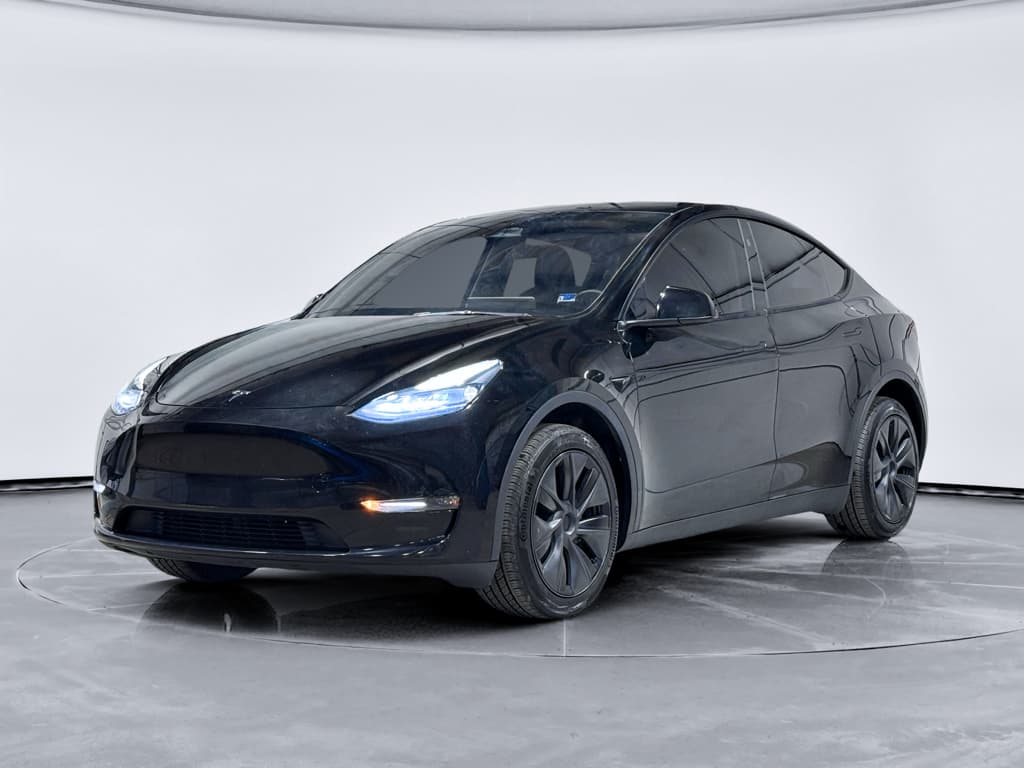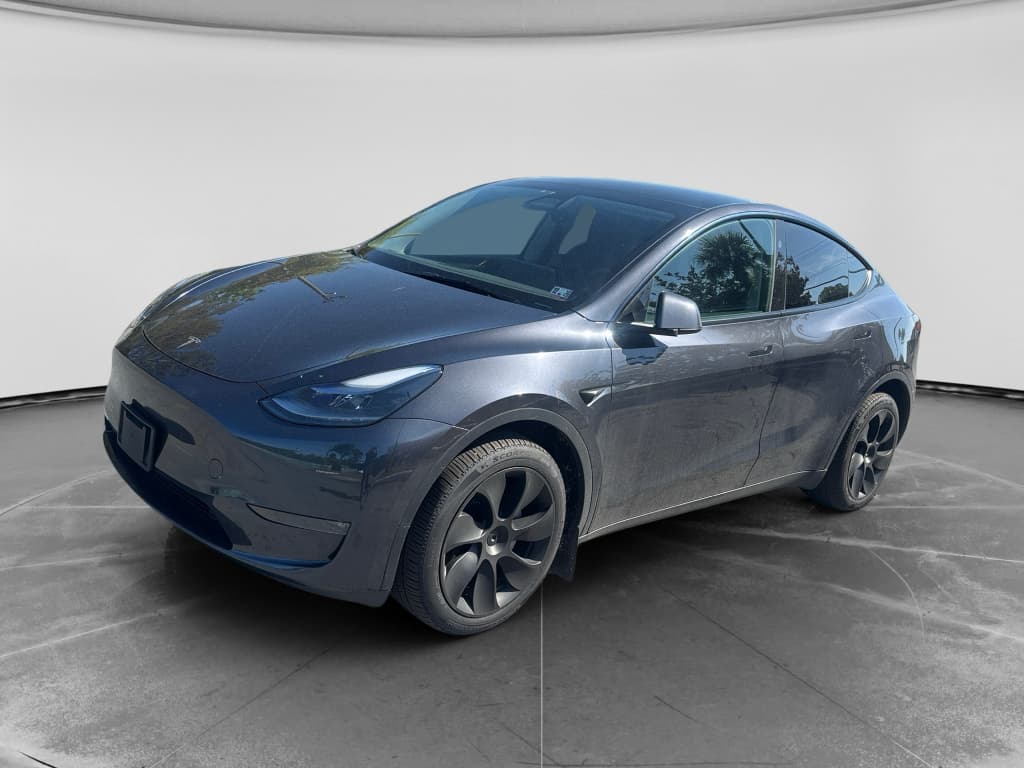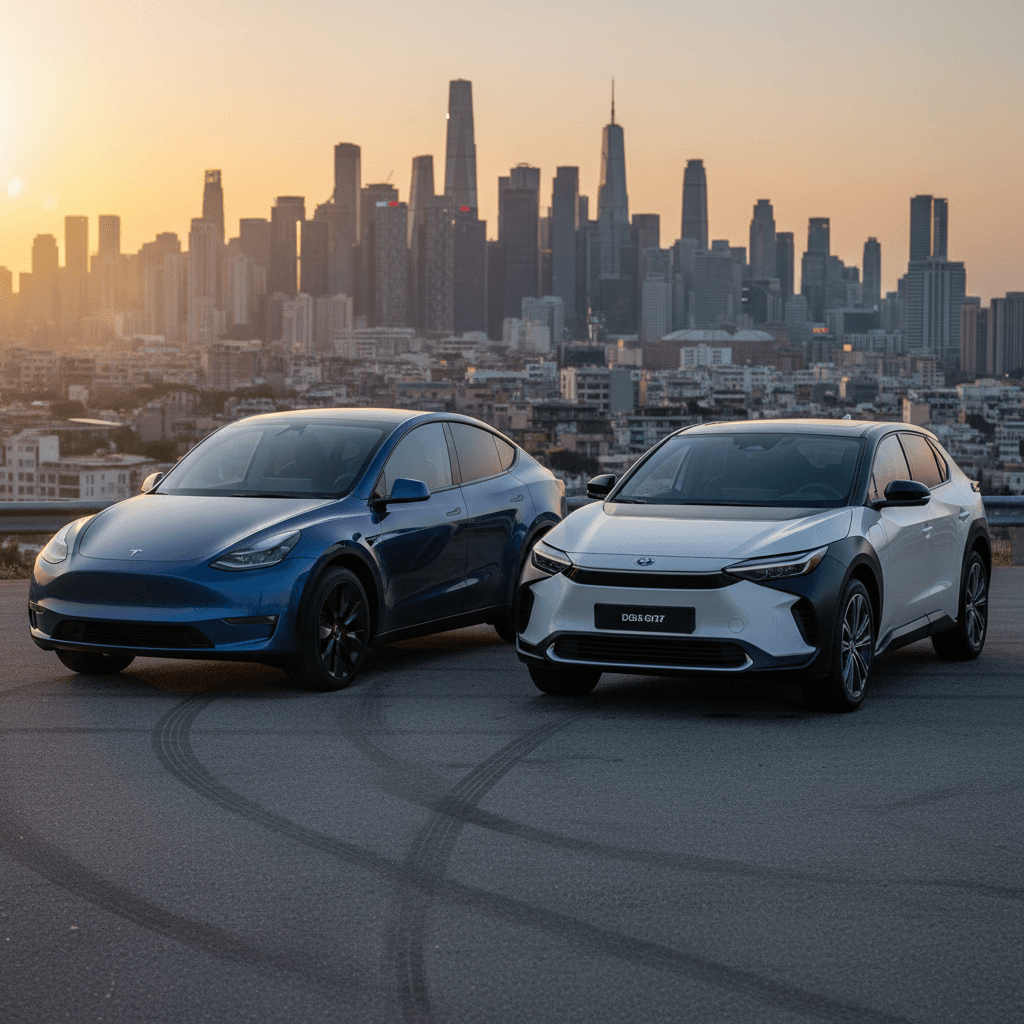
If you’re cross‑shopping the Tesla Model Y vs Toyota bZ4X and wondering which is better, you’re not alone. These two compact electric SUVs target the same buyer on paper, but they take very different paths: Tesla leans hard into software, range and charging speed, while Toyota counters with comfort, brand reputation and a more traditional SUV feel. This guide breaks down the trade‑offs so you can decide which one actually fits your life.
Shorthand note
Model Y vs bZ4X: Quick Overview
High-Level Take: Strengths at a Glance
Both are compact electric SUVs, but they solve different problems.
Where the Tesla Model Y Shines
- Longer range and better efficiency for road trips.
- Access to Tesla’s massive Supercharger network with native NACS plug.
- More power and quicker acceleration across trims.
- Minimalist cabin with slick software and frequent updates.
- Huge sales base and very liquid used‑EV market.
Where the Toyota bZ4X Shines
- Smoother, quieter ride that feels more like a traditional crossover.
- Conservative ergonomics with physical buttons for core functions.
- Toyota reputation for long‑term durability and simple ownership.
- Often strong discounts and lease incentives versus Tesla.
- Projected to hold value slightly better as a percentage of MSRP.
Bottom line up front
Key Specs: Tesla Model Y vs Toyota bZ4X
Core Specs Comparison (Typical U.S. 2024–2025 Models)
Approximate specs for mainstream trims most shoppers cross‑shop. Exact numbers vary by model year and configuration.
| Tesla Model Y (Long Range / base AWD) | Toyota bZ4X (FWD) | Toyota bZ4X (AWD) | |
|---|---|---|---|
| EPA range (mi) | ~300–310 mi | Up to ~252 mi | ~222–228 mi |
| 0–60 mph (approx.) | 4.5–5.0 seconds | ~7.0–7.5 seconds | ~6.5–7.0 seconds |
| Battery size (usable, approx.) | 75–82 kWh | ~63–66 kWh | ~63–66 kWh |
| Drivetrain | Dual‑motor AWD | Single‑motor FWD | Dual‑motor AWD |
| Fast‑charge peak | Up to ~250 kW (Supercharger) | ~150 kW DC | ~150 kW DC |
| Seating | 5 (optional 7 in some years) | 5 | 5 |
| Cargo space (behind 2nd row, approx.) | 30+ cu ft plus frunk | ~27 cu ft | ~27 cu ft |
| Typical new MSRP window (before incentives) | Low–mid $40Ks and up depending on trim/discounts | Low–mid $40Ks | Mid–high $40Ks |
Specs focus on mainstream dual‑motor Model Y and FWD/AWD bZ4X trims commonly found new and used in the U.S.
How Shoppers Are Voting With Their Wallets
Range and Efficiency: How Far Do They Really Go?
On paper, the Tesla Model Y wins the range battle comfortably. Most recent Long Range or similar AWD trims sit around the 300‑mile mark on the EPA cycle, depending on wheel size and year. The Toyota bZ4X tops out in the low‑to‑mid‑250‑mile range for FWD versions, and low‑220s for AWD. That’s a meaningful gap on a road trip, and you also see it in how often you plan bigger charging stops.
- In mixed real‑world driving, expect many Model Y drivers to see roughly 260–290 miles per full charge under reasonable conditions.
- bZ4X owners commonly report real‑world results closer to ~200–230 miles, especially on AWD versions and in colder climates.
- Efficiency (miles per kWh) tends to be a bit better in the Tesla, which stretches its larger battery further.
Cold‑weather note
If your driving is mostly commuting and errands, say under 60 miles a day with home charging, the range gap matters less. Both SUVs will easily cover your daily needs. Where the Model Y’s extra buffer shines is road‑trip flexibility and winter driving, when battery capacity shrinks and energy use rises.
Charging: Superchargers vs CCS and Real-World Convenience
Charging is where ownership experiences really diverge. The Model Y uses Tesla’s NACS connector and plugs directly into the Supercharger network, which still offers some of the most reliable and dense DC fast‑charging coverage in the U.S. Many non‑Tesla networks have improved, but the Supercharger experience, plug in, walk away, billing handled automatically, remains a major Tesla advantage.
Tesla Model Y charging experience
- Supercharger native access with high power (up to ~250 kW on many sites).
- Smart routing in the Tesla app and in‑car navigation, with battery pre‑conditioning on the way to a fast charger.
- Growing access to some third‑party DC fast chargers using adapters and NACS roll‑out.
- Home charging via Wall Connector or any Level 2 J1772 unit with inexpensive adapter.
Toyota bZ4X charging experience
- Uses CCS for DC fast charging, J1772 for AC Level 2, compatible with most non‑Tesla public stations.
- Peak DC rate around 150 kW, but actual sustained speeds can be lower depending on temperature and state of charge.
- Some newer bZ4X/bZ software updates add Plug & Charge support at select networks and improve Supercharger compatibility where CCS stalls are offered.
- Home charging via Level 2 (40‑amp or so) is straightforward and similar to any other non‑Tesla EV.
Think about your charging map, not just your car
Performance, Ride Quality and Driving Feel
The Model Y and bZ4X drive very differently, and which one feels “better” depends on what you value. Tesla leans toward instant shove and a sporty feel, while Toyota focuses on comfort and familiarity.
Driving Character: Sporty vs Relaxed
Neither is a performance car in base trims, but their personalities are distinct.
Tesla Model Y
- Even non‑Performance trims are significantly quicker than the bZ4X.
- Steering is light but responsive; handling feels more like a tall hatchback than a traditional SUV.
- Ride can be firm, especially on bigger wheels and rough pavement.
- Single‑pedal driving and aggressive regen are available and well‑tuned.
Toyota bZ4X
- Acceleration is adequate but not exciting compared to the Tesla.
- Softer, more compliant ride that many owners describe as more comfortable and quiet.
- Traditional steering feel and brake tuning; less of a learning curve if you’re used to gas crossovers.
- Regen is milder; more conventional two‑pedal driving experience.
“Purely as a car, the bZ doors sound solid when you shut them compared to a Y or 3, the ride quality if you want comfort is top notch… although the Toyota app is complete trash.”
If you like a car that feels quick and a bit edgy, the Model Y will feel more exciting. If you prioritize a calm, cushioned ride and aren’t trying to win stop‑light races, the bZ4X’s comfort tuning may be more appealing, especially on broken pavement or long commutes.
Interior, Tech and Everyday Comfort
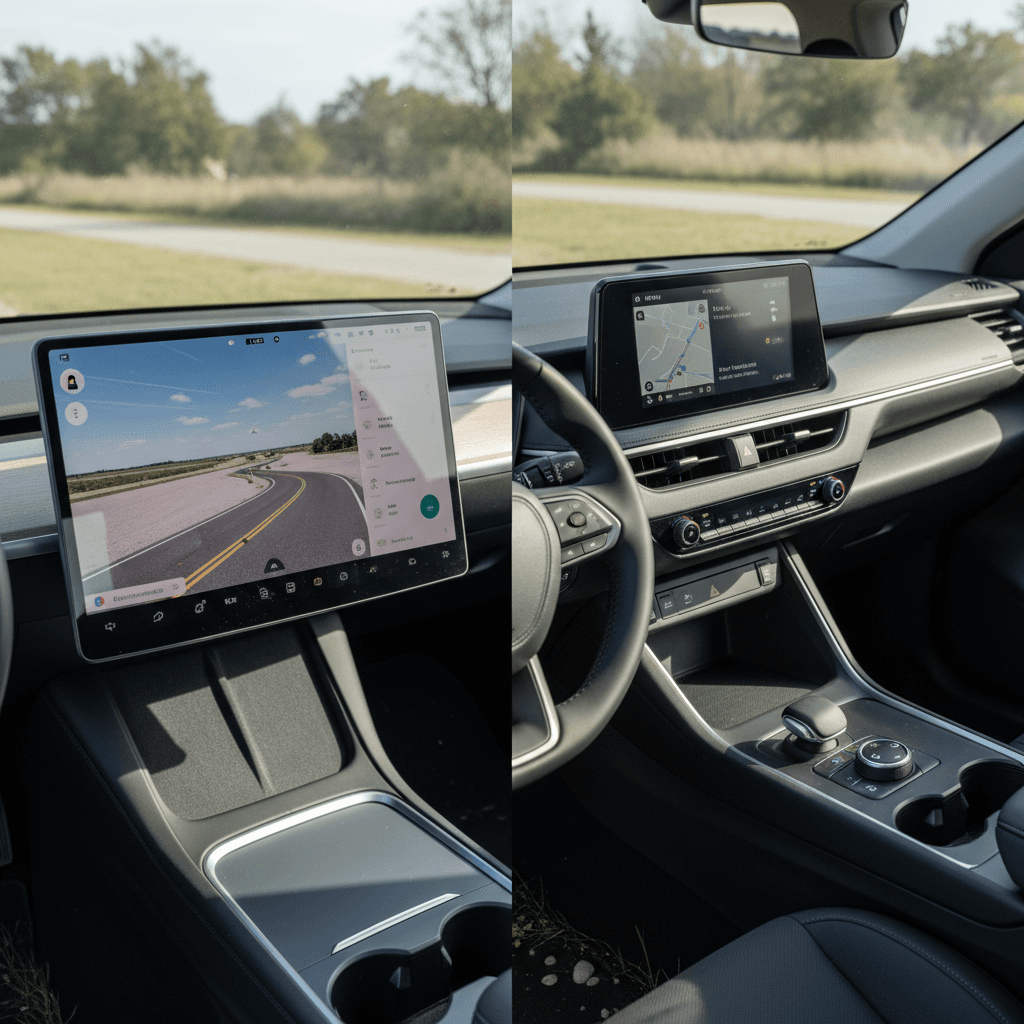
Inside, these SUVs reflect their brands’ philosophies. Tesla doubles down on minimalism and software; Toyota sticks closer to a conventional crossover layout with more physical controls and a simpler infotainment system.
Tesla Model Y cabin
- Single large center touchscreen controls almost everything; instrument cluster is on the main display, not behind the wheel.
- Very clean design with sparse buttons; great if you like a tech‑forward aesthetic.
- Excellent navigation and charging integration, strong voice control, frequent over‑the‑air updates that add features.
- Roomy back seat and generous cargo space, plus a small front trunk.
- Some owners note basic interior materials and road noise that’s louder than premium rivals.
Toyota bZ4X cabin
- More traditional layout with a dedicated gauge cluster and separate physical controls for climate and key functions.
- Seats and ride are tuned for comfort; many drivers find it quieter than the Model Y on the highway.
- Infotainment is improved versus older Toyotas but still not at Tesla’s software polish level.
- No front trunk; cargo space is competitive but slightly less flexible than the Y overall.
- Interior fit and finish feel solid, with a “normal car” vibe that some families prefer.
Apps and connectivity
Reliability, Resale Value and Total Cost of Ownership
The Model Y and bZ4X approach the ownership equation from different directions. Tesla has the more mature EV platform and charging ecosystem; Toyota brings decades of reputation for durability and low drama. When you zoom out to 5–8 years of ownership, a few themes emerge.
Ownership Trade‑offs
Depreciation, maintenance and peace of mind matter as much as range.
Depreciation & resale
Recent multi‑year projections show the bZ4X retaining slightly more of its value than the Model Y at the 5‑year mark. In percentage terms, the Toyota often loses a bit less of its MSRP, while the Tesla benefits from massive demand and fast resale, but also sees steeper price swings when Tesla cuts new‑car prices.
Maintenance & reliability
Both are EVs, so routine maintenance is relatively low. The Model Y’s track record shows some build‑quality variation and occasional service friction, though the underlying drivetrain is proving robust. The bZ4X is still early in its life cycle, but Toyota’s conservative engineering and dealer network generally inspire long‑term reliability confidence.
Incentives & discounts
Tesla frequently adjusts pricing and financing offers. Toyota dealers, on the other hand, often stack rebates, lease deals and dealer discounts on the bZ4X to move volume, especially in ZEV‑mandate states. That can make a new or nearly‑new bZ4X substantially cheaper to get into than a comparable Model Y.
Watch used pricing vs battery health
Which Is Better for You? Verdict by Use Case
There isn’t a single winner here, there’s a better fit for different drivers. Framed that way, the Tesla Model Y vs Toyota bZ4X decision becomes much clearer.
Match the SUV to Your Life
1. Road‑trip and highway‑heavy drivers
If you regularly drive long distances or rely on public fast charging, the <strong>Model Y is the stronger choice</strong>. You get more range, generally faster and more predictable DC charging, and integrated trip planning on the Supercharger network.
2. Mostly local commuting with home charging
If your driving is mostly local and you have reliable home Level 2 charging, both vehicles work well. The bZ4X’s shorter range becomes less of an issue, and you can prioritize comfort and price. In this scenario, a discounted or well‑priced used bZ4X can be a great value.
3. Tech‑forward buyers who love software
If you want OTA updates, a polished app, great navigation and an EV that feels like a rolling smartphone, the <strong>Model Y clearly delivers more</strong>. It still sets the pace for in‑car software and ecosystem integration.
4. Drivers prioritizing comfort and familiarity
If you or your household are coming from a RAV4, Highlander or similar SUV and want something that feels familiar, the <strong>bZ4X’s softer ride, physical controls and Toyota dealership support</strong> can make the transition to EVs less jarring.
5. Budget‑focused shoppers comparing deals
On a strict monthly‑payment basis, the winner often comes down to <strong>who’s writing the bigger incentive check that month</strong>. Toyota dealers frequently run strong bZ4X lease offers, while Tesla plays with financing rates and direct price cuts. Run the math, including insurance and energy costs, before deciding.
6. Resale and long‑term keepers
If you plan to keep the SUV 8–10 years, brand‑reliability reputation and battery health matter more than short‑term resale curves. Both can be sensible long‑term bets if you start with a good example and maintain it well, but Toyota’s conservative engineering will appeal to risk‑averse buyers.
Buying Used: Model Y vs bZ4X on the Secondhand Market
On the used market, the calculus shifts again. The Model Y is everywhere, which means lots of choice at many price points, but also more variation in build quality, prior usage and battery wear. The bZ4X is rarer, sometimes heavily incentivized when new, and still working through early‑generation quirks.
Used Market Pros and Cons
How these SUVs look once they’ve left the showroom.
Used Tesla Model Y
- Huge supply and strong demand make it easy to buy and easy to sell.
- Earlier model years may lack hardware and comfort updates found on later cars.
- Past Supercharger‑heavy use can accelerate battery wear; battery diagnostics are key.
- Price swings can be sharp following Tesla’s new‑car cuts, which is great if you’re buying at the right time.
Used Toyota bZ4X
- Smaller used inventory, but often generously discounted ex‑leases and low‑mile examples.
- Ride comfort and Toyota’s mainstream appeal can make it an ideal first EV for cautious buyers.
- Early‑build cars had wheel‑recall and charging‑behavior headlines; confirm recall completion and software updates.
- Projected to hold value reasonably well relative to its original MSRP.
How Recharged can help
If you’re torn between a used Model Y and a used bZ4X, start by answering two questions: How often will I road‑trip? and How sensitive am I to ride comfort and noise? Once you know those answers, you can let a Recharged specialist walk you through specific cars, battery reports and payment options, all in a fully digital buying flow with nationwide delivery.
Tesla Model Y vs Toyota bZ4X FAQ
Frequently Asked Questions: Model Y vs bZ4X
When you strip away the marketing, the Tesla Model Y vs Toyota bZ4X question isn’t about which spec sheet looks better, it’s about which SUV fits the way you actually live. The Model Y remains the default choice for range, charging and tech, while the bZ4X quietly undercuts it on comfort and often on price. If you’re ready to see how those trade‑offs look on real used inventory, Recharged can show you battery‑health‑verified Model Ys and bZ4Xs side by side, complete with fair‑market pricing, financing options and nationwide delivery so you can go electric on your terms.