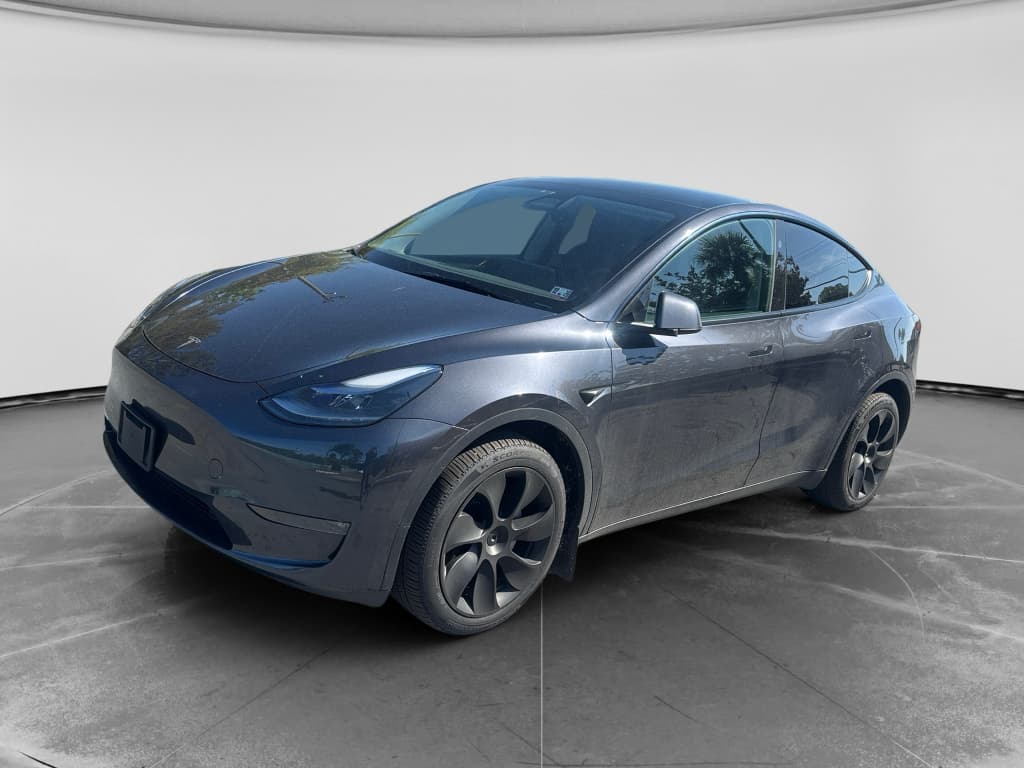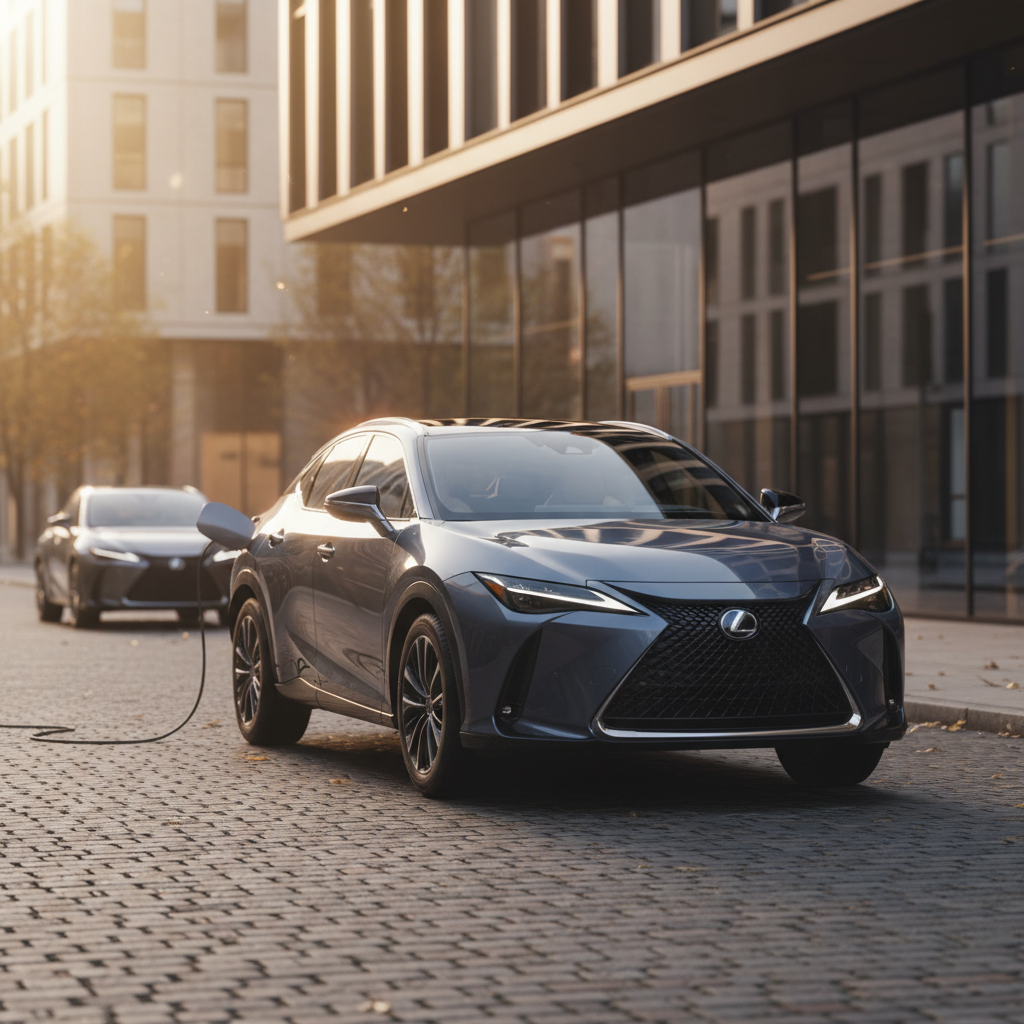
You don’t buy a Tesla Model Y just to save money, but the total cost vs a comparable gas SUV can be surprisingly lopsided. When you step back from the sticker price and look at five years of fuel, maintenance, insurance, and resale value, the Tesla Model Y’s total cost vs a gas car equivalent often tilts in the EV’s favor, especially if you drive more than the average American.
At-a-glance takeaway
Why compare the Tesla Model Y to a gas SUV?
The Model Y is America’s best‑selling EV and competes directly with mainstream compact crossovers like the Toyota RAV4, Honda CR‑V, Hyundai Tucson, and Subaru Forester. Shoppers cross‑shop it with everything from a RAV4 Hybrid to a BMW X3. If you’re debating a Model Y vs a gas SUV, you’re likely asking a simple question: will this EV actually cost me less to own?
- Both are 2‑row compact SUVs with similar interior space.
- They’re popular family and commuter vehicles, not niche toys.
- Both can be bought new or used, financed, and driven daily.
- Each has all‑wheel‑drive options, modern safety tech, and road‑trip capability.
To keep things honest, we’ll compare a typical all‑wheel‑drive Tesla Model Y Long Range to a well‑equipped gas compact SUV with similar space and performance, think Toyota RAV4 or Honda CR‑V with AWD and a mid‑trim package.
Key assumptions behind this cost comparison
There’s no single “right” answer to EV vs gas costs, because electricity, gas, and insurance all vary by ZIP code and driving style. So we’ll spell out realistic, middle‑of‑the‑road assumptions. You can plug in your own numbers later.
Baseline 5‑year ownership assumptions
These assumptions create a fair, apples‑to‑apples comparison between a Model Y and a similar gas SUV.
| Factor | Tesla Model Y | Gas compact SUV |
|---|---|---|
| Purchase scenario | 2025–2026 Model Y Long Range AWD, new or nearly new | 2025 gas compact SUV (RAV4/CR‑V class), similarly equipped |
| Miles driven | 12,000 per year (60,000 over 5 years) | 12,000 per year (60,000 over 5 years) |
| Gas price | $3.40/gal national 2024–25 average, rounded to $3.50 | $3.50/gal |
| Electricity price | $0.15/kWh blended home average | N/A |
| Model Y efficiency | ~28 kWh/100 miles (around 250–260 Wh/mi) | N/A |
| Gas SUV efficiency | N/A | 30 mpg combined |
| Ownership period | 5 years | 5 years |
You can adjust any of these inputs to better match your own situation.
Real‑world costs can swing widely
Purchase price, incentives, and financing
New EVs usually start out pricier than gas counterparts, but tax credits and stronger resale value narrow the gap. The Model Y is no exception.
Tesla Model Y Long Range (new)
- As of early 2026, well‑equipped Model Y Long Range AWD typically lands in the low‑to‑mid $40,000s before incentives.
- Many buyers qualify for a federal clean vehicle tax credit of up to several thousand dollars, plus potential state/local rebates.
- Tesla’s frequent price adjustments and inventory discounts can move this number a few thousand dollars either way.
Comparable gas compact SUV (new)
- A nicely equipped AWD compact SUV (RAV4 XLE, CR‑V EX, etc.) often ends up in the mid‑$30,000s to low‑$40,000s after options and destination.
- Gas SUVs rarely receive the same level of purchase incentives as EVs, outside of dealer cash or low APRs.
- Sticker price can be similar to the Model Y, but incentives and resale value behave differently.
Financing? Focus on monthly total, not just payment
Fuel vs electricity: what you pay per mile
This is where the Tesla quietly earns its keep. You feel fuel costs every week, and they compound over time. Let’s translate gas and electrons into dollars per mile using our national‑average numbers.
Energy cost per 100 miles: Model Y vs gas SUV
Run that out over 60,000 miles:
- Tesla Model Y electricity: 60,000 miles × $0.042/mi ≈ $2,520 (mostly home charging).
- Gas SUV fuel: 60,000 miles × $0.117/mi ≈ $7,020.
- Estimated savings: About $4,500 in energy alone over five years.
What if you rely on public fast charging?
Maintenance, repairs, and tires
Teslas still need maintenance, but there’s no engine oil, timing belts, spark plugs, or transmission fluid to worry about. Over five years, that simplicity shows up in your budget.
Typical 5‑year maintenance picture
Exact numbers vary, but the pattern is clear: fewer moving parts, fewer routine services.
Tesla Model Y
- No oil changes or tune‑ups.
- Brake wear is low thanks to strong regenerative braking.
- Most routine service is limited to tire rotations, cabin air filters, brake fluid checks, and possibly a set of tires.
- Planned 5‑year maintenance often lands in the $1,000–$1,500 range for typical driving, assuming no major repairs.
Gas compact SUV
- Regular oil changes (2–3 per year), engine air filters, spark plugs, coolant and transmission services.
- More complex engine and exhaust systems increase the odds of out‑of‑warranty repairs.
- Similar tire costs to the Model Y.
- 5‑year maintenance and light repairs commonly total $2,500–$3,500, sometimes more on turbo or premium models.
Where the savings really stack up
Insurance, registration, and taxes
Insurance can be a wild card. Some insurers rate EVs higher because of repair costs; others price them similar to gas crossovers. Registration and taxes vary widely by state, with a few states adding EV‑specific registration fees while others cut sales tax for EVs.
Insurance for a Model Y
- Often slightly higher than a mainstream gas SUV due to higher vehicle value and repair complexity.
- Shopping around can narrow that gap, especially with EV‑friendly insurers.
- Expect a swing of a few hundred dollars per year vs a comparable gas SUV, in either direction, depending on your profile.
Insurance for a gas compact SUV
- Generally treated as a mainstream, low‑risk category.
- Parts and labor are widely available, which can help keep premiums moderate.
- Hybrids sometimes land between pure gas and EVs in premium cost.
Watch for EV registration fees
Depreciation and resale value after 5 years
Your single biggest ownership cost isn’t fuel or maintenance, it’s depreciation: the difference between what you paid and what you sell the car for later. EV resale values have moved around as prices have dropped and incentives changed, but the Model Y has remained one of the stronger performers among EVs.
5‑year value retention: ballpark comparison
Exact percentages depend on purchase price, mileage, and market conditions, but here’s a reasonable mid‑2020s snapshot.
Tesla Model Y
- After 5 years/60,000 miles, many Model Ys are projected to retain around 45–55% of original MSRP.
- Strong brand demand and OTA software updates help keep them desirable in the used market.
- Battery health is a key resale driver, this is where a verified battery report (like Recharged’s Score) can protect your value.
Gas compact SUV
- Well‑liked gas SUVs (RAV4, CR‑V, etc.) are resale rock stars, often holding 50–60% of their original value after 5 years.
- Because many start cheaper, the dollar depreciation can still be similar to a Model Y bought at a discount or with incentives.
- Fuel economy, brand reputation, and options all move the needle.
If both vehicles lose roughly half their value over five years, the depreciation cost on a $42,000 Model Y and a $38,000 gas SUV ends up in the same neighborhood: roughly $18,000–$22,000. The real swing comes from energy and maintenance.
5‑year total cost of ownership: side‑by‑side summary
Let’s stitch everything together. These are ballpark estimates, not a binding quote, but they line up with what many owners actually see in their budgets.
Estimated 5‑year cost: Model Y vs gas SUV (60,000 miles)
Depreciation dominates, but operating costs are where the EV shines.
| Cost Category | Tesla Model Y | Gas compact SUV |
|---|---|---|
| Depreciation | $20,000 | $19,000 |
| Energy (fuel/electricity) | $2,500 | $7,000 |
| Maintenance & minor repairs | $1,500 | $3,000 |
| Insurance (5‑year total) | $7,500 (slightly higher) | $7,000 |
| Registration & fees | $1,250 (with some EV fees) | $1,000 |
| Estimated 5‑year total | ≈ $32,750 | ≈ $37,000 |
Assumes mostly home charging for the Model Y and $3.50/gal gas for the SUV.
What that difference really means
Higher miles? The EV pull‑ahead grows fast

How the math changes if you buy a used Model Y
On the used market, the Model Y’s story can get even better. Because the first owner eats the steepest depreciation, a carefully chosen used Model Y lets you capture EV‑level fuel and maintenance savings without paying new‑car prices.
Key levers for used‑Model‑Y savings
1. Let the first owner take the depreciation hit
Buying a 2–3‑year‑old Model Y often saves $10,000 or more off original MSRP, while most of the factory battery and drivetrain warranty is still intact.
2. Check verified battery health
Battery condition drives both your daily experience and future resale. A <strong>Recharged Score</strong> battery report gives you a third‑party read on pack health and real‑world range, so you’re not guessing from dash bars and anecdotes.
3. Compare total cost vs new gas SUV
In many cases, a used Model Y and a brand‑new gas SUV will have similar purchase prices. If you line them up on fuel, maintenance, and depreciation from that point forward, the used EV often wins handily.
4. Consider extended ownership
If you plan to keep the car 7–10 years, the Model Y’s low running costs and lack of engine‑related wear become even more important than year‑to‑year market swings.
Where Recharged fits in
Ready to find your next EV?
Browse VehiclesWhen a gas SUV can still make more sense
EVs aren’t the right answer for every driveway. There are very real cases where a traditional gas SUV, or at least a hybrid, still makes financial or practical sense.
Scenarios where gas may win on total cost
These are about your life, not just the car.
No home charging
Extreme rural driving
Rock‑bottom gas SUV deal
Don’t force an EV if it doesn’t fit your life
How to run the numbers for your own situation
The averages we’ve used here get you in the ballpark, but your real cost depends on your commute, electricity rate, and local gas prices. You can get surprisingly close with a few back‑of‑the‑envelope calculations.
Build your own Model Y vs gas SUV cost comparison
Step 1: Gather your data
Grab last year’s mileage from your current car or estimate annual miles.
Look up your <strong>local electricity rate</strong> (cents per kWh) on your utility bill.
Check current <strong>gas prices</strong> in your area.
Pick realistic MPG for the gas SUV you’re considering (EPA combined works fine).
Step 2: Estimate energy cost per mile
For the Model Y, multiply your kWh/100 mi (start with 28) by your electricity rate, then divide by 100.
For the gas SUV, divide your gas price by its MPG.
Multiply each cost‑per‑mile by your annual miles to get yearly energy cost.
Step 3: Layer in other ownership costs
Estimate annual maintenance based on owner forums and manufacturer schedules.
Get <strong>insurance quotes</strong> for both vehicles using the same driver profile.
Think about resale horizon: Will you keep the car 3 years, 5 years, 10?
Compare realistic resale values using used‑car listings and depreciation tools.
Step 4: Compare totals, not just pieces
Add up purchase price minus expected resale, plus fuel/energy, maintenance, insurance, and fees.
Convert 5‑year totals into a rough <strong>monthly ownership cost</strong>.
Compare how sensitive your result is to higher gas prices or more annual miles.
If you’re leaning EV, explore used Model Y options on <a href="/">Recharged</a> with verified battery health.
Frequently asked questions
Tesla Model Y vs gas SUV: common questions
Bottom line: is a Tesla Model Y cheaper than a gas SUV?
When you crunch the numbers, the Tesla Model Y’s total cost vs a gas car equivalent usually looks better than it does on the window sticker. Depreciation is similar, but the EV quietly pays you back through lower fuel and maintenance bills, and that advantage only grows with higher miles or higher gas prices.
If you have reliable home charging, drive at least average mileage, and are cross‑shopping compact SUVs anyway, the Model Y isn’t just a techy splurge, it can be a rational money decision over a 5‑ to 10‑year horizon. And if you’re open to a used Model Y with a clean bill of battery health from a marketplace like Recharged, you can often beat the total cost of a brand‑new gas SUV while enjoying the refinement, performance, and low running costs that come with going electric.