If you’re looking for tips for selling a Tesla Model X right now, you’re entering a used-EV market that’s very different from just a few years ago. Tesla’s price cuts, shifting incentives and rapid tech updates have pushed values around, but a well-prepped Model X can still command strong money if you approach the sale like a pro.
Big picture on Model X resale
Why selling a Tesla Model X is different in 2025–2026
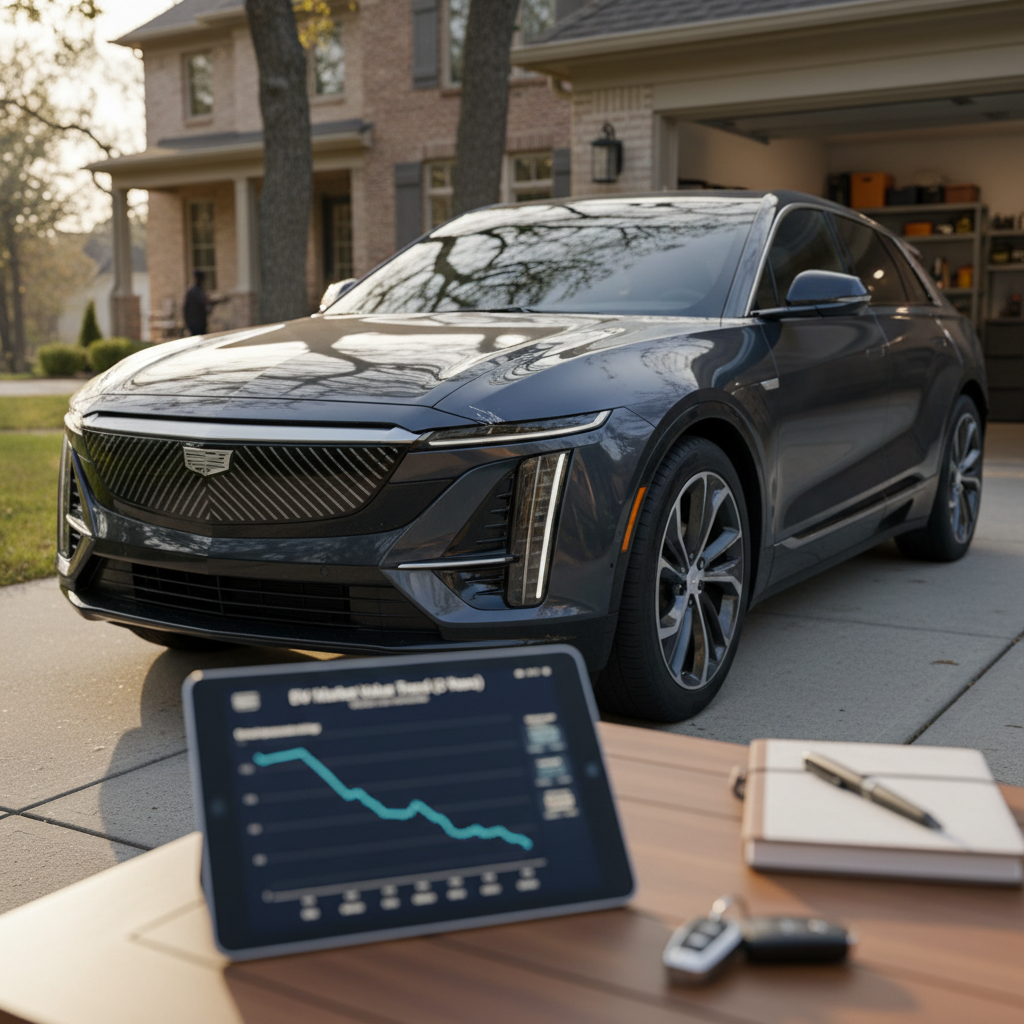
The Model X isn’t just another luxury SUV. Buyers care about battery health, software features like Full Self-Driving (FSD), hardware versions (HW3 vs HW4), and the impact of Tesla’s frequent new‑car price moves. Used values have taken hits when Tesla cut new prices, but that also means buyers are more value‑conscious and comparison‑shopping harder than ever.
- Battery and charging history matters almost as much as mileage.
- Over-the-air updates mean a 2018–2021 Model X can feel much newer than its model year suggests.
- Tax-credit eligibility and state incentives can shift demand quickly.
- Shoppers now compare you against Tesla’s own pre-owned inventory and big online marketplaces.
Seller mindset
1. Price your Tesla Model X strategically
Your first big decision is pricing. Come out too high and your listing sits while newer inventory undercuts you. Too low and you leave thousands on the table. Start with data, then adjust for your specific spec.
Use multiple data sources, not just one
Blend algorithmic values with real asking prices in your area
1. Value tools
Check sites like KBB, Edmunds and auction histories to get a baseline for your year, mileage and trim. Don’t anchor on a single number, treat them as a range.
2. Local comps
Search your ZIP for similar Model X listings, same battery size, seat count, wheels and Autopilot/FSD status. Note asking prices and how long they’ve been listed.
3. Condition & options
Adjust up for low miles, six- or seven-seat interiors, tow package and HW4; adjust down for cosmetic damage, aftermarket mods or spotty service history.
Watch Tesla’s new-car pricing
Once you have a range, pick an asking price that leaves room to negotiate but still looks competitive in search filters. Many private sellers aim for 2–5% above their true target number.
2. Time the market and your listing
Seasonality and policy changes hit EVs harder than gas vehicles. Demand often increases when tax refunds hit and when fuel prices spike, and it can soften right after big federal or state incentive changes.
Smart timing moves before you list
Sell before a major refresh
Values usually dip when Tesla releases a visible refresh (new interior, big hardware change). If rumors of an update heat up and you’re already thinking of selling, consider listing sooner rather than later.
Use demand spikes to your advantage
List when local gas prices climb or before peak summer road‑trip season. Buyers planning long trips look harder at spacious EVs like the Model X.
Avoid racing Tesla incentives
If a federal or state incentive is about to expire for new EVs, some buyers may rush into new inventory instead of used. Watch those timelines so you’re not trying to sell in a dead week.
Listing-day tip
3. Decide where to sell: trade-in vs private sale vs EV marketplace
You’ve got three main paths: a fast but lower trade‑in, a higher‑effort private sale, or a hybrid approach using an EV‑specialist marketplace.
Trade-in or instant offer
- Pros: Fast, low hassle, tax savings in many states, no strangers test‑driving your car.
- Cons: Typically the lowest dollar amount; offers can move quickly as markets shift.
- Best for: Busy owners, cars with cosmetic issues you don’t want to fix, or when you’re rolling straight into another purchase.
Private sale or consignment
- Pros: Often yields the highest sale price if you’re willing to do the work.
- Cons: You handle photos, listings, messages, financing questions and paperwork, or you pay someone to do it.
- Best for: Clean‑history, well‑optioned Model X with strong battery health and service records.
Where Recharged fits in
Ready to find your next EV?
Browse Vehicles4. Document your battery and charging history
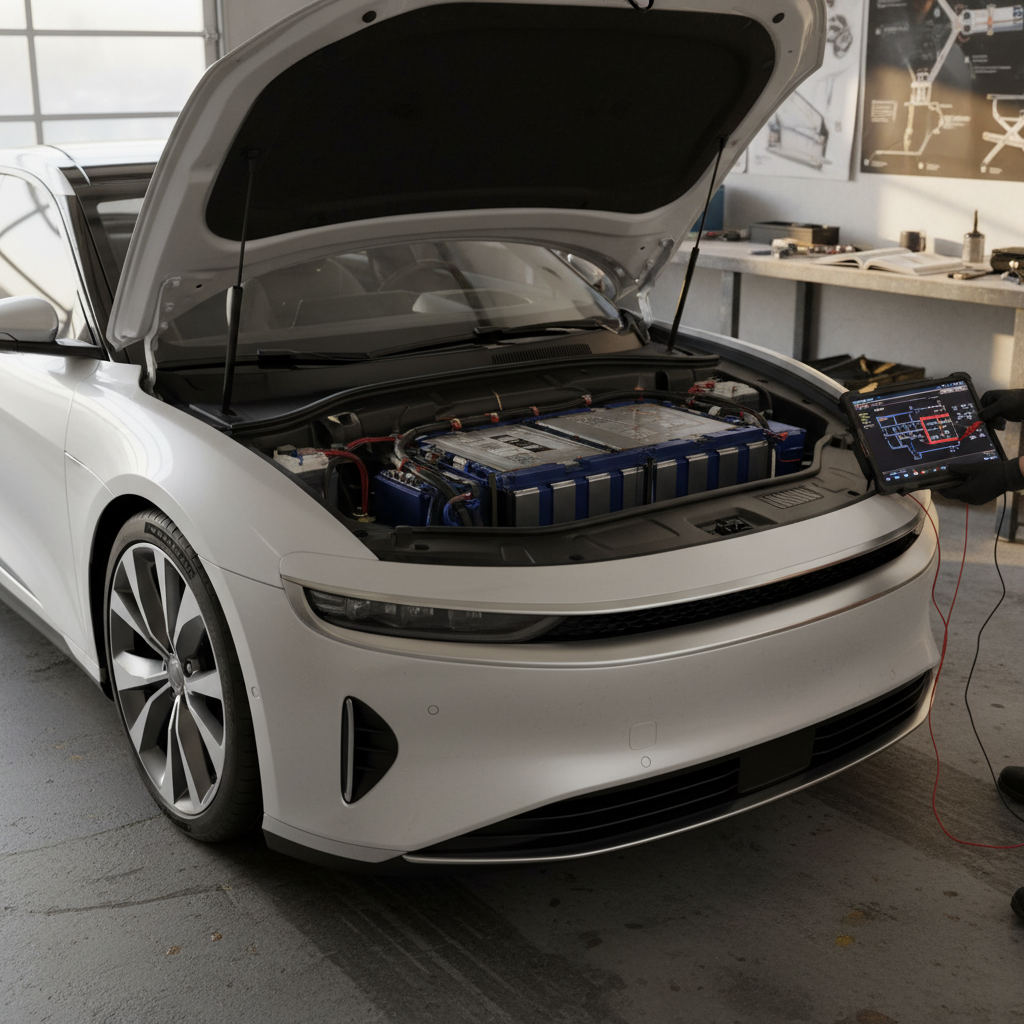
Battery health is the heart of your Model X’s value. Serious buyers want proof your pack has been treated well and still delivers the range they’re paying for.
- Take photos of the car’s current rated range at 90–100% charge (note temperature conditions).
- Export or screenshot any service center reports that mention battery checks or high-voltage system work.
- Note your typical charging habits (home vs Supercharging, usual state of charge range) and be prepared to explain them.
- If you’ve rarely fast‑charged or kept the pack mostly between 20–80%, highlight that in your listing.
Don’t exaggerate range
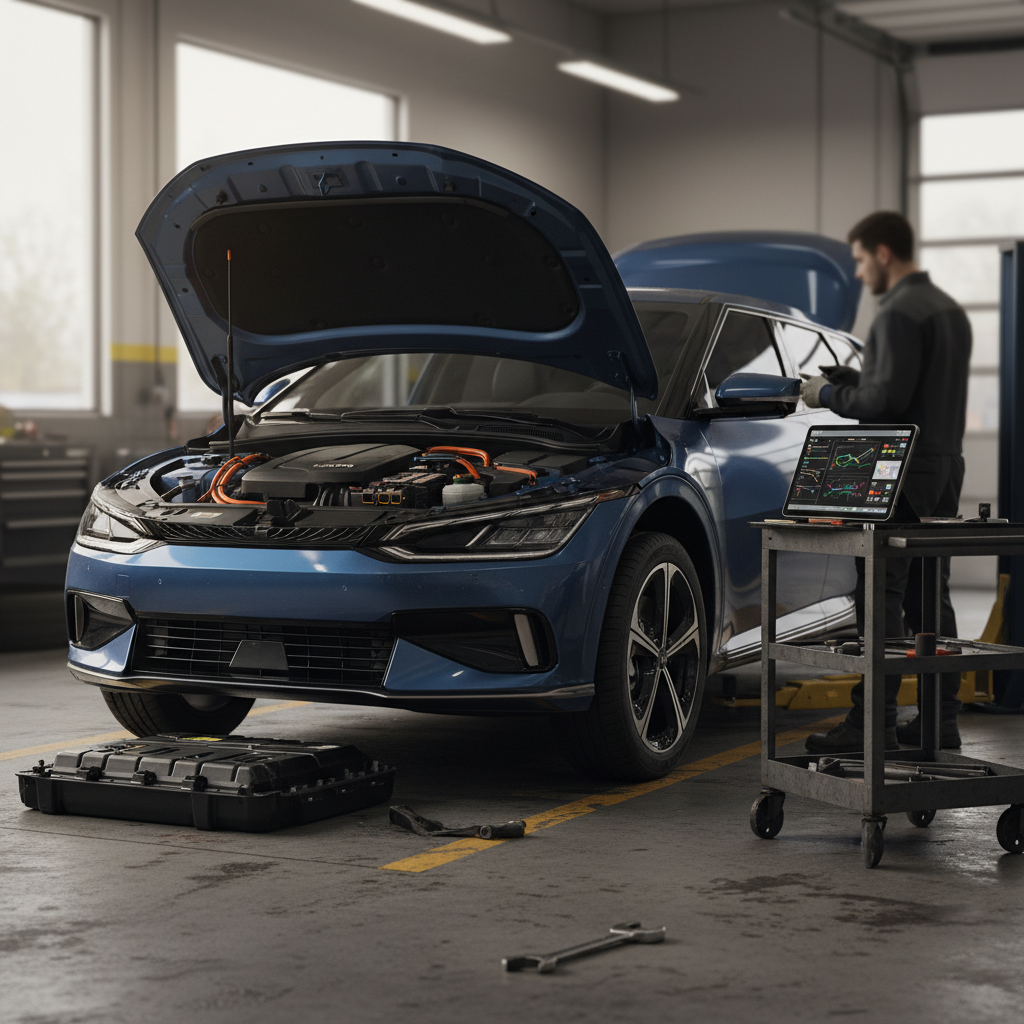
5. Order a professional battery health report
For a Model X, a third‑party or marketplace‑backed battery report can be the difference between a skeptical buyer and a confident one. Generic pre‑purchase inspections rarely go deep on EV packs; you want something built for Teslas.
What a good battery health report should show
Make it easy for buyers to say yes
State of health (SoH)
Clear estimate of usable capacity vs when new, so a buyer can translate that into realistic range expectations.
Degradation trend
How your pack compares to similar Model X vehicles and whether the degradation curve looks typical for age and miles.
Verification & trust
Independent documentation builds confidence and lets you justify a stronger price versus similar Model X listings without real battery data.
How Recharged helps here
6. Prep your Model X like a pro
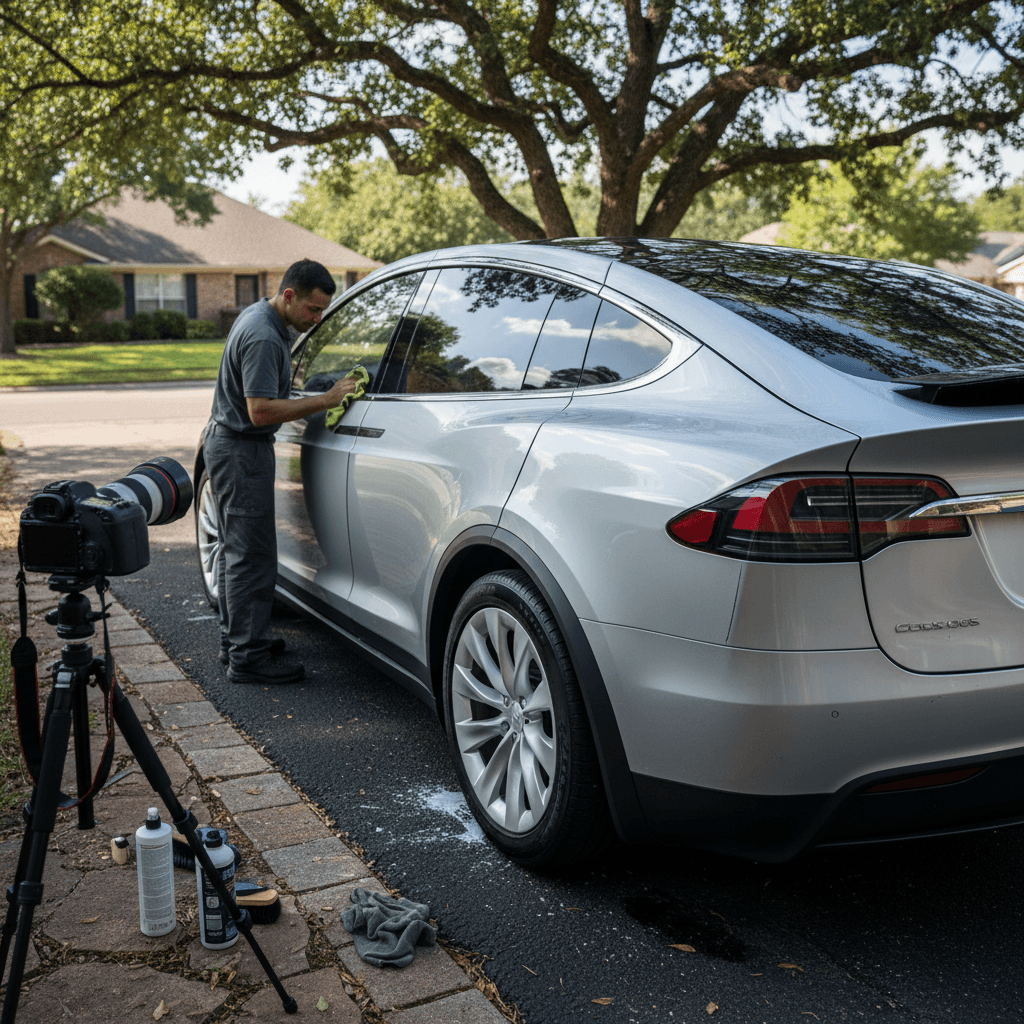
Detailing a Model X is more than a quick wash. You’re presenting a six‑figure luxury EV, even if today’s market price is lower. Buyers expect it to look and feel like it’s been cared for.
Detailing and prep checklist
Deep clean inside and out
Get a professional detail or carefully DIY: wash, clay, polish and wax the exterior; clean door jambs; vacuum and shampoo carpets; steam‑clean or condition seats; clean glass inside and out.
Address obvious cosmetic issues
Touch up curb‑rashed wheels, fix small windshield chips, and repair noticeable dents if the cost is reasonable. Many buyers mentally deduct more than the actual repair bill.
Fix low-cost wear items
Replace wiper blades, top off washer fluid, consider fresh floor mats, and make sure both key fobs (and key cards, if applicable) work. Small items signal overall care.
Resolve warning lights
If the dash shows persistent warnings, get a diagnosis before listing. Unknown software or sensor issues spook buyers, even when the fix is minor.
7. Capture listing photos that actually sell
Your photos are your first test drive. With a distinctive shape and Falcon Wing doors, the Model X can look incredible, or oddly proportioned, depending on how you shoot it.
- Shoot in soft light (early morning or late afternoon) to avoid harsh reflections on the large windshield and glass roof.
- Capture a full walk‑around: front 3/4, rear 3/4, both sides, wheels, badges and charging port.
- Show off the Falcon Wing doors open from a few angles and highlight any unique interior layout (six‑seat captain’s chairs, for example).
- Photograph the main screen with the car in Park, showing mileage, battery level and key software features.
- Include close‑ups of imperfections so buyers don’t feel surprised in person or at delivery.
Orientation matters
8. Write a transparent, Tesla-specific description
A generic “loaded and clean” description doesn’t cut it for Model X buyers. They want specifics: hardware version, software features, battery size, seating layout and charging details.
Details savvy Model X buyers look for
Use this as a template when writing your listing.
| Category | What to include | Why it matters |
|---|---|---|
| Battery & range | Pack size (e.g., Long Range), typical real‑world range at 80–90%, charging habits | Signals expected range and how you treated the battery |
| Hardware & software | HW version (if known), Autopilot/FSD status, key software options | Tech‑focused buyers care more about this than color |
| Seating & interior | Five, six or seven seats, upholstery type, notable wear areas | Families compare seating layouts directly |
| Ownership & history | Number of owners, accident history, title status, service highlights | Reduces surprises and builds trust |
| Charging & accessories | Included Mobile Connector, wall charger (if any), adapters, extra wheels | Adds value and convenience for the buyer |
Include these points high in your description so shoppers don’t have to ask.
Link to more detail when you can
9. Handle FSD, Acceleration Boost and subscriptions smartly
Software features are one of your biggest wild cards. Some, like purchased FSD, can sweeten your asking price; others, like monthly subscriptions, may not transfer at all.
- Clarify whether FSD is purchased or subscribed. A transferable FSD purchase is a selling point; a month‑to‑month subscription isn’t.
- If you have Acceleration Boost or other paid options, mention them and confirm they’ll remain tied to the VIN after sale.
- Be ready for buyer questions about hardware compatibility and current software build, especially on earlier Model X vehicles.
- Never advertise features you’re not 100% sure will transfer. If in doubt, describe only what’s visible in the car and app today.
Avoid overpricing for FSD
10. Be honest about accidents, repairs and recalls
The Model X has seen its share of software and safety recalls over the years. Buyers are increasingly savvy about checking vehicle history reports, so transparency beats spin every time.
History transparency checklist
Pull your own history report
Running your own Carfax or AutoCheck lets you catch errors early and disclose them with context instead of being blindsided by a buyer.
Summarize any accidents
If the car has accident history, explain what happened, what was repaired, and where. Cosmetic repairs at a reputable shop land differently than major structural work.
Address open recalls
Check for any open recalls and schedule them before listing if possible. Many software‑only recalls are resolved with over‑the‑air updates; note that explicitly.
Don’t hide big issues
11. Screen buyers and manage test drives safely
A 5,000‑pound, 2.5‑second SUV isn’t something you hand over to the first stranger who asks. Set some guardrails around how you handle inquiries and drives.
- Communicate first through the marketplace or platform messaging. Move to phone/text only once someone seems serious.
- Ask buyers to send a photo of their driver’s license before any solo test drive, and consider riding along for the first portion.
- Start drives on familiar roads with low speed limits before demonstrating full acceleration, if at all.
- Ensure the buyer understands basic controls (gear selector, regen feel, door operation) in a parking lot before heading onto busy roads.
- Disable personal navigation favorites, home/work locations and Bluetooth pairings before anyone else drives.
When using a marketplace
12. Plan your paperwork and payment
Once you have a buyer, you need a clean, safe way to transfer money and ownership. Because Teslas are software‑connected, you’re also unwinding a digital relationship, not just handing over keys.
Paperwork and payment essentials
Know your payoff or title status
If you still owe money, contact your lender to learn their payoff process and timeline. Have a recent payoff letter ready so buyers understand how the title will be released.
Use secure payment methods
For large sums, cashier’s checks verified at the issuing bank, in‑branch wire transfers, or handling everything through a trusted marketplace or dealer are safer than peer‑to‑peer apps.
Prepare a simple bill of sale
Include VIN, mileage, sale price, date, buyer/seller information and basic as‑is language. Some states have their own templates; follow your DMV’s recommendation.
Understand your state’s DMV process
Check your state’s requirements for title transfer, odometer disclosure and tax forms so you can guide the buyer instead of scrambling at the last minute.
13. Factory reset and remove your data
Before your Model X drives away for the last time, scrub your data from both the vehicle and your Tesla account. You don’t want your home address, garage opener or Spotify account riding around with the new owner.
- In the car, delete personal driver profiles and Home/Work navigation entries.
- Sign out of streaming services and remove Bluetooth devices from the vehicle.
- Perform a factory reset from the car’s Service menu to clear personal settings and data.
- Once the buyer has paid and the car is in their possession, remove the vehicle from your Tesla account and confirm it disappears from your app.
- Remind the buyer they’ll need to add the car to their own Tesla account to enable app control and Supercharging permissions.
Don’t remove the car too early
14. Avoid common pricing and negotiation mistakes
The difference between a smooth sale and a headache often comes down to how you handle the last 5–10% of the process: pricing tweaks, negotiation and responding to offers.
Common mistakes when selling a Model X
And what to do instead
Starting way too high
Mistake: Pricing 10–15% above market because “you can always come down.”
Instead: Start near the top of the realistic range and adjust quickly based on interest.
Taking the first lowball
Mistake: Saying yes to the first offer just to be done.
Instead: Counter respectfully with data, battery report, market comps and recent maintenance.
Being vague or defensive
Mistake: Dodging questions about range, history or software.
Instead: Answer directly, share documentation and let the buyer walk if they’re not a fit.
Use your documentation as leverage
15. Know when to walk away, and consider alternatives
Not every car, or every season, is right for a private sale. If your Model X has higher miles, notable cosmetic issues or you’re not getting serious inquiries after a few weeks of fair pricing, it may be time to shift strategies.
When to pivot from private sale
- Your listing has had plenty of views but almost no qualified leads.
- Interest is strong but buyers keep getting hung up on financing.
- You don’t have time or appetite to keep handling test drives and negotiations.
Alternative paths
- Trade-in or instant cash offer: Simpler and often worth a small discount if you’re time‑constrained.
- Consignment with an EV specialist: A partner like Recharged can market, show and sell the car while you retain ownership until it sells.
- Re‑pricing with better data: Add a battery health report and fresh photos, then relaunch at a sharper price.
Selling a Tesla Model X in today’s market takes more than a quick wash and a classified ad. If you price strategically, document battery health, prep the car properly and choose the right selling channel, you can still achieve a strong outcome, even in a volatile EV market. And if you’d rather have expert help, an EV‑focused marketplace like Recharged can combine diagnostics, fair pricing tools and end‑to‑end support to make the process a lot smoother.