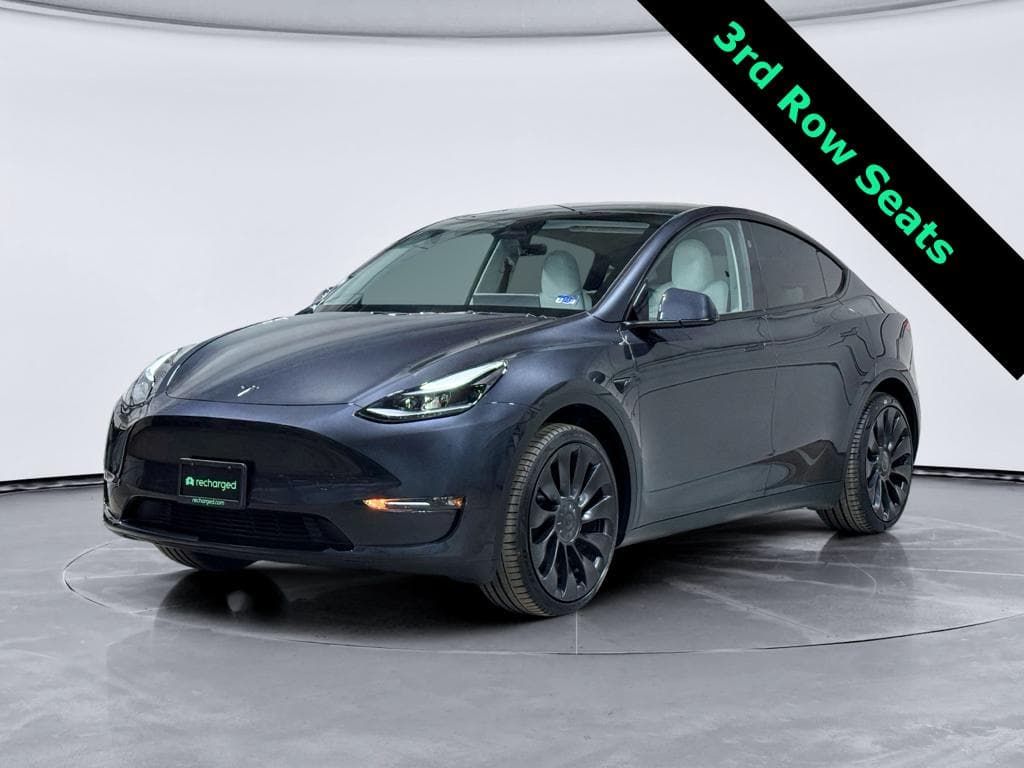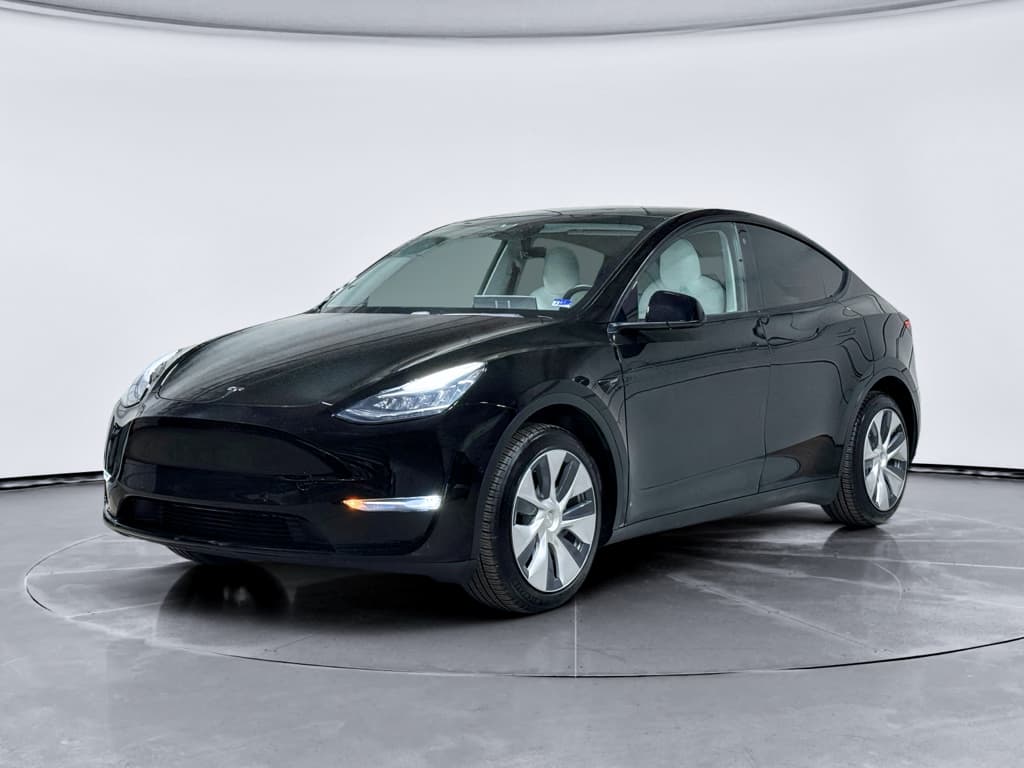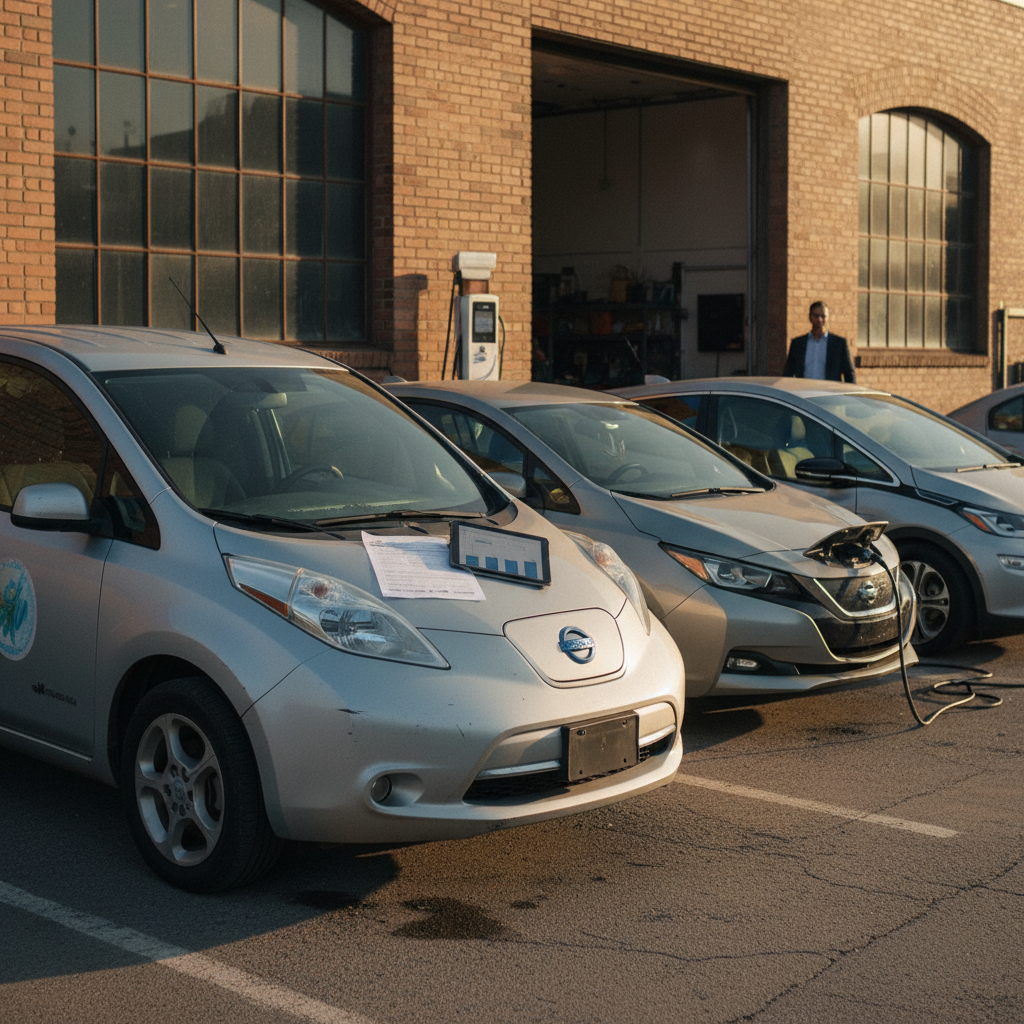
If you’re shopping used EVs in 2026, the Tesla Model Y is impossible to ignore. It’s been America’s best-selling EV for years and a fixture on used lots, yet you’ve probably heard just as many concerns about battery degradation, build quality, and steep Tesla depreciation. This long-term 2026 review pulls together owner data, market numbers, and hands-on experience to help you decide if a used Tesla Model Y actually makes sense for you.
What this review covers
Why this 2026 long-term review matters
The first Model Y hit U.S. driveways in 2020. That means we now have six model years of real-world data to judge how it holds up, especially the stuff that doesn’t show up in the glossy marketing copy: suspension rattles, paint wear, battery degradation, and how software updates change the experience. At the same time, aggressive Tesla price cuts and a flood of off-lease vehicles have pushed used prices down, turning the Model Y into one of the most accessible premium EVs on the market.
- You want a realistic picture of Model Y ownership beyond the first test drive.
- You’re deciding between a used Tesla Model Y and another compact SUV EV.
- You own a Model Y already and want to understand long-term expectations.
- You’re trying to time the market, should you buy now or wait?
Tesla Model Y at a glance (2020–2026)
Key Model Y eras for used buyers
How changes from 2020–2026 affect long-term ownership
2020–2021: Early builds
Launch years built on the Model 3 platform. Strong performance and range, but more reports of panel gaps, paint issues, and interior rattles. Older Autopilot hardware and the earliest battery packs in the fleet.
2022–2023: Refinement phase
Improved build consistency from Fremont and Austin, heat pump standard, better efficiency, and software features maturing. Still some mixed owner reports on road noise and suspension firmness.
2024–2026: Price cuts & refresh
Tesla slashed prices on new Model Ys and rolled out continuous updates, plus a refreshed "Juniper" Model Y starting in 2025. Used prices fell sharply, creating great deals, but also faster depreciation for first owners.
Tip for shoppers
Battery life and range over time
Battery health is the beating heart of any long-term EV review. The good news is that Model Y packs have generally aged well, especially compared with some early non-Tesla EVs. The less-good news: range loss and state-of-charge estimates can be confusing if you’re new to EVs.
Real-world Model Y battery behavior
Owners commonly see an initial drop in displayed range in the first 12–24 months, often around 5–10% from the original EPA figure, followed by a much slower decline. That’s normal lithium-ion chemistry, not a sign the battery is failing. High-mileage Model Y owners with more than 100,000 miles frequently report usable capacity in the low-90% range, provided the car hasn’t been abused with constant 100% fast charging or extreme heat.
Watch your charging habits
Range in real life vs. the window sticker
Across climates, a long-term Model Y typically delivers about 70–85% of its EPA-rated range in everyday use, depending on speed, temperature, and how much highway driving you do. In cold Midwestern winters, you might see a 30–40% hit on the worst days; in mild coastal climates, loss is far smaller. A healthy Long Range Model Y that originally advertised 330 miles will often feel like a 230–260-mile road-trip car once you factor in weather, speeds, and a comfortable charging buffer.
Real-world efficiency and charging experience
Where the Model Y still shines in 2026 is efficiency plus charging network. It’s not just about range, it’s how quickly and conveniently you can put miles back in the pack.
Efficiency over the long haul
- Typical owners report 3.1–3.7 mi/kWh in mixed driving, with highway-heavy commutes trending lower.
- Heat pump-equipped Model Ys (most 2021+ builds) hold up better in winter than many rivals.
- Compared with other compact SUV EVs, the Model Y remains near the top of the class for miles per kWh.
Charging in 2026
- Access to Tesla’s Supercharger network still sets the benchmark for reliability and ease of use.
- More third-party networks and NACS adapters mean you’re less tied to any one provider.
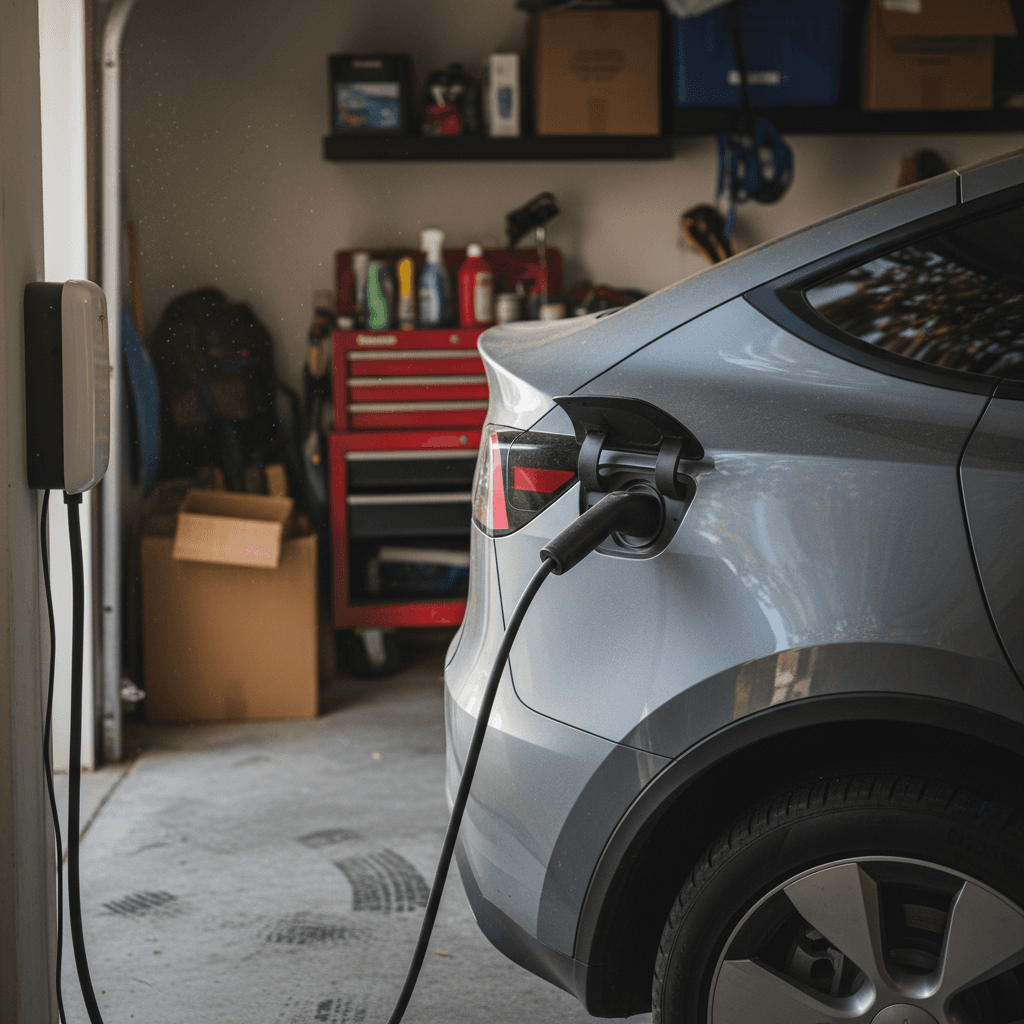
- At home, a 240V Level 2 charger typically adds 25–40 miles of range per hour, easily covering most commutes overnight.
Home charging still wins
Reliability, build quality, and recalls
Reliability is where the Tesla Model Y’s record is more mixed. Long-term owners praise the powertrain and battery durability but are more critical of trim, paint, and hardware quality, especially on earlier builds.
Common long-term Model Y trouble spots
What owners report most often by year range
Paint & exterior trim
Early Model Ys (2020–2021) are more likely to show thin paint, chips, and clearcoat wear, especially on lower panels and in harsh climates. Later cars tend to be better, but a careful exterior inspection is still crucial.
Squeaks & rattles
Cabin creaks, hatch rattles, and occasional suspension noises remain common complaints. They rarely sideline the vehicle, but they can make a premium-priced EV feel less refined.
Software & minor electronics
Over-the-air updates fix many glitches but also occasionally introduce new ones, backup camera delays, quirky Bluetooth behavior, or phantom warnings. Tesla typically patches these, but timing varies.
More serious mechanical failures, motors, inverters, or high-voltage batteries, have been relatively rare compared with some combustion SUVs. Most long-term complaints are about fit-and-finish, wind noise, and intermittent software quirks rather than catastrophic breakdowns.
Recalls and OTA fixes
Like most modern vehicles, the Model Y has seen its share of recalls, including issues related to backup camera displays, seat-belt reminders, and driver-assistance behavior. The twist with Tesla is that many fixes arrive as over-the-air (OTA) software updates, meaning previous owners may have already resolved them without a trip to a service center. When you’re buying used, it’s important to confirm the car is running current software and that any outstanding hardware-related recalls have been performed.
Safety first when buying used
Ownership costs: maintenance, repairs, and insurance
One of the Model Y’s long-term strengths is its low routine maintenance. There’s no engine oil, spark plugs, or transmission fluid to worry about. But that doesn’t mean it’s a zero-cost vehicle to own.
Typical 5-year ownership cost items for a Model Y
High-level view of what you’re likely to spend between years 1 and 5, assuming 12,000 miles per year in the U.S.
| Category | What to Expect | Long-Term Notes |
|---|---|---|
| Routine maintenance | Cabin air filters, brake fluid check, tire rotations, wiper blades | EVs use brakes less thanks to regen, but tires may wear faster due to weight and torque. |
| Tires | Every 25,000–40,000 miles depending on driving style | Budget for quality all-season or performance tires, $900–$1,400 per set is common. |
| Repairs out of warranty | Door handles, suspension components, trim fixes, infotainment issues | Tesla parts and labor can be pricier than mainstream brands; extended coverage can help. |
| Electricity vs. gas | Often 30–60% cheaper per mile than gasoline in many states | Biggest savings come if you charge mostly at home on off-peak rates. |
| Insurance | Often higher than comparable gas SUVs, especially for new drivers | Shop around, EV-friendly insurers sometimes rate Teslas more competitively. |
Actual costs vary by state, driving habits, and how gently the car has been driven, but this gives you a ballpark for planning.
EVs shift when you spend, not if you spend
Depreciation and used-market pricing in 2026
If you owned a Model Y new, the depreciation story in 2023–2025 was painful. Tesla’s price cuts and a wave of off-lease vehicles meant some owners saw five-year value losses of around 60% from original MSRP, far steeper than early expectations. But if you’re buying in 2026, that same dynamic works in your favor.
Model Y value trends that matter in 2026
Market data for early–mid 2025 already showed used Model Y prices clustering in the low- to mid-$30,000 range for mainstream trims, with higher-performance and seven-seat models commanding premiums. In 2026, that trend continues as more refreshed and lower-cost new Model Ys enter the market. As a buyer, you’re benefiting from the first owner’s steep depreciation while still getting a relatively young vehicle with modern tech.
Sweet spot for value
Daily livability: comfort, space, and tech
On the day-to-day front, the Model Y largely delivers on its promise as a family-friendly electric crossover, with a few trade-offs you should know about if you’re coming from a traditional SUV.
Living with a Model Y long term
Strengths and compromises that show up after the honeymoon phase
Space & practicality
Excellent cargo room with a flat load floor, a large rear hatch, and front trunk. Rear headroom is fine for most adults, and the wide cabin makes child-seat installs easier than many compacts.
Ride & noise
Firm suspension and relatively low-profile tires mean the ride can be busier and noisier than some rivals, especially on rough pavement. Later builds tend to be slightly better tuned but still skew sporty.
Minimalist tech
Nearly everything, HVAC, wipers, driving modes, runs through the central touchscreen. Long-term owners generally adapt, but some still miss physical buttons for key functions.
Where the Model Y still nails it
Which Model Y years and trims are the best used buys?
Not every Model Y is created equal. Hardware tweaks and market realities from 2020–2026 mean some combinations of year and trim simply make more sense for a used buyer.
Model years to prioritize
- 2022–2024: Often the sweet spot, many have heat pumps, improved build consistency, and modern driver-assistance hardware.
- 2021: Worth a look if priced right and in strong cosmetic condition; inspect paint and trim carefully.
- 2025 early refresh (“Juniper”): Attractive if you find one used, but expect a smaller price gap versus new.
Trims that make sense
- Long Range: Best balance of price, range, and performance for most drivers.
- Standard Range / RWD (where available): Fine for shorter commutes and tighter budgets; just be realistic about winter range.
- Performance: Enormous fun, but stiffer ride and tire costs climb. Buy only if you value the extra speed.
Be careful with modified cars
Used Tesla Model Y buying checklist
11 things to check before you commit
1. Verify battery health
Ask for a recent battery health or range report. At Recharged, every Model Y comes with a <strong>Recharged Score</strong> that includes verified battery diagnostics instead of just relying on the dash readout.
2. Confirm software & recall status
Check that the car is on a current software version and that all open recalls and service bulletins are addressed. This is especially important for backup camera and safety-related updates.
3. Inspect exterior closely
Look for paint mismatches, resprays, overspray on trim, and uneven panel gaps. Focus on rocker panels, lower doors, and the rear bumper, areas prone to chips and wear.
4. Listen for squeaks & rattles
On a test drive, pay attention over rough pavement, driveways, and expansion joints. Persistent suspension knocks or hatch rattles may point to parts that need attention.
5. Test all doors, windows, and seats
Open every door and hatch, roll every window, and test power seat functions and folding mechanisms. These are easy to overlook but annoying and expensive to fix later.
6. Evaluate tires and wheels
Uneven tire wear can hint at past alignment or suspension issues. Curb-rash on wheels is common but still matters if you care about appearance and potential vibration.
7. Check Autopilot & safety features
Safely test adaptive cruise control, lane-keeping, and camera visibility. Make sure warnings and signals behave predictably and that camera views come on quickly when selected.
8. Review charging history (if available)
Frequent DC fast charging at high states of charge isn’t ideal for longevity. You may not get full logs, but seller transparency about use, climate, and charging habits is a plus.
9. Confirm option list
Wheels, tow hitch, seven-seat configuration, and premium audio can materially affect value. Match the actual car to the window sticker or build sheet if you can.
10. Look for signs of collision repair
Check for overspray, panel misalignment, non-OEM glass, and missing underbody shields. A professional inspection is money well spent on any premium EV.
11. Factor in charging at home
Before you buy, be sure you have a plan for Level 2 charging, either at your own home or reliably at work. Owning a Model Y without convenient charging undermines much of what makes it great.
How Recharged evaluates used Model Ys
Because the Tesla Model Y is such a popular used EV, Recharged sees a wide range of examples, from low-mile one-owner commuters to hard-driven Performance models. That experience shapes how we inspect, price, and stand behind each vehicle.
What goes into a Recharged Model Y
Beyond a quick wash and a software update
Recharged Score battery diagnostics
Every Model Y on Recharged gets a Recharged Score Report, including verified battery health, real-world range estimates, and charging behavior, not just an on-screen guess.
Mechanical & cosmetic inspection
EV-trained technicians check brakes, suspension, steering, HVAC, tires, underbody panels, and glass, while also documenting paintwork, chips, and interior wear.
Transparent pricing & guidance
We benchmark each vehicle against current Tesla price moves and used-EV data so you’re paying a fair, market-based price. EV specialists walk you through trade-ins, financing, and nationwide delivery if you’re not local.
Ready to find your next EV?
Browse VehiclesIf you’re trading in a vehicle, or selling a Model Y you already own, Recharged can appraise it online, give you an instant offer or consignment option, and help you move into another EV with as little friction as possible.
Tesla Model Y long-term FAQ (2026)
Frequently asked questions about long-term Model Y ownership
Verdict: Is a used Tesla Model Y worth it in 2026?
Viewed through a long-term lens in 2026, the Tesla Model Y is a story of trade-offs that increasingly favor the used buyer. You’re getting a spacious, efficient, quick, and well-connected EV with a proven battery and powertrain, access to the Supercharger network, and more real-world data than almost any other electric SUV on the market. In return, you accept a firmer ride, some build-quality quirks, and the reality that software and pricing can keep changing under your feet.
If you choose carefully, prioritizing battery health, condition, and fair pricing over chasing the latest tiny hardware revision, a used Model Y can be one of the most compelling EV buys in 2026. Working with a specialist like Recharged adds another layer of confidence: independent battery diagnostics via the Recharged Score, expert guidance on trim and year, financing and trade-in options, and nationwide delivery from a team that lives and breathes EVs. For many shoppers, that combination makes a well-vetted used Model Y less a gamble and more a smart, future-ready daily driver.