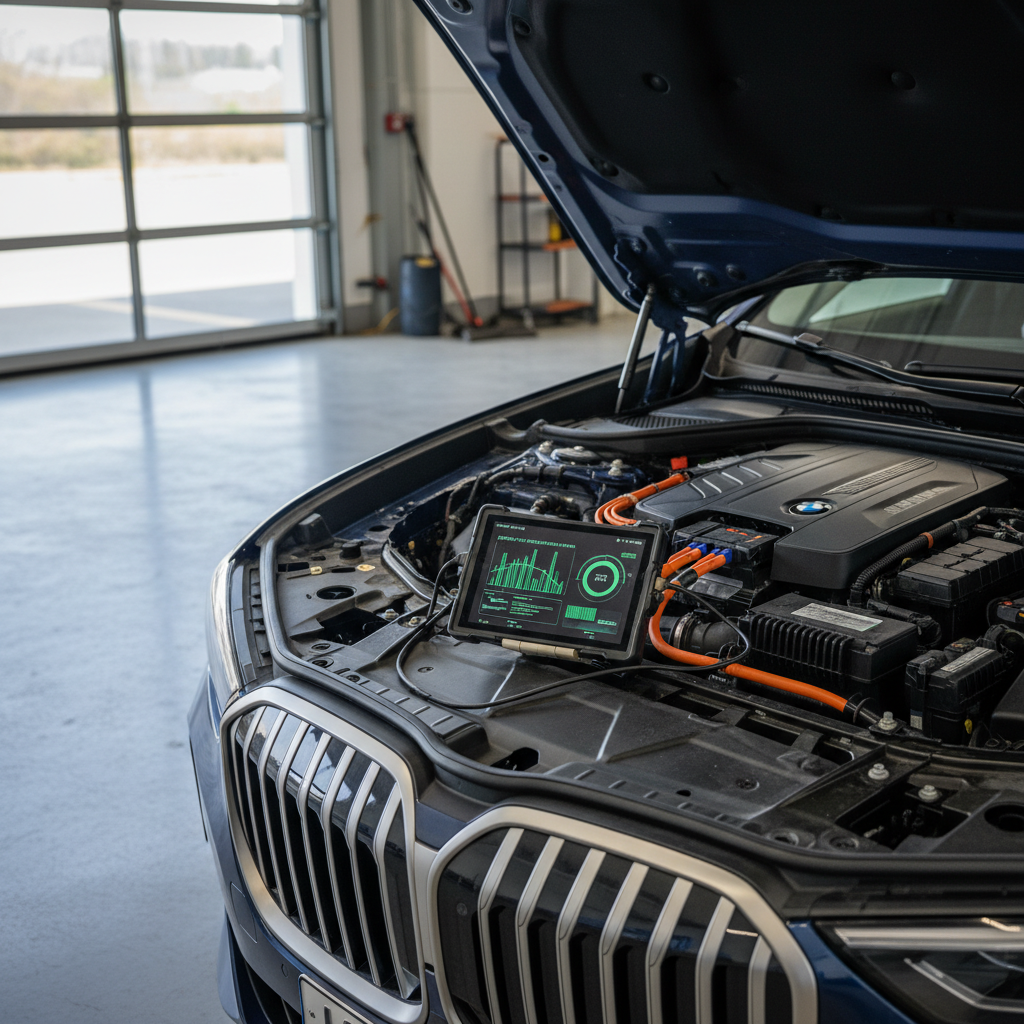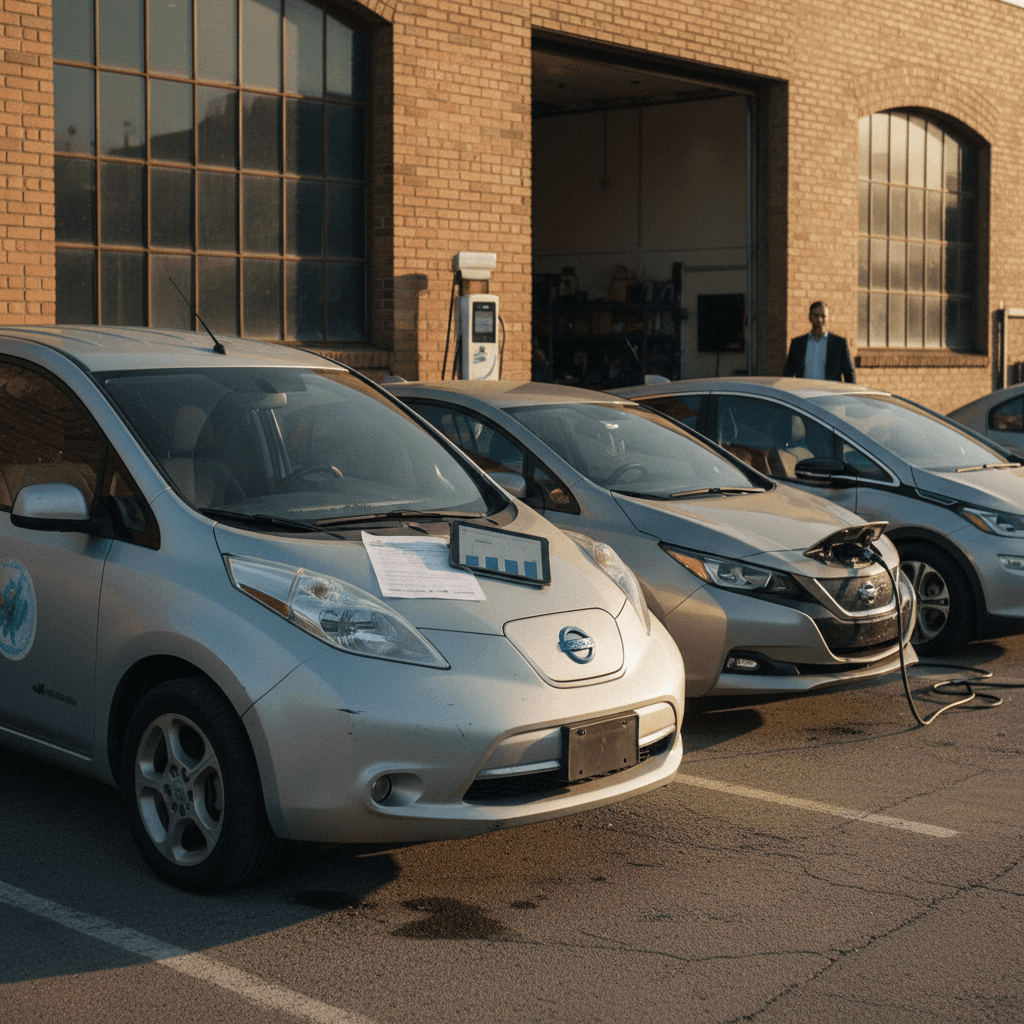
If you run a small business, your vehicle is more than transportation, it’s a mobile office, billboard, and tax tool rolled into one. Choosing the best used electric car for small business owners means balancing image, practicality, and total cost of ownership, not just grabbing the cheapest EV on the lot.
Who this guide is for
Why used EVs make sense for small business owners
Used EV economics in 2026 at a glance
For a small business, cash flow is oxygen. A used EV can cut your monthly operating costs without tying up new‑car money in a depreciating asset. Electricity is typically cheaper per mile than gasoline, and EVs skip many wear‑items like oil, spark plugs, and exhaust components that drive up maintenance costs in traditional fleets.
Think in cost‑per‑mile, not just purchase price
How to choose the right used electric car for your business
Start with your use case
Before you fall in love with a particular model, be brutally honest about what the vehicle has to do for your business.
- Daily mileage: How many miles do you realistically drive in a day, even on your busiest days?
- Cargo & passengers: Do you haul tools, samples, or people? How much space do you actually need?
- Parking & image: Tight city streets, client driveways, job sites, where will this vehicle live most of the time, and what impression do you want to make?
Then layer on ownership math
Once you define the job, compare candidates on cost over time.
- Purchase price vs. rivals: What similar gas or hybrid vehicle would you otherwise buy?
- Energy cost: Estimate electricity costs using your local kWh rates and typical miles driven.
- Maintenance & downtime: Every day in the shop is a day the vehicle can’t earn for you.
- Resale & exit plan: How easy will it be to redeploy or sell the vehicle in 3–5 years?
Match the EV to your business profile
Different small businesses need different types of electric vehicles
Client‑facing professionals
Real‑estate agents, consultants, financial advisors, and sales reps need a vehicle that projects confidence, not extravagance.
- Quiet, smooth ride for clients
- Clean interior, good tech, plenty of range
- Comfortable for long appointment days
Trades & mobile services
Electricians, HVAC techs, IT support, and mobile detailers need cargo space and easy loading.
- Hatchbacks or small crossovers are ideal
- Flat load floors for totes and tools
- DC fast‑charge capable for occasional long days
Local delivery & light hauling
Bakeries, print shops, florists, and local retailers benefit from electric crossovers, vans, and pickups.
- Room for boxes or equipment
- Predictable routes make range planning easy
- Branding on quiet, modern vehicles stands out
Best used electric cars for urban service businesses
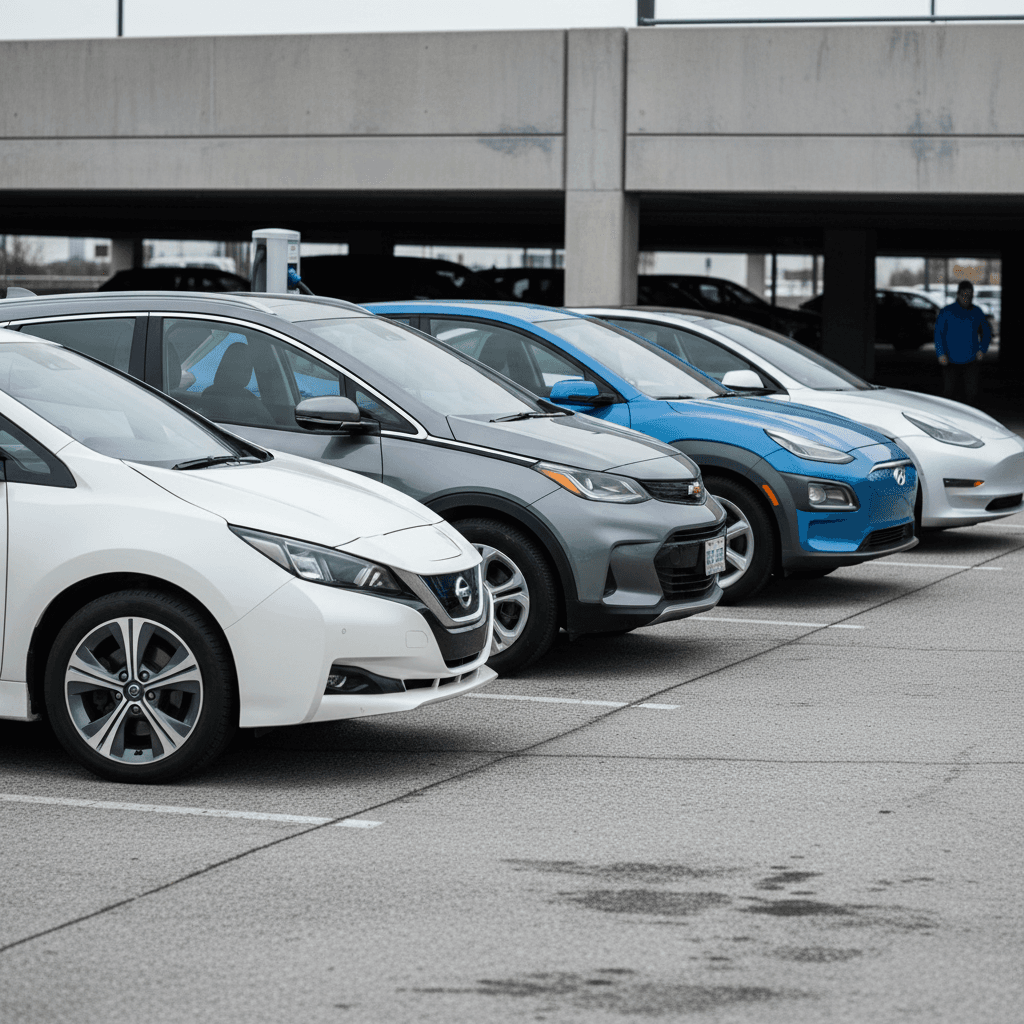
If most of your work happens inside a metro area, think photographers, dog walkers, mobile IT, or property managers, compact EVs deliver low running costs and easy parking. Here are top used picks that balance price, range, and practicality for city‑centric work.
Top used compact EVs for small business city driving
Approximate used pricing assumes clean‑title examples with typical mileage in the U.S. as of early 2026. Always verify local market conditions.
| Model | Typical used price | EPA range (mi) | Best for small businesses that… |
|---|---|---|---|
| Chevrolet Bolt EV (2019–2023) | $14,000–$22,000 | 238–259 | Want maximum range per dollar and don’t need SUV ride height. |
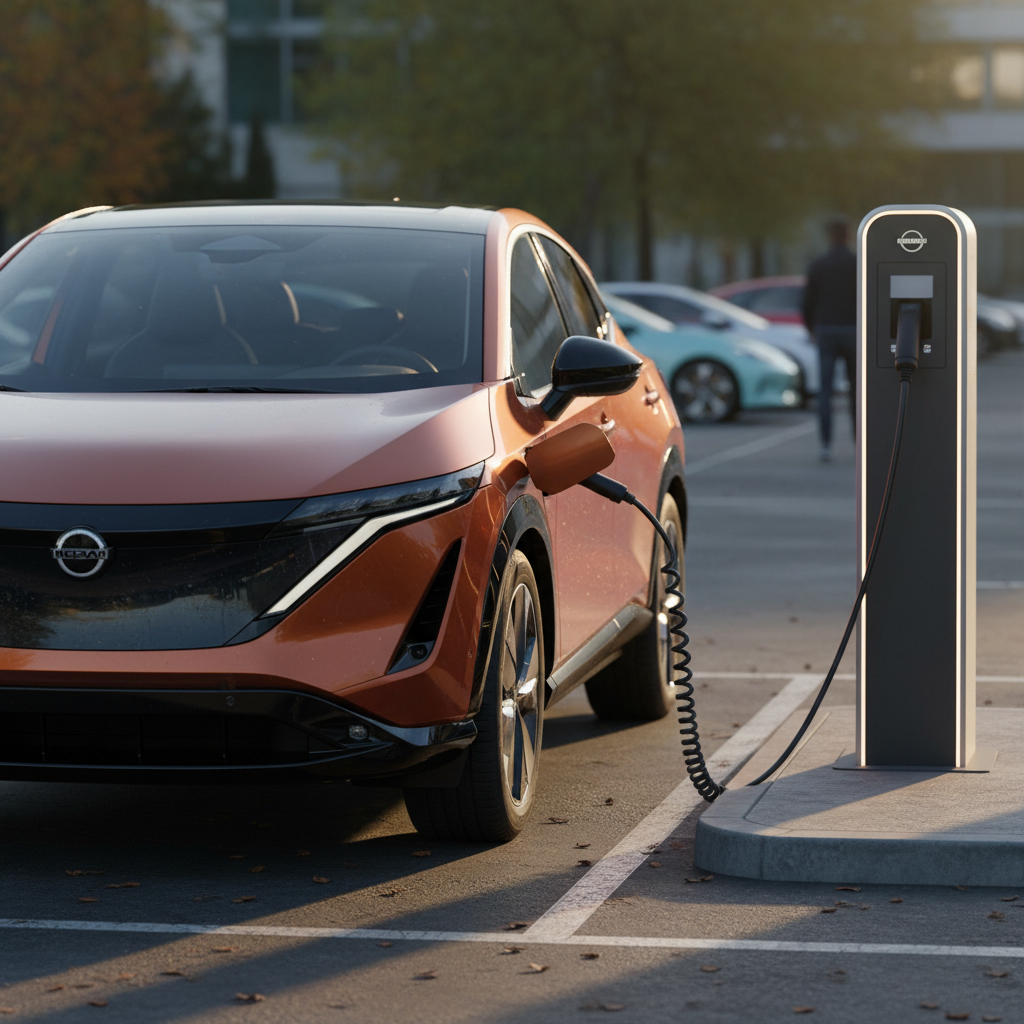
| Nissan Leaf Plus (62 kWh, 2019–2024) | $13,000–$20,000 | 215–226 | Operate mostly in town and can charge at home or the shop. |
| Hyundai Kona Electric (2019–2023) | $17,000–$25,000 | 258 | Need a slightly higher seating position in tight urban areas. |
| Volkswagen ID.4 (2021–2023) | $20,000–$28,000 | 209–260 | Want a more spacious cabin and a modern brand image. |
Use this table as a short‑list, then compare specific vehicles on condition, battery health, and features.
Mind the DC fast‑charging story
Best used electric SUVs and crossovers for small fleets
Crossovers and small SUVs are the sweet spot for many small businesses: easy to get in and out of, enough cargo room for gear, and still efficient to run. If you plan to operate more than one vehicle, or you simply need more versatility than a compact hatchback offers, these used EVs deserve a close look.
Standout used EV crossovers for business use
Balanced range, comfort, and cargo space
Kia Niro EV
Why it works: Efficient, compact footprint with a surprisingly roomy cargo area. Often undercuts rivals on used pricing.
- Range: ~239 mi
- Great for: Inspectors, appraisers, mobile pet care
- Plenty of space for bins and small equipment
Hyundai Ioniq 5
Why it works: Fast charging and a comfortable cabin that doubles as a mobile office.
- Range: ~220–303 mi (battery & drive configs)
- Great for: Regional sales reps, agency owners
- Ultra‑fast DC charging cuts downtime on long days
Tesla Model Y
Why it works: Strong charging network access (with the right adapters), roomy interior, and high tech appeal.
- Range: ~244–330 mi depending on trim
- Great for: Client‑facing professionals, growing teams
- Easy to brand as a premium but efficient choice
Crossovers hit the business sweet spot
Best used electric pickups and vans for light‑duty work
If your business routinely carries bulky equipment or makes frequent deliveries, an electric pickup or van can deliver low operating costs and serious branding power. You may not be ready for a full box truck, but a light‑duty EV workhorse could be exactly the right move.
Used electric pickups & vans for small businesses
These models are best suited to light‑/medium‑duty work, local deliveries, and regional service routes.
| Model | Typical used price | Key strengths | Best for… |
|---|---|---|---|
| Ford F‑150 Lightning (2022–2024) | $42,000–$65,000 | Familiar F‑150 cabin, huge torque, onboard power outlets | Contractors, landscapers, mobile services that need a truck bed and job‑site power. |
| Rivian R1T (2022–2024) | $45,000–$70,000 | Adventure‑oriented image with clever storage and strong performance | Outdoor guides, premium service brands, businesses that sell lifestyle as much as a product. |
| Electric cargo vans (various) | Market‑dependent | Low‑floor loading, big boxy cargo area, easy branding surfaces | Caterers, florists, local delivery services, event rental companies. |
Assess payload, real‑world range with a load, and charging access before committing to an electric work vehicle.
Payload and range are not optional details
Cost of ownership: what every small business owner should run
When you buy personally, you might shop by monthly payment. For your business, you should be thinking in years and total cost of ownership (TCO). Fortunately, EVs tend to shine when you run the numbers correctly.
Key cost buckets to compare
- Depreciation: How quickly the vehicle loses value. Many EVs have already taken their biggest hit by the time they’re 3–5 years old, which is ideal for used buyers.
- Financing: Your interest cost over the loan term. Shorter terms often make more sense for used EVs with lower prices.
- Fuel vs. electricity: Estimate cost per mile. A simple rule: multiply your annual miles by the difference in per‑mile cost between gas and electricity.
- Maintenance & repairs: EVs avoid many common repairs but still need tires, brakes, and suspension work over time.
A simple comparison example
Imagine you’re cross‑shopping a used Chevrolet Bolt EV against a similar used gas compact for 15,000 business miles per year.
- Electricity: Even with average U.S. power prices, many owners see savings that stack into four figures over several years compared with gasoline.
- Maintenance: No oil changes and fewer moving parts generally mean less time and money at the shop.
- Resale: If you buy at the right point in the curve, your EV can hold value as more businesses go electric.
Over a 5‑year horizon, the EV’s lower operating costs can often outweigh a slightly higher purchase price.
Use a spreadsheet, even a simple one
Financing and tax angles for used EVs
Your vehicle choice doesn’t live in a vacuum, it lives in your P&L. The right financing structure and tax approach can make a used EV even more attractive for your small business, but the specifics depend on your entity type, income, and how you use the vehicle.
Common ways small businesses structure EV purchases
Always confirm details with your tax professional before you sign
Standard business auto deduction
Use the vehicle primarily for business, track mileage, and deduct operating costs and depreciation over time as allowed by current IRS rules.
Good fit if you log a lot of miles and expect to keep the vehicle for many years.
Section 179 & bonus depreciation (where applicable)
Some businesses may be able to expense a significant portion of a vehicle’s cost more quickly when it meets weight and use requirements and current law allows.
This can improve cash flow in the early years, but always verify up‑to‑date limits and eligibility with a CPA.
Lease vs. buy analysis
Leasing a used EV is less common but may emerge as lenders get more comfortable with electric residual values.
In the meantime, many owners use traditional loans and focus on choosing EVs with strong long‑term demand.
Tax rules change, get real advice
How Recharged simplifies used EV shopping for your business
If you’re already wearing five hats in your business, you probably don’t want to moonlight as an EV analyst. That’s where Recharged comes in. Whether you need a single company car or you’re starting to build a small fleet, our platform is built to make used‑EV ownership simpler and more transparent.
What Recharged offers small business buyers
From battery health to delivery, handled in one place
Recharged Score battery health report
Every vehicle on Recharged includes a Recharged Score Report with verified battery health, so you’re not guessing about the most expensive component on the car.
That gives you the confidence to budget realistically and keep your business running.
Financing, trade‑in & nationwide delivery
Line up business‑friendly financing, get an instant offer or consignment help for your current vehicle, and have your used EV delivered to your door across the U.S.
You can handle the whole process digitally, on your schedule.
EV‑specialist guidance
Talk with EV specialists who understand range, charging, and small‑business use cases, not just a random sales desk.
We’ll help match you to vehicles that make sense for how you actually work.
Ready to find your next EV?
Browse VehiclesTest‑drive the experience in Richmond, VA
Checklist: buying a used EV as a small business owner
Step‑by‑step used EV buying checklist for small businesses
1. Define the job in writing
List your typical daily miles, cargo needs, passenger count, and whether you’ll park in a garage, on‑street, or at job sites. This keeps you from over‑ or under‑buying.
2. Confirm your charging plan
Decide where the vehicle will charge most nights, at home, at the shop, or at public stations. If you’ll install Level 2 charging, get quotes ahead of time so you can include it in your budget.
3. Short‑list 2–4 suitable models
Use guides like this one and resources such as Recharged’s <a href="/articles/best-used-electric-vehicle">best used EV</a> lists to identify realistic candidates rather than chasing every headline model.
4. Compare total cost of ownership
Run a 3–5 year cost comparison for each candidate including purchase price, financing, fuel or electricity, maintenance, insurance, and conservative resale estimates.
5. Vet battery health and warranty
Request documentation on battery health, remaining factory warranty, and any high‑voltage repairs. A Recharged Score Report makes this simple; elsewhere, you may need an independent EV inspection.
6. Check cargo, upfit, and branding needs
Physically test how your gear, samples, or packages load into the vehicle. Make sure there’s space for shelves, organizers, or vinyl graphics if you plan to treat the EV as a rolling billboard.
7. Align the purchase with tax strategy
Before you sign, run the numbers with your accountant so your EV purchase supports, rather than surprises, your broader tax and cash‑flow plan.
FAQ: best used electric car for small business owners
Frequently asked questions from small business owners
Bottom line: which used EV is best for your business?
For a small business owner, the best used electric car is the one that quietly makes you money: it shows up every day, carries what you need, sends the right message to customers, and keeps operating costs predictable. For many, that’s a pragmatic Chevrolet Bolt EV or Kia Niro EV. If your work and image call for more space and polish, a used Tesla Model Y, Hyundai Ioniq 5, or even a light‑duty Ford F‑150 Lightning may be worth the extra outlay.
Define the job, run the numbers, and treat the vehicle as a business tool instead of a toy. And if you’d like help turning that spreadsheet into an actual EV in your driveway, Recharged can walk you from short‑list to signed paperwork with transparent Recharged Score reports, EV‑savvy staff, and nationwide delivery, so you can get back to running your business, not your next car search.