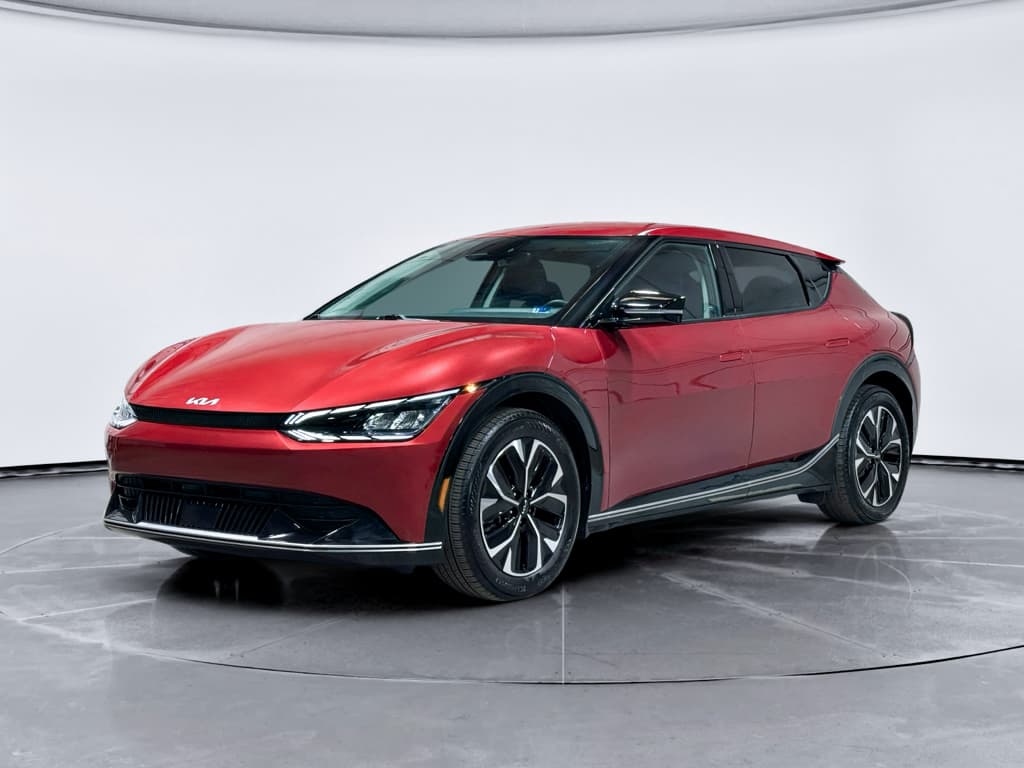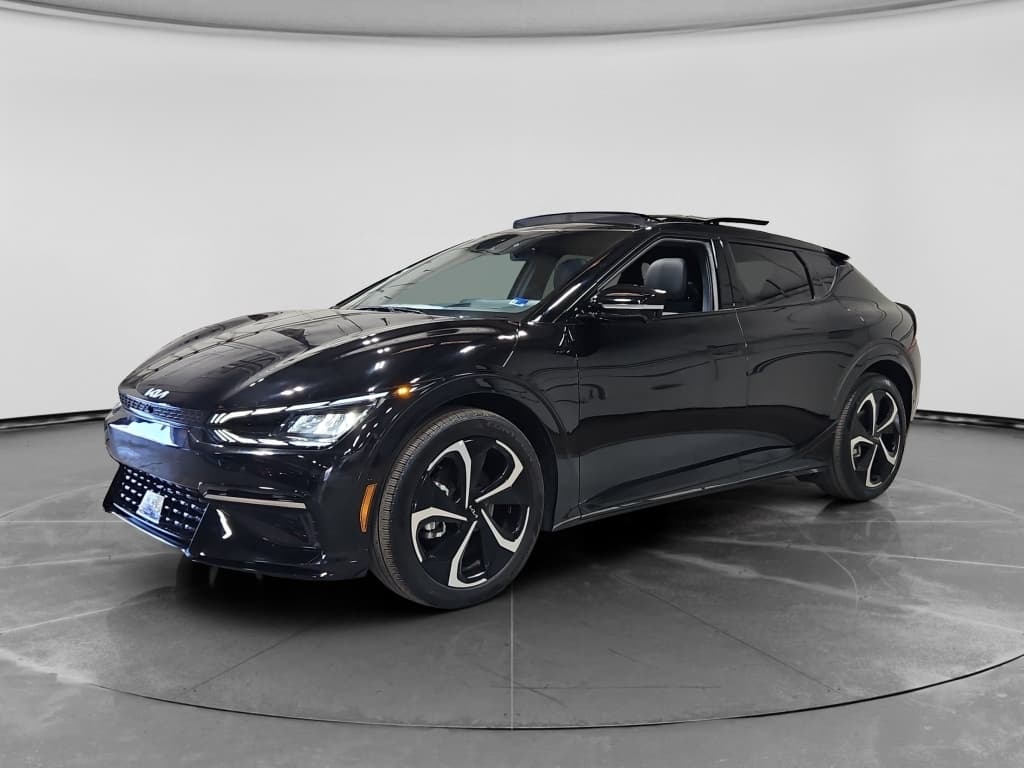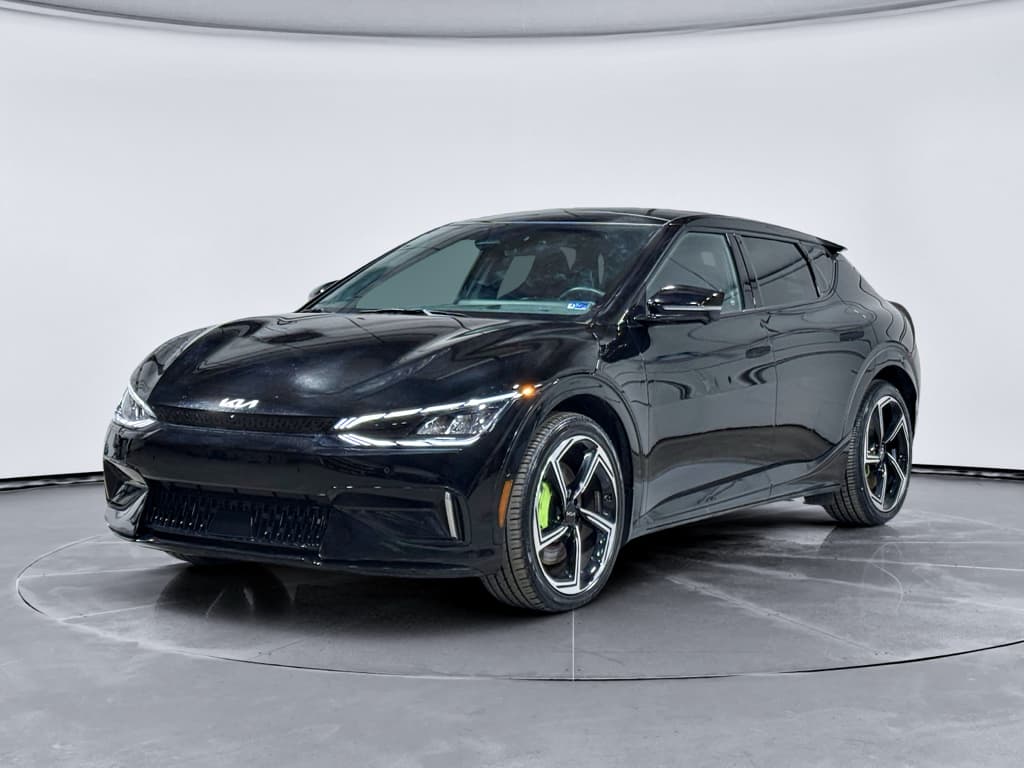
Search for a 2024 Kia EV6 reliability rating and you’ll find two very different stories. Owner reviews often sound mostly positive, but some survey data and headlines now lump the EV6 in with the “least reliable” new cars. If you’re trying to decide whether to buy or lease one, especially used, those mixed signals are exactly what you need to unpack.
Quick take
2024 Kia EV6 reliability at a glance
2024 Kia EV6 reliability snapshot
Different organizations slice reliability data in different ways, but the pattern that emerges for the 2024 EV6 is consistent: average to slightly below average mechanical reliability with above‑average owner satisfaction. In plain English, most people love how the car drives and charges, but there’s enough serious trouble in a minority of cars to pull the statistics down.
How the 2024 Kia EV6 reliability rating is calculated
When you see a headline number like a “2024 Kia EV6 reliability rating,” it’s really a blend of different inputs: large‑scale owner surveys, hard failure data (recalls, NHTSA complaints), and smaller‑sample owner reviews. Each of these has blind spots, so you want to understand what’s underneath the score before you let it scare you, or lull you into complacency.
What’s behind the EV6 reliability score?
Three main data streams feed the 2024 EV6’s reputation.
Survey scores
Independent organizations survey tens of thousands of owners about problems across 12+ systems (electrical, in‑car tech, climate, body hardware, etc.). The EV6 tends to land below average among all vehicles but mid‑pack within EVs, which are still less reliable than gas cars overall.
Recalls & complaints
Regulators log formal recalls and owner complaints for serious issues. Early EV6 model years saw a wave of complaints around ICCU failures and some electrical problems; 2024 still shows activity but at a lower volume so far.
Owner reviews
Sites like KBB and forums capture unstructured real‑world experiences. Here, the 2024 EV6 often scores around 4/5 for reliability, most owners report few or no problems, but the unlucky minority can have highly disruptive failures.
How to read a “mixed” score
Owner reviews vs. lab scores: who’s right?
What the data labs see
When big survey panels and reliability trackers score the 2024 EV6, they’re looking for problem frequency per 100 vehicles. Electrical issues, in‑car tech bugs, and occasional charging faults show up more frequently than in top‑tier gas cars, dragging the score into the “mixed” or “below average” bucket even though catastrophic failures aren’t widespread.
What real owners say
Browse owner reviews and enthusiast forums and you’ll find a split. Many 2023–2024 EV6 owners report 20,000–40,000 largely trouble‑free miles. Others describe one or two big pain points, most commonly ICCU or 12‑volt issues, that sour the experience even if the car is fantastic the other 99% of the time.
Why both views matter
Common 2024 Kia EV6 problems to know about
Every EV model has a pattern of common annoyances and occasional serious faults. For the 2024 Kia EV6, several themes show up again and again across owner reports, forums, and complaint databases. The goal isn’t to scare you off, but to show you exactly what to watch for on a test‑drive or pre‑purchase inspection.
Common 2024 Kia EV6 issues
Patterns that show up across owner reports, forums, and complaint data.
| Problem area | How it shows up | Severity if it happens | What to do when shopping |
|---|---|---|---|
| ICCU (Integrated Charging Control Unit) failures | Car refuses to charge or throws errors during DC fast charging; in some cases the car will not go into Ready mode. | High – vehicle can be immobilized until repaired. | Ask if any ICCU‑related recalls or TSBs have been completed, review service history, and test AC + DC charging before buying. |
| 12‑volt battery drain or failure | Warning lights, no‑start condition, random system glitches or resets. | Medium – annoying and can strand you, but relatively cheap to fix. | Check age of the 12‑volt, ask about replacements, and look for unexplained electrical gremlins on a long test‑drive. |
| Software/infotainment bugs | Freezing or rebooting center screen, intermittent audio or Bluetooth problems. | Low to medium – frustrating but rarely dangerous. | Confirm vehicle is on the latest software; test drive long enough to cycle navigation, audio, and phone features. |
| Noise & build‑quality issues | Rattles from dash or doors, wind noise from mirrors or seals at highway speeds. | Low – mostly comfort and perceived quality issues. | Drive at highway speed, listen for wind and rattles, and inspect door seals and trim alignment. |
| Charging‑port or flap problems | Charge door not opening/closing smoothly, or physical resistance plugging in. | Low to medium – rarely strands you but can complicate charging. | Inspect the charge port, operate the flap repeatedly, and plug in to both Level 2 and DC fast chargers if possible. |
Not every car will experience these problems, but they’re the ones you want to ask about and test for when evaluating a 2024 EV6.
The ICCU is the headline problem
Recalls affecting the 2024 Kia EV6
By 2026 the EV6 family has accumulated multiple recalls across several model years. The 2024 EV6 doesn’t carry as much early‑production baggage as the 2022 launch cars, but there are still important campaigns you should confirm have been performed.
- Safety‑system logic updates (for example, parking‑distance control and related modules) to prevent false warnings or system shut‑downs.
- Electrical or software campaigns that indirectly relate to charging behavior and ICCU operation.
- Standard EV housekeeping recalls, seatbelt or airbag wiring, child‑seat anchors, or software updates to improve warning‑light behavior.
How to check recall status on a 2024 EV6
Battery and charging reliability on the EV6
One area where the 2024 Kia EV6 actually stands out in a positive way is its 800‑volt battery and DC fast‑charging hardware. Real‑world owners routinely praise its charging speed and consistency compared with other non‑Tesla EVs. When problems do appear, they tend to live in supporting electronics (like the ICCU) or in software, not in the high‑voltage pack itself.
EV6 battery & charging: strengths and weak points
Most 2024 EV6s charge quickly and predictably when healthy.
High‑voltage pack durability
The main traction battery in the EV6 hasn’t shown widespread premature degradation in 2024‑model cars. Normal use with DC fast charging and road‑trip duty appears compatible with good long‑term range, assuming software is up to date and basic charging best practices are followed.
800V DC fast charging
Charging curves are a strong point: owners regularly report short 10–30 minute highway charge stops when plugged into a capable 350 kW station. When charging problems appear, they’re more often tied to ICCU faults or station issues than to the pack itself.
Where problems crop up
The weak link in the chain is the supporting electronics: ICCU failures, 12‑volt issues, and occasional charge‑port glitches. These don’t mean the high‑voltage pack is bad, but they can still immobilize the car until repaired.
Battery health is still a big plus
Ready to find your next EV?
Browse VehiclesIs the 2024 Kia EV6 a good used buy?
So, given everything we’ve covered, how should you interpret the 2024 Kia EV6 reliability rating if you’re shopping used? The honest answer: it’s a high‑reward, moderate‑risk choice. You’re trading the EV6’s excellent performance, range, and charging speed against a more complex electrical architecture that’s still maturing in the field.
Why a 2024 EV6 can be a smart buy
- Modern hardware: You get the updated styling and tweaks over early model years, with fewer first‑year teething issues.
- Fantastic fast charging: Among the best non‑Tesla options for road‑trip charging speed and consistency.
- Compelling value used: Depreciation has already done some work, so you can often buy a lot of EV for less than new‑car money.
- Remaining warranty: Many 2024 cars will still be solidly within their basic and powertrain warranty windows for a few more years.
Where the risk shows up
- ICCU and electrical issues: Still not fully extinct; a small but real chance of an immobilizing failure.
- Dealer experience varies: When problems happen, owner frustration often centers on slow or inconsistent dealer support.
- Software‑heavy car: Like most modern EVs, the EV6 leans on software; if you hate updates and occasional glitches, that’s a trade‑off you should accept going in.
When you might want to skip the EV6
How to shop a used EV6 safely
The good news is that most of the EV6’s reliability risks are discoverable before you buy if you know where to look. Here’s a checklist you can walk through yourself, or let a specialist marketplace like Recharged handle for you.
Used 2024 Kia EV6 reliability checklist
1. Pull a full recall & campaign history
Use the VIN to check NHTSA and Kia’s recall tools, and ask the seller for dealer service records showing which campaigns have already been performed. Missing ICCU‑ or software‑related actions are a red flag until they’re caught up.
2. Ask specifically about ICCU work
Has the car ever failed to charge or needed an ICCU replacement or reprogramming? A documented fix isn’t necessarily a deal‑breaker, but a car that’s had repeat ICCU visits might be one to skip unless it’s been trouble‑free for a long time since.
3. Test both AC and DC charging
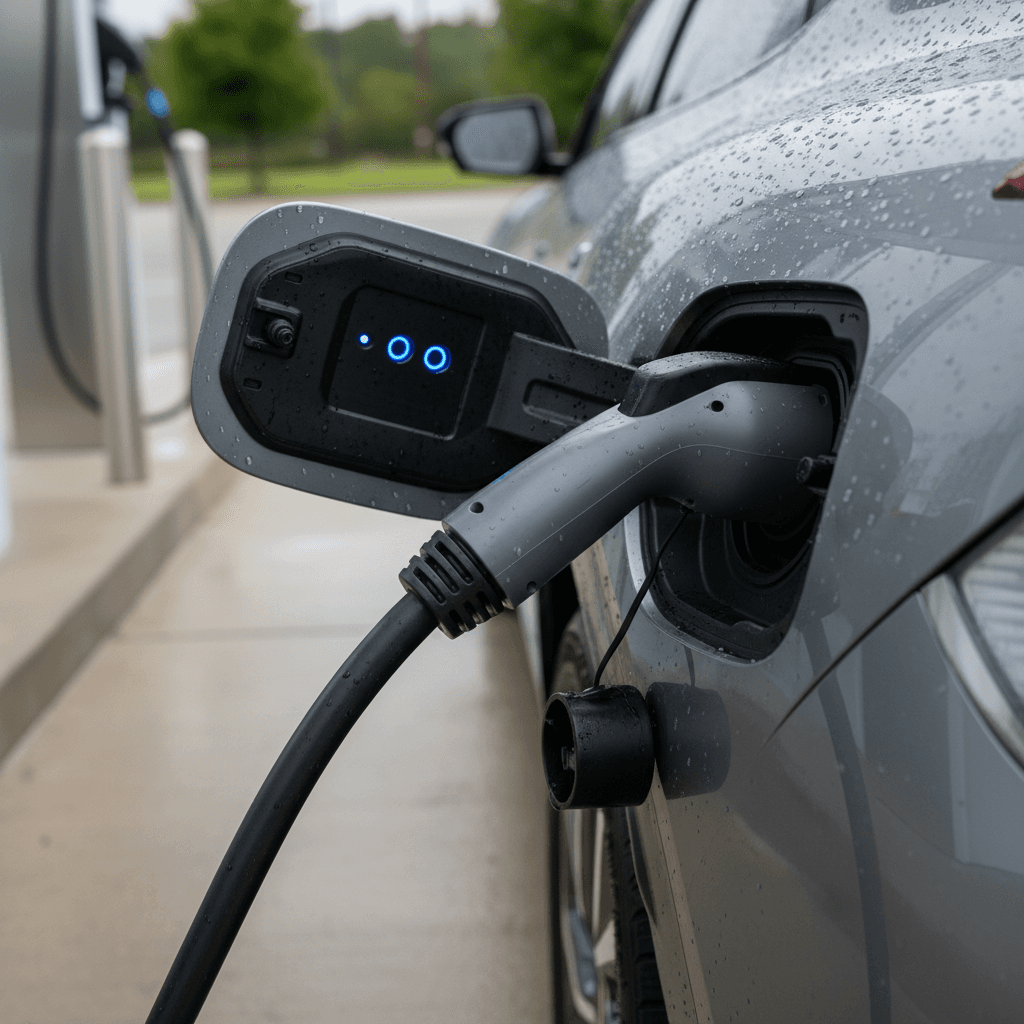
Don’t just plug into a Level 2 charger and call it good. If you can, do a short DC fast‑charge session and watch for abnormal errors, charge rates that fall well below expectations, or the car refusing to initiate a session.
4. Evaluate the 12‑volt system
Ask when the 12‑volt battery was last replaced, and look for prior jump‑starts or battery‑related service. On your test‑drive, watch for random warning lights, unexplained resets, or system glitches that can hint at a weak 12‑volt.
5. Inspect for build‑quality issues
On a highway test‑drive, listen for wind noise, rattles, or buzzing from the dash and doors. Walk around the car and check for misaligned body panels, water leaks in the hatch area, or damaged charge‑port hardware.
6. Get objective battery health data
A healthy EV6 should still show strong usable capacity for a 2024 model. At Recharged, every vehicle gets a <strong>Recharged Score Report</strong> with a verified battery‑health reading, so you’re not guessing based on the dash range estimate alone.
How Recharged de-risks a used EV6
Where the EV6 reliability story goes next
Reliability stories evolve. Early‑run EVs often start rocky and then quietly improve as software matures and updated hardware flows into production. By 2026, that’s roughly where the EV6 sits: no longer a wild experiment, but not yet a boring appliance either. The underlying E‑GMP platform is being shared across multiple Hyundai–Kia models, which should keep pressure on the companies to iron out remaining trouble spots like ICCU robustness and dealer training.
If you’re attracted to the 2024 Kia EV6 for its charging speed, design, and driving dynamics, the mixed reliability rating shouldn’t automatically take it off your list, but it should change how you shop. Focus on cars with clean recall histories, documented software and ICCU updates, solid 12‑volt and battery health, and ideally a seller who can explain what’s been done and why. Whether you buy through a traditional dealer, private party, or a specialist marketplace like Recharged, the right homework up front can turn a statistically “mixed” EV into a personally very reliable one.