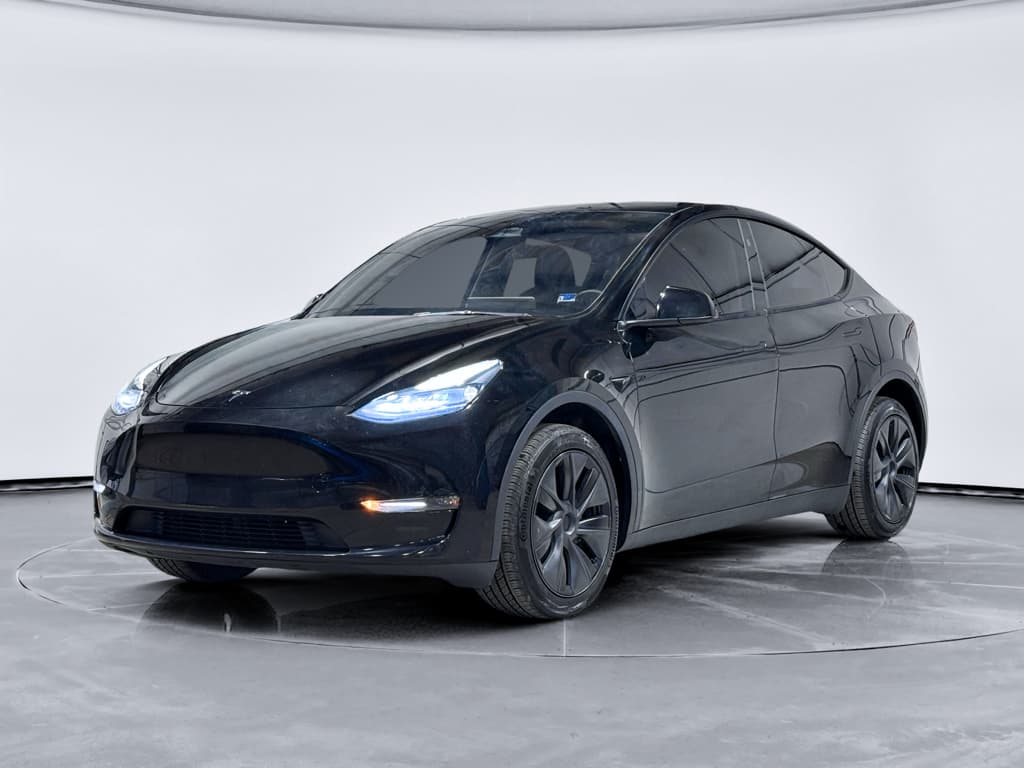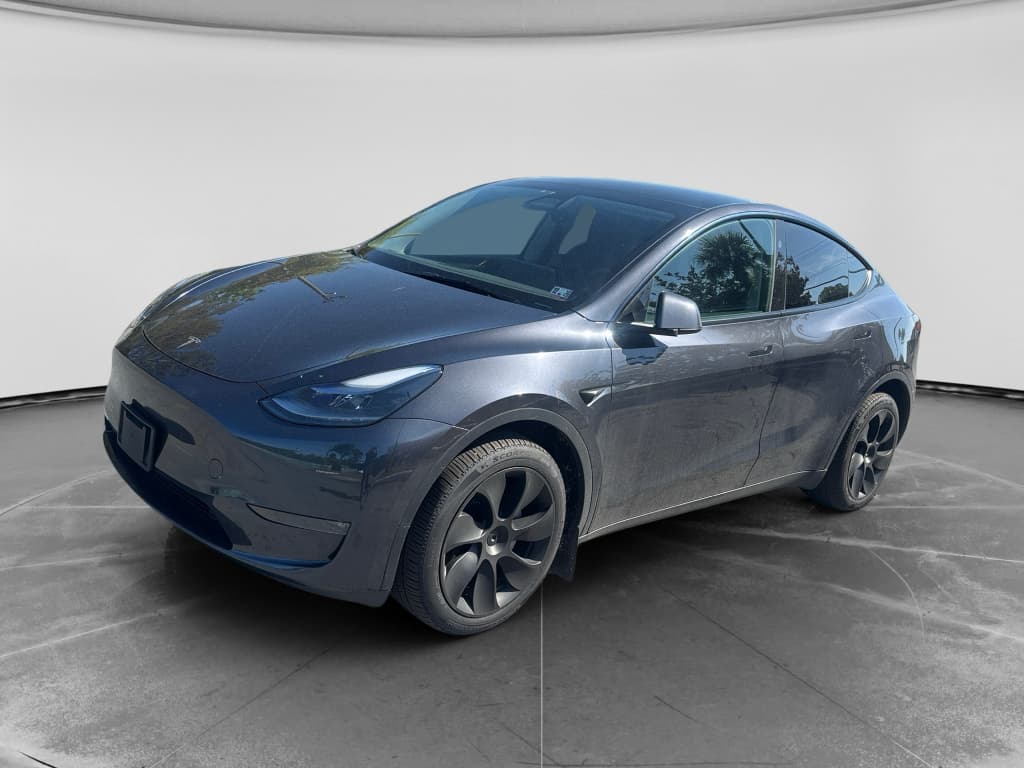
If you’re considering a Tesla Model Y, or already own one, understanding the Tesla Model Y depreciation rate is just as important as knowing its range or 0–60 time. Depreciation is the single biggest ownership cost for most drivers, and EVs behave differently here than gas SUVs. The good news: with the right strategy, you can let someone else absorb the steepest drop and still enjoy a modern, long‑range electric SUV.
Quick takeaway
Why Tesla Model Y depreciation matters in 2026
Depreciation is the silent budget killer. You don’t see a monthly bill for it, but when you trade in or sell your Model Y, the number that really matters is what it’s still worth. EVs in general have depreciated faster than comparable gas vehicles over the past few years as prices, incentives, and tech changed quickly. At the same time, 2024–2025 studies show that Tesla models, especially the Model 3 and Model Y, now sit near the top of the EV class for 5‑year retained value, even if they still lose around 60% of MSRP over five years.
That combination, fast early depreciation but relatively strong long‑term resale compared with other EVs, is exactly why a used Model Y can be such a smart buy. A prior owner took the initial hit; you get a long‑range, tech‑rich compact SUV at a far lower cost per mile. That’s the value equation Recharged is built around: matching you with a used EV whose battery health and fair market price are transparent from day one.
Tesla Model Y depreciation rate at a glance
Model Y depreciation snapshot (typical, not guaranteed)
Important context
Year‑by‑year Tesla Model Y depreciation (1–10 years)
Let’s translate percentages into something more concrete. Below is a simplified, rounded view built from recent Tesla‑specific depreciation analyses and tools like CarEdge and Tesla‑focused calculators. For illustration, we’ll use a $60,000 notional original MSRP for a well‑equipped Model Y (similar to the Long Range/Performance transaction prices many owners saw in 2022–2023). The pattern matters more than the exact dollars.
Illustrative Tesla Model Y depreciation curve (assuming $60,000 original price)
Rounded values based on 12,000–13,500 miles/year, normal use, clean history. Actual numbers vary by trim, options, region, and market swings.
| Vehicle age | Approx. depreciation from MSRP | Approx. value retained | Illustrative resale value* |
|---|---|---|---|
| 1 year | ≈20% | ≈80% | $48,000 |
| 2 years | ≈40–42% | ≈58–60% | $35,000–$36,000 |
| 3 years | ≈50–53% | ≈47–50% | $28,000–$30,000 |
| 5 years | ≈60–61% | ≈39–40% | $23,000–$24,000 |
| 8 years | ≈70%+ | ≈28–30% | $17,000–$18,000 |
| 10 years | ≈72–75% | ≈25–28% | $15,000–$17,000 |
Early years show the steepest drop. After ~5 years, depreciation tends to flatten.
How this compares to fresh data
Notice two key traits in that curve: First, the biggest hit is taken in the first two to three years, when new‑car pricing, incentives, and model updates move quickly. Second, depreciation slows materially after year five. That’s why many value‑minded shoppers look for a sweet spot in the 3–6‑year‑old range: the vehicle is still modern, but much of the heavy depreciation has already happened.
How the Model Y compares to other EVs and gas SUVs
Model Y vs. other EVs
Across the EV segment, 5‑year depreciation has often clocked in around 58–65%, meaning the typical electric vehicle keeps only about a third of its original value after five years. Luxury EVs and early‑generation models (especially those with shorter range) tend to fare worst.
By contrast, recent multi‑brand studies list the Tesla Model Y among the stronger EVs for 5‑year value retention. A ~60% drop over five years isn’t great compared with gas cars, but it’s better than many electric competitors and comes with lower running costs over those same years.
Model Y vs. popular gas crossovers
Typical compact and midsize gas SUVs lose roughly 45–55% of their value in five years. In other words, many mainstream gas crossovers may retain a few percentage points more than a Model Y over that window.
But ownership cost is more than resale. Electricity typically undercuts gasoline on a per‑mile basis, and EV maintenance costs are materially lower, no oil changes, fewer wear items. When you factor in fuel and maintenance, a used Model Y bought at the right point on the curve can compete closely with or beat a comparable gas SUV on total 5‑year cost.
Why used beats new on value
8 factors that move Tesla Model Y values up or down
Main factors shaping your Model Y’s depreciation
Beyond age and miles, these are what used buyers (and lenders) really care about.
1. Battery health & range
2. Mileage & usage
3. Accident & title history
4. Region & climate
5. Service records & recalls
6. Trim, options, and wheels
7. Software features
8. Macro trends & Tesla pricing
Battery health: the #1 driver of used Model Y value
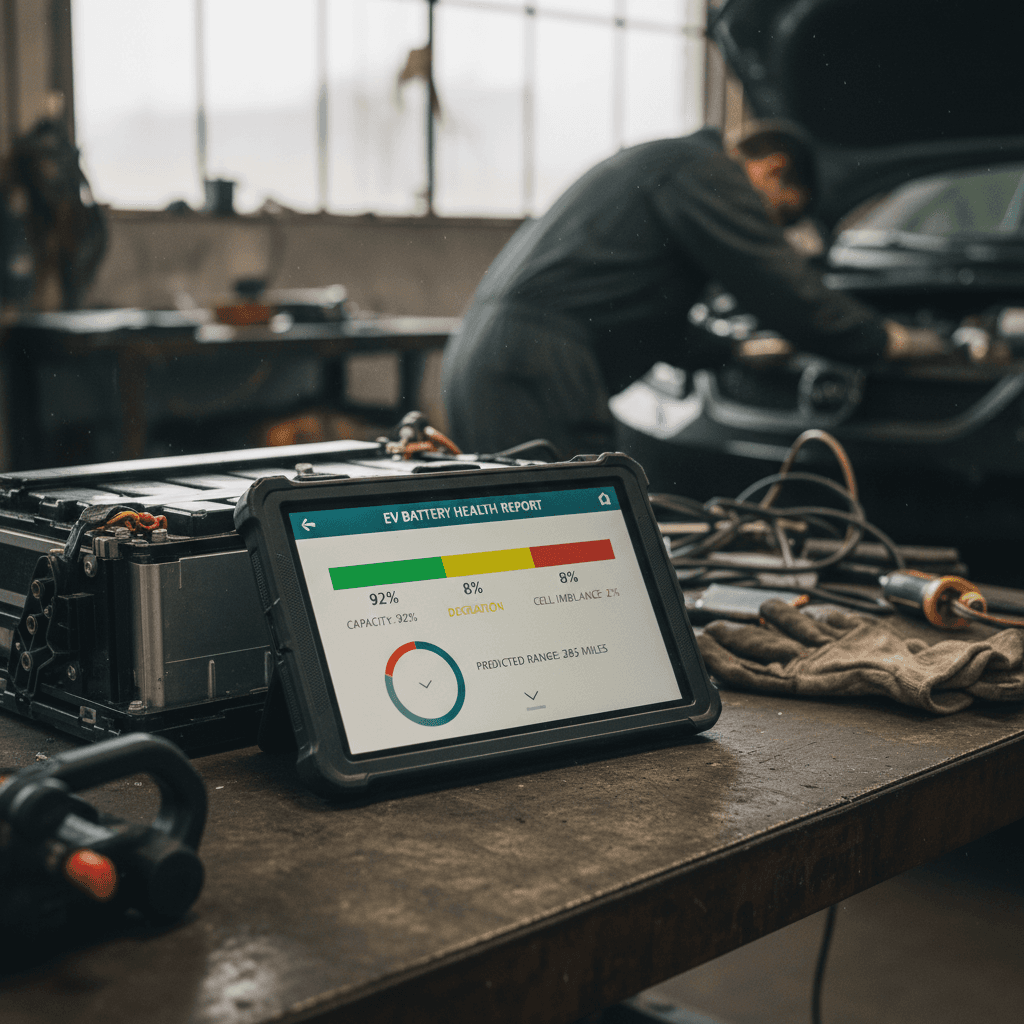
For any used EV, but especially a high‑volume model like the Y, State of Health (SOH) of the battery pack is the single biggest driver of long‑term value. Industry‑wide, modern EVs tend to lose around 1.5–2% of capacity per year, while Tesla packs often track closer to ~1% annually in normal use. That means a well‑cared‑for 6‑year‑old Model Y can still deliver well over 80% of its original range.
The difficulty for most shoppers is that you can’t judge battery health from the odometer alone. Two 4‑year‑old Model Ys with 50,000 miles can be wildly different under the skin, one lightly fast‑charged and kept in a temperate garage, the other fast‑charged daily and baked in desert heat. That’s exactly why every vehicle on Recharged includes a Recharged Score battery health report, using diagnostic data to verify pack condition, estimated remaining range, and likely impact on future resale.
Red flag when shopping used
How to read a used Model Y price tag
Because the Model Y is sold in such high volume, asking prices can range widely for vehicles that look similar at a glance. Here’s how to decode those numbers like a pro and understand whether you’re looking at a fair deal or wishful thinking.
Checklist: Evaluating a used Tesla Model Y price
1. Start with original MSRP
Look up the original window sticker or build sheet if possible. A $70,000 Performance with FSD is not going to follow the same dollar curve as a $50,000 base Long Range, even if age and miles match.
2. Adjust for age and mileage
Use a realistic depreciation curve (roughly 50–53% loss by year 3, about 60% by year 5) as a baseline, then tweak for mileage. Higher‑than‑average miles should pull value down; lower‑than‑average can justify a modest premium.
3. Layer in battery health data
If a Recharged Score or comparable battery report shows strong SOH, say, 85–90%+ on a 5‑year‑old car, that supports the price. If the pack is already approaching 80% or less, you’ll want a discount because usable range and long‑term resale both take a hit.
4. Compare to current new‑car pricing
Tesla moves new‑car pricing often. Sometimes a new, incentivized Model Y winds up surprisingly close to an ambitious used asking price. If a 3‑year‑old Y is only a few thousand dollars below a brand‑new one, the used seller is probably overreaching.
5. Factor in tax credits and fees
Used EVs under certain price caps may qualify for federal or state incentives, while new EV rules have changed. A used‑vehicle credit, reduced sales tax, or lower registration fees can tip the scales in favor of pre‑owned.
6. Include delivery and financing reality
Nationwide delivery, reconditioning, and EV‑savvy financing all affect your real out‑the‑door cost. A slightly higher listing that includes a strong warranty, verified battery diagnostics, and fair‑rate financing (like you’ll see at Recharged) can pencil out better than a bare‑bones private‑party deal.
Tips to protect your Tesla Model Y resale value
- Use home Level 2 charging as your default and save DC fast‑charging for trips; it’s easier on the pack over the long haul.
- Avoid leaving the battery at 100% or near 0% for extended periods, staying mostly in the 10–80% band day‑to‑day is ideal.
- Keep software up to date; over‑the‑air updates can improve range, performance, and safety features, all of which support resale.
- Stay ahead of maintenance items like tires, alignment, and cabin filters, buyers notice how a car feels and smells on a test drive.
- Fix cosmetic issues (curbed wheels, door dings, windshield chips) before you list the car; small repairs can pay back 2–3x in perceived value.
- Document everything: service visits, tire rotations, recall completion, and any professional detailing. A tidy folder of records reassures future buyers and appraisers.
Thinking of selling or trading your Model Y?
Ready to find your next EV?
Browse VehiclesShould you buy a new or used Model Y?
When a new Model Y makes sense
- You plan to keep the vehicle for 8–10+ years and want the full warranty window.
- You need the very latest hardware or features, or expect heavy annual miles.
- You can access strong new‑car incentives or low‑rate financing that narrow the price gap vs used.
If you’re going to drive the wheels off it and keep it through the bulk of its lifespan, the early‑year depreciation matters less, you’re spreading that cost over more years and miles.
When a used Model Y is the smart play
- You want to avoid the steepest 1–3‑year depreciation hit.
- You’re comfortable with a 3–6‑year‑old vehicle that still has plenty of range.
- You value transparency on battery health and fair pricing.
At Recharged, every used Model Y comes with a Recharged Score battery diagnostic, condition report, and fair‑market pricing analysis so you can see exactly how depreciation, mileage, and pack health are baked into the number.
FAQ: Tesla Model Y depreciation & resale value
Frequently asked questions about Model Y depreciation
The bottom line on Tesla Model Y depreciation
The Tesla Model Y depreciation rate looks steep on paper, around 20% in year one, roughly half the value gone by year three, and about 60% by year five. But that story is only half told. When you buy used at the right point on the curve, pair it with verified battery health, and factor in lower fuel and maintenance costs, a Model Y can be one of the smartest total‑cost‑of‑ownership plays in the compact SUV segment.
If you’re shopping for a used Model Y, focus on battery diagnostics, condition, and realistic pricing instead of chasing the lowest advertised number. At Recharged, every vehicle comes with a Recharged Score report, fair‑market pricing analysis, and EV‑specialist guidance from first click to delivery. That way you’re not just buying a used Tesla, you’re buying a clear understanding of how it has depreciated so far, and how it’s likely to hold up in the years ahead.