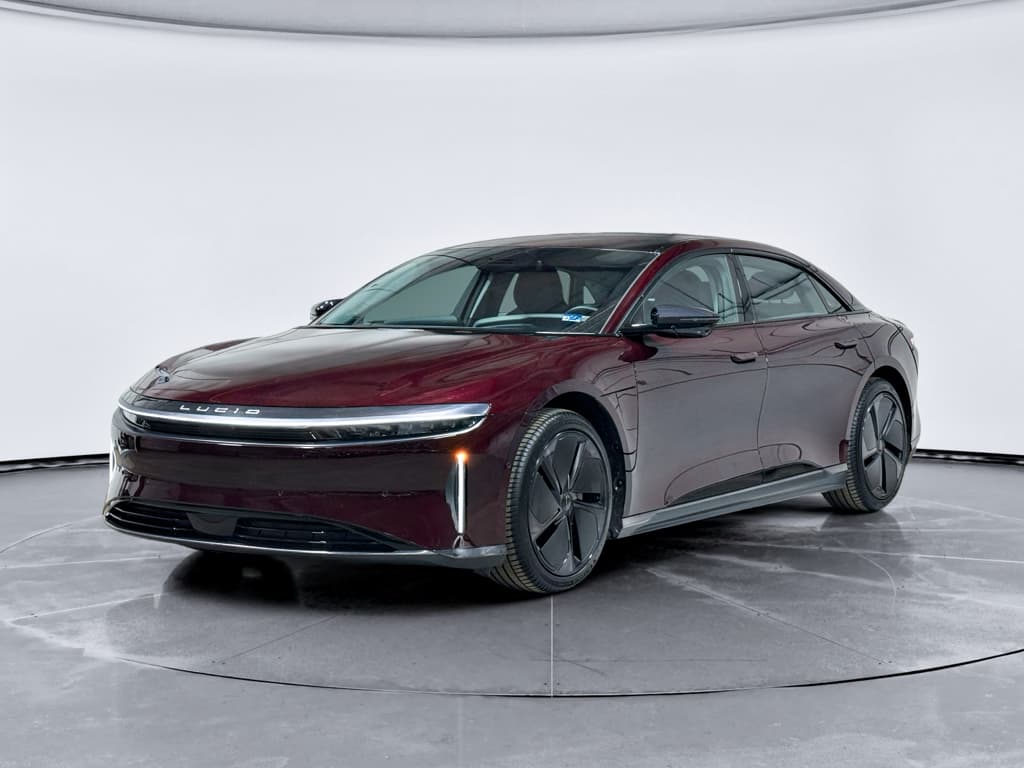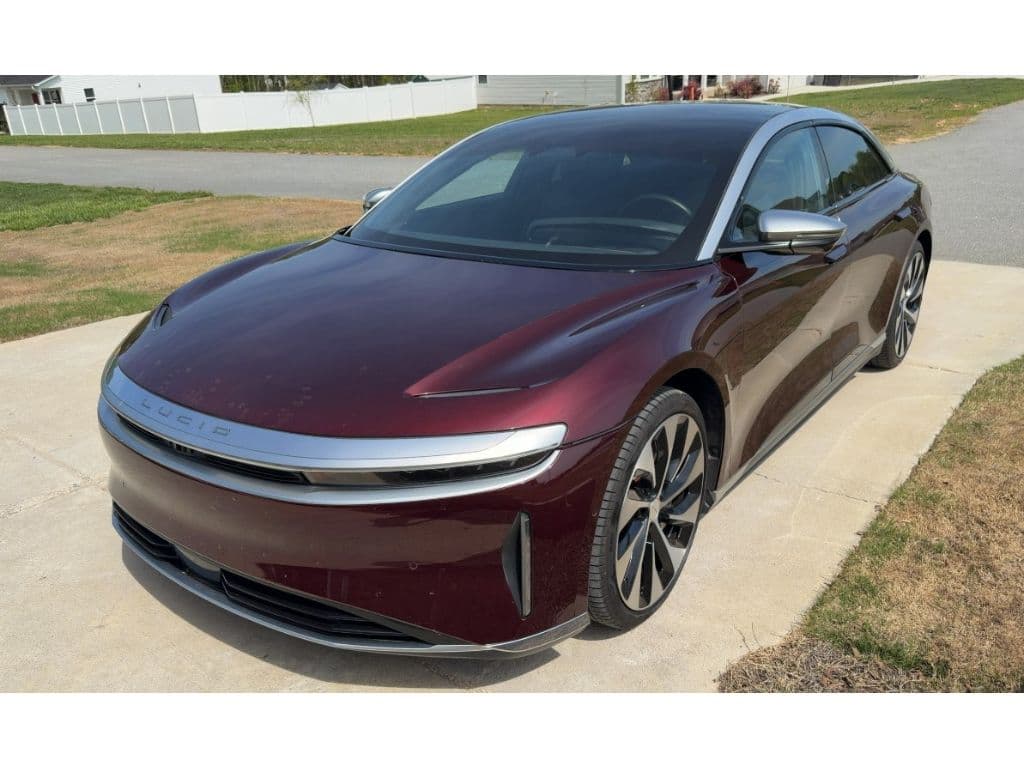
If you’re typing **“sell my Lucid Air”** into a search bar in 2026, you’re not alone. Early Lucid buyers are discovering what the data already shows: the Air’s depreciation has been steep in its first few years on the market, even though it’s one of the most impressive EVs you can drive. That can feel painful if you bought new, but if you handle the sale strategically, you can still protect thousands of dollars of value and move into your next car on your terms.
The short version
Why Selling a Lucid Air Feels Different
Selling any luxury EV is trickier than unloading a mainstream gas crossover, but the **Lucid Air** adds a few twists. It’s a relatively new brand with limited dealer presence, sky‑high original MSRPs, and world‑class range and performance that outstrips what a lot of used‑car pricing algorithms are used to seeing. The result is a resale market that can feel disconnected from the car’s actual quality.
What makes a Lucid Air different to sell?
Three market realities you need to understand first
Steep early depreciation
Early Airs have already lost a large chunk of their original MSRP within a few years, more than many rival luxury EVs. That hurts if you bought new, but it creates compelling price points for used buyers, and leverage if you know your numbers.
High-tech, high-range
EPA ranges around 400–500 miles and cutting‑edge driver assistance make the Air objectively strong. Many buyers know this and will pay more than generic wholesale guides suggest when they see verified condition and battery health.
Thin retail footprint
With far fewer franchise dealers than legacy luxury brands, fewer people know how to price or merchandise a used Lucid well. That’s why choosing **where** you sell matters as much as **when** you sell.
Reality check on expectations
What Is My Lucid Air Worth Today?
By early 2026, the typical **2022–2024 Lucid Air** is trading well below its original sticker price. Market data from valuation sites and transaction analysis shows many Airs sitting roughly **45–65% under their original MSRP** once they hit that three‑ to five‑year window, depending on trim, miles, and incentives when new. In plain English: a car that was $130,000 new might realistically be listing in the $50,000s or $60,000s today, while a more modest Pure or Touring that stickered in the $70,000s can now be found in the $30,000s to $40,000s in some markets.
Lucid Air resale at a glance (2026 snapshot)
Don’t anchor to MSRP
How your Lucid Air’s value changes by sale channel
These ranges are directional and will move with the market, but they show how much money you might be trading for convenience.
| Channel | Typical Price Level vs Best Private Sale | Pros for Lucid Sellers | Cons for Lucid Sellers |
|---|---|---|---|
| Franchise dealer trade‑in | -15% to -25% | Tax credit on trade‑in in some states, fast and simple. | Many dealers are conservative on niche EVs; they hedge against uncertainty. |
| Online instant‑offer sites | -10% to -20% | No haggling, quick payment, nationwide coverage. | Algorithms may undervalue Lucid’s tech and options; fees and transport cuts into your net. |
| Specialist EV marketplace (like Recharged) | -5% to -15% | Marketed directly to EV shoppers; pricing informed by real EV transaction data. | Takes a bit more time than a same‑day wholesale sale. |
| Full private sale | Baseline (100%) | Maximum price potential if you find the right buyer. | You handle marketing, screening buyers, test drives, paperwork, and potential scams. |
Private sale usually nets more than trade‑in, but also demands more work and risk.
Where Should I Sell My Lucid Air?
Once you understand roughly what your Lucid is worth, the next question is *where* to sell it. With a car this specialized, your choice of channel matters even more than it does for a typical SUV or pickup, because the pool of informed buyers is smaller and the spread between the best and worst offers can easily run five figures.
1. Lucid or traditional dealer trade‑in
If you’re moving into another Lucid or just want a clean exit, a dealer trade‑in is the least painful path. You drop the car off, sign paperwork, and your equity gets rolled into the next deal or paid out.
- Pros: Fast, simple, potential tax advantages if your state taxes the price difference.
- Cons: Dealers often bid the car as if it’s going to auction, not to an enthusiast, so they leave margin for themselves and their risk.
2. Online instant‑offer platforms
Carvana, CarMax, Vroom, and EV‑specific buyers will throw out quick offers based on a form and a few photos. For a Lucid Air, they’re often looking at limited data and erring on the safe side.
- Pros: You can shop multiple bids in a weekend without leaving your driveway.
- Cons: Appraisal models may over‑penalize the Air’s steep early depreciation or ignore strong options and battery health.
3. Private party sale
This is where you can usually get the **absolute top dollar** if you’re willing to work for it. Lucid fans know what they’re looking at; if you present your Air well and document its condition, you can beat dealer and instant‑offer numbers.
- Pros: Highest price potential, especially for well‑specced Touring, Grand Touring, and Dream cars.
- Cons: Time‑consuming. You handle screening buyers, test drives, liens, and the risk of fake payments.
4. Specialist EV marketplace or consignment
Platforms like Recharged exist specifically to buy and sell used EVs. Instead of treating your Air like just another VIN in the system, they lean on EV‑specific data, battery health diagnostics, and buyer education.
- Pros: Better audience, more realistic pricing, help with paperwork and nationwide buyers.
- Cons: Not as instant as dropping the keys at a dealer, but much closer to private‑sale money.
Where Recharged fits
How Battery Health Affects Your Offer
With any EV, battery health is the single biggest mechanical variable that separates a great used car from a ticking time bomb. The Lucid Air’s pack and efficiency are among the best in the business, and real‑world reports so far suggest **moderate, non‑linear degradation** rather than a cliff. Still, buyers and lenders are cautious because this is an expensive, high‑energy pack from a young automaker.
- A Lucid Air that still delivers near‑EPA range and shows healthy fast‑charging curves should command a clear premium over one that’s been abused or fast‑charged exclusively.
- Most instant‑offer tools do **not** directly read battery health; they use age and mileage as a proxy, which can over‑penalize a lightly‑used garage queen and under‑penalize a high‑mileage rideshare car.
- Serious buyers and specialist marketplaces increasingly want verifiable battery diagnostics, not just a dash screenshot or “seems fine” in the description.
Turn battery health into a selling feature

Step‑by‑Step: How to Sell Your Lucid Air
Selling a Lucid Air is part pricing exercise, part storytelling. Here’s a practical checklist you can follow whether you choose a fast cash offer, consignment, or a full private sale.
Lucid Air selling checklist
1. Pull realistic pricing benchmarks
Start with valuation tools and active listings for your exact trim, Pure, Touring, Grand Touring, Dream Edition, and model year. Adjust mentally for big options (DreamDrive Pro, Surreal Sound Pro, Glass Canopy) and extra‑low or extra‑high mileage.
2. Confirm your payoff and equity
If you have a loan or lease, call your lender for a 10‑day payoff quote. Subtract that from your target sale price to see your likely equity. This prevents rude surprises once you start getting offers.
3. Document condition & service history
Gather service records, recall paperwork, tire and brake receipts, and any Lucid service center notes. Photograph the car in good light, including wheels, interior, screen close‑ups, and charge port. Honest, detailed documentation supports a stronger asking price.
4. Get battery health checked
If possible, obtain a recent pack health report rather than relying on the dash range estimate. Working with an EV‑specialist marketplace like Recharged builds this into the intake process and outputs an easy‑to‑share report.
5. Decide on your sale channel
Rank what matters more to you: maximum price, speed, or minimal hassle. If you’re time‑poor, an instant offer or Recharged consignment may beat chasing every last dollar in a private sale.
6. Set a firm floor and a flexible ask
For private sales, pick a realistic asking price and an absolute minimum you’ll accept based on your research. For trade‑ins or instant offers, treat the first bid as an opening move and shop it against at least one other option.
Protect yourself in private sales
Timing, Taxes, and Payoff Strategy
With a fast‑depreciating luxury EV, **when** you sell can be worth as much as **how** you sell. Lucid is still adjusting pricing, incentives, and trims, which means your used value can move quickly when a new discount lands or when new product like the Gravity SUV draws attention.
Key timing and money questions to ask
Run through these before you accept any offer
Is a big update coming?
Major software updates, new trims, or fresh factory incentives can shuffle used values. If Lucid announces aggressive new discounts on a model similar to yours, wholesale bids may sag temporarily.
Will a trade‑in cut my sales tax?
In many states, you pay sales tax on the difference between your new car price and your trade‑in value. If you’re moving straight into another EV, that tax savings can offset a lower trade‑in offer.
Are you upside‑down?
If your payoff exceeds your car’s current value, you’re bringing money to the table. In that case, minimizing hassle and rolling negative equity into a cheaper payment may beat holding out for a tiny price edge.
Market vs personal timing
Selling Your Lucid Air With Recharged
Recharged was built around exactly this kind of scenario: **high‑tech EVs whose value traditional channels struggle to price correctly**. Instead of treating your Lucid as an oddball luxury sedan, Recharged leans on EV‑specific analytics, real‑world transaction data, and hands‑on diagnostics.
What Recharged can do for your Lucid Air sale
Options whether you want a quick exit or maximum value
Instant offer or trade‑in
Submit your Lucid Air details online for a fast, transparent offer informed by real EV market data, not just generic books. You can apply the value toward another used EV on Recharged or cash out.
Consignment with EV specialists
Let Recharged list, market, and handle buyer questions for your Lucid, backed by a full **Recharged Score battery health report**. You keep more of the final sale price while avoiding the circus of DIY selling.
Nationwide reach and logistics
Recharged coordinates pickup and delivery across the U.S., so you’re not limited to the handful of Lucid‑savvy shoppers in your zip code. That wider buyer pool is often what unlocks better money for niche EVs.
Ready to find your next EV?
Browse VehiclesWhy Lucid sellers use Recharged
FAQ: Selling a Lucid Air
Selling a Lucid Air: Frequently Asked Questions
Bottom Line: Turn a Tough Market Into an Advantage
Lucid didn’t make it easy on early owners: prices have moved around, incentives have come and gone, and the used market is still figuring out exactly how to value the Air. But that doesn’t mean you’re powerless. If you take the time to understand where **your specific Lucid Air** sits in the market, verify its battery health, and pick the right selling channel, you can turn what feels like a lopsided market back in your favor.
Whether you decide a quick, fair **instant offer** is the right answer or you’d rather **consign your Lucid with EV specialists** and let them do the heavy lifting, you don’t have to navigate this alone. Recharged exists to make complex EV transactions, especially niche, high‑end ones like the Lucid Air, simpler, more transparent, and more financially rational for sellers like you.