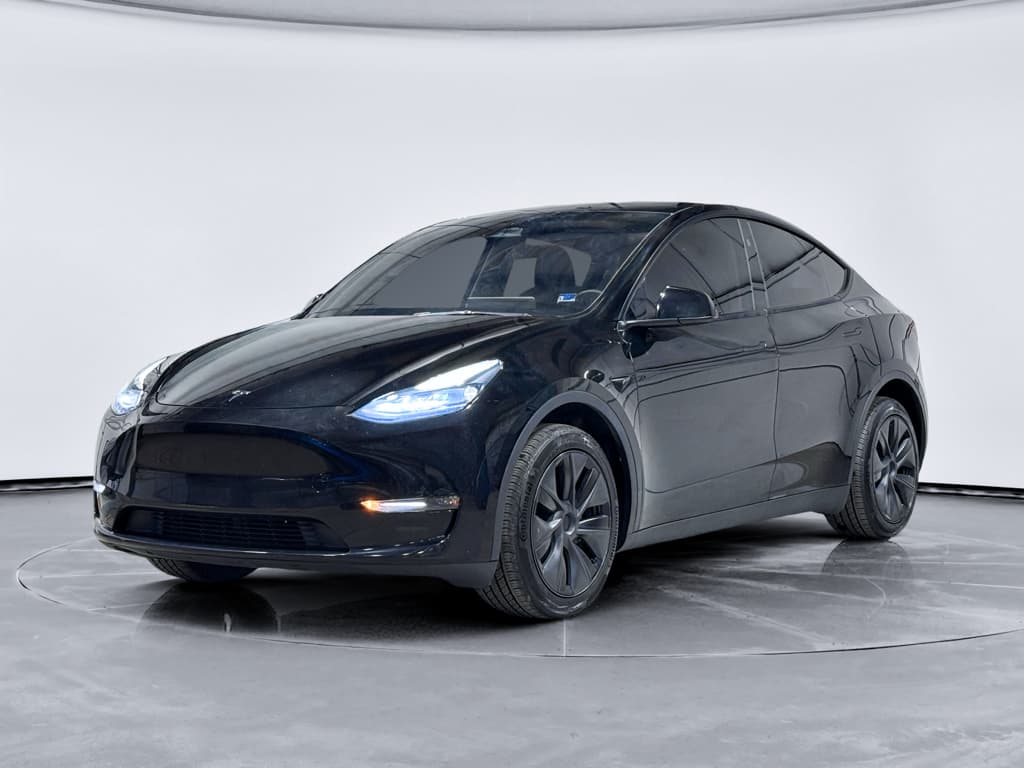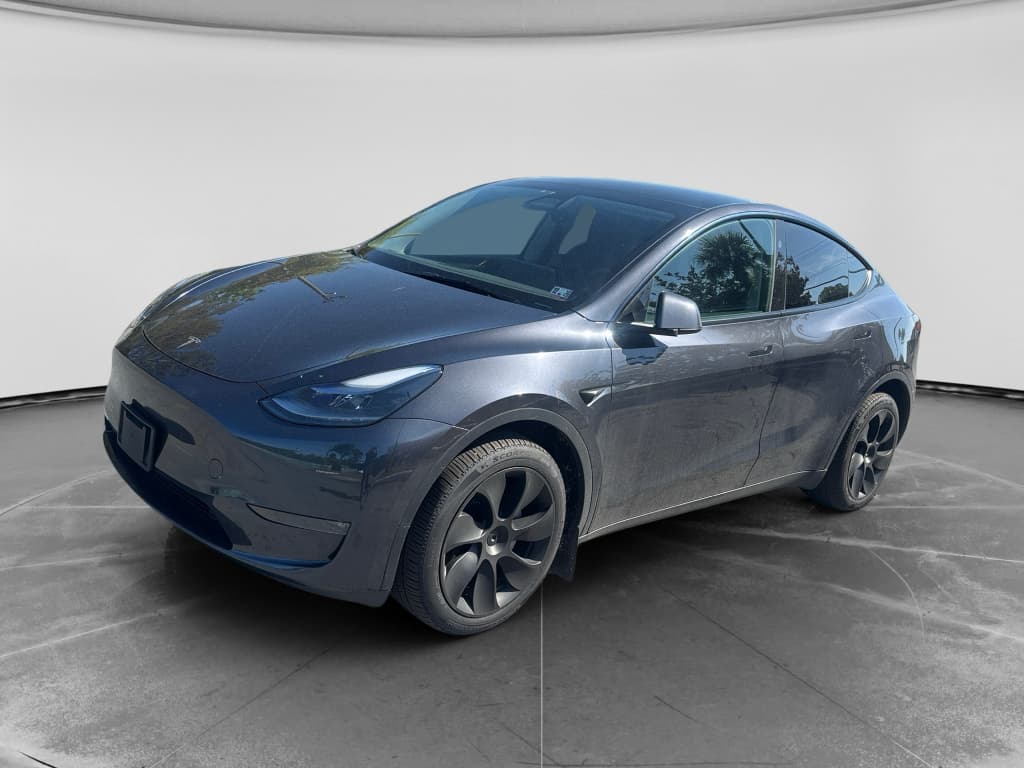
Debating the Tesla Model Y 5-seat vs 7-seat can feel simple on paper, two extra seats for a modest upcharge, but in the real world it’s a trade between people space, cargo volume, and day‑to‑day usability. If you’re shopping new or used, especially on a budget, choosing the wrong layout can make road trips, school runs, or Costco hauls a lot more frustrating than they need to be.
At a glance
Model Y 5-Seat vs 7-Seat: Quick Overview
Key differences between 5-seat and 7-seat Model Y
Same vehicle, two very different personalities
5-Seat Model Y
- Seats: 2 front + 3 across second row
- Cargo max (all seats folded): about 76.2 cu ft including frunk
- Cargo behind second row: about 30.2 cu ft
- Under-floor storage: Deeper twin rear wells plus frunk
- Best for: Families up to 4–5, frequent road trips, pets, bulky gear
7-Seat Model Y
- Seats: 2 front + 3 in second row + 2 in tight third row
- Cargo max (all rear seats folded): about 72.0 cu ft including frunk
- Cargo behind third row: about 12.8 cu ft, think a few carry‑ons
- Under-floor storage: One rear well lost to third‑row hardware
- Best for: Families who occasionally need 6–7 seats more than they need max cargo
Interior dimensions that actually matter
New vs used pricing tip
Seating and Comfort: Who Actually Fits in the Third Row?
Both versions of the Model Y share the same front seats. The difference is what happens behind you. In the 7-seat, Tesla squeezes a two‑person bench under that sloping rear glass, and the second row gains a sliding function so you can trade second‑row legroom for space in the way back.
5-seat Model Y: roomy for five
- Second-row space: About 39–40 inches of rear headroom and 40.5 inches of legroom, enough for adults on long drives.
- Seat comfort: Bench is flat but supportive; three across is realistic for kids or slimmer adults.
- Access: Wide door openings and a low, flat floor make it easy to get in and out, even in tight school‑drop‑off lanes.
7-seat Model Y: who fits in the third row?
- Dimensions: Roughly 34.6 inches of headroom and just 26.5 inches of legroom in the third row, tight for anyone above average height.
- Realistic passengers: Best for kids, pre‑teens, or smaller adults for short hops. Most owners consider it “kids only” for anything more than 30–60 minutes.
- Access: Second row tilts and slides forward to open a path to the back, but it’s still a climb, especially for grandparents or anyone with limited mobility.
Set expectations on third-row comfort
- Second row in the 7-seat slides, so you can borrow space from one row to help the other, but someone loses legroom either way.
- The third row gets cup holders and USB‑C ports, which keeps kids happier on errands.
- Adults can fit back there in a pinch, but knees‑up posture and low headroom make it a short‑trip solution.
Cargo Space: 5-Seat vs 7-Seat by the Numbers
Cargo is where the Tesla Model Y 5-seat vs 7-seat decision really shows up day‑to‑day. Same body shell, same big hatch opening, but the way the rear seats and under‑floor areas are packaged is very different.
Tesla Model Y cargo space comparison
Approximate factory and owner-reported cargo volumes for 5-seat and 7-seat Model Y configurations.
| Configuration | Cargo area | 5-seat Model Y | 7-seat Model Y |
|---|---|---|---|
| Seats up | Behind rearmost seats | ~30.2 cu ft (behind 2nd row) | ~12.8 cu ft (behind 3rd row) |
| Rear seats folded | Behind front seats | ~72.1 cu ft | ~67.9–72 cu ft |
| Maximum total | Including frunk & under-floor | ~76.2 cu ft | ~72.0 cu ft |
| Under-floor rear wells | Hidden trunk space | Two deep wells + side cubbies | One well lost to 3rd-row hardware |
| Frunk | Front trunk | ~4.1 cu ft | ~4.1 cu ft (same) |
Figures rounded; actual usable space varies slightly by year and trim.
How it feels in real life
Everyday Use Cases: Which Layout Fits Your Life?
Numbers are helpful, but the right choice comes down to how you actually use your car. Here’s how the two layouts stack up in common scenarios buyers describe on test drives and in the used‑EV market.
5-seat vs 7-seat in real-world scenarios
Match the layout to your lifestyle, not just the spec sheet
School runs & carpools
5-seat: Great for two kids in car seats or boosters plus an occasional third kid in the middle.
7-seat: Handy when you routinely carry 4–5 kids or add a neighbor’s child. The third row becomes your flexibility buffer.
Road trips & vacations
5-seat: Best choice for long trips, big trunk plus deep under-floor wells and frunk make packing simple.
7-seat: With all 7 seats in use, you’ll likely need a roof box or hitch carrier for anything more than small bags.
Dogs & outdoor gear
5-seat: Lower, deeper cargo well works well for medium and large dogs, crates, bikes, or camping gear.
7-seat: Some owners like using the folded third row as a raised dog platform, but you lose hidden storage depth.
Ask yourself these questions before you pick a layout
Do you truly need 6–7 seats regularly?
If you only need extra seats a few times a year, you might be better off with the 5-seater and an occasional rental or rideshare for big-group events.
How often do you pack the trunk to the roof?
Frequent skiing, camping, or long family road trips favor the 5-seat’s extra cargo volume and deeper rear wells.
Are your kids young, or already tall teens?
Younger kids fit fine in the third row today, but teens will outgrow that space quickly. Think about how long you plan to keep the vehicle.
Do you park in tight garages or urban lots?
Climbing into the third row is tougher in tight spaces. If that’s your daily reality, it’s one more reason to treat the 7-seat as occasional‑use seating.
Will you tow, use a hitch rack, or roof box?
7-seaters with the third row in use often rely on external cargo solutions. Make sure you’re comfortable adding that cost and complexity.
Easy rule of thumb
Towing, Range, and Efficiency Considerations
On paper, Tesla doesn’t dramatically change the tow rating or EPA range just because a Model Y has a third row. But in practice, how you use the vehicle, and how many passengers and bags you’re carrying, does affect efficiency and comfort.
- Towing: Both layouts can be equipped with the factory tow package. Where the 7-seat can feel more compromised is when you’re towing and also trying to seat six or seven people with luggage.
- Weight: The third-row seats and hardware do add some weight, but the impact on day-to-day range is minor compared with driving style, temperature, and wheel choice.
- Charging stops: The more people and cargo you carry, the more critical fast, predictable charging stops become. Whether you go 5- or 7-seat, planning via apps and knowing your preferred networks matters more than the seating layout itself.
Safety reminder for fully loaded trips
Cost, Resale Value, and Used-Market Availability
When new, the 7-seat option has historically added roughly a few thousand dollars to a Model Y’s MSRP. On the used market, that premium usually compresses, especially on higher‑mileage cars, because most buyers still shop the Model Y as a five‑passenger crossover first and a three‑row SUV second.
Cost & pricing dynamics
- New: You’re paying full price for the option, and incentives or discounts don’t always scale with it.
- Used: The price gap between 5- and 7-seat cars is often smaller. If you’re buying a used EV anyway, stepping up to the 7-seat can be relatively affordable.
- Insurance & tax: Insurance quotes usually don’t swing dramatically between layouts, and tax incentives (when available) are tied more to price and VIN than seat count.
Resale value considerations
- Niche demand: The 7-seat layout appeals strongly to a smaller group of shoppers with specific needs.
- Broader appeal: The 5-seat appeals to more buyers, couples, empty‑nesters, small families, and road‑trip enthusiasts, supporting strong resale demand.
- Condition matters most: Battery health, mileage, and accident history usually have a bigger impact on value than whether you have the extra row.
How Recharged de-risks a used Model Y
How to Choose: A Simple Decision Framework
If you’ve narrowed your search to a Model Y but you’re stuck on the seating choice, use this quick framework. It’s the same conversation good sales consultants have with in‑store shoppers, minus the pressure.
Two typical Model Y buyers, and the right layout for each
"Cargo-first" buyer
You regularly road‑trip with 3–5 people and a lot of luggage, sports gear, or pets.
You prefer a simple, flat cargo floor and deep hidden trunk wells.
You rarely need more than 5 seatbelts in one vehicle.
You’d rather keep efficiency and ease of packing than gain occasional extra seating.
<strong>Best fit:</strong> 5-seat Model Y. You’ll use the cargo space every week; you might use a third row twice a year.
"People-first" buyer
You routinely transport 5+ people, kids, teammates, carpool groups, or extended family.
You’re okay sacrificing some cargo space and under-floor storage for extra seatbelts.
For long trips with 6–7 people, you’re willing to add a roof box or hitch carrier.
You value the flexibility of two extra kid‑friendly seats more than a deeper trunk.
<strong>Best fit:</strong> 7-seat Model Y. Think of it as a 5-seater with bonus kid seats for regular use.
Before you sign, do these 4 sanity checks
1. Sit in all three rows
If you’re considering the 7-seat, have the tallest person in your household climb into the third row, then adjust the second row to a realistic position. This five‑minute test will tell you more than any spec sheet.
2. Load your actual gear
Bring a stroller, cooler, golf bags, or luggage to the test drive. Make sure they fit in the trunk the way you expect, especially with the third row up.
3. Think three years ahead
Kids grow, hobbies change, and job commutes shift. Make sure the layout you pick will still work for you a few model years from now.
4. Compare a couple of VINs
On the used market, compare a similarly priced 5-seat and 7-seat Model Y. If the 7-seat premium is small and you’ll use it, that might tip the scales.
Buying a Used Model Y? How Recharged Helps
If you’ve decided on a Model Y, 5-seat or 7-seat, the next question is where to buy. With EVs, battery health and prior fast‑charging habits matter just as much as seat count or paint color. That’s where Recharged is built to help.
Why shop for a used Model Y with Recharged
Seat count is just one piece of the puzzle; we help you see the whole picture.
Verified battery & fair pricing
EV-specialist support
Digital buying & delivery
Ready to find your next EV?
Browse VehiclesFinancing made straightforward
Tesla Model Y 5-Seat vs 7-Seat FAQ
Frequently asked questions about Model Y seating layouts
Bottom Line: When the 7-Seat Makes Sense, and When It Doesn’t
The Tesla Model Y 5-seat and 7-seat versions are really two interpretations of the same idea. One is a highly capable, cargo‑friendly family EV that just happens to seat five; the other is a slightly more compromised cargo hauler that can bail you out when you suddenly need room for six or seven. If you’re loading strollers, sports gear, and luggage more often than extra people, the 5-seat is the safer bet. If those two extra seatbelts will be used weekly, the 7-seat can be a smart move, especially on the used market, where the price gap often shrinks.
Whichever layout you choose, take the time to sit in every row, load your real‑world gear, and review battery health and pricing carefully. A marketplace like Recharged can streamline that process with verified condition reports, EV‑savvy guidance, and flexible digital buying tools, so your Model Y fits both your life today and where you’re headed next.