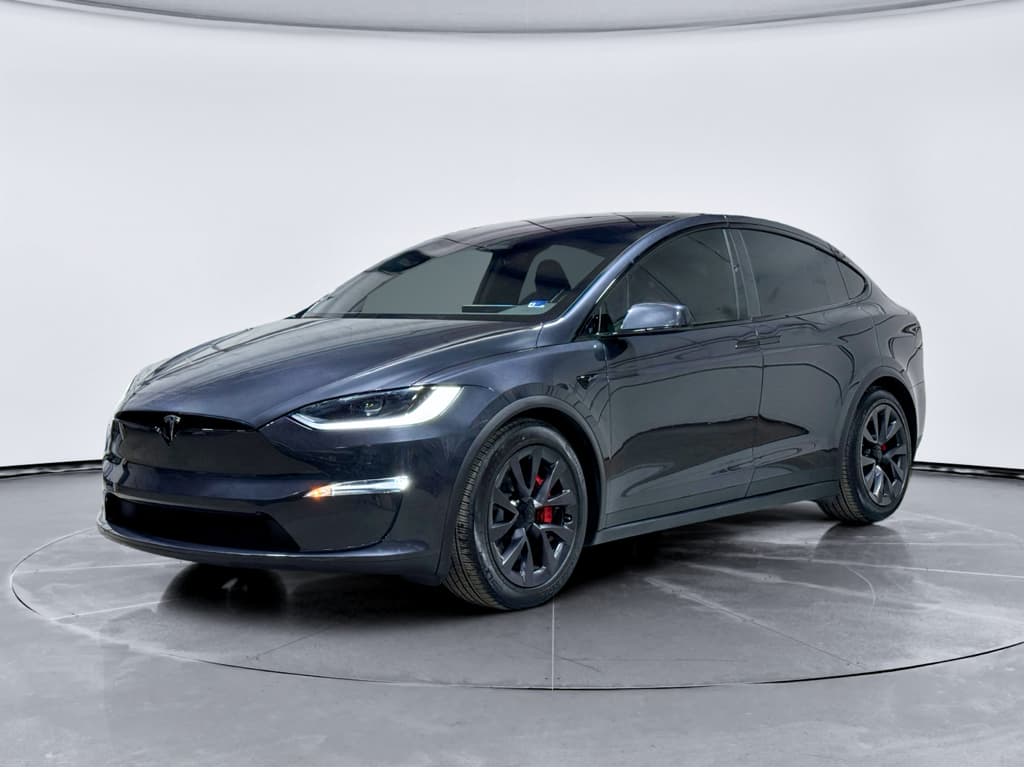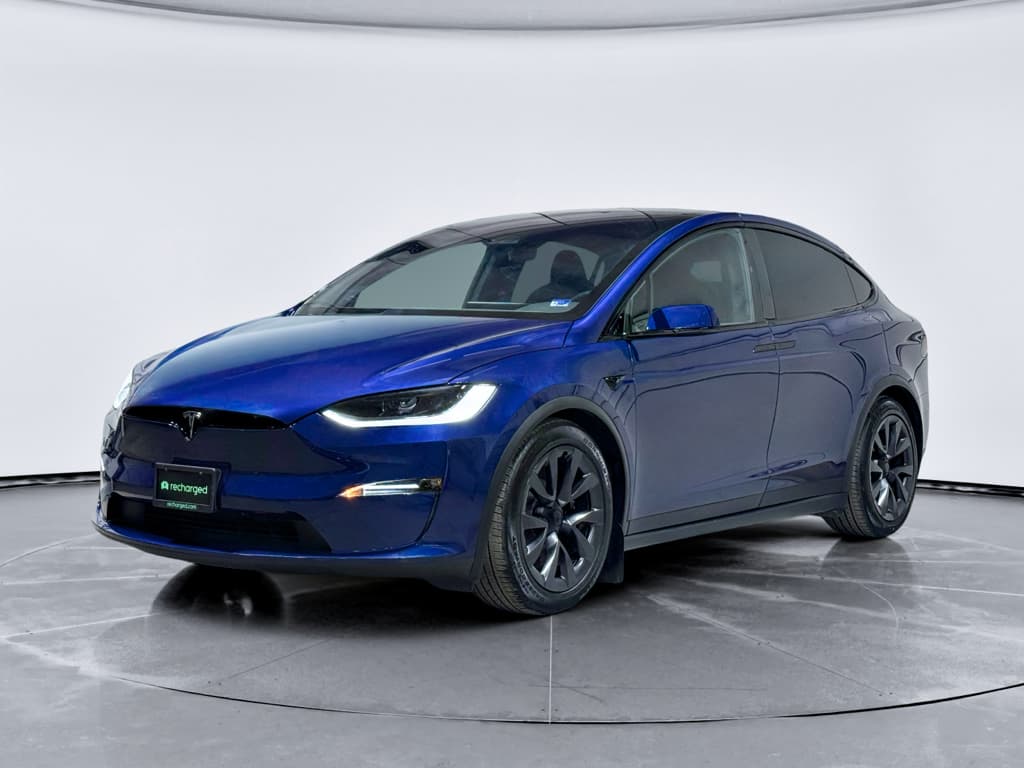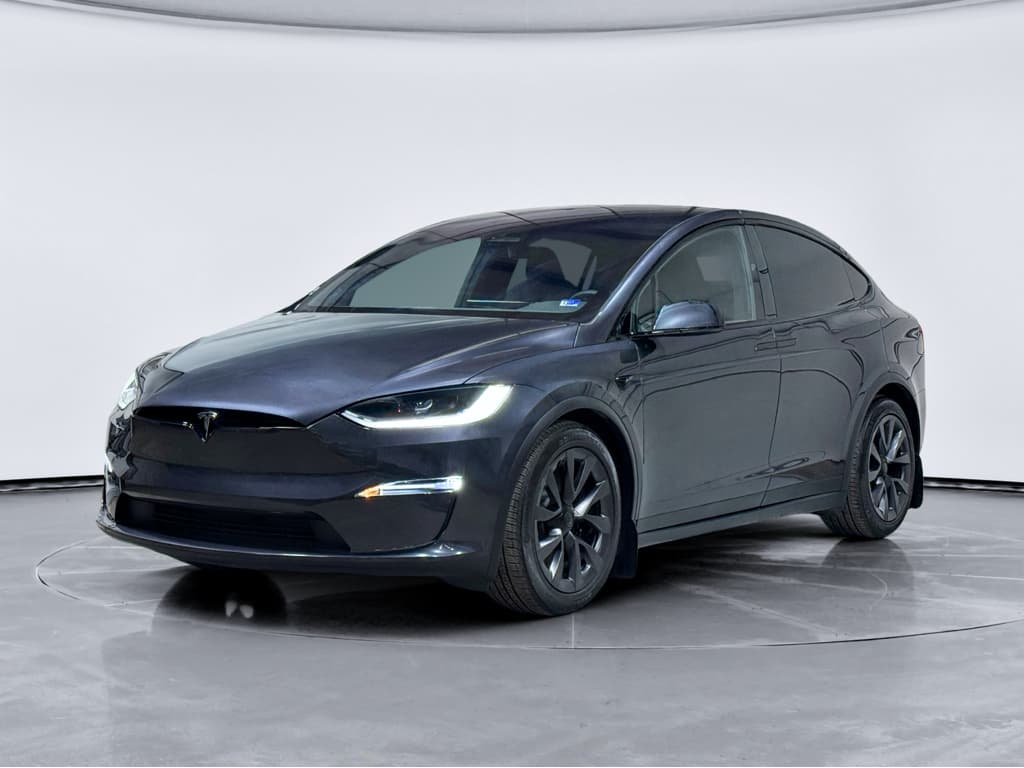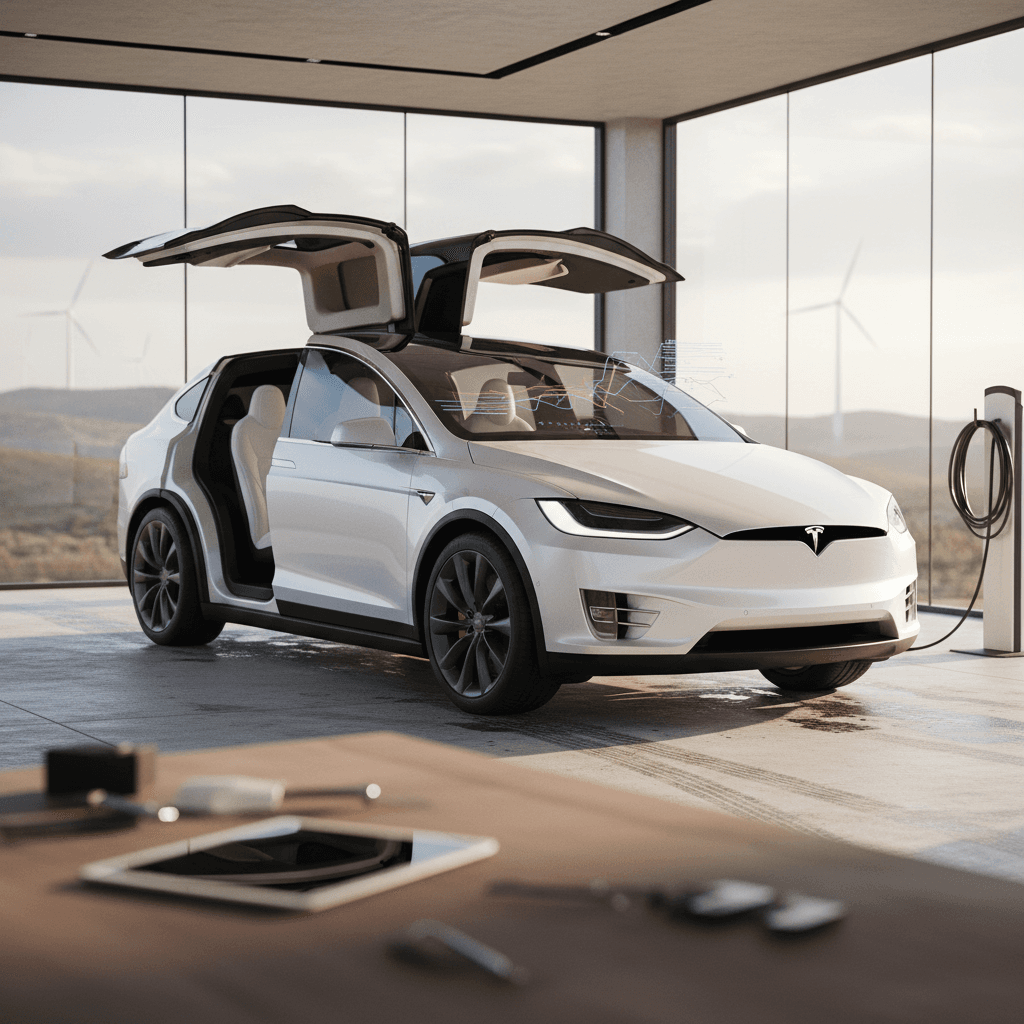
If you’re drawn to the Falcon Wing doors, three-row seating and headline-grabbing performance of Tesla’s big SUV, you’re probably also wondering about one thing: the 2025 Tesla Model X reliability rating. Luxury EVs are complex, and the Model X is one of the most complex of all. Let’s unpack how reliable the 2025 Model X really is, what tends to go wrong, and what that means if you’re shopping one used.
Quick context for 2026 shoppers
2025 Tesla Model X reliability at a glance
2025 Model X reliability snapshot
On paper, the 2025 Tesla Model X looks like a mixed bag. Owners generally report strong satisfaction and few outright breakdowns, especially with the electric drivetrain. At the same time, third‑party reliability studies point to a history of fit-and-finish issues, electronics glitches, and frequent recalls across the Model X line. Your experience will depend heavily on how the vehicle was built, how it’s been maintained, and whether its software and recalls are up to date.
How to read “reliability rating”
How major ratings sites score the 2025 Model X
2025 Tesla Model X reliability ratings overview
How leading sources characterize the reliability of the 2025 Model X and the broader Model X line.
| Source | What they measure | 2025 Model X takeaway |
|---|---|---|
| Consumer-oriented owner reviews | Owner‑reported reliability and satisfaction | Above‑average owner reliability scores for the first‑generation Model X, around 4.5–4.7 out of 5 overall. |
| Independent testing organization | Brand and model‑level predicted reliability | Tesla brand scores near the bottom of new‑car reliability rankings; Model X is typically rated below average versus other SUVs. |
| Used‑vehicle reliability study | Long‑term dependability of 5–10‑year‑old cars | Tesla is ranked among the least reliable used‑car brands overall, reflecting issues on older Model S/X and early Model 3/Y. |
| NHTSA complaint/recall data | Safety‑related defects and recall frequency | Model X has accumulated dozens of recalls and a steady stream of complaints about electronics, doors, and driver‑assistance behavior. |
Scores and wording may change over time; always check the original source for the latest details.
You’ll notice the split: owners tend to be happier with their individual Model X than brand‑level studies would suggest. That usually means the core vehicle can be solid, but quality is inconsistent and some owners get hit with more issues than others. For a used buyer, the key is to judge the specific vehicle in front of you, not the averages alone.
Strengths: where the 2025 Model X is reliable
Model X reliability strong points
Areas where the 2025 Model X tends to hold up well when properly maintained
Battery longevity
Motor & performance
Charging reliability
Daily‑driving reliability is where the 2025 Model X can shine. If you treat it like what it is, a very fast, very complex family hauler, and keep up with software updates and basic maintenance, most owners report that it starts every morning, handles long road trips, and doesn’t strand them. The trouble spots tend to be annoyances and repairs that hurt your wallet more than doomsday breakdowns.
Common 2025 Model X issues and weak spots
- Electrical and infotainment glitches, including center‑screen reboots, Bluetooth drops, and intermittent camera issues.
- Door hardware problems, especially Falcon Wing doors and powered front doors not latching, sensing obstacles incorrectly, or making noise.
- Air suspension leaks or compressor problems on higher‑mileage vehicles, which can get expensive out of warranty.
- Wind noise and trim creaks, particularly from frameless doors and large glass areas.
- Occasional HVAC issues like weak cabin heat or A/C performance that require software or hardware fixes.
Luxury complexity cuts both ways
Most of these issues are manageable if you catch them early. A door adjustment, a sensor replacement, or a suspension component isn’t unusual on a high‑content luxury SUV, EV or not. What can catch owners off‑guard is that out‑of‑warranty Tesla repairs often cost more than comparable work on a mainstream brand and not every independent shop is comfortable with the Model X yet.
Recalls and safety concerns to know about
Across its life cycle, the Model X has accumulated dozens of safety recalls, many of them shared with the Model S. The good news: Tesla can address many of these with over‑the‑air software updates, sometimes before you’re even aware there’s an issue. The bad news: the volume of recalls underscores how frequently problems are discovered after vehicles are on the road.
- Software‑based recalls to address issues such as camera visibility, warning chimes, and driver‑assistance behavior.
- Hardware‑related recalls tied to airbags, seatbelt systems, and suspension components on specific production ranges.
- Ongoing federal scrutiny of Autopilot and Full Self‑Driving behavior following crashes where the systems were reportedly in use.
Always verify recall completion
Battery health, range and charging reliability
Battery degradation expectations
For most Model X owners, the battery pack holds up well. After several years, many drivers report roughly 5–10% loss of usable range, depending on mileage and charging habits. That’s typical, or better, compared with other early‑adopter EVs.
Where you can run into trouble is with vehicles that spent a lot of time at high state‑of‑charge, were fast‑charged almost exclusively, or lived in very hot climates. Those conditions can accelerate wear.
Charging and thermal management
Tesla’s liquid‑cooled batteries and sophisticated thermal management give the Model X good resilience in both hot and cold weather, though winter range loss is still noticeable. The car does a solid job protecting the pack from abuse behind the scenes.
Fast‑charging speeds on a healthy pack remain strong compared with many rivals, but older or heavily used packs may taper earlier on DC fast chargers.
How Recharged helps on battery health
Software and Autopilot reliability
By 2025, the Model X is essentially a rolling software platform. That’s part of the appeal, new features and improvements arrive over the air, but it also means your day‑to‑day experience depends heavily on how stable the latest software build is on your specific hardware.
Software & driver‑assist reliability: pros and cons
Where the 2025 Model X’s tech helps, and where it can frustrate
Pros: OTA fixes and features
- Many bugs and recalls can be addressed remotely, without a service visit.
- Range estimation, trip planning, and charging logic have steadily improved over time.
- New driver‑assistance capabilities continue to roll out to supported hardware.
Cons: occasional regressions
- Some updates introduce new glitches, camera artifacts, phantom warnings, or UI lag, that get cleaned up later.
- Autopilot/FSD changes can alter lane‑keeping or braking behavior in ways owners may not expect.
- Different hardware generations (HW3 vs HW4) don’t always get the same features or polish at the same time.
Driver‑assist is not a reliability feature
How the 2025 Model X compares to other luxury EV SUVs
Reliability comparison: 2025 Model X vs other luxury EV SUVs
Generalized view based on public ratings and early owner data for 2025‑era luxury EV SUVs.
| Model | Brand reputation for reliability | Typical owner reliability feedback | Key reliability narrative |
|---|---|---|---|
| Tesla Model X | Below average overall | Above‑average owner ratings for drivetrain; mixed for electronics and doors | Strong battery/motor durability but frequent recalls and quality quirks. |
| BMW iX | Average to above average | Mostly positive, some software and air‑suspension complaints | Solid build quality; software not as fast‑evolving but also less glitch‑prone. |
| Mercedes EQS SUV | Average | Good ride quality; some electronics and infotainment issues | Complex tech stack means occasional glitches; dealer network is broad. |
| Audi Q8 e‑tron | Above average | Generally trouble‑free, modest range compared with Tesla | Conservative engineering, fewer surprises but also less headline performance. |
Scores here summarize patterns from multiple sources; exact numbers vary by study and model year.
If bulletproof reliability outranks everything else for you, there are luxury EV SUVs from German brands that may age more gracefully than a Model X, especially when it comes to squeaks, rattles, and minor electronics. If you value charging convenience, range, and performance as much as long‑term durability, the 2025 Model X remains very competitive, just be prepared for more software quirks and potential trips to the service center.
Should you buy a used 2025 Tesla Model X?
Who the 2025 Model X fits well
- You want a three‑row EV with serious range and access to Tesla’s Supercharger network.
- You’re comfortable with a tech‑heavy vehicle and don’t mind occasional software updates or UI changes.
- You prioritize acceleration, cabin space, and charging convenience over absolute rock‑solid reliability.
Who might be happier elsewhere
- You dislike trips to the service center and want the lowest possible risk of repairs.
- You live far from a Tesla Service Center and can’t easily be without the vehicle if something fails.
- You prefer traditional controls and are skeptical of driver‑assist systems.
Where Recharged fits in
Ready to find your next EV?
Browse VehiclesRecharged checklist: what to inspect on a used Model X
10 reliability checks before you buy a 2025 Model X
1. Confirm software and recall status
From the center screen, check that the car is on a current software version and that there are no outstanding recalls or service campaigns. Ask the seller for a printout or screenshots of recent updates.
2. Review battery health and real‑world range
Use a battery‑health report (like the Recharged Score) and a full‑charge estimate to see how much range the car has lost. A modest reduction is normal; a big drop may indicate heavy fast‑charging or abuse.
3. Inspect and test all doors
Operate the Falcon Wing doors, powered front doors, and rear hatch multiple times in tight spaces and on an incline. Listen for pops or grinding, and make sure sensors accurately detect obstacles.
4. Check air suspension operation
Cycle through all ride‑height settings and drive the car over bumps at low speed. Watch for warning messages, uneven ride height, or excessive bouncing that could point to leaks or worn components.
5. Verify camera and sensor performance
Test all exterior cameras and parking sensors in different lighting conditions. Grainy feeds, error messages, or blind‑spot warnings that cut in and out deserve a deeper look.
6. Evaluate infotainment responsiveness
Use navigation, music streaming, and phone pairing for at least 10–15 minutes. Frequent freezes, lag or reboots may be solvable with software, but could also signal aging hardware.
7. Test HVAC in heat and cool modes
Run the climate system in Auto, then switch to manual. Verify strong heat and A/C, defroster performance, and quiet operation from fans and pumps.
8. Listen for wind noise and rattles
At highway speeds, listen carefully around the A‑pillars, windshield, and Falcon Wing seals. Excess wind noise can be tiring and sometimes costly to chase down.
9. Scan service history
Ask for Tesla service records. Repeated visits for the same issue or major unscheduled repairs (especially suspension or electronics) are a red flag.
10. Get an EV‑savvy inspection
Have the vehicle inspected by a technician who understands Teslas and high‑voltage systems, or buy from a marketplace like Recharged that already performs this due diligence for you.
FAQ: 2025 Tesla Model X reliability
Frequently asked questions about 2025 Model X reliability
Bottom line on 2025 Model X reliability
The 2025 Tesla Model X combines tremendous capability with a reliability profile that’s best described as “good enough if you’re prepared.” The battery, motors, and charging experience are strong, and many owners report trouble‑free daily use. At the same time, Tesla’s brand‑level reliability record, frequent recalls, and the Model X’s sheer complexity mean you should expect more squeaks, service visits, and software quirks than you would from a simpler SUV.
If you’re comfortable trading some predictability for cutting‑edge tech and performance, a well‑vetted 2025 Model X can be a rewarding choice, especially bought used at a substantial discount from its original price. Just be selective, lean on objective data like a Recharged Score battery‑health report, and treat a thorough pre‑purchase inspection as non‑negotiable. That way, you’re far more likely to end up with an EV that thrills your family rather than testing your patience.