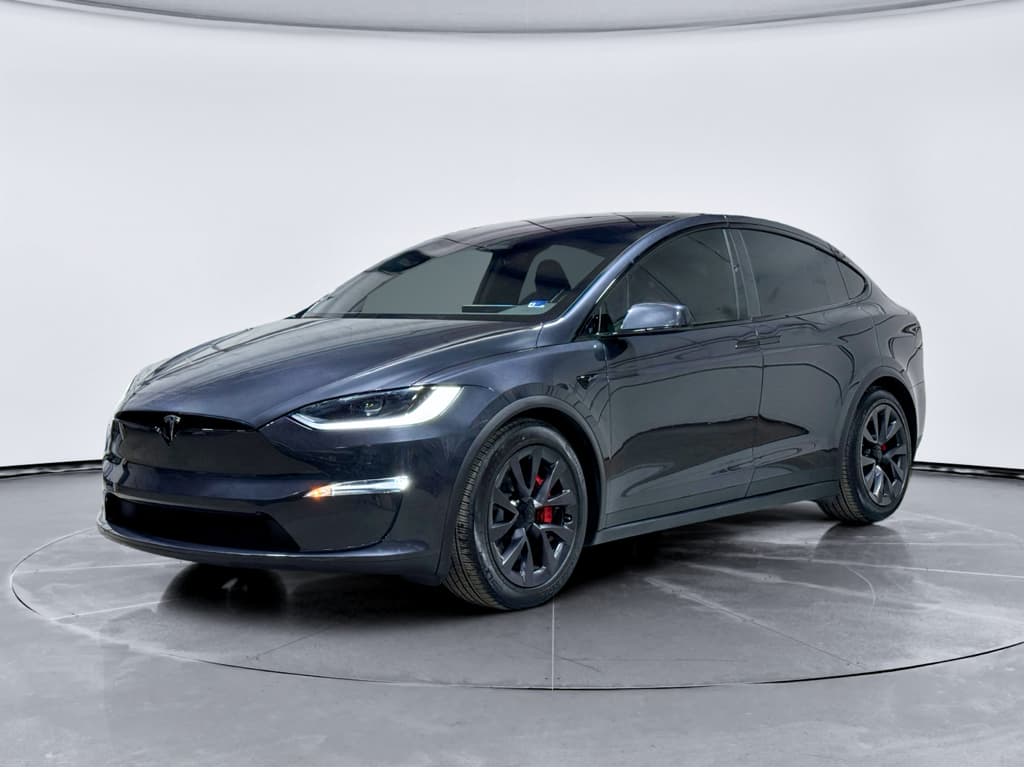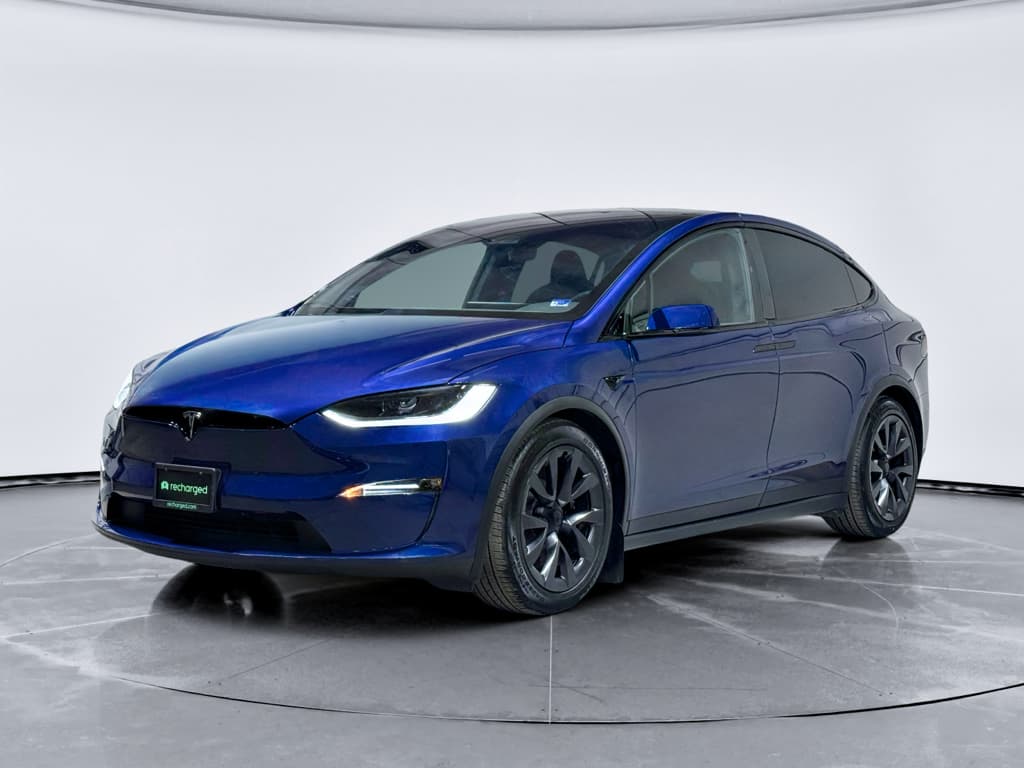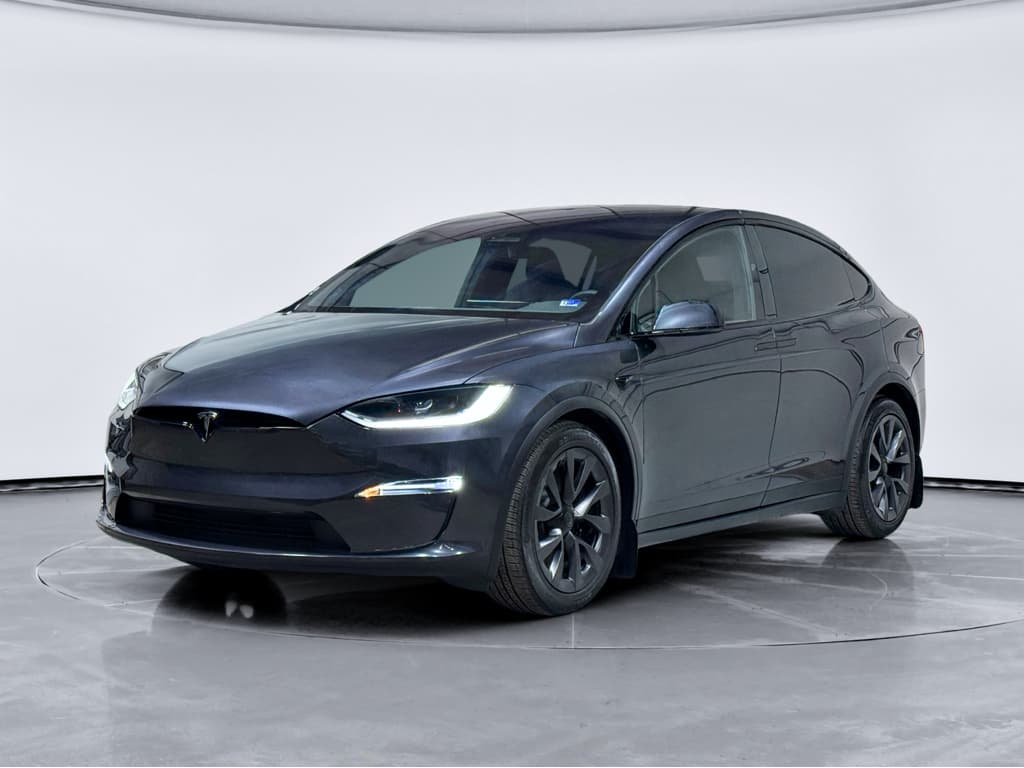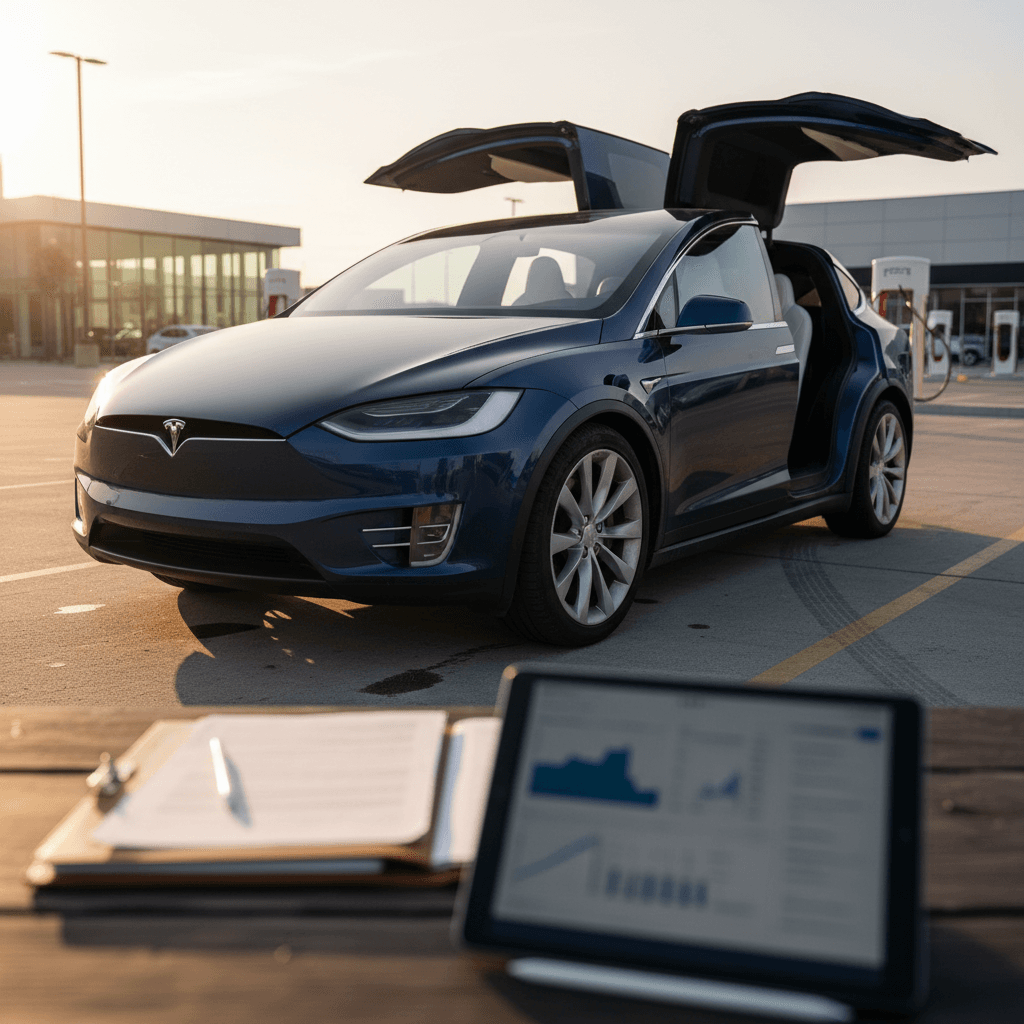
If you own a Tesla Model X, or you’ve had your eye on those falcon‑wing doors for years, you’re probably wondering how well this big electric SUV is holding its value in 2025. The Tesla Model X resale value in 2025 looks very different from a few years ago: prices have come down sharply, but that opens the door for smart buyers while making it more important for sellers to play their cards right.
Quick take: Model X value in 2025
Why Tesla Model X resale value matters in 2025
The Model X launched in 2015 as Tesla’s flagship family hauler: three rows, huge glass windshield, and the now‑famous falcon‑wing rear doors. It also launched with six‑figure price tags when nicely optioned. Fast‑forward to 2025 and you’re in a different world: more competition, faster EV tech cycles, and a used‑EV market that’s finally behaving like a normal car market again.
That’s why understanding resale value matters. If you’re selling, the difference between an average listing and a well‑prepared Model X can be thousands of dollars. If you’re buying used, the right year and spec can give you a better SUV for the same monthly payment, or a painful case of buyer’s remorse if you guess wrong on battery health or options.

How the Tesla Model X is depreciating: by the numbers
Tesla Model X depreciation snapshot for 2025
None of this means the Model X is a “bad” ownership bet. It means that luxury EVs are finally acting like luxury cars: massive early depreciation, then a long glide path once the initial hit is baked in. For buyers entering the market in 2025, you’re now letting the first owner swallow a $50,000‑plus loss.
Sticker shock in reverse
Typical used Tesla Model X prices in 2025
Used prices move every week, but by early 2025, there’s a clear pattern. Broadly speaking, here’s where different age bands of Model Xs tend to land in the U.S. retail market when they’re in good condition with average mileage:
Approximate Tesla Model X asking prices in 2025
Typical retail price ranges for used Tesla Model X models in early 2025, assuming clean history and average miles. Local markets and specific specs can push values above or below these ranges.
| Model year band | Mileage typical | Typical asking range | What you’re usually getting |
|---|---|---|---|
| 2023–2025 | Under 25,000 miles | $70,000 – $85,000 | Facelifted interiors, updated tech, Plaid or Long Range trims, still under factory bumper‑to‑bumper warranty. |
| 2020–2022 | 25,000 – 60,000 miles | $55,000 – $70,000 | Strong mix of updated range and performance, many still under 8‑year battery/drive unit warranty. |
| 2017–2019 | 50,000 – 90,000 miles | $38,000 – $55,000 | Sweet‑spot value: modern enough range and tech, past the worst early build‑quality years for most examples. |
| 2016 and earlier | 80,000+ miles | $28,000 – $40,000 | Early production, shorter range, more cosmetic wear; battery health and repair history matter far more than model year. |
Use these as directional ranges, not exact quotes, battery health, options, and regional demand have a big impact.
Don’t shop by price alone
What drives Tesla Model X resale value up or down?
Key factors that move Model X resale value
You can’t change the model year, but several details are absolutely in your control.
Model year & mileage
Accident & service history
Battery health & charging habits
Options and configuration
Not every Model X is created equal. Features that help resale in 2025 include:
- Long Range or Plaid trims over discontinued variants.
- Seven‑seat configuration for families who truly need three rows.
- Popular exterior colors (white, black, gray) with lighter interiors that hide wear.
Unusual colors or sparse specs can be harder to move, even if they were fun to order new.
Overall cosmetic condition
Used EV shoppers have plenty of inventory to choose from in 2025. Curb rash on those big wheels, interior wear, or a cracked windshield are all reasons a buyer will either walk away or demand a discount.
The same goes for noisy air suspension, door alignment issues, or malfunctioning falcon‑wing doors, repairs are expensive, and buyers know it.
Where Recharged comes in
Ready to find your next EV?
Browse VehiclesBattery health: how much does it really matter?
For an electric SUV that started life north of $90,000 in many trims, the battery pack is the beating heart of resale value. The good news: real‑world data on Model S and Model X packs shows they typically retain around 88–90% of their original capacity even after roughly 200,000 miles of use. That’s far from guaranteed for every vehicle, but it’s a reassuring baseline.
- Most Model X packs lose range slowly and predictably when they’ve been primarily charged at home on Level 2 and not driven hard from 0–100% constantly.
- Heavy use of DC fast charging, long‑term storage at 100% state of charge, and extreme heat can accelerate degradation.
- Buyers in 2025 are much more educated on EV batteries; many will ask for documentation or third‑party testing before paying top dollar.
How to show (or check) battery health
2025 market shifts that are helping and hurting Model X values
In 2025, the Tesla Model X is living through a double plot twist. On one hand, used EV prices, especially for Teslas, have softened as off‑lease vehicles flood the market and brand‑new EV competition appears on every corner lot. On the other, the Model X and its sedan sibling, the Model S, are being phased out of Tesla’s new‑car lineup, meaning there may never be a direct replacement for this exact vehicle.
Tailwinds vs. headwinds for Model X values in 2025
Two opposing forces are shaping what your Model X is worth this year.
Headwinds (pushing values down)
- Plenty of off‑lease Teslas hitting the used market, especially from 2021–2022.
- Rapid tech improvements in newer EVs make older infotainment and driver‑assist systems feel dated.
- General EV depreciation has climbed; many five‑year‑old EVs now lose close to 60% of their original value.
Tailwinds (supporting values)
- Model X remains one of the few all‑electric, three‑row luxury SUVs with strong performance.
- Brand recognition and Supercharger access still carry real weight with used buyers.
- Discontinuation can create a “future classic” effect for clean, well‑optioned examples.
What discontinuation really means
Selling a Tesla Model X in 2025: steps to protect your value
Checklist: get top dollar for your Model X
1. Get a professional EV valuation
Start with more than a guess. Use multiple valuation tools, then sanity‑check them against real listings in your region. If you’re considering a trade‑in or instant offer, compare that number to what similar Xs actually sell for, not just what they’re listed at.
2. Gather records and battery documentation
Pull service invoices, tire receipts, and any repair history. Add screenshots of the car’s rated range at typical charge levels. Organized paperwork gives buyers confidence and makes your asking price easier to defend.
3. Fix the obvious stuff first
Curb‑rashed wheels, cracked glass, worn wipers, and overdue maintenance are all negotiation ammo for buyers. Handling the simple items before listing usually nets you more than the cost of repairs.
4. Detail the interior and exterior
The Model X’s interior is a big part of its appeal. A thorough, professional detail, especially on white seats, can be the difference between your SUV feeling like a used car and feeling like a lightly used luxury vehicle.
5. Highlight options that matter
In your listing, call out the features shoppers in 2025 care about: seven‑seat configuration, updated infotainment, premium audio, tow package, and driver‑assistance features. Don’t bury the good stuff.
6. Consider a specialist marketplace
Selling through an EV‑focused platform like Recharged can put your Model X in front of buyers who already understand electric ownership. Our Recharged Score Report and EV‑specialist support help justify stronger pricing than a generic classified listing.
Buying a used Tesla Model X in 2025: smart shopper checklist
From the driver’s seat, every Model X still feels like the future: quiet, quick, and enormous inside. But in the used market, the smartest buyers treat them like what they are, complex, aging luxury vehicles with unique EV wrinkles. Here’s how to stack the odds in your favor.
Key things to check before you buy
1. Verify build year and hardware
Early Model Xs had more teething issues. In 2025, many shoppers prefer 2018+ SUVs for improved build quality, or 2020+ for more modern range and interior updates. Confirm Autopilot hardware version and infotainment upgrades if those matter to you.
2. Inspect battery and charging behavior
Look for consistent rated range, check for error messages, and ask how the car has been charged. A Recharged Score battery health report can quantify degradation and flag suspicious charging patterns before you sign anything.
3. Check doors, seals, and suspension
Falcon‑wing doors should open and close smoothly, without creaks, binding, or leaks. Listen for air‑suspension compressor noise and clunks over bumps. These aren’t dealbreakers by themselves, but they are bargaining chips and potential repair bills.
4. Confirm warranty coverage
Most Model X battery and drive‑unit warranties run 8 years and 100,000–150,000 miles, depending on model year. Know exactly how much time and mileage you have left on major components; this heavily influences resale value and your peace of mind.
5. Compare total cost, not just price
Insurance, tires, and out‑of‑warranty repairs are all more expensive on a Model X than on a mainstream EV. Tools like Edmunds’ True Cost To Own and Recharged’s pricing analysis can help you compare one Model X against other EV SUVs realistically.
6. Line up financing tailored to EVs
Many lenders still treat EVs like oddballs. Recharged can help you <strong>pre‑qualify for EV‑friendly financing</strong> with transparent rates and terms, so you know your real budget before you fall for that fully loaded Plaid.
Tesla Model X resale value vs. other luxury EV SUVs
Put simply, the Model X depreciates faster than most mainstream SUVs but roughly in line with other six‑figure luxury EVs. In fact, it regularly shows up on lists of vehicles with the highest five‑year depreciation, right alongside cars like the Jaguar I‑Pace, Porsche Taycan, and flagship luxury sedans.
How the Model X stacks up on 5‑year depreciation
Approximate five‑year depreciation figures for popular luxury EVs and SUVs, based on recent market studies and valuation tools.
| Vehicle | Segment | Approx. 5‑year depreciation | Notes |
|---|---|---|---|
| Tesla Model X | Large luxury EV SUV | ≈63% | Among the steepest five‑year drops; big original MSRP plus rapid EV tech cycles. |
| Tesla Model S | Large luxury EV sedan | ≈65% | Similar story: high purchase price, fast early‑years depreciation. |
| Tesla Model Y | Compact luxury EV SUV | ≈60% | Depreciates quickly but starts cheaper; huge supply on the used market in 2025. |
| Nissan Leaf | Compact EV hatchback | ≈64% | Lower MSRP but heavy five‑year percentage loss; early range limits hurt older cars. |
| Audi Q8 e‑tron | Luxury EV SUV | ≈55–60% | Less data than Tesla but follows the same luxury‑EV depreciation arc. |
These aren’t guarantees, but they illustrate how the Model X fits into the broader luxury EV picture.
Don’t assume "Tesla = ironclad resale"
FAQ: Tesla Model X resale value in 2025
Frequently asked questions about Model X resale value
Bottom line: is a used Tesla Model X a good buy in 2025?
If you’ve always wanted a Model X, 2025 is finally the year it becomes attainable for far more buyers. The same steep depreciation that stings early owners means you can step into a three‑row, all‑electric rocket ship for the price of a new midsize luxury crossover. The catch is that you have to buy with your eyes open: battery health, build quality, and service history matter more here than with almost any gas SUV.
For sellers, this is not the time to wing it. Clean up the cosmetic issues, document the good stuff, and price based on today’s reality, not yesterday’s headlines. For buyers, partner with people who know EVs, whether that’s a trusted technician or a platform like Recharged that lives and breathes used electric vehicles. Do that, and a well‑chosen Model X can still be one of the most memorable, and surprisingly rational, EV purchases you’ll make.