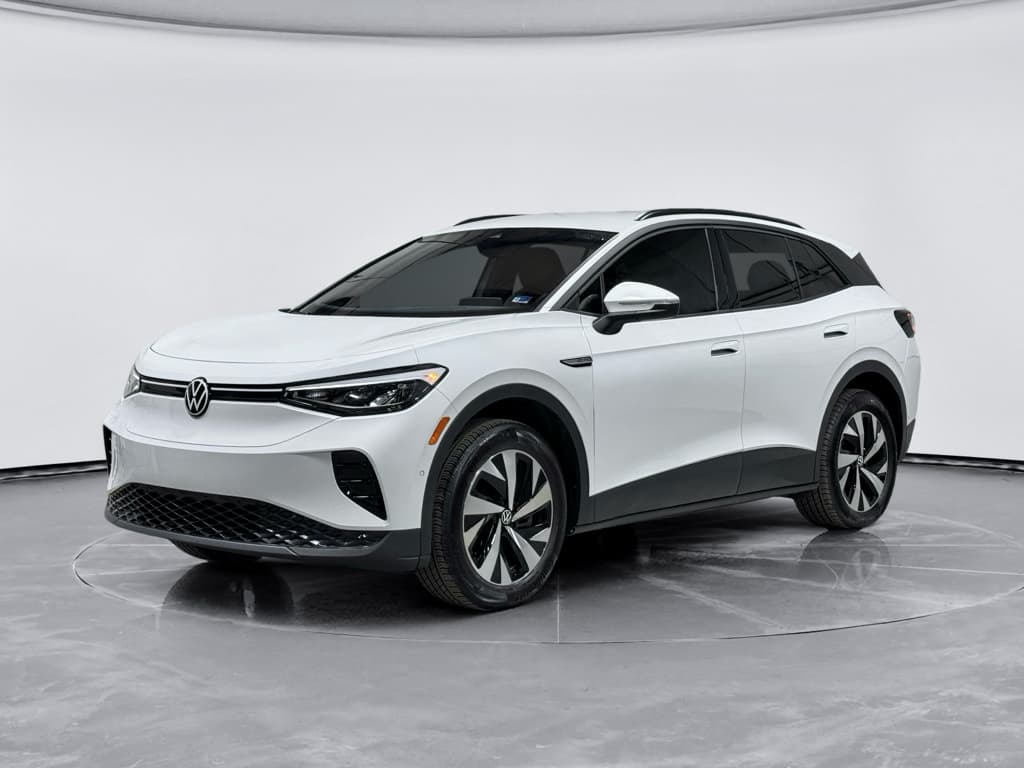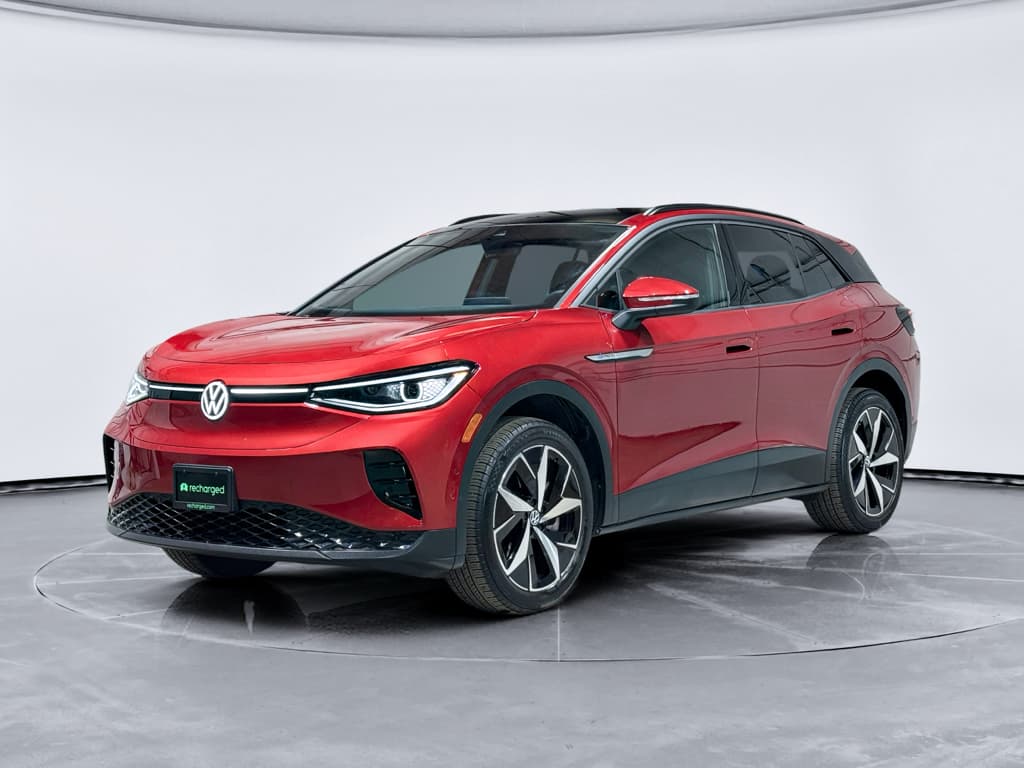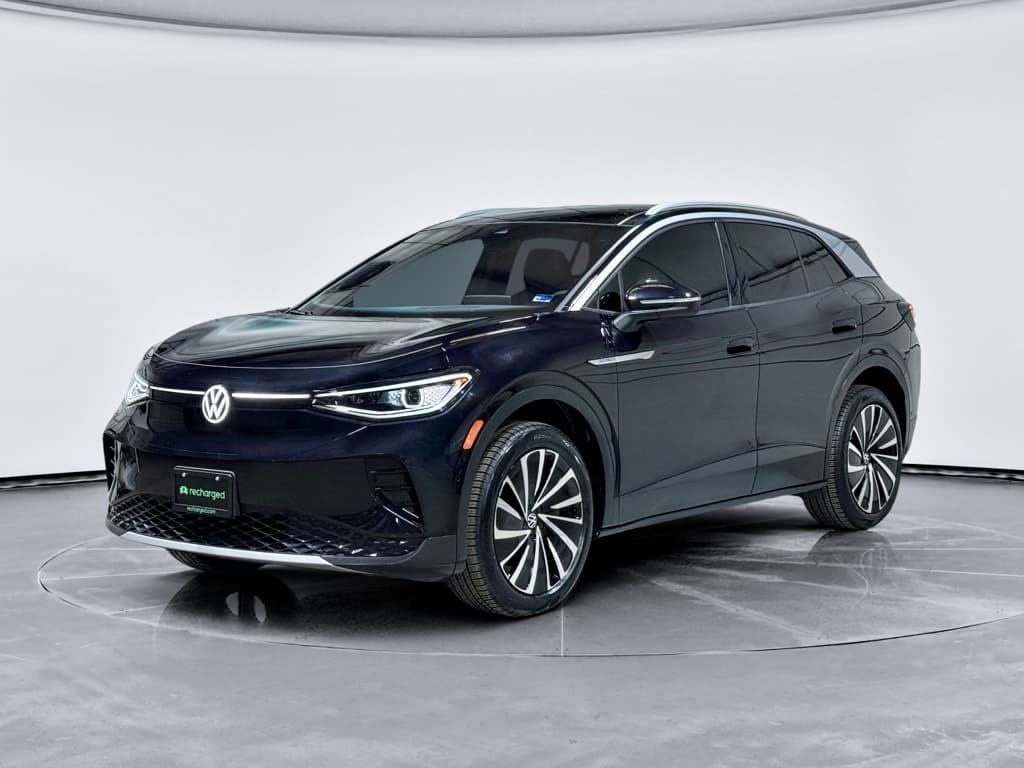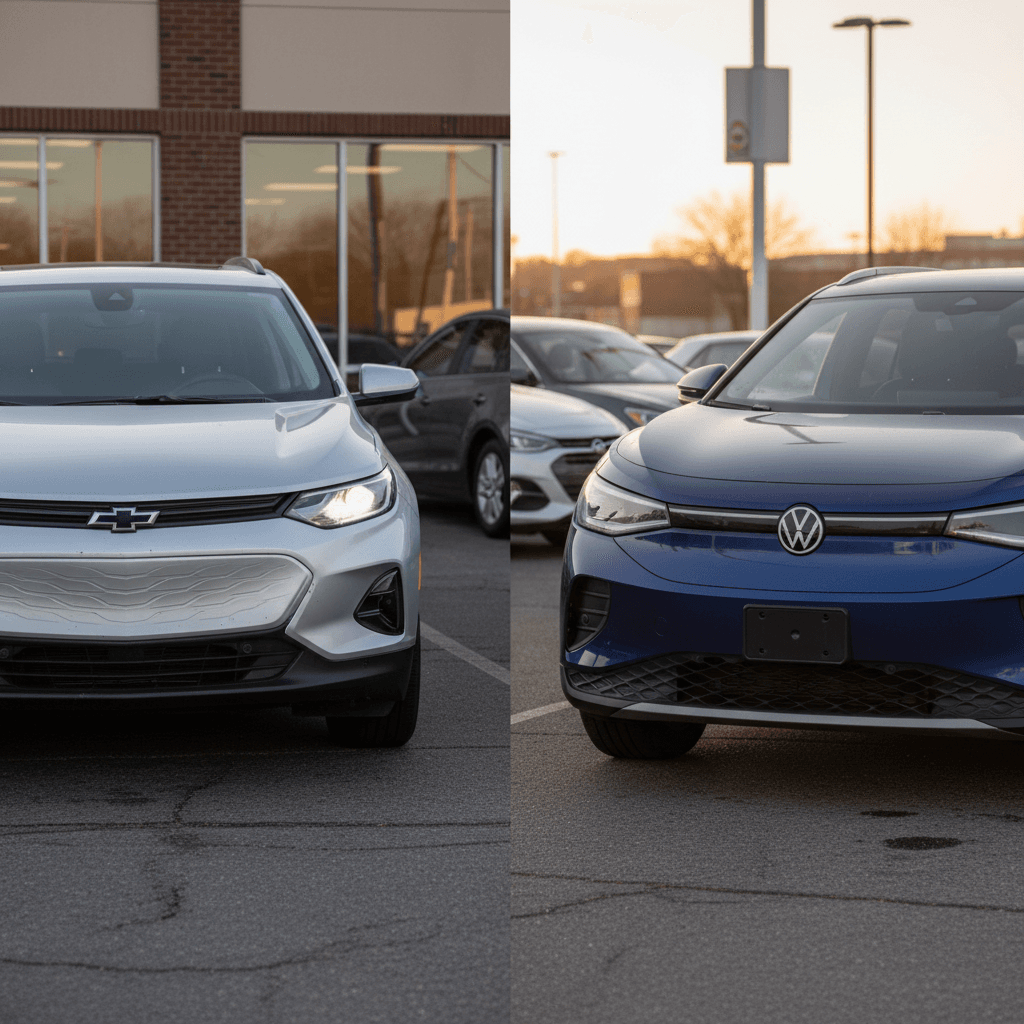
If you’re shopping the used EV market, the Chevy Equinox EV vs VW ID.4 matchup is one of the most interesting in the compact electric SUV class. Both offer family-friendly space, real-world range, and modern tech, but they take very different paths to get there. Understanding those differences is what will keep you happy with your choice five years from now, not just on your first test drive.
Context: What Counts as “Used” in 2026?
Overview: Used Equinox EV vs VW ID.4
Both of these compact electric SUVs target the same buyer: you want real EV range, SUV practicality, and a price that undercuts a new Tesla Model Y. Where they differ is personality and charging strategy. The Equinox EV leans into value, range, and GM’s latest Ultium tech. The VW ID.4 leans into comfort, European ride-and-handling, and strong DC fast‑charging performance.
- Chevy Equinox EV: Newer to the used market, strong range, big infotainment screen, available Super Cruise on higher trims.
- VW ID.4: More used inventory and price spread, very comfortable ride, excellent real-world charging speeds on DC fast chargers.
- Both: Roomy 2-row interiors, usable cargo space, and enough range for daily family duties and most road trips with planning.
Who Should Read This?
Quick Specs: Equinox EV vs ID.4 at a Glance
Core Specs: Used Chevy Equinox EV vs VW ID.4
Approximate U.S. specifications based on early production Equinox EVs and 2023–2024 VW ID.4 models, ideal reference points when you’re scanning used listings.
| Spec | Chevy Equinox EV (early FWD/AWD) | VW ID.4 (2023–2024 RWD/AWD) |
|---|---|---|
| Battery capacity (usable, approx.) | ~85 kWh Ultium pack | 62 or 82 kWh pack options |
| EPA range (best-case trims) | Up to ~319 miles FWD; ~285 miles AWD | Up to ~291 miles RWD; ~263 miles AWD |
| Real‑world highway range (75 mph tests) | ~260 miles (both drivetrains) | ~240 miles (AWD in testing) |
| Max DC fast‑charge rate | About 150 kW | Up to ~175–186 kW in testing |
| On‑board AC charger | Up to ~11.5 kW | About 11 kW |
| Drive layouts | FWD or AWD | RWD or AWD |
| Length | Around 190.5 inches (larger) | Around 180.5 inches (more compact) |
| Infotainment screen | Up to 17-inch center display | Up to 12-inch center display |
Always confirm exact specs by model year and trim when evaluating an individual used vehicle.
Specs Vary by Trim and Model Year
Range and Battery Health on the Used Market
Range is usually the first question shoppers ask, and on paper, the used Equinox EV generally enjoys a slight edge over the ID.4 when you’re comparing similar drivetrains. Many Equinox EV FWD models are rated around the low‑300‑mile mark, while common ID.4 trims cluster in the high‑200‑mile zone. In independent highway testing, both vehicles have delivered around 240–260 miles at 75 mph, with the Equinox EV squeezing out a bit more in the same conditions.
Range Strengths: Where Each EV Shines
Think about how you actually drive, not just the biggest number on a spec sheet.
Chevy Equinox EV: Quiet Range Leader
- Higher EPA range on many FWD trims, often cresting 300 miles.
- Ultium pack sized around 85 kWh gives you a healthy energy buffer.
- Real‑world highway range around 260 miles narrows the gap to more expensive rivals.
VW ID.4: Still Road‑Trip Capable
- Common 82 kWh RWD trims target ~291 miles EPA; AWD a bit less.
- High-speed DC charging helps offset slightly shorter range on long trips.
- City and suburban drivers often see very efficient energy use in mixed driving.
Battery Degradation Expectations
The challenge for used buyers is that you can’t see battery health by just looking at the car. That’s exactly why Recharged includes a Recharged Score Report with every EV we sell. It uses battery-health diagnostics to quantify usable capacity and charging behavior, so you’re not guessing at how much real range your used Equinox EV or ID.4 actually has left.
Charging Experience: Home and Road Trips
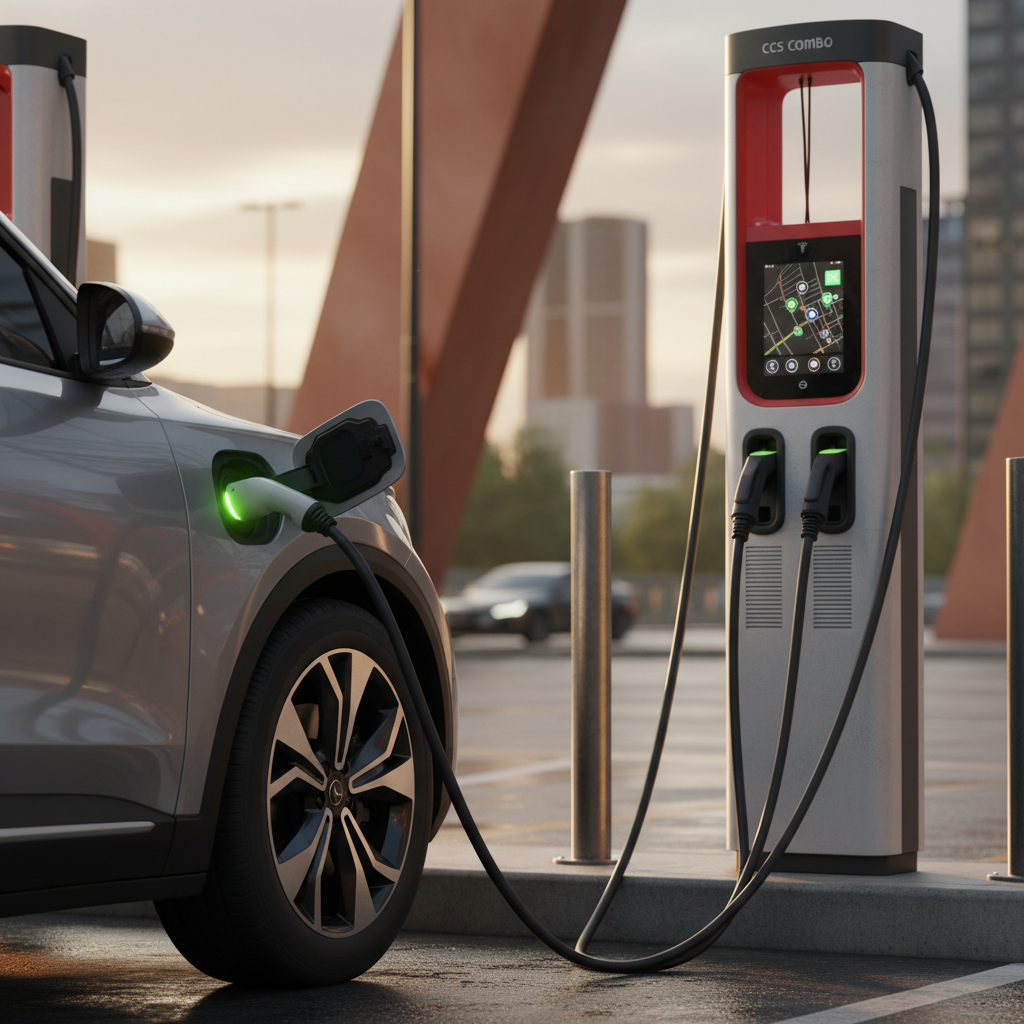
On paper, the VW ID.4 is the stronger DC fast‑charging performer. Many trims can accept peaks around 175 kW or more, and independent testing has shown 10–80% sessions in the neighborhood of 30–40 minutes at a capable charger. By comparison, the Equinox EV typically tops out around 150 kW and tends to spend longer on the fast charger, more like 45–50 minutes in similar tests. Around town on Level 2, though, these two are essentially a wash.
Charging Snapshot for Typical Used-Buyer Scenarios
Home Charging: Essentially a Tie
- Both SUVs have ~11 kW onboard chargers, which is ideal if you install a 50‑amp Level 2 charger at home.
- Overnight, either will comfortably recharge from a typical day’s driving, even in colder weather.
- If you’re mostly commuting and running errands, home charging speed should not be the deciding factor between these two.
Road Trips: Advantage VW ID.4
- Faster DC charge curve means less time parked at chargers on long drives.
- VW’s partnership with major networks and bundled fast‑charging promos on some model years can be a nice perk.
- Equinox EV drivers trade slightly slower fast charging for higher range in some trims, which can reduce the number of stops overall.
Don’t Forget Future NACS Access
Comfort, Space, and Tech
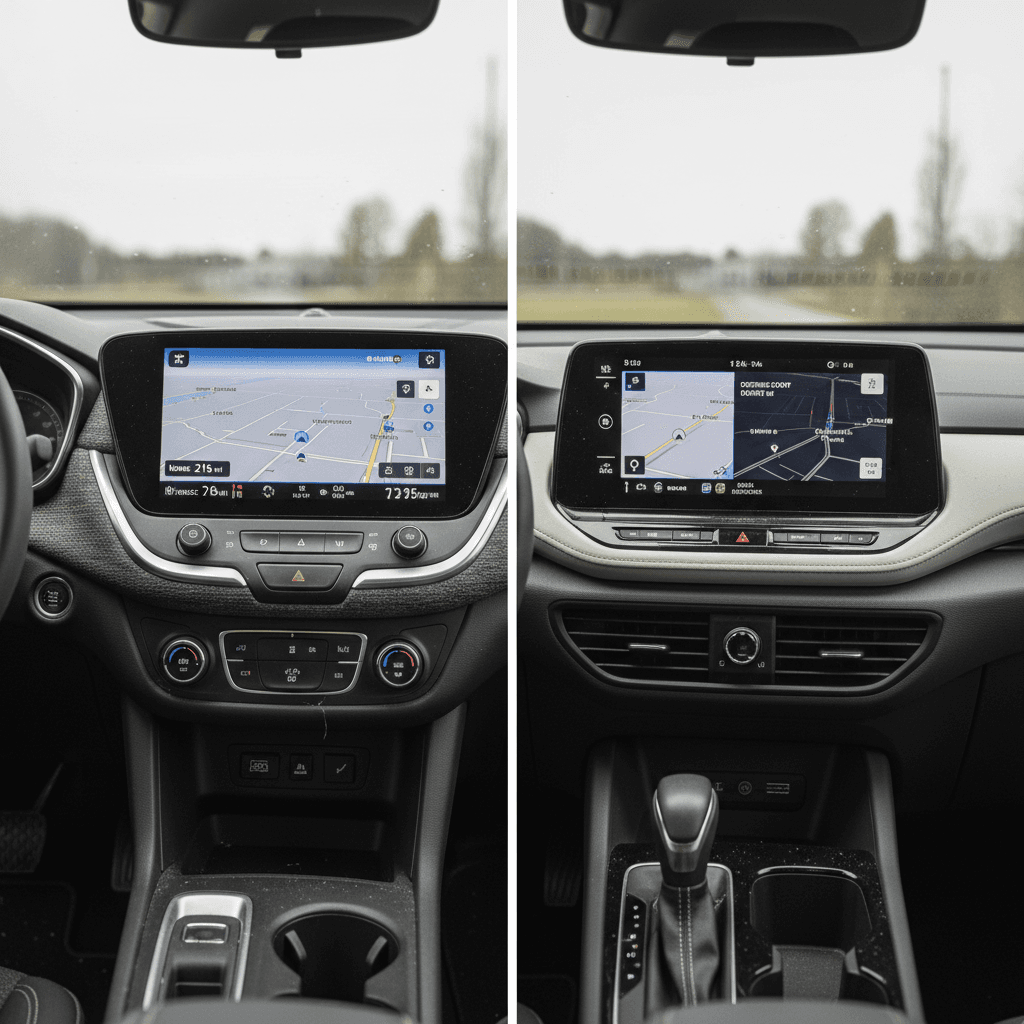
A compact electric SUV has to wear many hats: family shuttle, commuting tool, and road‑trip partner. Both of these vehicles feel solidly planted on the road, but they do it with different personalities. The ID.4 skews soft and comfortable, with a relaxed ride and a quiet cabin. The Equinox EV feels a bit more modern and tech‑forward, with a clean dash design and that big 17‑inch available touchscreen.
Interior Space & Tech: Chevy Equinox EV vs VW ID.4
Where you sit, what you touch, and how your family fits matter just as much as range numbers.
Space & Practicality
- Equinox EV is longer and slightly wider, translating into generous rear legroom and cargo space.
- ID.4 counters with a shorter overall length that’s easier to park in tight city garages.
- Both offer flat floors and split‑folding rear seats for flexible cargo carrying.
Infotainment & Controls
- Equinox EV: Available 17‑inch center display with Google‑based UI, physical climate controls on many trims.
- ID.4: 10–12‑inch screens, but earlier software and touch‑slider controls can be finicky.
- Both support wireless Apple CarPlay and Android Auto on most recent trims.
Driver Assistance
- Equinox EV: Available Super Cruise on some higher trims for hands‑free highway driving on specified mapped roads.
- ID.4: VW’s IQ.DRIVE suite provides adaptive cruise, lane centering, and more.
- Used shoppers should verify which specific assistance features are included on the VIN they’re considering.
Early-Software Quirks on the ID.4
Ownership Costs, Incentives, and Reliability
Used EV shoppers are rightly focused on total cost of ownership, not just the sticker price. Both the Equinox EV and VW ID.4 benefit from lower fuel and maintenance costs versus comparable gas SUVs, but there are some important nuances when you’re comparing them on the used market.
Key Cost and Reliability Questions to Ask
1. Purchase Price and Depreciation
Because the ID.4 has been on sale longer, there’s a broader spread of prices on the used market, often making it the cheaper entry point. The newer Equinox EV should hold value a bit better early on, but you may pay more up front.
2. Remaining Factory Warranty
Look at both the bumper‑to‑bumper and battery warranties. Many used examples of either SUV will still carry several years of coverage on the high‑voltage battery and drivetrain, which is a big safety net for first‑time EV owners.
3. Battery and Charging Recalls or Updates
It’s wise to check whether a used ID.4 or Equinox EV has open recalls or pending service campaigns, especially those involving battery management or fast‑charging behavior. A seller, or a partner like Recharged, should be transparent about this.
4. Charging Costs Where You Live
Local electricity rates and public charging prices matter. In regions with affordable overnight home electricity, either SUV will dramatically undercut gas costs. In areas where you rely heavily on DC fast charging, the ID.4’s quicker sessions may save both time and money.
5. Insurance and Tires
Insurance rates vary by region and carrier, but compact EV SUVs are generally in line with similar gas crossovers. Both models use relatively large wheels and EV‑rated tires, so budget for higher tire costs over time, especially if you drive a lot of highway miles.
Recent ID.4 Battery Recall Note
Both GM and Volkswagen have long experience building mass‑market vehicles, and most routine ownership costs, tires, brakes, cabin filters, are straightforward. Where EVs differ is battery health, software, and charging behavior. That’s why a transparent battery‑health and pricing analysis, like the Recharged Score Report, is especially valuable on used examples of the Equinox EV and ID.4.
Which Used EV Fits Your Driving Profile?
Match the Equinox EV or ID.4 to Your Real Life
Daily Commuter & Suburban Family
You mostly drive 20–60 miles a day with occasional weekend trips.
Home Level 2 charging is available or realistic to install.
You care about interior comfort, rear‑seat space, and an easy driving experience more than outright speed.
Either SUV works well. The Equinox EV’s higher rated range can be reassuring; the ID.4’s cushy ride and quiet cabin shine in traffic and school‑run duty.
Frequent Road‑Tripper
You regularly drive 200–400 miles in a day, sometimes more.
Fast‑charging availability and speed matter because you can’t always charge overnight at your destination.
You prefer fewer, quicker charging stops rather than stretching range to the limit.
Here the ID.4’s faster DC fast‑charging curve is a real asset, even if the Equinox EV shows a slightly higher EPA range figure on paper.
Tech‑Focused Early Adopter
You want the newest EV tech, modern user interface, and sophisticated driver assistance.
Hands‑free driving features like Super Cruise are appealing.
You’re planning to own the vehicle through the industry’s NACS charging transition.
The Equinox EV’s newer Ultium platform, big screen, and available Super Cruise may tip the scales if tech matters more than slightly longer fast‑charge stops.
Value Hunter on a Budget
Your top goal is the lowest possible payment for a still‑modern EV SUV.
You’re open to slightly older model years if they’re well‑maintained.
You’re less concerned about having the absolute latest software or features.
Right now, the ID.4’s longer time on the market usually means more used inventory at softer prices, making it the budget‑friendly on‑ramp to EV SUV ownership.
Simple Rule of Thumb
How Recharged Simplifies Buying a Used Equinox EV or ID.4
Evaluating a used electric SUV is more complex than sizing up a used gas crossover. Beyond miles and model year, you’re juggling battery health, software history, fast‑charging behavior, and evolving standards like NACS. That’s exactly the gap Recharged was built to fill.
What You Get When You Buy a Used EV Through Recharged
Whether you land on an Equinox EV or a VW ID.4, the process should feel simple and transparent.
Recharged Score Battery Report
Every EV on Recharged includes a Recharged Score Report with verified battery health, charging behavior, and fair‑market pricing analysis. You’re not guessing about how much real‑world range your used Equinox EV or ID.4 has left.
Financing, Trade‑In, and Selling Options
Recharged can help you finance your used EV, value your trade‑in, or even get an instant offer or consignment if you’re selling an existing vehicle. That makes it easy to move into an Equinox EV or ID.4 without juggling multiple dealers.
Nationwide Delivery & Experience Center
Browse and buy online with nationwide delivery, or visit the Recharged Experience Center in Richmond, VA if you prefer to see and feel vehicles in person before deciding.
EV‑Specialist Support
From home‑charging questions to comparing specific trims, Recharged’s EV specialists can help you decide whether a particular Equinox EV or ID.4 fits your daily routes, climate, and budget.
Ready to find your next EV?
Browse VehiclesFAQs: Used Chevy Equinox EV vs VW ID.4
Frequently Asked Questions
Bottom Line: Should You Pick a Used Equinox EV or VW ID.4?
Both the Chevy Equinox EV and VW ID.4 are strong used‑EV choices if you want an all‑electric compact SUV that can handle everyday life without drama. The Equinox EV favors longer rated range, fresher tech, and available hands‑free driving, while the ID.4 counters with faster DC fast‑charging, excellent ride comfort, and more affordable used pricing in many markets.
If you’re a commuter or tech‑lover with home charging and an eye toward long‑term ownership, a used Equinox EV with a clean battery‑health report is hard to beat. If you’re value‑driven or road‑trip often, a well‑serviced ID.4 with completed recalls and strong charging performance may be the smarter play. Either way, pairing your search with transparent diagnostics, like the Recharged Score Report, and EV‑savvy guidance will make sure the electric SUV you buy in 2026 still feels like the right choice well into the 2030s.