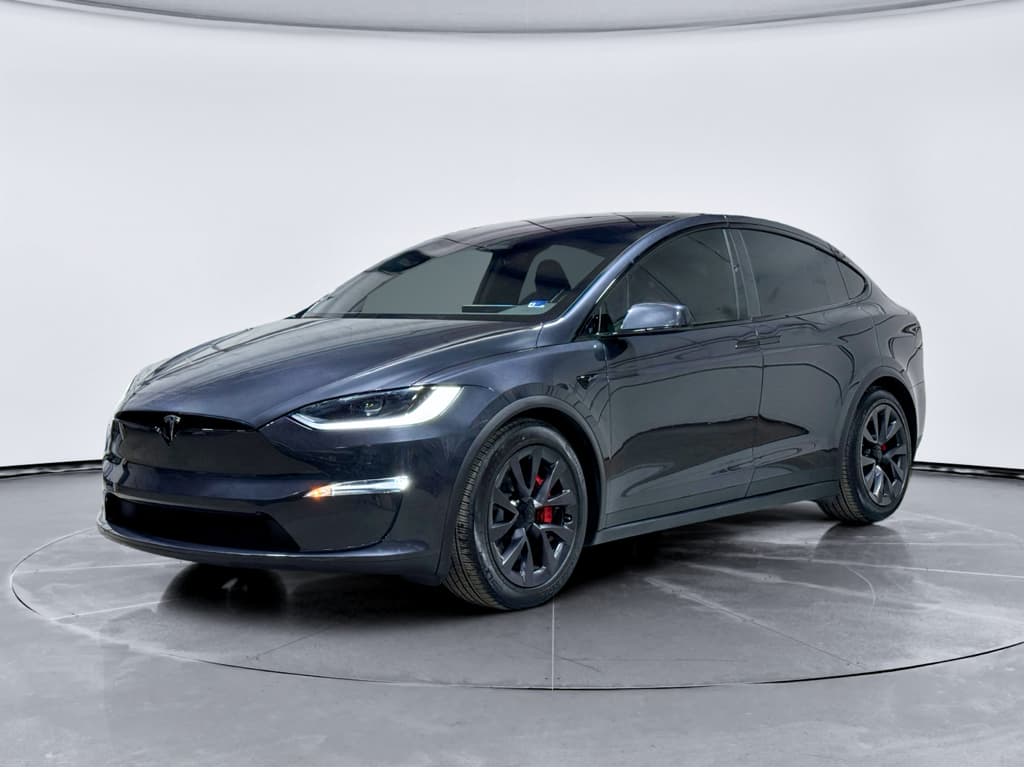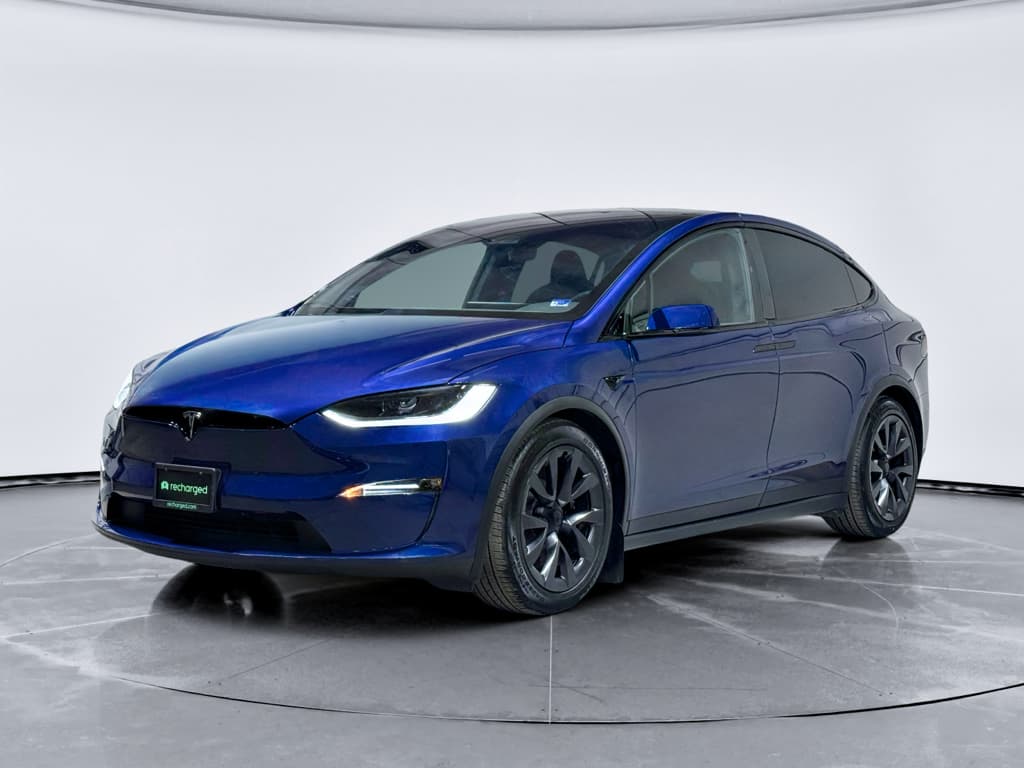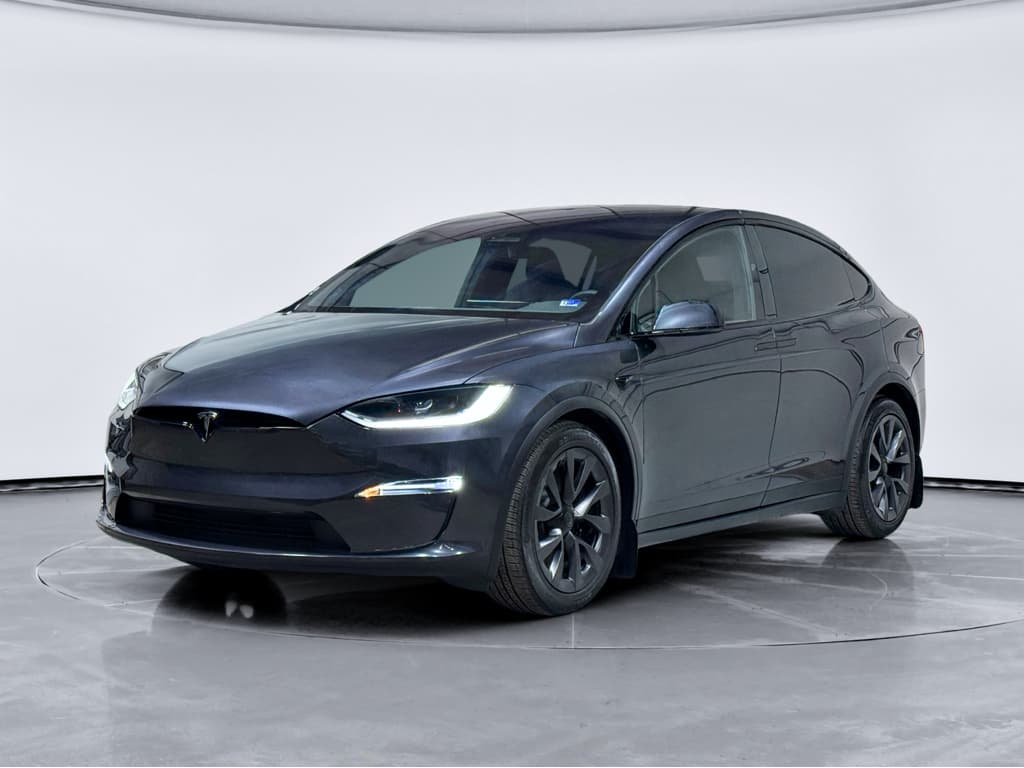
If you’re looking at a Tesla Model X for family duty, road trips, or even light utility work, **cargo space with the seats down** matters more than any 0–60 time. The Model X is one of the roomiest electric SUVs on the market, but how much space you actually get depends a lot on whether it’s a 5‑, 6‑, or 7‑seat version, and how you plan to pack it. Let’s break down the real numbers and real‑world usability.
Quick takeaway
Overview: Model X cargo space with seats down
Tesla does something most carmakers don’t: it publishes a detailed cargo‑volume table in the Model X owner’s manual. Recent manuals show that current‑generation Model X (refresh-era, 2021–present) delivers between **~81 and ~86 cubic feet** of space behind the front seats when you fold down the rear rows, plus a **6.5 cu ft frunk**, for **~88–92 cu ft total** depending on seating configuration and whether you count small side cubbies.
Tesla Model X cargo numbers at a glance*
Numbers vary by year and configuration
Model X cargo volumes by seating layout (5, 6, 7 seats)
Tesla sells the Model X in three seating configurations: **5‑seat (two rows)**, **6‑seat (captain’s chairs + third row)**, and **7‑seat (bench plus third row)**. Cargo behavior with the seats down is quite different between them, even though the exterior shell is the same.
Approximate Model X cargo volumes by seating configuration
Recent‑generation Model X (refresh-era) cargo volume figures in cubic feet. These are based on Tesla’s own owner’s manual tables and rounded for simplicity.
| Configuration | Key seating layout | Behind front seats (rear rows down) | Behind second row (everyday) | Frunk |
|---|---|---|---|---|
| 5-seat | Two rows, folding bench second row | ≈85.1 cu ft | ≈37–38 cu ft | 6.5 cu ft |
| 6-seat | Second-row captain’s chairs, folding third row | ≈85.8 cu ft (second row in max-cargo, third row folded) | ≈33 cu ft (third row folded) | 6.5 cu ft |
| 7-seat | Second-row bench, folding third row | ≈81.7 cu ft (second row folded) | ≈33–34 cu ft (third row folded) | 6.5 cu ft |
*Maximum total cargo volume includes smaller storage areas and may not all be in one perfectly box‑shaped space.
Where the extra cubes come from
The headline: all three layouts give you **minivan‑like overall volume** with the rear rows folded. The main differences are in how flat the floor ends up and how flexible the seating is when you need to mix people and cargo.
How flat do the Model X seats fold?
When you search for “Tesla Model X cargo space with seats down,” you’re not just asking about cubic feet. You’re asking: Will I have a long, flat floor I can actually use? On the current Model X, the answer depends on the seating layout.
Seat-folding behavior by configuration
Flat cargo floors matter more than spec-sheet volume.
5-seat
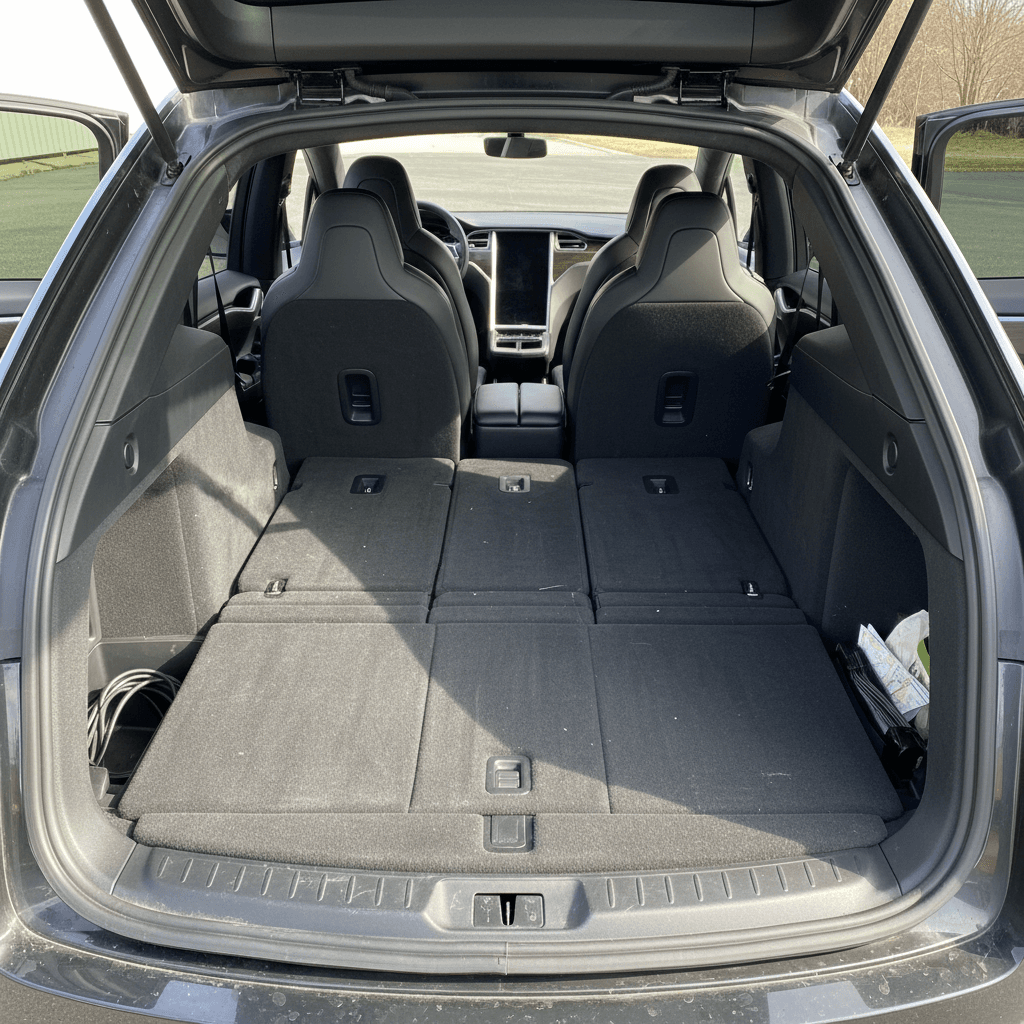
The 5‑seat Model X has a conventional second-row bench that folds almost completely flat.
- Best continuous flat floor
- Simplest for loading furniture, boxes, or bikes
- No gap between rows when folded
6-seat
The 6‑seat layout uses fixed captain’s chairs in the second row and a folding third row.
- Third row folds flat
- Second row does not fold flat
- Great for passengers, less ideal for maximum cargo flexibility
7-seat
The 7‑seat Model X has a split second‑row bench and a folding third row.
- Both second and third rows fold down
- Creates a long, nearly flat load floor
- Most flexible for mixing people and cargo
Seat hardware changed over time
Real-world: what actually fits with the seats down?
Specs are helpful, but what you really care about is whether your **bikes, strollers, skis, or Costco hauls** will fit. With roughly 82–86 cubic feet behind the front seats, a Model X is closer to a large three‑row crossover or a small minivan than a typical two‑row SUV.
- Flat-pack furniture: IKEA‑style boxes up to ~7.5–8 feet long can fit diagonally with the front passenger seat moved forward.
- Bikes: 2–3 adult bikes will fit with wheels on in a 5‑ or 7‑seat Model X if you fold both rear rows; in a 6‑seater you may prefer to remove front wheels or use a hitch rack.
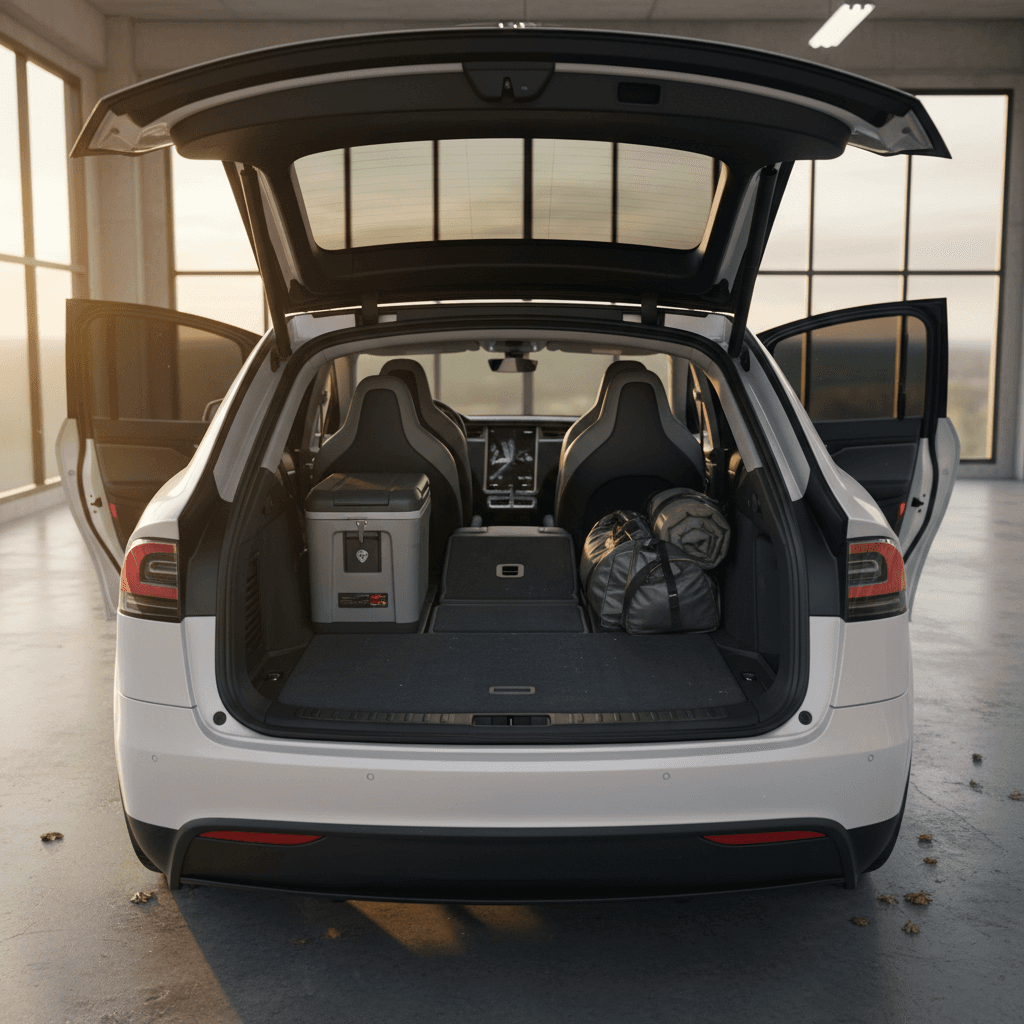
- Camping gear: Tents, coolers, sleeping pads, and storage bins for a family of four are easy in any layout, with extra overflow in the frunk.
- Home-improvement runs: 8‑foot lumber can fit with the hatch partially closed and secured; 6‑foot boards and large totes are straightforward with the seats down.
- Pets: With the third row folded, 6‑ and 7‑seat Xs offer a wide, low entry that’s ideal for larger dogs. Add a cargo mat to protect the back of the seats.
Good news for road-trippers
Model X cargo space vs other 3‑row EV SUVs
Tesla doesn’t have many direct EV rivals with three rows and serious cargo room, but as more electric SUVs arrive, it’s worth putting the Model X in context. The short version: it still holds its own at the top of the class for seats‑down cargo flexibility.
Model X vs other 3‑row electric SUVs (approximate)
Seats-down cargo space comparison behind the front row for popular three‑row EV SUVs. Figures are rounded and may vary slightly by trim and year.
| Model | Max cargo behind front row* | Cargo behind rearmost row | Notes |
|---|---|---|---|
| Tesla Model X | ≈82–86 cu ft (≈88–92 cu ft incl. small cubbies) | ≈15–17 cu ft (third row up) | Strong blend of capacity, efficiency, and performance. |
| Kia EV9 | ≈80+ cu ft (manufacturer preliminary) | ≈20–21 cu ft | Very competitive cargo space; boxier profile helps with tall items. |
| Mercedes EQS SUV | ≈74–80 cu ft | ≈14–18 cu ft | More luxury‑focused, slightly less max volume than Model X. |
| Volvo EX90 (upcoming) | Projected mid‑70s cu ft | ≈12–16 cu ft | More upright packaging but smaller overall than Model X. |
These are broad comparisons, always confirm exact numbers for the specific model year and configuration you’re comparing.
Why the numbers don’t tell the whole story
Using the frunk and under-floor storage
One of the advantages of a dedicated EV like the Model X is storage in places gas SUVs can’t use. Tesla’s own specs list about **6.5 cubic feet of volume in the front trunk** (frunk) alone, plus several under‑floor bins in the rear cargo area that count toward the 88–92 cu ft maximum figure.
Packing strategy
Best configuration for cargo: 5 vs 6 vs 7 seats
If cargo flexibility with the seats down is your top priority, the Model X configuration you pick matters more than almost anything else. All three layouts share similar total volume numbers, but the way that volume is shaped is very different.
5-seat: cargo champion
- Most continuous, flat floor when the second row is folded.
- Best pick if you rarely need a third row and frequently haul bulky gear.
- Simpler seat hardware; fewer moving parts to maintain over time.
6-seat: people comfort first
- Captain’s chairs are fantastic for passenger comfort and car‑seat access.
- Only the third row folds flat; second row remains upright.
- Great if you often carry four passengers and light luggage, less ideal if you expect a cavernous van‑like space with everything folded.
7-seat: best compromise
- Both second and third rows fold to extend cargo length.
- Can keep one third‑row seat up for a passenger and fold the rest for cargo.
- Most versatile if your life alternates between kid‑hauling and Home Depot runs.
Don’t assume all 6-seaters fold the same way
Cargo packing tips for road trips and family duty
Once you understand the raw space, the next question is how to use it effectively. With a little planning, a Model X can feel functionally larger than its already generous numbers suggest, especially for families.
Smart ways to use Model X cargo space
1. Decide your “default” seat mode
If you’re typically a family of four, consider leaving the <strong>third row folded</strong> by default in 6‑ and 7‑seat Xs. That turns the back into a deep, easy‑access cargo well while still leaving plenty of seating.
2. Use uniform luggage and bins
Square, similarly sized suitcases and storage bins pack far more efficiently than random duffel bags, especially under the sloping rear glass. Aim to stack items to the height of the seatbacks, then lighter items on top.
3. Reserve the frunk for essentials
Keep charging cables, a portable inflator, and emergency supplies in the <strong>frunk</strong>. That frees up rear space for the unpredictable things that come with kids, pets, or road‑trip stops.
4. Protect the seat backs
If you frequently fold rows down, invest in a good cargo liner or mat set that covers both the main floor and the backs of the seats. It keeps the interior looking fresh and makes sliding heavy items in and out much easier.
5. Watch rear visibility
It’s tempting to pack to the roof, but stacking too high compromises your rear view and can be unsafe in a crash. Use the under‑floor storage and frunk before building a tower of loose items behind the hatch.
6. Use the hitch, not the roof, for big stuff
For bikes or bulky gear, a hitch rack or cargo tray is usually better than the roof. It’s more efficient aerodynamically and easier to load, especially on taller drivers or in tight parking garages.
Safety first when loading heavy cargo
Shopping used: how to check Model X cargo practicality
If you’re considering a **used Tesla Model X**, cargo space is one of those features that looks similar in photos but feels very different in person. This is where a structured inspection, and some honest reflection about your lifestyle, pays off.
What to test in person
- Fold every seat you can: Make sure the second and third rows fold and latch properly. In older Xs especially, check that mechanisms aren’t binding or partially broken.
- Check floor flatness: Lie a straight object (like a board or luggage) across the folded area. Are there big steps or gaps that will make sliding cargo difficult?
- Look under the floor: Open every under‑floor bin and panel so you understand where extra volume is hiding and whether the covers are sturdy.
- Try your real gear: If you can, bring a stroller, bike, or big suitcase to the test drive and see how naturally it loads.
How Recharged can help
Because cargo practicality is hard to judge from thumbnails, every used Model X sold through Recharged comes with a detailed listing that includes:
- The exact seating configuration and model year, so you know if second‑row seats fold.
- A Recharged Score report that covers battery health and vehicle condition, so you’re not trading cargo space for unknown mechanical risk.
- Expert EV specialists who can talk through whether a 5‑, 6‑, or 7‑seat Model X, or a different EV altogether, fits your specific family and cargo needs.
You can browse online, do everything digitally, and even arrange nationwide delivery or visit our Experience Center in Richmond, VA if you prefer to see vehicles in person.
FAQ: Tesla Model X cargo space with seats down
Common questions about Model X cargo space
Bottom line: is the Model X big enough for you?
If you need a fast, comfortable electric family hauler with serious **cargo space when the seats are down**, the Tesla Model X still belongs on your short list. In 5‑ and 7‑seat form it delivers a long, mostly flat load floor that rivals gas‑powered three‑row SUVs, plus a useful frunk and under‑floor storage that make everyday life easier. The 6‑seat layout trades some of that box‑shaped flexibility for passenger comfort, but remains more capable than many crossovers people happily road‑trip today.
The key is to match the configuration to how you actually live. If you’re hauling gear every weekend, a 5‑ or 7‑seat Model X will feel like a Swiss Army knife. If you prioritize second‑row comfort and still want plenty of luggage space, a 6‑seat X may be perfect. And if you’d rather not decode owner’s manuals and seat diagrams alone, Recharged can help you compare specific used Model X examples, interpret battery‑health and condition reports, and get the right one delivered to your driveway.