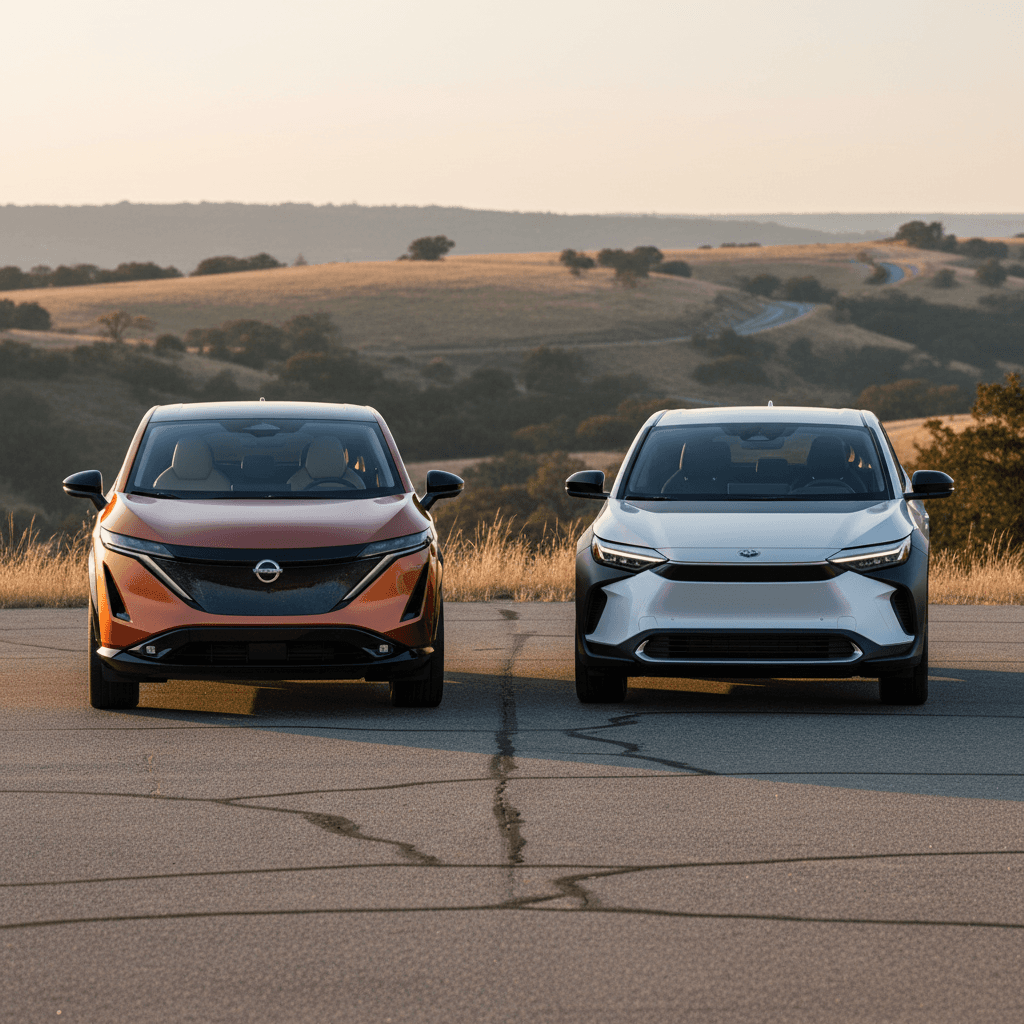
If you’re cross‑shopping a used Kia EV9 vs Tesla Model X, you’re looking at two of the very few three‑row electric SUVs on the road. Both can haul a family, tow a trailer, and cover serious highway miles, yet they deliver that experience in very different ways, and the used‑market math is changing fast.
Two generations of three-row EVs
Overview: Used Kia EV9 vs Tesla Model X
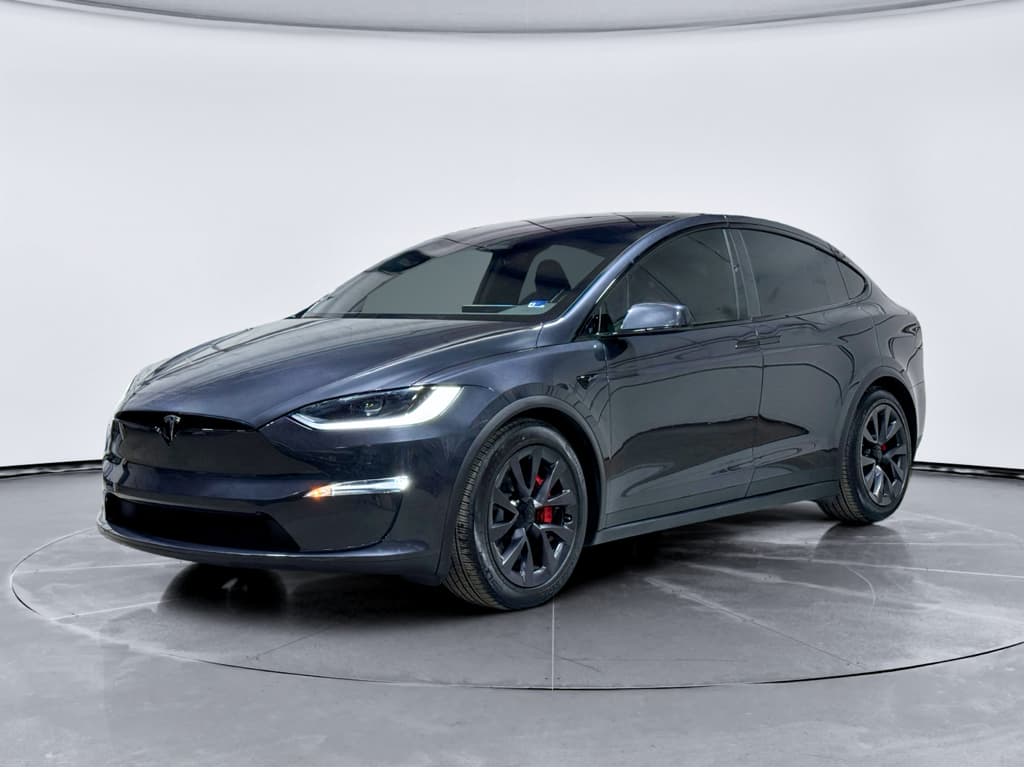
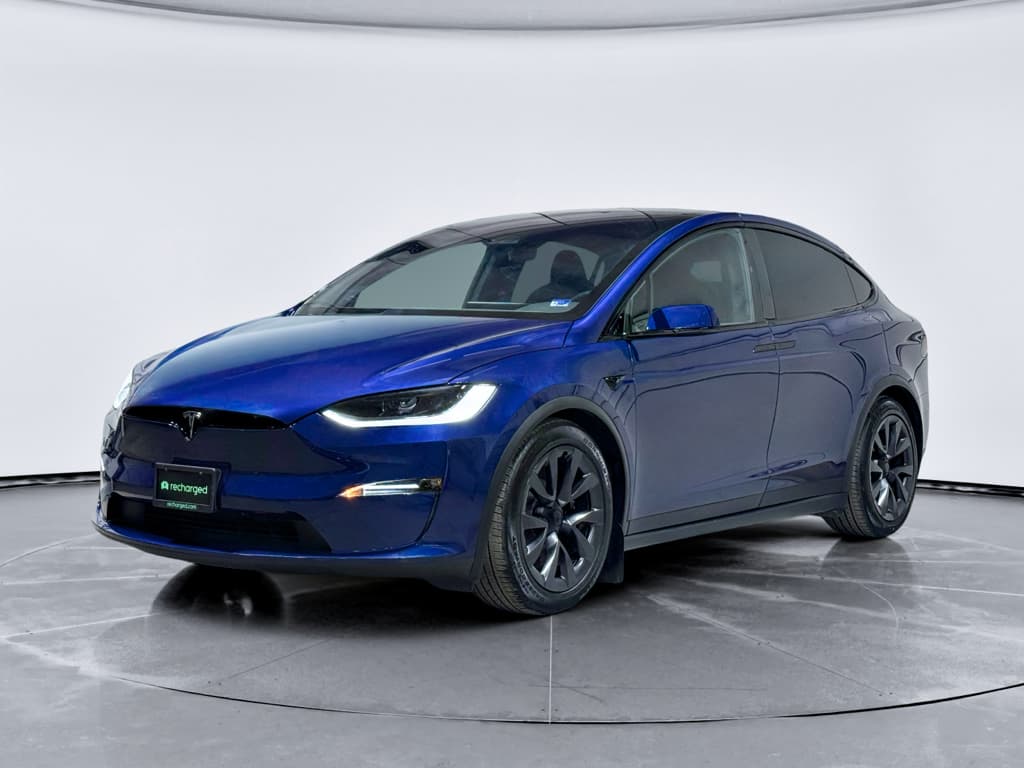
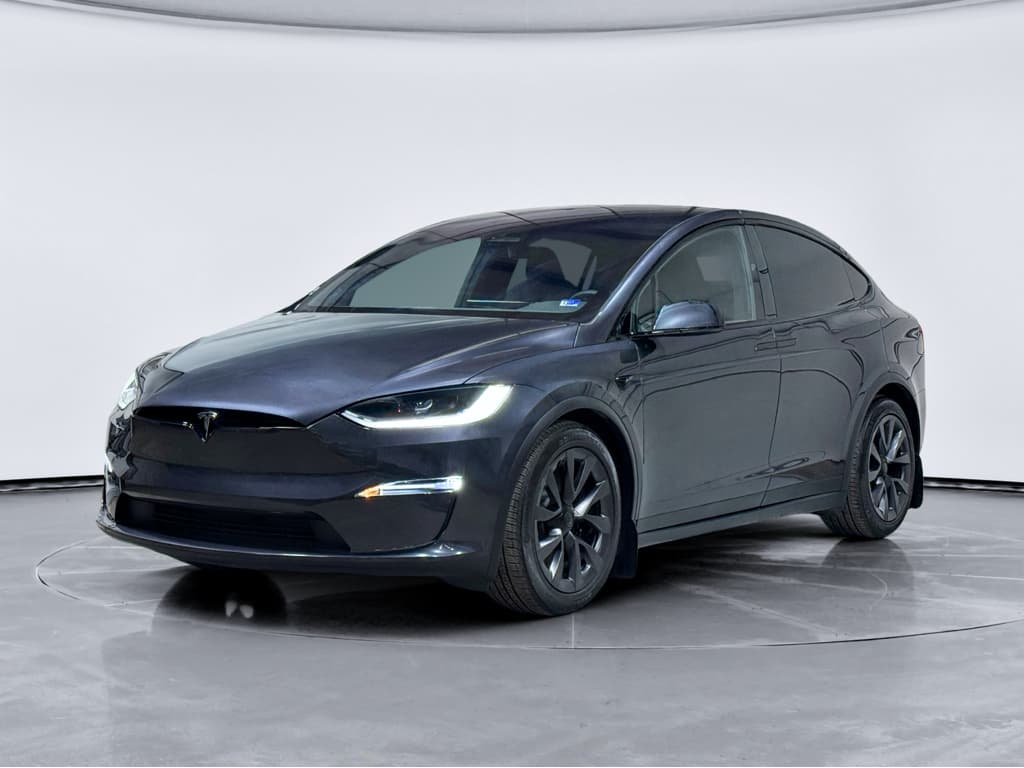
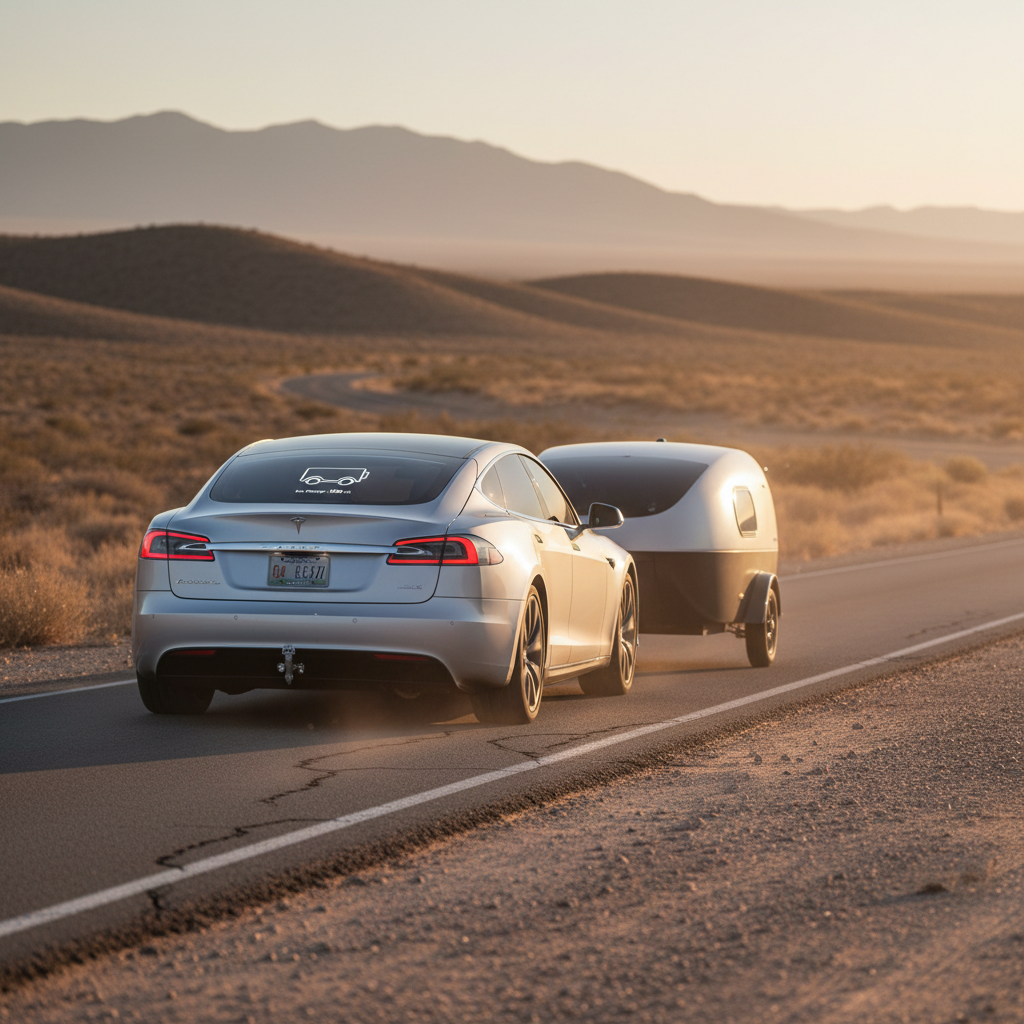
The Kia EV9 reached U.S. buyers in 2024 as one of the first mainstream three‑row electric SUVs, with a boxy, SUV‑first design, 230–304 miles of EPA‑rated range depending on trim, and seating for up to seven. It rides on an 800‑volt platform that supports very fast DC charging and up to 5,000 pounds of towing in higher trims. The Tesla Model X has been on sale since 2015, evolving over the years into a long‑range, performance‑oriented luxury EV with up to about 330 miles of EPA range on recent dual‑motor versions and 314–335 miles depending on configuration. Tesla quotes up to 5,000 pounds of towing and up to seven‑passenger seating, all wrapped in a sleeker, more crossover‑like shape. On the used market, that translates into two very different propositions: - The EV9: newer vehicles, still deep in their factory warranty window, but limited supply and only 2024+ model years. - The Model X: a much deeper used pool going back several years, wider price spread, but more variation in battery age, software features, and build quality. The right choice for you comes down to budget, range needs, charging habits, and how much you value Kia’s more traditional SUV feel versus Tesla’s tech‑heavy experience.
Core numbers: used Kia EV9 vs Tesla Model X
Quick specs: Kia EV9 vs Tesla Model X
Key specs: used Kia EV9 vs Tesla Model X (U.S. market)
High‑level comparison of core specs shoppers care about on the used market. Exact numbers vary by year and trim, but this gives you the lay of the land.
| Spec | Used Kia EV9 (2024+) | Used Tesla Model X (recent years) |
|---|---|---|
| EPA range (approx.) | 230–304 mi depending on trim | ~314–335 mi depending on trim |
| Battery capacity | 76.1 or 99.8 kWh | ~100 kWh |
| Drivetrain | RWD or AWD | AWD only |
| Max DC fast‑charge rate | About 215–230 kW (800‑V platform) | Up to 250 kW on V3 Superchargers |
| Seating | 6 or 7 | 5, 6, or 7 |
| Towing capacity | 2,000–5,000 lbs (trim‑dependent) | Up to 5,000 lbs |
| Warranty when new | 5 yr/60k basic, 10 yr/100k powertrain | 4 yr/50k basic, 8 yr/150k battery/drive unit |
| Charging connector (U.S.) | CCS today, NACS transition underway | NACS (Tesla connector) |
Always confirm exact specs for the specific VIN you’re considering, especially range and towing.
Specs are trim- and year-dependent
Pricing and value on the used market
On price alone, a used Kia EV9 vs Tesla Model X matchup isn’t straightforward. The EV9 is newer and tends to be priced closer to its original MSRP, while the Model X’s long production run means you’ll find everything from bargain older examples to nearly‑new units at six‑figure territory when new.
What you typically see on dealer and marketplace listings
Rough U.S. used‑market patterns as of early 2026 (actual prices depend on mileage, condition, and local demand).
Used Kia EV9 pricing patterns
- Early‑build 2024 EV9 Light and Light Long Range trims are already showing up in the mid‑$30,000s to low‑$40,000s, down from original MSRPs in the mid‑$50,000s and up.
- Wind, Land, and GT‑Line trims with dual‑motor AWD, larger wheels, and more options usually list higher, often in the high‑$40,000s to mid‑$50,000s depending on mileage and equipment.
- Because the EV9 is so new, most used examples are still 1–2 years old with relatively low mileage and plenty of warranty left.
Used Tesla Model X pricing patterns
- Older pre‑2020 Model Xs, especially higher‑mileage or lower‑spec versions, can dip into the low‑$30,000s to $40,000s range.
- 2021–2023 dual‑motor and Plaid models with lower miles frequently sit in the $50,000s to $70,000s, sometimes higher based on options like 22‑inch wheels or upgraded interiors.
- Because the X has been on the road for a decade, you’ll see a wide spread in condition, battery health, and feature sets, great for choice, but it demands careful shopping.
Value play: newer warranty vs longer range
Questions to ask yourself about budget and value
1. Do you want the newest hardware you can afford?
If you’d rather have a 1–2‑year‑old EV with modern safety tech and warranty coverage into the 2030s, the used Kia EV9 is often the better bet.
2. Is maximum highway range your top priority?
If long road trips and fewer charging stops are non‑negotiable, a relatively recent dual‑motor Model X can still beat the EV9 on outright range.
3. How comfortable are you buying older luxury vehicles?
A 6–9‑year‑old Model X can be tempting on price but may bring higher maintenance risks. An EV9 currently can’t be that old by definition.
4. What’s your exit plan?
If you plan to keep the EV for just a few years, factor in resale value and brand perception. Tesla’s resale has softened in some markets; Kia’s long warranty can appeal to second and third owners.
Range, battery and charging experience
Range and charging are where the used Kia EV9 vs Tesla Model X comparison gets more nuanced. On paper, the Model X still holds a slight edge in maximum EPA range, but the EV9 hits back with ultra‑fast 800‑volt charging and a battery warranty that stretches a full decade from the original in‑service date.
Kia EV9: 800‑V charging and strong warranty
- EPA estimates for the EV9 range from 230 miles (base Light RWD) up to about 304 miles (Light Long Range RWD with 99.8‑kWh pack).
- Dual‑motor AWD trims (Wind, Land) are rated around 270–280 miles, with the performance‑oriented GT‑Line near 270 miles.
- 800‑volt architecture allows DC fast‑charging peaks in the 200‑plus‑kW range and very strong average charging speeds from 10–80% state of charge.
- Kia’s battery warranty is typically 10 years/100,000 miles from original in‑service, meaning early‑used EV9 buyers still have years of coverage.
Tesla Model X: longer range and Supercharger access
- Recent Model X dual‑motor versions generally offer EPA ranges in the low‑to‑mid‑300‑mile band, with Plaid trims slightly lower but still competitive.
- DC fast‑charging on V3 Superchargers peaks around 250 kW, with a mature network that can make cross‑country travel straightforward.
- The battery and drive unit warranty is typically 8 years/150,000 miles from in‑service, with a minimum retained capacity clause.
- Older Model X packs have more years and cycles behind them, so real‑world range depends heavily on how the previous owner used and cared for the vehicle.
Used EV battery health is not one-size-fits-all
Space, comfort and family practicality
On paper, both of these SUVs promise comfortable seating for six or seven and the ability to carry people and cargo at the same time. In practice, they serve families in slightly different ways.
How they work as real family haulers
Beyond cubic‑foot numbers, here’s how the EV9 and Model X feel day to day.
Third-row usefulness
Kia EV9: Boxier roofline, more upright seating, and a cabin designed from scratch as a three‑row SUV make the third row genuinely adult‑friendly for shorter trips.
Tesla Model X: Third row varies by configuration; headroom and access can feel tighter, and the sloping roofline affects how tall passengers fit in back.
Cargo flexibility
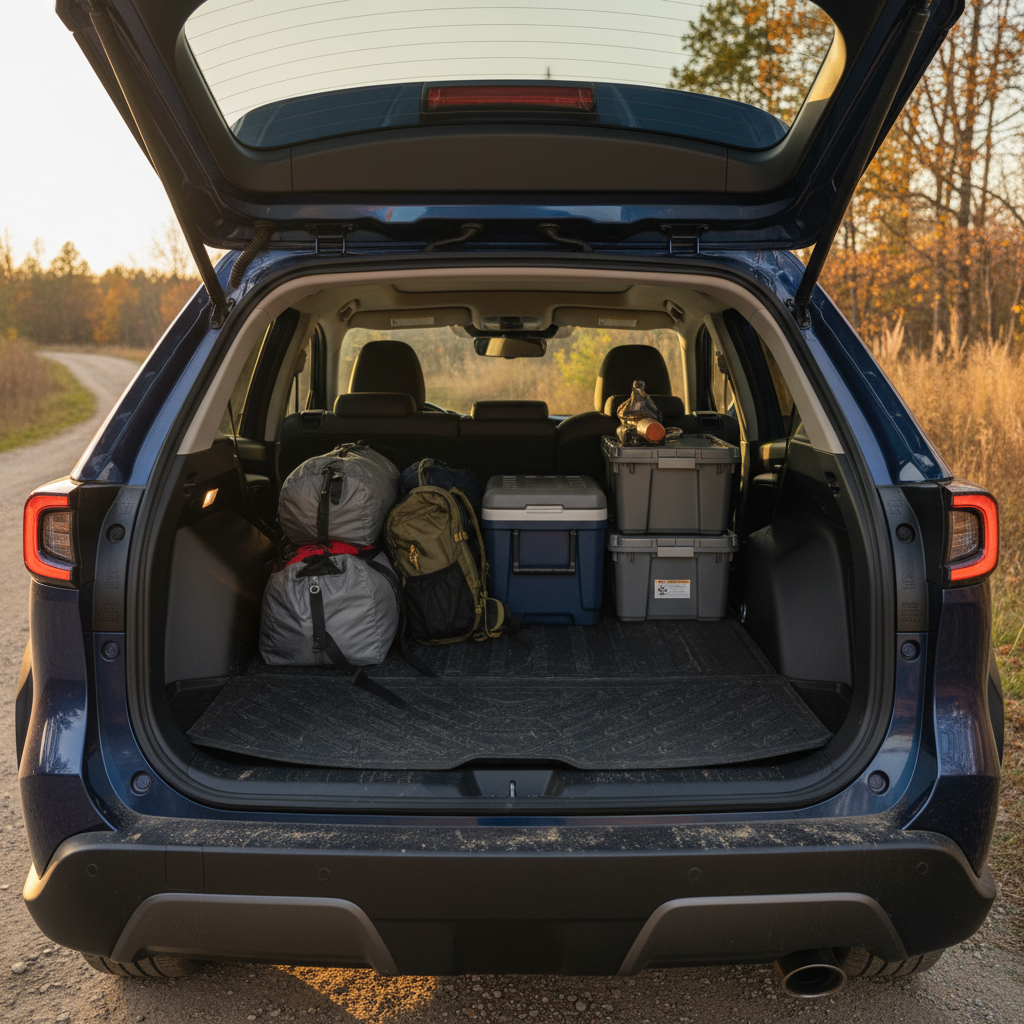
EV9: Large, squared‑off cargo area with seats that fold flat, making Costco runs and road‑trip luggage duty straightforward.
Model X: Big cargo volume plus a front trunk, but the floor and seat mechanisms can be more complex depending on seat layout.
Doors and access
EV9: Conventional rear doors make car‑seat installation and tight‑garage access predictable.
Model X: Falcon Wing rear doors can be a wow factor, but they add complexity and can be awkward in low garages or crowded parking lots.
Family-friendly edge: Kia EV9
Performance and driving feel
Neither of these SUVs is slow, and both will feel shockingly quick if you’re coming from a traditional gas‑powered three‑row. But they deliver that performance differently, and their ride/handling balance will matter if you spend a lot of time on the highway.
Kia EV9: confident, composed, not a track toy
- Base rear‑drive EV9s are tuned more for efficiency and comfort than outright speed, with 0–60 mph times in the 7–9‑second range depending on battery and trim.
- Dual‑motor versions can get much quicker; performance‑oriented GT‑Line models are capable of 4–5‑second 0–60 runs according to instrumented tests, which is stout for a big boxy SUV.
- Ride quality is generally comfortable and controlled, with a traditional SUV feel and good isolation from road noise.
Tesla Model X: smooth and very fast, especially Plaid
- Even non‑Plaid dual‑motor Model X variants are legitimately quick, with many trims running well under 5 seconds 0–60 mph.
- Plaid versions are supercar‑quick in a straight line; 0–60 mph times in the mid‑2‑second range were published when new.
- Air suspension and electric powertrain make highway cruising serene, though ride quality can feel firmer on large wheels and low‑profile tires.
Performance reality check
Tech, safety and driver assistance
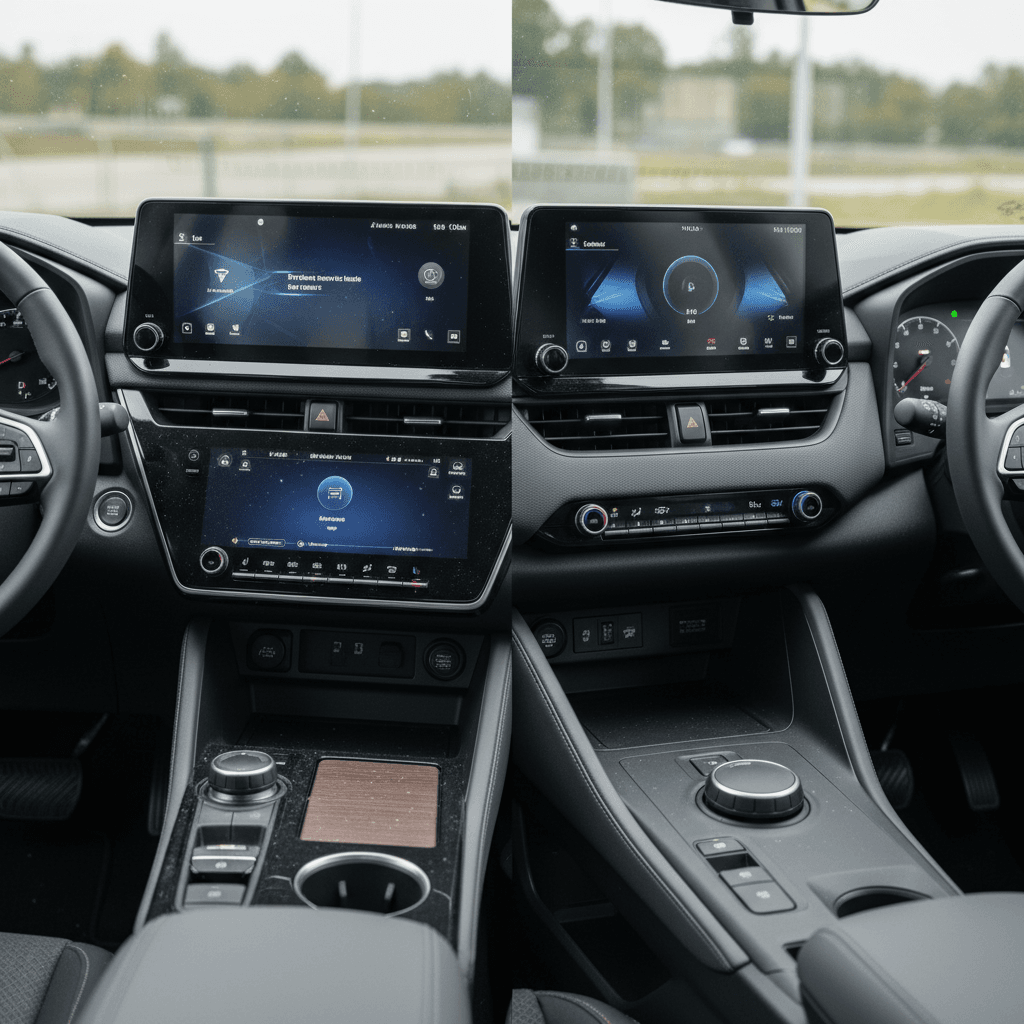
Here’s where philosophies really diverge. The Tesla Model X is built around a minimalist, screen‑first cockpit and over‑the‑air software features, while the Kia EV9 blends big screens with more physical controls and a more conventional layout.
Tech and safety: where Kia EV9 and Tesla Model X differ
Both are advanced; they just prioritize different things.
Infotainment and controls
- EV9: Pairs large screens with physical switches for common tasks, plus modern smartphone integration. Easier for some drivers to adjust to.
- Model X: Dominated by a central touchscreen and minimal physical buttons. Software updates can add features over time, but the learning curve can be steeper if you’re new to Tesla.
Driver assistance and self-driving
- EV9: Offers a full suite of advanced driver‑assistance features including lane‑centering and adaptive cruise. Some trims are designed to support more advanced hands‑free systems as regulations mature.
- Model X: Many used examples will have Autopilot or Enhanced Autopilot, and some carry the optional Full Self‑Driving (Supervised) package. Capabilities and behavior vary by software version and hardware generation, so check details carefully.
Used Tesla feature confusion
Ownership costs and reliability
Neither SUV burns fuel or needs oil changes, but they’re still complex luxury vehicles with big wheels, advanced suspensions, and plenty of electronics. In the used market, you’re balancing lower energy and maintenance costs against potential repairs outside basic warranty coverage.
Key ownership considerations for used EV9 and Model X buyers
Battery health and range verification
For both models, ask for recent service records and, if possible, a battery health report. At Recharged, every vehicle includes a <strong>Recharged Score Report</strong> with verified battery diagnostics so you know how much real‑world range to expect.
Warranty status
A used EV9 bought in 2026 is likely still under both basic and powertrain warranty for years. A used Model X may have only its battery/drive unit warranty left, or none, for older years, so factor that into your budget.
Tires, brakes and suspension
These SUVs are heavy and powerful. Expect more frequent tire replacements, especially on large‑wheel trims. Have a technician inspect brakes and suspension components on any older Model X, and don’t skip this on an EV9 either.
Body and feature complexity
Falcon Wing doors on the Model X and the sheer feature content on both vehicles can mean expensive repairs if something breaks. Look closely for leaks, misalignments and warning lights, and budget a contingency fund.
Why a pre-purchase inspection still matters
Which used EV SUV fits you better?
You can’t really go wrong with a well‑vetted example of either of these SUVs, but they’re not interchangeable. The used Kia EV9 vs Tesla Model X decision comes down to how you drive, who rides with you, and how much risk you’re willing to take on in an older luxury EV.
Quick matchup: used Kia EV9 vs Tesla Model X
Match your priorities to the right three‑row EV.
Choose a used Kia EV9 if you…
- Want a newer vehicle with lots of warranty remaining.
- Prioritize straightforward family practicality over flashy doors.
- Like having physical controls plus modern screens.
- Are comfortable with CCS fast‑charging today and the shift to NACS over the next few years.
- Plan to tow occasionally and appreciate Kia’s SUV‑first packaging.
Choose a used Tesla Model X if you…
- Need or want the maximum range you can get in a three‑row EV today.
- Value Tesla’s Supercharger network and software ecosystem.
- Are willing to accept an older, higher‑mileage vehicle in exchange for a lower price.
- Care about top‑tier straight‑line performance and tech‑forward design.
- Understand Tesla’s feature/warranty landscape and are comfortable navigating it.
The used EV9 is the pragmatic, family‑first choice with lots of warranty still on the clock, while the used Model X remains the range and performance champ if you’re willing to live with age and complexity.
How Recharged helps with used EV9 and Model X
Whether you end up leaning toward a used Kia EV9 or a used Tesla Model X, the hardest part as a shopper is separating a great EV from one that just looks good in photos. That’s exactly what Recharged was built to solve.
- Every vehicle on Recharged comes with a Recharged Score Report, including verified battery health, charging performance insights, and fair market pricing analysis.
- Our EV‑specialist team will walk you through how range, charging, and warranty interact for a specific VIN, no vague answers or scripted pitches.
- If you’re trading out of a gas SUV or another EV, Recharged can provide an instant offer or consignment support, so you don’t have to juggle multiple transactions.
- Financing and nationwide delivery are built into a fully digital experience, or you can visit our Experience Center in Richmond, VA if you prefer to see vehicles in person.
Turn research into a confident purchase
Ready to find your next EV?
Browse VehiclesFAQ: Used Kia EV9 vs Tesla Model X
Common questions about used Kia EV9 and Tesla Model X
Both the used Kia EV9 and Tesla Model X prove that a three‑row electric SUV can replace a gas‑powered family hauler. The EV9 leans into practicality and peace of mind, with newer hardware and generous warranty coverage. The Model X offers longer range, quicker acceleration, and the Tesla ecosystem, but often with more age and complexity attached. If you match your choice to how you really drive and use tools like the Recharged Score to understand battery health and value, you can end up with a long‑term EV that genuinely fits your life.