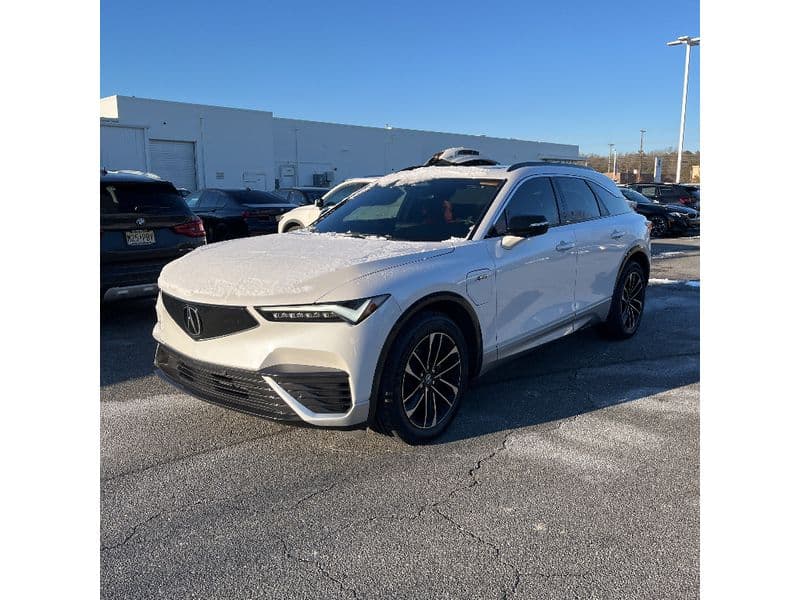
If you’re eyeing an Acura ZDX for road trips, or you already own one and are planning your first long-distance drive, you’re starting in a good place. Built on GM’s Ultium platform with a roughly 102 kWh pack and EPA ratings up to around 313 miles, the ZDX has the hardware to be an excellent highway cruiser, if you plan and drive it the right way. These Acura ZDX long distance driving tips will help you turn that spec sheet into stress‑free real‑world miles.
Quick ZDX range snapshot
Why the Acura ZDX is capable of long-distance travel
On paper, the ZDX checks nearly every box you want for long-distance electric travel. It rides on a large Ultium battery pack (about 102 kWh usable), supports DC fast charging up to about 190 kW on CCS, and offers EPA ranges that put it squarely in “take it on a road trip” territory. Acura also tuned the suspension for comfort, not just performance, so hours on the interstate don’t beat you up the way some stiffer performance EVs can.
Acura ZDX long-trip fundamentals at a glance
Think in “legs,” not full battery
Know your ZDX range by trim and driving style
The first step in any long-distance EV plan is understanding your real‑world range. Officially, the 2024 Acura ZDX line runs from roughly 278 to 313 miles of EPA combined range depending on trim and drivetrain. In practice, highway speed, temperature, wind, and wheel size all matter at least as much as the badge on the hatch.
2024 Acura ZDX trims and typical highway range
Approximate real‑world highway ranges for planning at 70 mph in mild weather with minimal elevation change.
| Trim | Drivetrain & wheels | EPA range (mi) approx. | Conservative highway planning range (mi) | Aggressive highway planning range (mi) |
|---|---|---|---|---|
| A-Spec RWD | Single motor, 20" | 313 | 250–270 | 220–240 |
| A-Spec AWD | Dual motor, 20" | ~304 | 240–260 | 210–230 |
| Type S AWD | Dual motor, 22" | 278 | 220–240 | 190–210 |
Use these as planning baselines, then adjust for your own driving data over time.
High speeds cost you quickly
- Use the EPA number only as a top‑line reference, not a guarantee.
- For a first big trip, plan at about 75–80% of EPA until you know your habits.
- Check your recent Wh/mi average in the ZDX’s energy screen and use that to refine your expectations.
Charging strategy for long trips
Long-distance EV driving isn’t about squeezing every last mile out of the battery, it’s about structuring stops so they’re efficient and predictable. The ZDX’s DC fast charging curve is best between roughly 10–60% state of charge (SoC), then tapers as you approach 80% and above. You’ll usually make better time doing more frequent, shorter stops rather than charging to 95–100% every time.
Core charging strategies for Acura ZDX road trips
Different approaches work depending on your route and your patience for stops.
1. 10–60% “speed run”
Ideal when chargers are plentiful and you care about total travel time:
- Arrive with 10–15% SoC.
- Charge only to 55–65% unless the next leg is long.
- Expect 15–25 minute stops at good 150–350 kW sites.
2. 10–80% “comfort pace”
Best balance for new EV drivers:
- Arrive around 10–20% SoC.
- Charge to 75–80% while you eat or stretch.
- Plan 25–35 minute stops every 150–190 miles.
3. 20–90% “charger sparse”
For rural gaps or sketchy networks:
- Start charging closer to 20–25% SoC.
- Top to 85–90% if the next leg is long or hilly.
- Accept 35–45 minute stops to maintain large buffers.
Target hubs, not single chargers
Using Tesla Superchargers and other networks
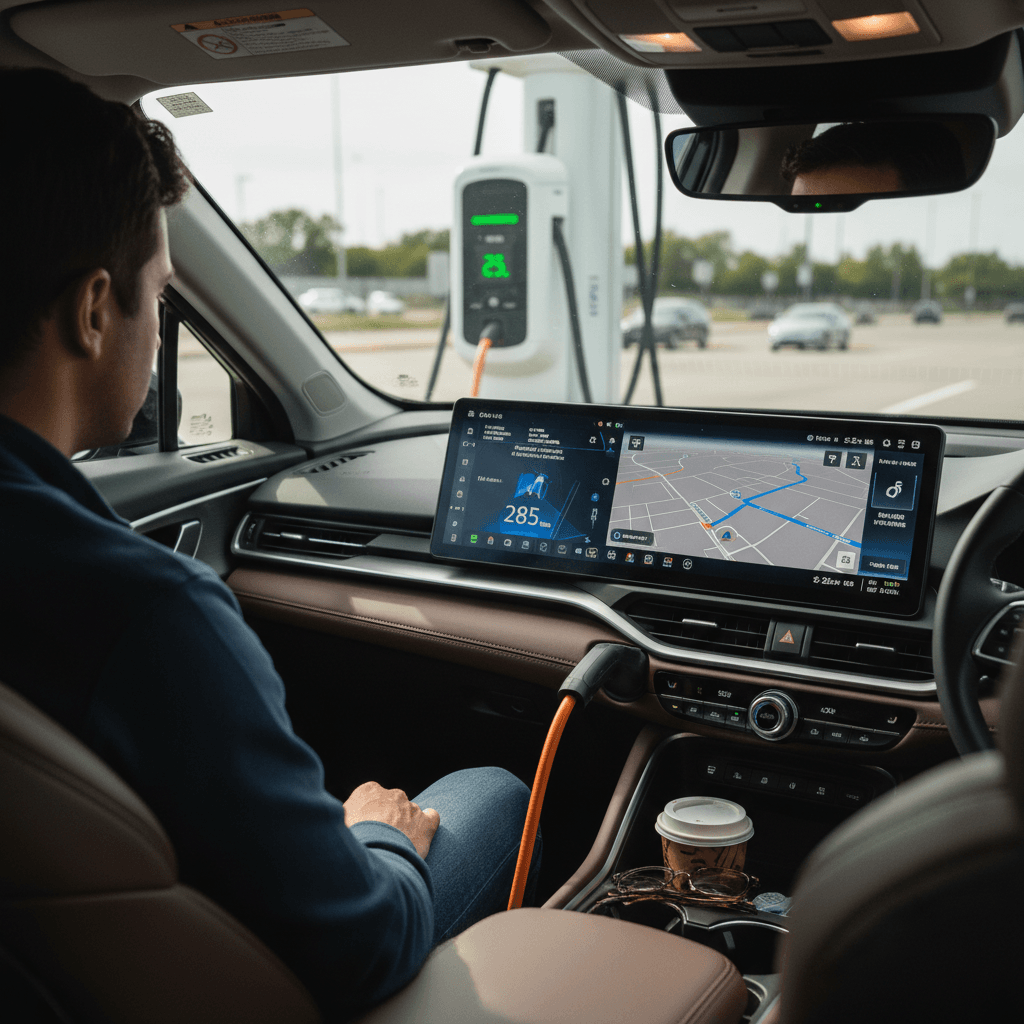
One of the big advantages for ZDX owners compared with earlier non‑Tesla EVs is access to Tesla Superchargers in many regions of the U.S. The ZDX uses a CCS1 port, so depending on when and where you charge you may be using either built‑in “Magic Dock” CCS hardware or a NACS adapter solution. That massively widens your options on busy corridors like I‑5 and I‑95.
Tesla Superchargers
- Pros: Usually reliable, many locations right off interstates, simple app experience.
- Watch for: Not every site may support CCS or third‑party EVs yet; pricing can vary by time of day.
- Tip: Add your ZDX to the Tesla app before the trip and test a short session near home if possible.
CCS networks (EVgo, EA, others)
- Pros: Growing coverage, often located at big box stores or travel centers.
- Watch for: Inconsistent uptime across sites; sometimes one or two stalls down or de‑rated.
- Tip: Favor newer 150–350 kW sites and avoid lone 50 kW units for long legs.
Always have at least two app options
Smart route planning: tools and in-car settings
The ZDX’s built‑in Google-based infotainment gives you a decent starting point, but experienced owners quickly learn that combining multiple tools makes road trips smoother. Think of the car’s navigation as your live turn‑by‑turn guide and use dedicated EV tools to design the overall charging plan.
Recommended tools for Acura ZDX road-trip planning
Use them together rather than relying on a single planner.
A Better Routeplanner (ABRP)
ABRP remains the gold standard for EV trip simulation:
- Set your exact ZDX trim, wheel size, and target SoC at stops.
- Model weather, headwinds, and speeds.
- Export the route to Google or Apple Maps for actual driving.
Google Maps in the car
Great for day‑of navigation:
- Use ABRP stops as waypoints inside Google Maps.
- See real‑time traffic, closures, and delays.
- Search “EV charging” near your route to spot backups.
Network-specific apps
Tesla, EVgo, Electrify America, and others:
- Check live stall availability and pricing.
- Start sessions faster when you pull in.
- Get alerts if a charger goes offline.
In-car settings to double-check before a long drive
Enable battery preconditioning for DC fast charging
If your ZDX supports automatic preconditioning to a selected fast charger, turn it on. Warming or cooling the pack before arrival helps you hit closer to that ~190 kW peak and shortens stop times.
Choose reasonable navigation speed assumptions
If your navigation or planning tool asks for a speed offset (like +5 mph over limit), be honest. Overly optimistic settings can put your initial stops further apart than is comfortable.
Show energy or range prediction views
Use the ZDX’s energy screen or projected arrival SoC display. Watching how your predicted arrival percentage changes in real time is the easiest way to decide if you should slow slightly or plan an earlier stop.
Turn on driver-assistance where helpful
Adaptive cruise control and lane keeping can reduce fatigue on long, straight segments. Just remember they’re assistance systems, not autopilot, stay engaged, especially in traffic or poor weather.
Use prediction swings as an early warning
Driving techniques to maximize highway range
You don’t need to baby the ZDX to road trip successfully, but a few habits pay off disproportionately. Remember that wind resistance grows with the square of speed, so anything above about 70 mph starts to hurt efficiency quickly on a big, bluff‑fronted SUV.
- Aim for 65–72 mph cruise where traffic allows instead of 80+ mph blasting.
- Use smooth inputs: roll into the throttle and brake early rather than sprinting between packs of traffic.
- Let regenerative braking do more work by easing off early when you see slowdowns ahead, instead of hard friction braking at the last second.
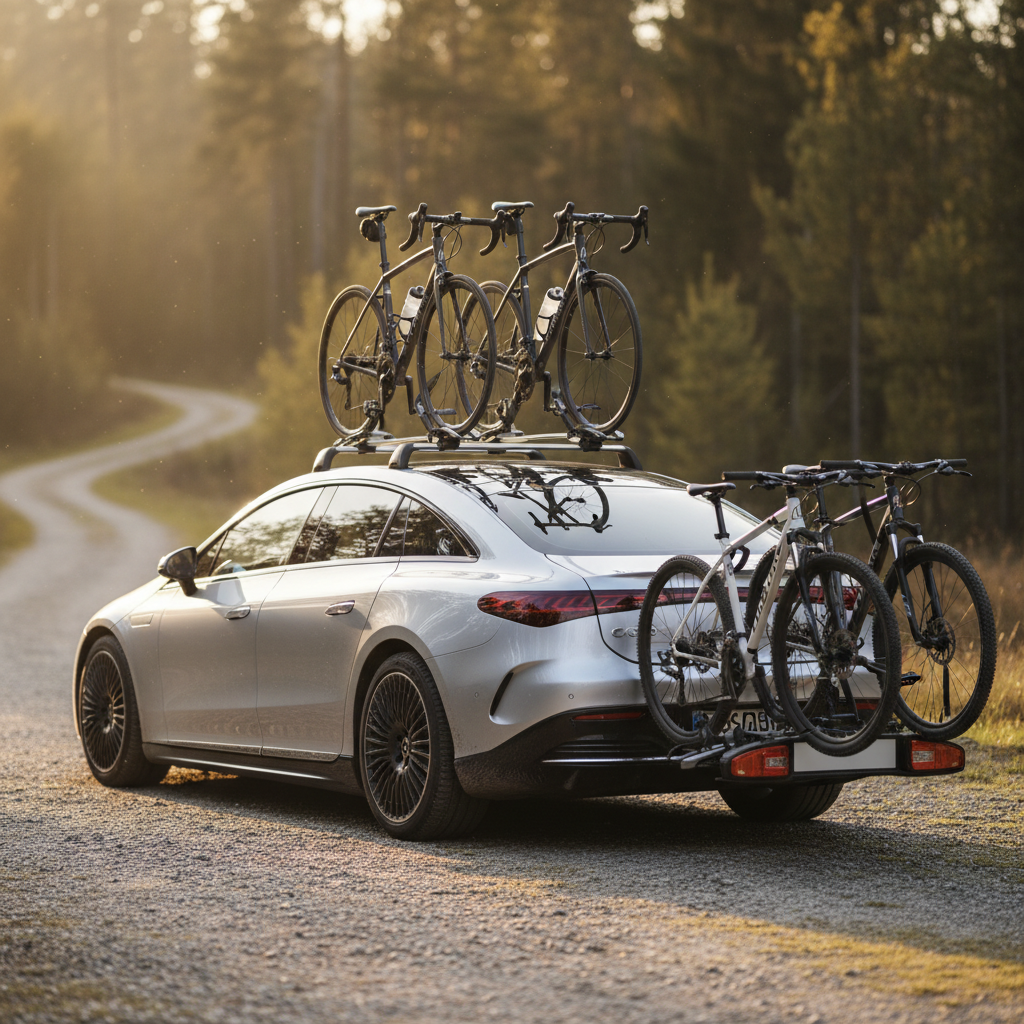
- Avoid roof boxes and external carriers when you can; they add surprising drag at highway speeds.
- Check tire pressures before you leave, low tires can easily cost 5–10% range and feel vague at speed.
Headwinds and crosswinds matter
Weather and elevation: how they change your plan
Like any EV, the ZDX sees noticeable range swings in extreme temperatures and big elevation changes. The good news is that with a 100+ kWh pack, you have more buffer than smaller‑battery models, as long as you respect the conditions.
How to adjust your ZDX plan for conditions
Cold, heat, and hills don’t have to be scary if you budget for them.
Cold weather (below ~40°F / 4°C)
- Expect 20–35% less effective range on very cold days, especially on short hops.
- Precondition the cabin and battery while plugged in before departure.
- Use seat and wheel heaters instead of cranking cabin heat.
- Plan shorter legs (100–140 miles) and arrive with 20%+ SoC when it’s truly frigid.
Heat & elevation changes
- High heat mainly affects charging (power limits) and comfort loads from A/C.
- Steep climbs burn range quickly; long descents give some back via regen.
- On mountain routes, plan the uphill legs as if your range were 15–25% lower.
- Use the trip energy prediction screen to confirm you’re on track.
Avoid cutting it close on mountain passes
Comfort, cargo and towing on road trips
Range and charging are only half the story on a long highway day; comfort and load matter too. The ZDX’s cabin is one of its real strengths: quiet, well‑insulated, and with the kind of seat ergonomics Acura has traditionally done well. That’s a major advantage over some sportier EVs that feel great for 30 minutes but wear you down by hour four.
Make the most of Acura comfort
- Dial in the power seat and steering wheel memory before you leave; small adjustments pay off over time.
- Use the ventilated seats in hot weather rather than blasting A/C solely for the driver.
- Rotate drivers every charging stop on full‑day drives when possible.
- Keep the cabin tidy, clutter adds to stress more than you’d think.
Cargo and towing realities
- The ZDX can tow, but towing can cut effective range roughly in half, depending on trailer size and speed.
- Try to keep heavy cargo low and between the axles for stability.
- If you must use a hitch rack or small trailer, plan legs at 50–60% of your usual non‑towing distance.
- Practice a shorter “test trip” with your towing setup before a big vacation run.
Pre-trip checklist for your ZDX road trip
A little preparation goes a long way toward making your first long run in the ZDX feel unremarkable, in the best possible way. Use this checklist the night before you leave.
Acura ZDX long-distance driving checklist
1. Top off and precondition at home
If you have Level 2 charging, schedule departure so the pack finishes charging and preconditioning just before you leave. Starting warm at 90–100% (for the first leg only) gives you maximum flexibility.
2. Update and test your apps
Make sure the Tesla app and at least one CCS network app are logged in, funded, and show your ZDX correctly. Do a quick test charge near home if you’re new to any network.
3. Build a primary plan plus a backup
Use ABRP to build a route with comfortable buffers, export to Google Maps, and then identify at least one backup site in each region in case of closures or crowds.
4. Check tires, fluids, and cabin essentials
Verify tire pressures, windshield washer fluid, and that you have charging cables, adapters, and a physical card or two as backup payment. Pack snacks and water so you’re not tethered to specific food options.
5. Set realistic daily distance goals
If you’re new to EV road tripping, cap yourself at roughly 400–500 miles per day at first. You can always stretch further once you see how the ZDX and your route behave.
FAQ: Acura ZDX long-distance driving
Common questions about ZDX road trips
When a used ZDX makes sense, and how Recharged helps
For many drivers, the Acura ZDX hits a sweet spot: big‑battery confidence, long‑distance comfort, and access to both CCS and growing Tesla Supercharger support. If you regularly cover long highway distances, that mix can make an EV feel as easy as a gas SUV, provided you plan realistic legs, keep an eye on weather and speed, and get comfortable with fast‑charging routines.
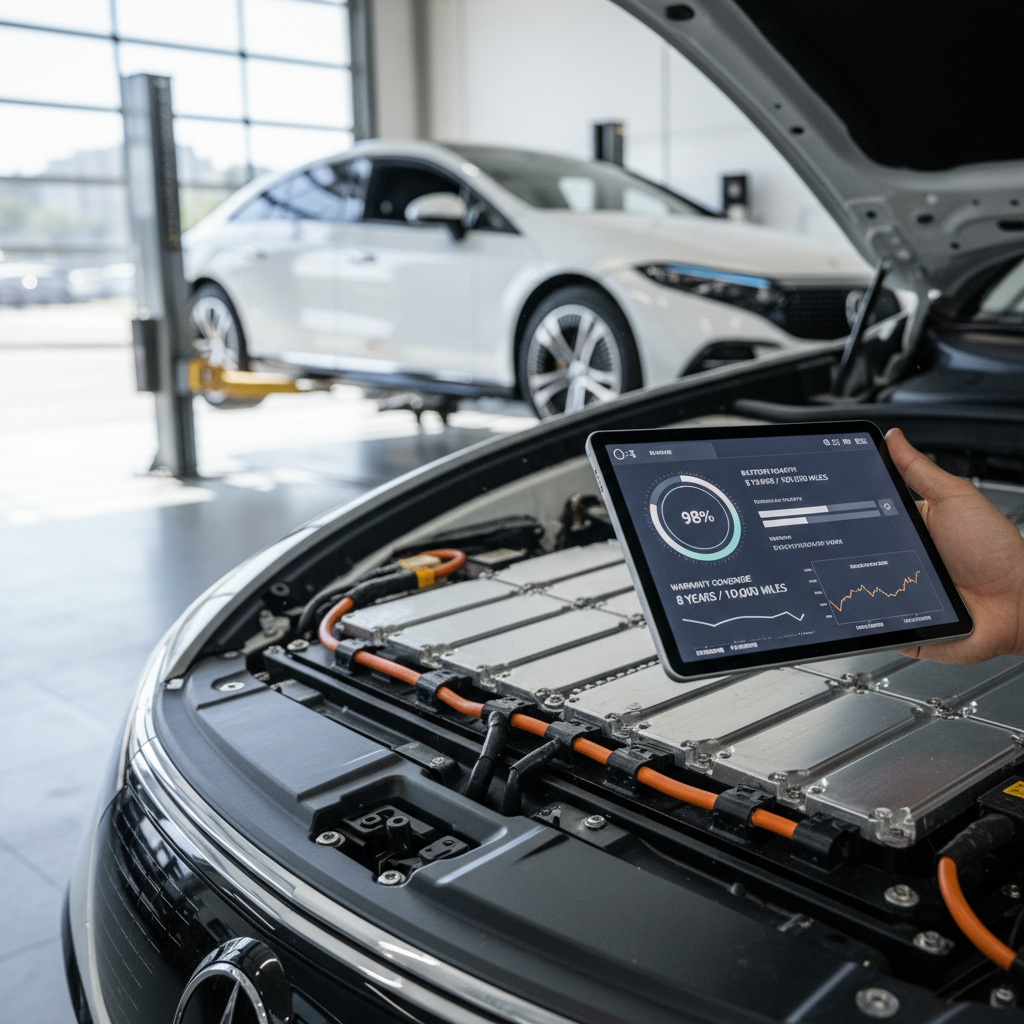
If you’re considering a used Acura ZDX as your next road‑trip machine, Recharged is built for exactly this kind of buyer. Every vehicle on our marketplace comes with a Recharged Score Report, including verified battery health and fair‑market pricing, so you know what sort of real‑world range to expect before you ever sign. Our EV specialists can also walk you through EV road trip planning basics, help you compare trims, and even arrange nationwide delivery or trade‑in. That way, when you finally point your ZDX toward the horizon, the only surprise is how straightforward long‑distance electric travel can feel.