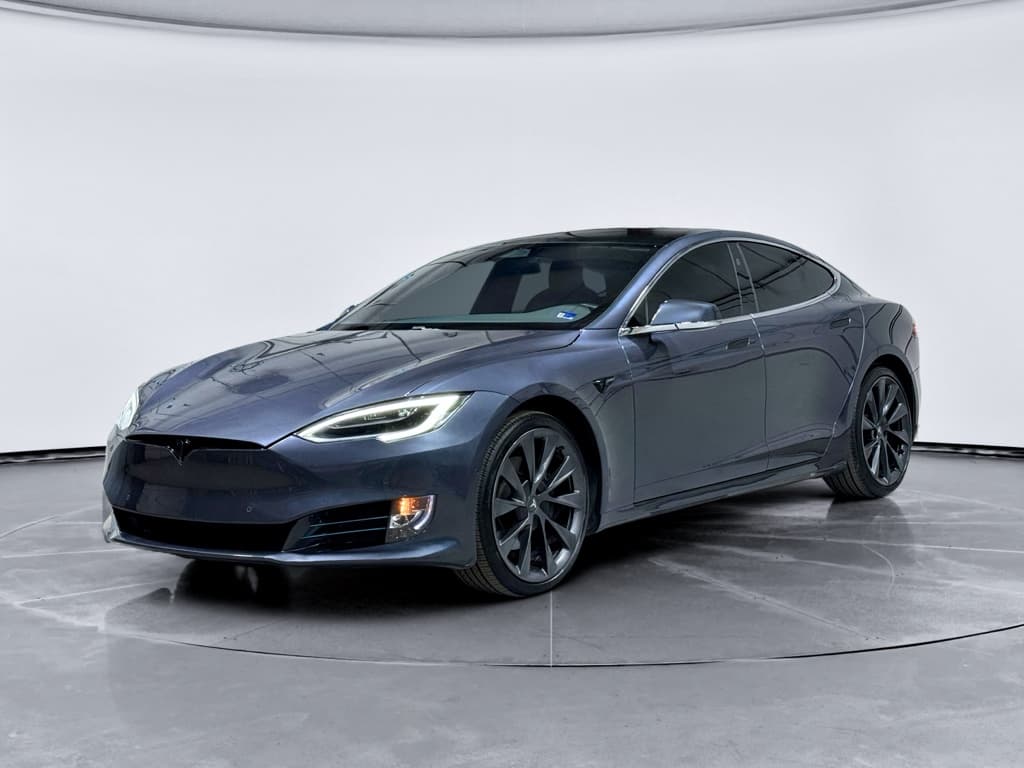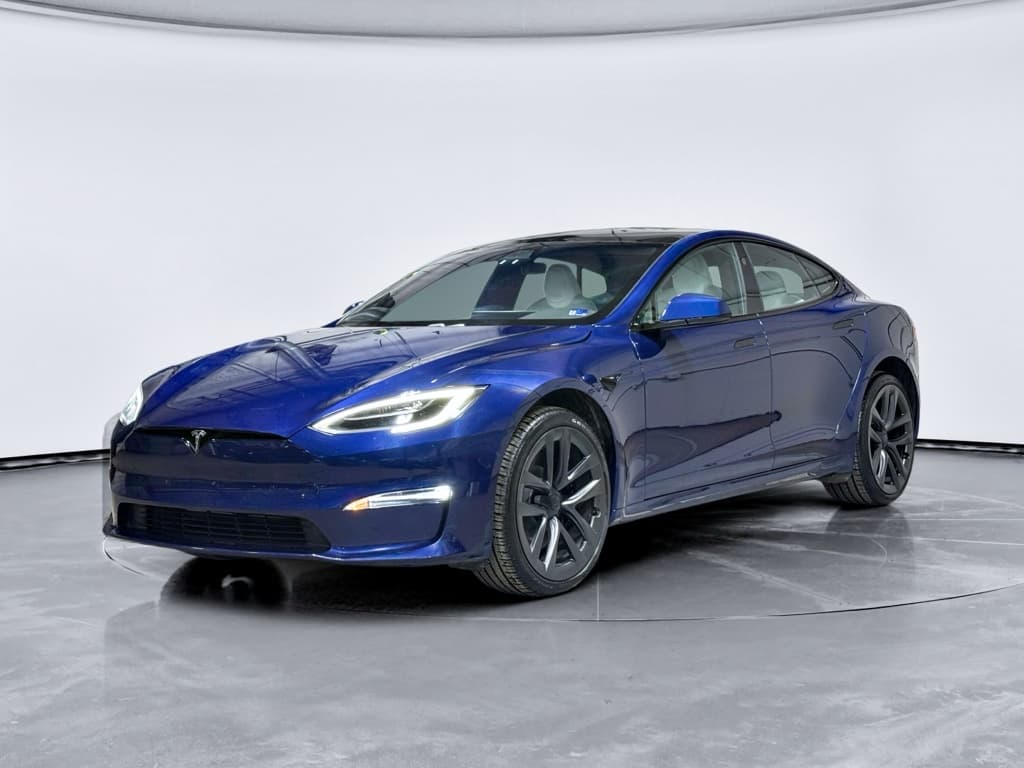
If you own a Tesla Model S in 2026, you’re in a strange spot: your car helped define modern EVs, but its resale value has been on a rollercoaster. After steep price cuts and soft demand in 2023–2025, used Model S prices fell hard, then firmed up again heading into 2026. This guide breaks down **Tesla Model S resale value in 2026**, what similar cars are actually selling for, what pushes your value up or down, and how to avoid leaving thousands on the table when you sell or trade in.
Context: Model S is now a discontinued flagship
Why Model S resale values look so different in 2026
If you search listings or valuation tools for the same year and trim Model S, you’ll find a shockingly wide price spread. A 2018 Long Range car with low miles and strong battery health can still command well over $30,000, while a higher‑mileage 2018 with a tired pack might sit in the high teens. That spread is wider than most gas luxury sedans because **battery health**, software options, and Tesla’s volatile new‑car pricing all feed directly into used values.
Tesla Model S used‑market snapshot for early 2026
The good news is that, compared with the free‑fall of 2023–2024, Model S values have stabilized and even ticked back up in some markets as new‑EV choice has thinned and production of new S has been curtailed. For buyers, that means fewer “fire‑sale” bargains than a year ago, but still significant value versus original sticker. For sellers, it means pricing discipline and documentation really matter: the market now rewards clean, well‑cared‑for cars instead of just assuming “all Teslas are the same.”
2026 Tesla Model S price ranges by model year
Exact resale value depends on condition, mileage, trim, and local demand, but you can anchor your expectations with realistic **early‑2026 asking‑price bands** for U.S.‑market cars bought from reputable dealers or marketplaces. These are typical retail asking ranges for clean‑title, no‑accident cars with average miles; rough, high‑mile, or salvage vehicles trade lower, especially in private sales.
Typical 2026 retail asking ranges for used Tesla Model S (U.S.)
Approximate retail ranges for well‑kept Model S examples in early 2026. Local markets and individual vehicle condition can push values above or below these bands.
| Model year | Typical trim examples | Target mileage band | Typical retail asking range* |
|---|---|---|---|
| 2024–2025 | Dual Motor / Plaid | <25,000 mi | $60,000–$80,000 |
| 2021–2023 (refresh) | Long Range / Plaid | 25,000–60,000 mi | $45,000–$65,000 |
| 2017–2020 | 75D / 90D / 100D / Performance | 50,000–100,000 mi | $22,000–$38,000 |
| 2014–2016 | 60 / 70 / 85 / P85 / 90D | 70,000–130,000+ mi | $13,000–$24,000 |
| 2012–2013 | Early 60 / 85 / P85 | 100,000–180,000+ mi | $9,000–$16,000 |
Use these ranges as a starting point, not a quote, battery health, accidents, and options can easily swing values by 10–20%.
About these price ranges
If you want a more precise real‑time number for your car, cross‑check at least two independent valuation tools and then sanity‑check them against real listings in your region. That gives you a quick reality check before you talk to any dealer or instant‑offer site.
What actually drives Tesla Model S resale value
The four biggest levers on Model S resale value
Think beyond simple age and mileage, EVs live and die by their battery and software story.
Battery health
Mileage & use
Condition & history
Software & options
On a traditional gas luxury sedan, buyers obsess over cosmetic condition and service history. Those still matter on a Model S, but **battery health and software options** are at least as important. Two otherwise identical 2018 100D cars can easily be $5,000 apart in value if one has a strong, well‑documented battery and transferable Full Self‑Driving, while the other shows meaningful range loss and only basic Autopilot.
Battery health: how much it moves the price
The single biggest question used‑EV shoppers ask is, “How much range does it *really* get now?” On the Model S, early‑life degradation is front‑loaded but then tapers off: many well‑cared‑for cars still show roughly 85–90% of original capacity around 150,000–200,000 miles. The problem is that buyers don’t see probabilities; they see **your** car, your displayed range, and whatever documentation you can provide.
Stronger battery story = stronger resale
- Healthy range readings close to what other owners report for your year and pack size.
- Evidence of mainly Level 2 home charging, not nonstop DC fast‑charging.
- No history of pack replacement, voltage imbalances, or sustained reduced‑power warnings.
- A recent, professional battery health report (not just a photo of your dash).
Weak battery story = instant discount
- Displayed full‑charge range substantially below typical owner reports for the same pack.
- Heavy reliance on Superchargers, especially in hot climates, with limited home charging.
- Any history of pack‑related service bulletins, contactor issues, or “brick” scares.
- No verifiable data; just, “It feels fine,” which pushes cautious buyers to discount or walk.
Turn your battery into a selling asset
Mileage, age and depreciation curves
Compared with gas cars, EV depreciation has been more volatile, especially for Tesla, where new‑car prices and incentives changed rapidly in 2023–2025. But under the noise, the **basic pattern for Model S depreciation** is now clearer in 2026:
- The **first 3 years** are still the steepest: price cuts on new cars and rapid tech improvements hit early owners hardest.
- Years **4–7 tend to flatten**: as long as the battery looks healthy and miles are reasonable, a well‑kept car sheds value more slowly.
- Beyond **8–10 years**, cosmetic condition, suspension wear, and any pack concerns create a wider spread, great cars hold value surprisingly well, tired ones don’t.
Luxury EVs can fall faster, until they find a floor
When pricing your own car, avoid the trap of thinking, “It hasn’t lost much in the last year, so it’s done depreciating.” Instead, assume a **modest ongoing decline** (especially if Tesla cuts new‑car prices again) and price realistically enough that your listing doesn’t linger while the market moves underneath you.
Options that still add value (and ones that don’t)
Which Model S options still move the needle in 2026?
Buyers care about useful range and comfort more than obscure option codes.
Battery size & drive unit
Autopilot / FSD
Interior & wheels
Connectivity & infotainment
Charging perks
Cosmetics & wrap
What usually doesn’t pay back
Common price traps for Model S sellers
- **Anchoring to what you paid new.** If you bought a 2019 or 2020 Model S before later price cuts, your emotional anchor may be $15,000–$25,000 above what the market will realistically support today.
- **Assuming all online estimates are offers.** Valuation tools and "instant cash offers" often include fees, spread, or assumptions that don’t apply to your specific car’s battery health and condition.
- **Ignoring mileage and use pattern.** Two 2017 90D cars can have the same odometer reading but very different wear profiles depending on road salt exposure, city vs highway use, and charging habits.
- **Overpricing stale listings.** If you list high “just to see” and the car sits for weeks, buyers and dealers will start to wonder what’s wrong with it, even if nothing is. Price chases the market down from there.
Use data, not vibes
How to estimate your Model S resale value in 5 steps
Five‑step process to price your Model S in 2026
1. Document the basics
Write down VIN, trim, battery size, drive type (RWD/AWD), color, wheel size, Autopilot/FSD status, and exact mileage. Note any transferable free Supercharging or major recent repairs (battery, drive unit, MCU).
2. Get a real battery health read
Capture current projected range at 100%, charging logs if you have them, and any third‑party or professional battery health report. This is where services like Recharged’s **Recharged Score Report** shine, because they quantify pack health in a way buyers can trust.
3. Benchmark the market
Check multiple sources, valuation tools, marketplace listings, and local dealer inventories, for similar cars. Filter for your year, pack size, miles, and options. Pay special attention to the **low‑ and high‑end outliers** and what makes them different.
4. Adjust for condition & history
Score your car honestly on exterior, interior, tires/brakes, and Carfax/AutoCheck history. Clean history, fresh tires, and recent service documentation justify pricing toward the top of the range; accident history, curb rash, or worn seats push you down.
5. Decide your selling channel
If you want maximum convenience and speed, expect to net less than a private‑party sale. If you’re willing to clean, photograph, list, and show the car yourself, and can document its battery health, you can usually aim higher. Your target price should reflect that trade‑off.
Selling choices: trade‑in vs private sale vs EV marketplace
Traditional dealer trade‑in
- Pros: Fast, low‑friction, especially if you’re already buying another vehicle.
- Cons: Many franchised dealers are still uncomfortable valuing older EVs, particularly Teslas, and may low‑ball to offset perceived battery risk.
- Best for: Owners who prioritize convenience over squeezing out top dollar.
Private‑party sale
- Pros: Highest potential sale price if you present the car well and have strong documentation.
- Cons: Handling inquiries, test drives, and payment risk. Many buyers will want help interpreting battery and software details.
- Best for: Sellers comfortable managing the process and screening buyers.
Specialized EV marketplace (like Recharged)
- Pros: EV‑literate pricing, battery diagnostics, nationwide audience, and support with paperwork, financing, and delivery.
- Cons: Marketplace fees or commission vs. pure private sale, though often with stronger pricing than generic instant‑offer sites.
- Best for: Owners who want expert guidance and transparency without giving away thousands in convenience discount.
Where Recharged fits in
Ready to find your next EV?
Browse VehiclesHow Recharged evaluates a used Model S
Because the Model S market is so sensitive to unseen factors like pack health and software status, a surface‑level appraisal rarely tells the whole story. At Recharged, evaluation goes several layers deeper than a quick walk‑around and a lookup in a generic pricing book.

- **Battery health diagnostics:** Using specialized tools and drive‑cycle data, Recharged assesses pack state‑of‑health, fast‑charging behavior, and range stability rather than guessing from age and miles alone.
- **Charging and usage profile:** Mix of DC fast‑charging vs. home Level 2, climate exposure, and long‑term storage habits all influence how a pack ages; these factors are baked into the valuation.
- **Software & connectivity:** Autopilot or FSD entitlement, MCU generation, and connectivity features are verified so buyers know exactly what they’re getting, and what is a paid subscription vs. a one‑time option.
- **Mechanical and cosmetic inspection:** Suspension noise, tire wear patterns, panel alignment, underbody corrosion, and interior wear all get documented, with photos and notes available to buyers.
- **Market‑based pricing:** Instead of one static book value, Recharged benchmarks your specific car against live national and regional data for comparable Model S examples, then explains the pricing in plain language.
Why this matters for your bottom line
FAQ: Tesla Model S resale value in 2026
Frequently asked questions about Model S resale value
Bottom line for 2026 Model S owners and shoppers
In 2026, the Tesla Model S is no longer the newest tech on the road, but it’s still one of the most compelling used EVs if you pick (or present) the right example. Resale values have taken their big hit already and are now shaped less by Tesla’s latest price cuts and more by the fundamentals of each individual car: **battery health, mileage, history, and options**.
If you’re selling, your job is to document those fundamentals and choose a sales channel that doesn’t treat your car like a mystery box. If you’re buying, you’re in a window where you can get flagship‑level performance and comfort for a fraction of original MSRP, as long as you look past the paint and into the pack. Either way, leaning on EV‑specialist platforms like Recharged, with verified battery diagnostics and transparent pricing, can turn a volatile used‑EV market into a much more predictable experience.