If you’re asking, “What is my Hyundai Kona Electric worth?”, you’re not alone. The Kona EV has quietly become one of the best buys in the used EV market, which is great when you’re shopping, but it makes pricing your own car a little tricky. Used Kona Electrics can sit anywhere from the mid-teens to the mid-$20,000s depending on age, miles, and, most importantly, battery health.
Why Kona EV values are all over the map
How much is my Hyundai Kona Electric worth right now?
Let’s set expectations before we talk strategy. Exact numbers depend on your ZIP code, trim, mileage, condition, battery health, and how you sell (trade-in vs. private vs. online buyer), but current market data for the U.S. shows a clear pattern:
Typical U.S. value bands for Hyundai Kona Electric
Realistic retail ranges as of early 2025 (not offers for your specific car)
2019–2020 Kona Electric
Typical dealer retail:
$15,000–$20,000 for average mileage.
Why so low?
Early EV pricing and generous incentives pushed used values down, but they’re now seen as smart budget EVs.
2021–2022 Kona Electric
Typical dealer retail:
$18,000–$23,000 depending on trim and miles.
Sweet spot:
More modern tech and safety features, still well under new-EV pricing.
2023–2024 Kona Electric
Typical dealer retail:
Roughly $20,000–$25,000 for 2024 SE–Limited, down from low-$30,000s MSRP when new.
EV reality:
Even 1–2 year-old Kona Electrics can be thousands under original sticker.
Averages are not offers
Quick value ranges by model year
To give you a clearer frame of reference, here’s a simplified look at where Hyundai Kona Electric pricing tends to land at dealers in early 2025, for vehicles in clean condition with average mileage for their age:
Hyundai Kona Electric: rough dealer retail ranges by year
These are broad national ballparks. Your actual value can sit above or below these ranges based on battery health, mileage, options, and local demand.
| Model year | Approx. mileage (typical) | Rough dealer retail band | Notes |
|---|---|---|---|
| 2019 | 50k–70k miles | $14,000–$18,000 | Earliest U.S. cars; value jumps for low miles and strong battery tests. |
| 2020 | 40k–60k miles | $15,000–$19,000 | Similar hardware to 2019; shoppers often compare to newer budget EVs. |
| 2021 | 30k–50k miles | $17,000–$21,000 | Mid-cycle sweet spot; better tech and still under long battery warranty. |
| 2022 | 20k–40k miles | $19,000–$23,000 | Often certified or still feel "like new"; good mix of price and features. |
| 2023 | 10k–30k miles | $19,000–$23,000 | Heavier early depreciation but good value versus new EV pricing. |
| 2024 | Under 20k miles | $20,000–$25,000 | All-new generation; original MSRP around mid-$30,000s, now often mid-$20,000s or less. |
Use this table as a compass, not a contract. A proper appraisal will always adjust for your specific car.
Don’t forget the battery warranty
6 big factors that move your Kona EV’s value
EVs share some of the same value rules as gas cars, mileage, condition, accidents, but a Kona Electric brings a few EV-specific twists. Here’s what most strongly nudges your number up or down.
What buyers really look at on a used Kona Electric
Each of these can swing your value by hundreds, or even thousands, of dollars.
1. Odometer mileage
More miles usually mean more wear on the battery and suspension, and buyers know it. A 2019 Kona Electric with 30,000 miles can realistically bring several thousand dollars more than one with 80,000 miles.
2. Trim and options
SEL, Limited, and earlier Ultimate trims bring nicer seats, tech, and safety gear. Features like adaptive cruise, heated seats, or premium audio help your listing stand out in a crowded used-EV market.
3. Accident and repair history
Structural accident damage or a branded title (salvage, rebuilt) is a major value hit, especially on an EV. Many buyers simply won’t consider a high-voltage car with heavy collision history.
4. Condition and maintenance
Fresh tires, brakes, and up-to-date service history are worth real money. Small cosmetic flaws? Buyers expect a few, but big scrapes, curb-rash wheels, or a tired interior bring negotiation down fast.
5. Battery health and range
This is the big one. If your Kona still charges near its original rated capacity, it’s far more attractive than one that’s lost a noticeable chunk of range. A documented battery-health report can be the difference between a quick sale and a low-ball offer.
6. Local demand and incentives
In EV-friendly states and cities with HOV perks or cheap electricity, clean used Konas move fast. In regions where charging is sparse, buyers expect a bargain to make the leap into an EV.
Why EVs like the Kona Electric depreciate differently
If you’ve ever owned a gas compact SUV, you might be surprised by how quickly early Kona Electrics dropped in price. That’s not because it’s a bad car; it’s because EV pricing has been on a roller coaster the last few years.
Kona Electric depreciation at a glance
Stack those numbers up next to a gas Kona or a small crossover and depreciation looks harsh. But the flip side is that your car is competing in a used market full of heavily discounted EVs, automaker price cuts on new models, and changing tax credits. Buyers expect a deal. Knowing that context helps you understand why one valuation tool might show a number that feels low next to your original window sticker.
Think in “today dollars,” not original MSRP
Battery health: the make-or-break number
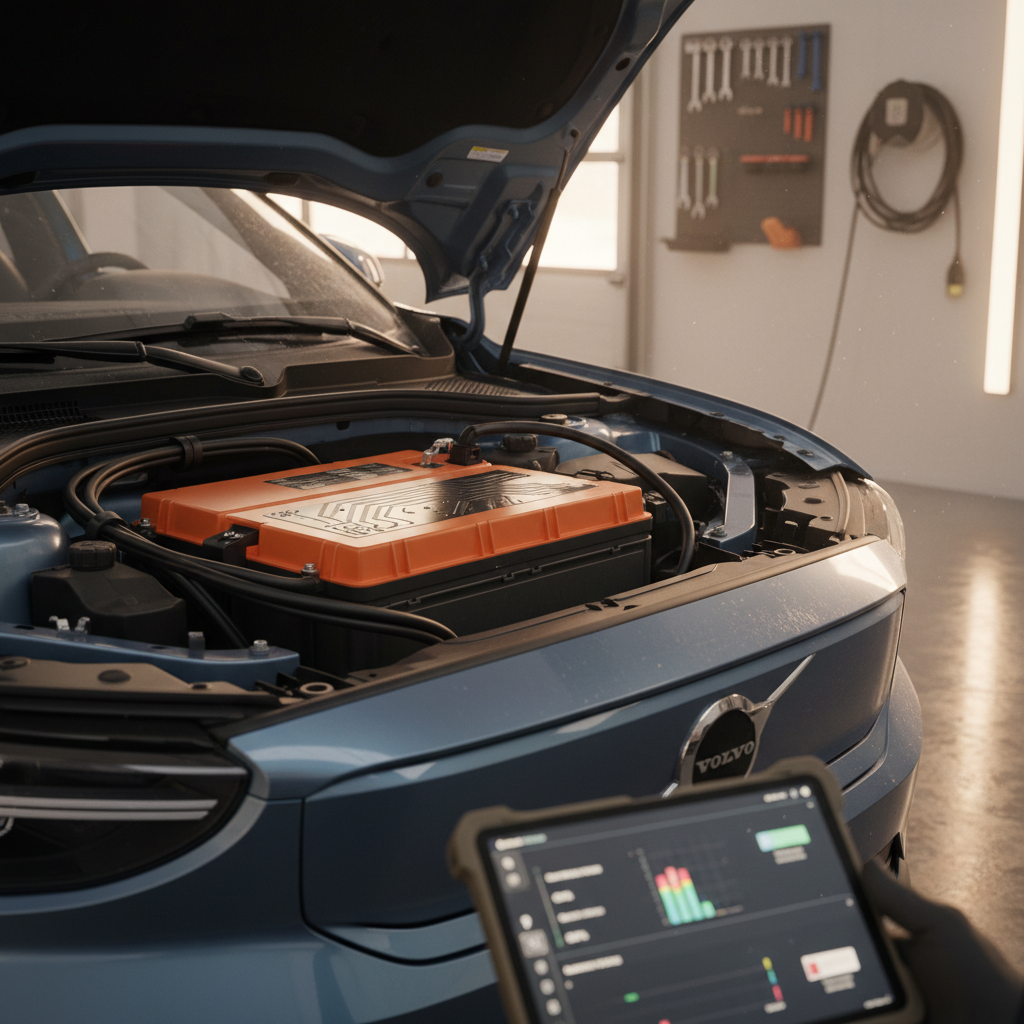
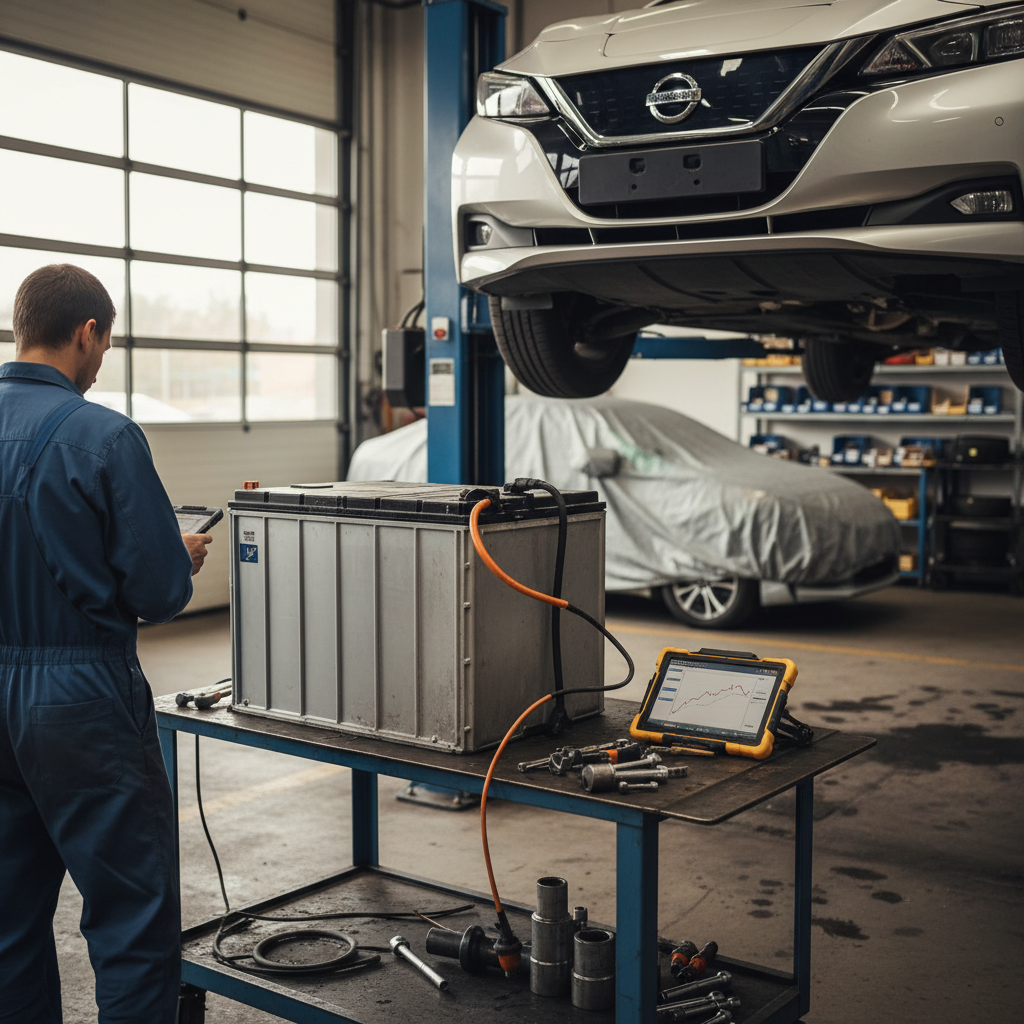
On a used Kona Electric, battery health is like the engine compression test on a classic car. Most buyers can’t see it in the photos, but once they do, it’s hard to un‑see. A strong battery report can justify top-of-market pricing; a weak one pushes your car into “budget commuter” territory.
Why buyers care so much
- Real-world range: A Kona that still gets close to its original EPA range feels like a newer car.
- Future-proofing: A healthier pack delays expensive repairs or replacement.
- Fast-charging performance: Healthier batteries usually charge faster and more consistently on road trips.
How to demonstrate battery health
- Have a professional battery diagnostic run and share the report.
- Include typical range screenshots from your dash or app.
- Mention charging habits (mostly Level 2 at home vs. constant DC fast charging).
How Recharged handles battery health
How to get a real-world number for your Kona EV
You can absolutely start with online pricing tools, but don’t stop there. EV values move faster than print guides, and a few extra minutes of prep can easily be worth hundreds of dollars on your offer.
5 steps to a believable value for your Hyundai Kona Electric
1. Gather your basics
Have your year, trim (SE, SEL, Limited, or earlier Ultimate), mileage, VIN, and major options ready. Note any accidents, modifications, or warning lights.
2. Run multiple online estimates
Check at least two sources, trade-in tools, EV marketplaces, and dealer sites, to get a value range, not a single magic number.
3. Look at real listings, not just guides
Search for Kona Electrics in your area with similar year, trim, and miles. Pay attention to whether they’ve been sitting on the market or turning quickly.
4. Get a battery health check
If you can, obtain an independent battery diagnostic or work with a platform like Recharged that measures pack health as part of the valuation.
5. Request a firm offer
Once you understand the range, get a no-obligation offer. With Recharged, you can start an instant offer or explore consignment to see which path nets more for your car.
Boosting your Kona Electric’s resale value
You can’t rewind the odometer, but you can absolutely make your Kona EV more appealing than the next one on the list. Think like a buyer scrolling through a dozen nearly identical blue Konas, what makes them click yours?
Quick wins before you list or trade your Kona Electric
Most of these cost little but help your car stand taller in a crowded used-EV market.
Detail the car inside and out
Clean wheels, vacuumed carpets, and wiped-down touchscreens say “well cared for.” EV buyers tend to be tech‑minded and notice the details.
Organize records & reports
Service receipts, recall documentation, tire invoices, and a battery health report tell a story of responsible ownership, and support your ask price.
Fix small but scary items
Dashboard warning lights, chipped windshields, or bald tires either scare off buyers or become easy excuses for low offers. Address what you can up front.
Price for the search filter, not just your target
Should you sell, trade in, or consign your Kona EV?
Once you know roughly what your Hyundai Kona Electric is worth, the next question is how to turn that into money, or a newer EV. Each path has its own trade-offs in terms of time, convenience, and final dollars in your pocket.
Trade-in to a dealer
- Pros: Fast, simple, one set of paperwork.
- Cons: Usually the lowest dollar amount; dealers need margin for reconditioning and warranty.
- Best if: You’re already buying another car and want a quick, low-effort handoff.
Sell it yourself
- Pros: Often the highest price if you’re patient.
- Cons: Photos, listings, test drives, tire‑kickers, and handling payment safely.
- Best if: You have time, live in an EV‑friendly area, and are comfortable managing the process.
Consign or sell through a marketplace
- Pros: Professional marketing, EV‑savvy buyers, support with paperwork and shipping.
- Cons: Marketplace fees or commissions reduce the final check a bit.
- Best if: You want more than a trade‑in but less hassle than DIY selling.
Where Recharged fits in
How Recharged values a used Hyundai Kona Electric
Because Recharged focuses on used EVs, including the Hyundai Kona Electric, we weigh some factors more heavily than a traditional gas‑car dealer might. That can work in your favor if you’ve taken good care of your car and battery.
What goes into a Recharged value for your Kona Electric
It’s more than just a quick look at year and miles.
EV‑specific inspection & Recharged Score
We evaluate your Kona’s overall condition and run advanced battery diagnostics to produce a Recharged Score Report. That score lets buyers compare your car’s health to others on the market, instead of guessing.
Current EV market and incentives
We monitor real‑time EV pricing, incentives, and demand in your region. If tax credits or local perks make Kona Electrics hot in your area, that gets reflected in offers and listing strategy.
Ready to find your next EV?
Browse VehiclesFrom there, you can choose the path that fits your goals: accept an instant offer for a fast, guaranteed sale, or list on Recharged with expert guidance on pricing, photos, and negotiations to try for more.
FAQ: Hyundai Kona Electric resale value
Common questions about Hyundai Kona Electric value
Bottom line on your Kona Electric’s worth
Your Hyundai Kona Electric is worth what the market will pay for your specific car, its year, miles, battery health, and story, not what a generic price guide says. The good news is that the Kona EV’s early depreciation makes it an attractive used buy, and that same market now understands its strengths: practical range, a long battery warranty, and low running costs.
If you’re ready to move on, start by getting a realistic range from multiple sources, then back that up with a clean car and strong documentation. From there, Recharged can help you get a verified battery health report, understand fair market pricing, and choose the best selling path, instant offer, trade-in support, or a consigned listing that works as hard as you do for every last dollar your Kona Electric is worth.