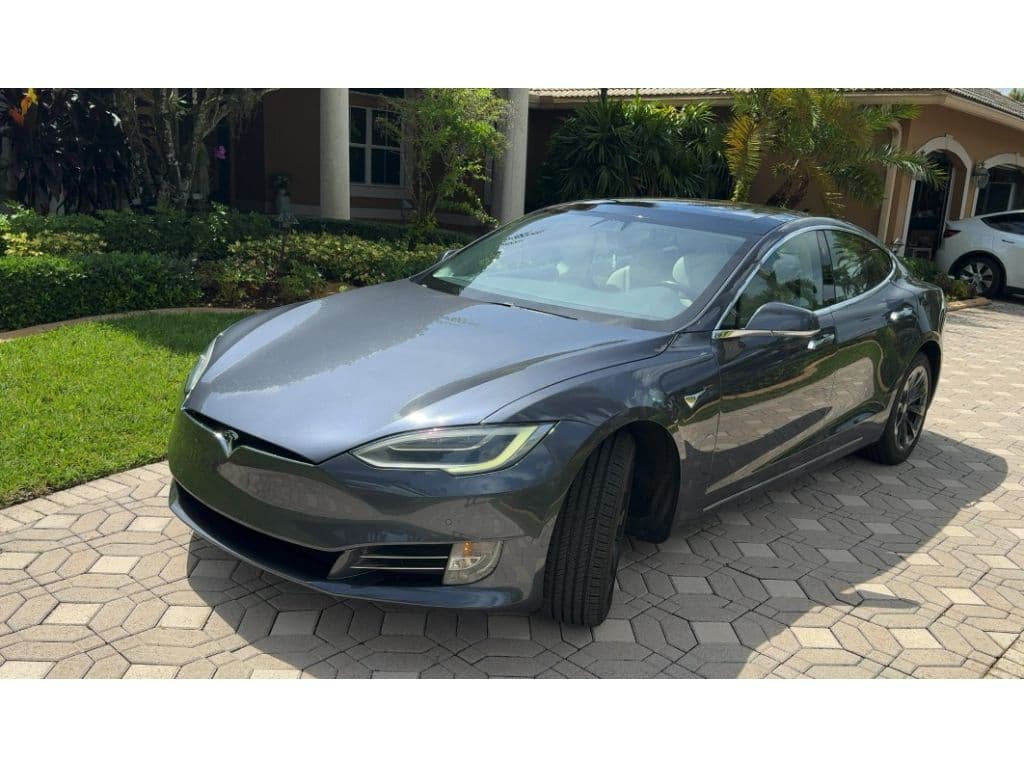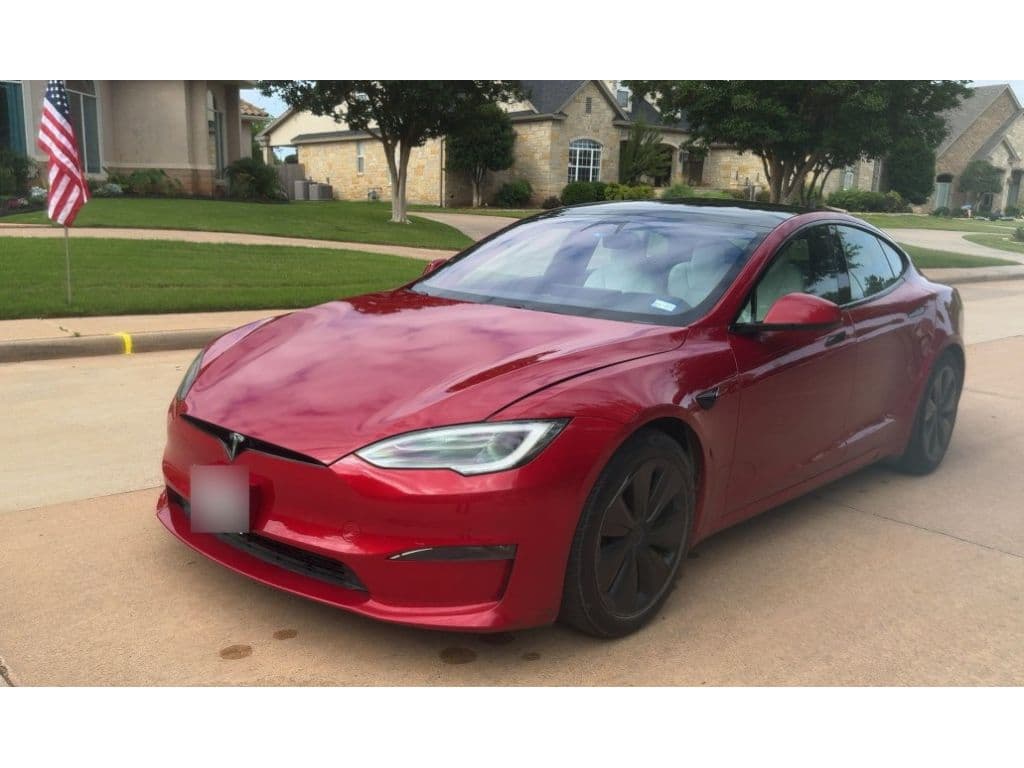
If you own a Tesla Model S, or you’re eyeing a used one, the big question is simple: **what will it be worth in a few years?** A clear Tesla Model S resale value forecast can help you decide whether to keep, sell, or buy used, and how aggressive you can be on price without getting burned later.
Quick snapshot
Why Tesla Model S resale values matter right now
The Tesla Model S resale value forecast is more important in 2026 than at any time in the car’s history. On one hand, the Model S is no longer Tesla’s volume leader, and new EV prices, and incentives, have pushed shoppers toward cheaper models. On the other, used EV sales are up sharply, and Tesla has confirmed that the Model S and X are winding down as it pivots toward robotaxis and new products. That combination creates a volatile, but opportunity‑rich, environment for both buyers and sellers.
If you’re an owner, you’re trying to time the market before values soften further, or, potentially, stabilize as production ends. If you’re a shopper, you’re trying to figure out whether today’s prices already bake in most of the bad news, or whether there’s more room for depreciation. This guide walks through the data, the trends, and practical steps you can take either way.
Where Tesla Model S resale values stand today
Tesla Model S used-value snapshot (early 2026)
Market‑tracking services and retail listing data show that the average used Tesla Model S now sells in the **high‑$20,000s to low‑$30,000s**, depending on year, trim, and mileage. Late‑model cars (roughly 2021–2023) often list in the **mid‑$40,000s to low‑$50,000s**, while older pre‑refresh cars are frequently well below $25,000.
Across brands, Tesla’s flagship sedan has been one of the hardest‑hit EVs in depreciation terms. Analyses of five‑year‑old vehicles show the Model S often losing **around two‑thirds of its original MSRP** in that timeframe, with seven‑year‑old cars pushing closer to a 70% loss. That sounds brutal, but it’s also what makes the Model S one of the best value plays in the used EV market right now.
Important context
5-year and 10-year depreciation outlook for the Model S
Forecasting the next decade of Tesla Model S values means combining historical data with what we know about today’s market. From multiple data sources, five‑year depreciation from new has clustered in the **60–70% range** for the Model S. After that, the curve flattens: most of the damage is done by year three to five, then values erode much more slowly.
Illustrative Tesla Model S depreciation forecast
Approximate resale value as a percentage of original MSRP for a typical U.S. car, assuming average mileage and condition.
| Age of vehicle | Expected value vs. original MSRP | What that typically means in dollars* | Market takeaways |
|---|---|---|---|
| 3 years | 35–40% of MSRP | A $95k car might resell around $33k–$38k | Most of the big depreciation already happened. |
| 5 years | 30–35% of MSRP | Same car might be ~$28k–$33k | Steep loss for original owner, strong value for used buyer. |
| 7 years | 25–30% of MSRP | Roughly $23k–$28k | Curve starts flattening; battery health matters more than age. |
| 10 years | 18–25% of MSRP | Roughly $17k–$24k | Desirability hinges on battery, software support, and repair history. |
Real‑world values will vary by trim, mileage, location, and condition. Treat these as directional, not guaranteed.
Why 5-year losses look so big
Key factors that drive Tesla Model S resale value
What actually moves Model S resale values
Price guides are a starting point. These levers decide where your car lands in the range.
Mileage & usage
Battery health
Condition & repairs
Accident history
Software & features
Location & demand
How Recharged helps here
How battery health shapes long-term Model S value
Battery health is the single biggest long‑term input into any Tesla Model S resale value forecast. Tesla’s own data suggests Model S and X packs often retain around **88% of original capacity at roughly 200,000 miles**, assuming typical use. That’s encouraging, but it’s an average, real‑world cars vary based on climate, charging habits, and build year.
- Cars that DC fast‑charge constantly, especially at high state of charge, tend to show more degradation.
- Hot climates can accelerate battery wear, particularly if the car is parked outside regularly.
- Sitting at 100% charge for long periods or yo‑yoing between 0% and 100% is harder on the pack than living mostly in the 20–80% window.
- Earlier Model S packs use different chemistries and hardware than later builds, so two cars with the same mileage might not age the same.
Why good packs prop up resale

Generation-by-generation Tesla Model S value forecast
The Model S has been around since 2012, and the market treats early cars very differently from late‑model Plaid sedans. Here’s a high‑level look at how resale trends differ by generation and what that likely means going forward.
Model S generation snapshot and value outlook
Broad groupings of Model S by build era, with typical current pricing ranges and short‑term outlook.
| Model S era | Approx. model years | Typical current price range | Short‑term (3–5 yr) value outlook |
|---|---|---|---|
| Early/pre-facelift | 2012–2015 | $13,000–$20,000 | Near the bottom of the curve. Values likely drift down slowly, with condition and battery health dominating. |
| Mid-cycle facelift | 2016–2018 | $18,000–$26,000 | Already heavily depreciated; modest further declines expected. Desirable specs (dual‑motor, bigger packs) should hold better. |
| Pre-refresh Raven | 2019–2020 | $25,000–$32,000 | Still sliding but approaching a plateau as they join the "value sweet spot" for used buyers. |
| Refresh / Plaid era | 2021–2024 | $40,000–$60,000+ | Steeper near‑term depreciation as early buyers exit, but long‑term demand should stabilize values, especially for Plaid. |
| Late-run & final production | 2025–2026 | $65,000–$100,000+ (lightly used) | Expect classic luxury‑EV behavior: sharp 3–5 year drops, then gradual flattening as supply tightens once production stops. |
Ranges assume average mileage and clean history. Individual cars can fall outside these bands.
Discontinuation effect
Pricing bands: what you’ll likely pay, or get, for a Model S
As a buyer: what to expect
- Budget ($15k–$22k): Early 2012–2016 cars, higher miles, older battery tech, and typically out of most warranty coverage. Great entry price, but buy only with strong battery data.
- Value sweet spot ($22k–$35k): 2016–2020 cars with reasonable mileage. These have done most of their depreciating and often pair modern features with tolerable payment levels.
- Late-model & Plaid ($40k–$70k+): 2021–2024 refresh and Plaid models. You’re paying for performance, updated interiors, and remaining warranty. Expect further depreciation but also stronger long‑term desirability.
As a seller: what’s realistic
- Private party vs. trade: Private sale typically brings 5–15% more than a trade‑in, but takes time and effort. Online instant offers and marketplaces like Recharged can split the difference while keeping things easier.
- Condition penalties: Curb rash, cracked glass roof, interior wear, and paint issues can each knock hundreds off; a combination can cost you several thousand dollars.
- Feature premiums: Performance trims, FSD (if transferrable), premium audio, and rare colors can all justify asking more, especially when backed by clean history and documentation.
Use data, not just gut feel
How to protect your Tesla Model S resale value
Six moves that meaningfully support your Model S value
1. Prove battery health
Documented battery condition is gold. Capture range at 100% charge a few times a year, save service center notes, and when you’re ready to sell, get a third‑party battery health report, this is exactly what the Recharged Score provides.
2. Keep software and service current
Apply over‑the‑air updates, fix warning lights promptly, and keep up with recommended service items. Buyers pay more for cars that feel "plug‑and‑play", not like projects.
3. Protect the interior and screens
The Model S cabin is dominated by touchscreens. Use screen protectors, avoid harsh cleaners, and fix sticky or yellowing borders early. Clean, odor‑free interiors hold value noticeably better.
4. Avoid unnecessary cosmetic damage
Paintless dent repair and wheel refinishing are relatively affordable and can add back more in perceived value than they cost, especially on newer or higher‑trim cars.
5. Be smart about modifications
Subtle upgrades (like quality window tint or OEM wheels) are usually fine. Radical wraps, suspension drops, or aftermarket electronics can shrink your buyer pool and hurt resale.
6. Keep records organized
Store digital copies of invoices, alignment sheets, tire receipts, and charge‑port or MCU repairs. A tidy folder of records reassures used‑EV shoppers that the car’s been cared for.
Buying a used Model S: how to avoid overpaying
If you’re shopping for a used Tesla Model S in 2026, you’re walking into a market where headline numbers say "huge depreciation" but clean, late‑model cars still command strong prices. The trick is separating **a legitimately good deal** from a car that’s cheap because future repair and battery costs are lurking in the background.
Smart buyer strategies for the Model S
Use the depreciation curve to your advantage, not against you.
Target the heavy-depreciation years
Insist on documentation
Use expert inspections
Don’t anchor on new-car MSRP
Selling or trading in your Model S: strategy guide
For existing owners, the question is rarely "Will my Model S depreciate?", it’s **how to capture as much of its remaining value as possible**. That comes down to timing, channel, and presentation.
1. Time your exit smartly
- Watch mileage thresholds: Values tend to step down at big mileage brackets (60k, 80k, 100k miles). Listing the car at 79,000 miles usually looks better than 101,000.
- Consider product-cycle news: The end of Model S production can create a short‑term rush of attention, followed by a plateau as used supply grows. If you’re already leaning toward selling, the next 12–24 months could be a reasonable window.
2. Choose the right selling channel
- Instant offer / trade‑in: Fast and low‑effort, but usually the lowest number.
- Private sale: Highest potential price, but more hassle, tire‑kickers, and risk.
- Specialized EV marketplace: Platforms like Recharged blend nationwide exposure, EV‑specific expertise, and guidance on pricing, plus tools for trade‑ins or consignment if you’re not in a rush.
3. Present your Model S like a pro
Detail the car inside and out
A professional detail, paint decontamination, interior steam clean, glass, improves photos and first impressions. It’s one of the highest‑ROI pre‑sale expenses you can make.
Highlight the right features
Call out battery size, drivetrain (Dual Motor, Performance, Plaid), FSD or Enhanced Autopilot status, infotainment upgrades, and any recent major service like drive‑unit or MCU replacements.
Be transparent about flaws
Disclose cosmetic issues, curb rash, and minor dings in your listing. Today’s EV shoppers are wary; honest descriptions build trust and reduce renegotiation later.
Leverage objective reports
Pair your listing with a third‑party battery and condition report. On Recharged, this comes baked in via the Recharged Score Report, which can justify a higher asking price when the car is truly strong.
Tesla Model S resale value forecast: FAQ
Frequently asked questions about Tesla Model S resale value
Bottom line: what the Model S resale forecast means for you
The Tesla Model S has already written one of the most dramatic depreciation stories in the EV world. Five years in, many cars have given up close to 70% of their original MSRP. But the story from here is less about free‑fall and more about **who uses the curve intelligently**, buyers who target the sweet spot, and sellers who present strong cars with hard data to back them up.
If you’re shopping, the forecast suggests that **3–7‑year‑old cars with verified battery health** are where value and risk balance out best. If you own a Model S, your focus should be on maintaining the pack, keeping records, and choosing a sales channel that understands EVs. That’s exactly where Recharged comes in: from battery‑health diagnostics and Recharged Score Reports to financing, trade‑ins, and nationwide delivery, our goal is to make buying or selling a used Model S as transparent, and stress‑free, as possible.