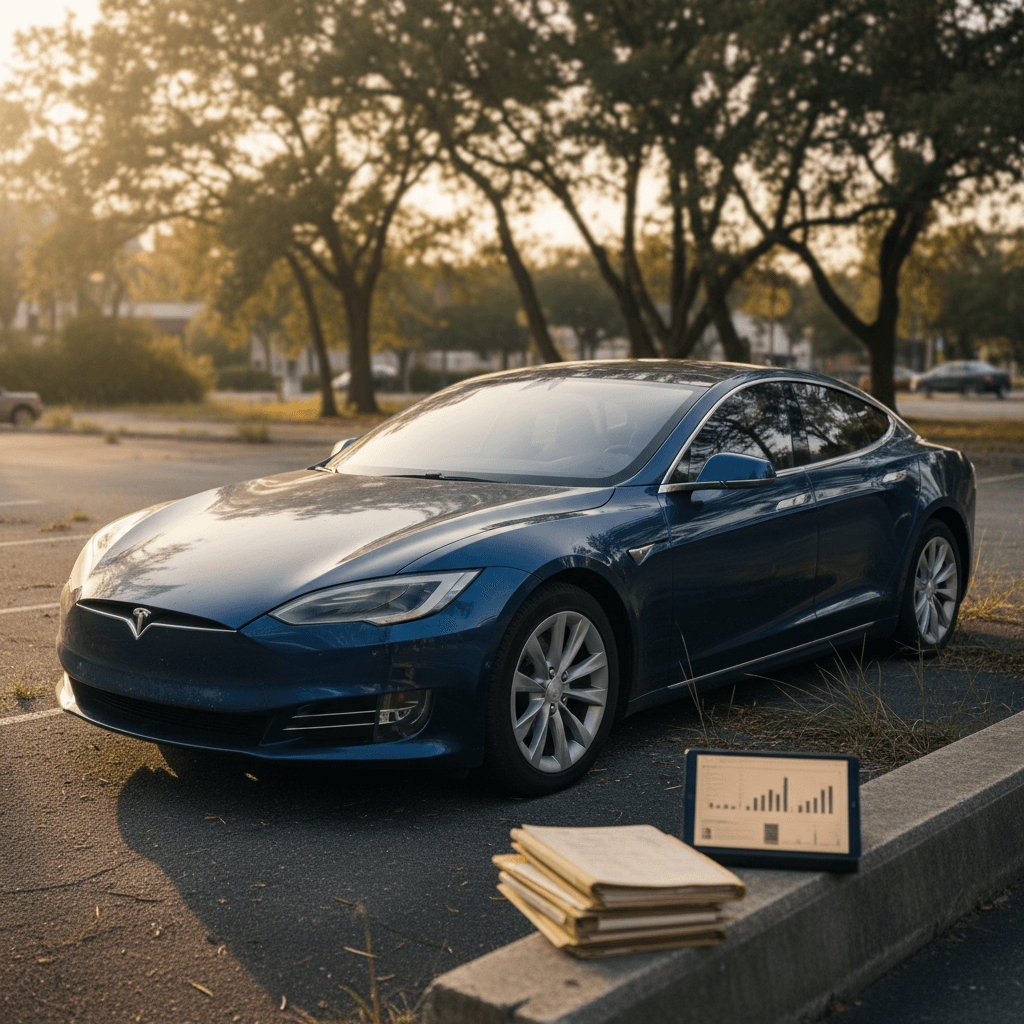
If you’ve been watching Tesla Model S prices over the last few years, you’ve seen a full Greek drama: price cuts, surprise hikes, and used values that fell faster than almost anything else on the road. In 2026, shoppers want to know one thing: what’s the Tesla Model S price forecast for 2026, and is this the moment to pounce on a used flagship Tesla?
Quick take
Why Tesla Model S prices matter in 2026
The Model S used to be depreciation‑proof mythology. Early cars held value almost unnaturally well thanks to limited EV competition and Tesla’s tech halo. That era is over. Today, the Model S is a case study in how quickly luxury EVs can lose value when new‑car prices swing and fresh competitors appear.
Why shoppers care about Model S prices now
Three reasons this forecast isn’t just for Tesla superfans
Flagship EV, now mainstream money
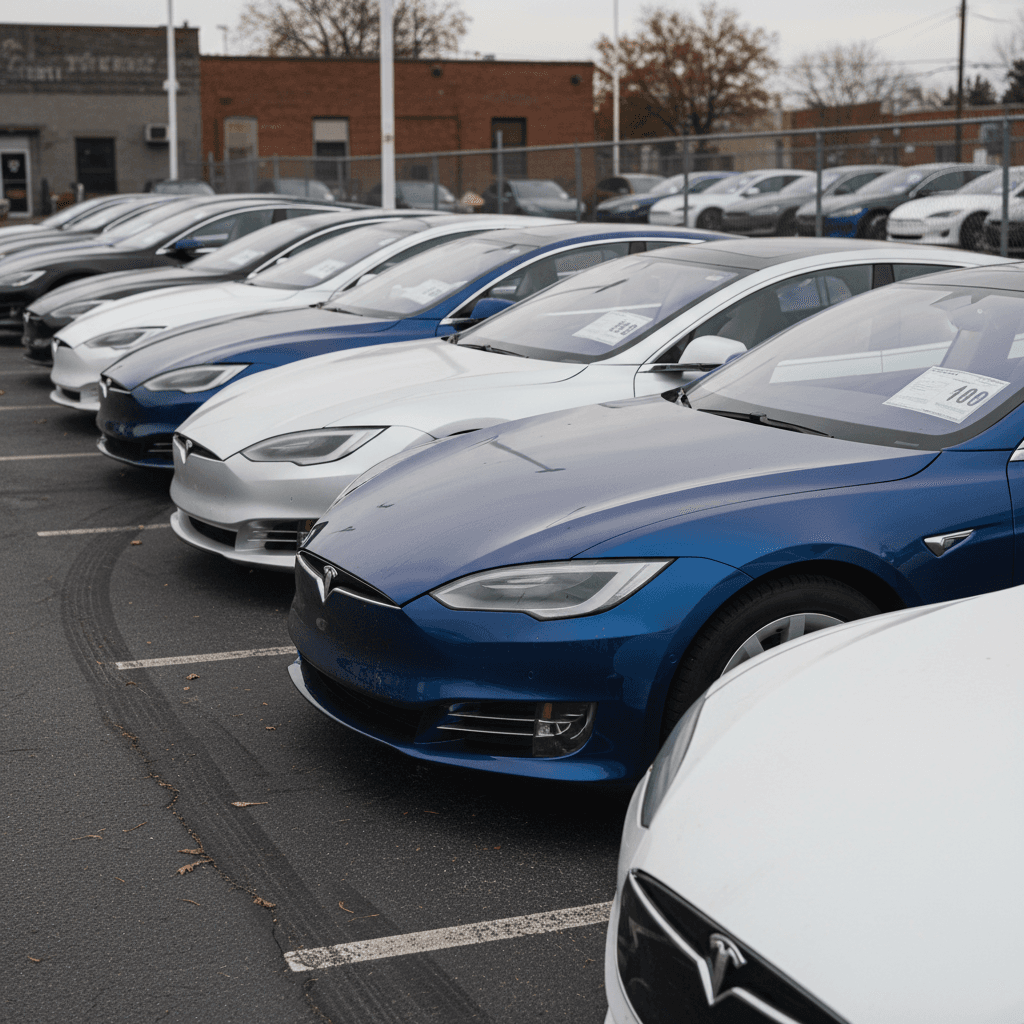
A decade ago, the Model S was six‑figure money. By late 2025, early examples were trading under $20,000, with plenty of solid cars in the $25k–$40k band.
Price swings = opportunity
Between 2023 and 2025, Tesla’s constant MSRP changes and aggressive inventory discounts pushed used prices down faster than the broader market. Volatility creates chances for patient buyers.
Luxury risk at used‑car pricing
You’re still dealing with air suspensions, big tires, and complex electronics. Understanding where prices are headed helps you avoid overpaying for expensive risk.
Where Model S prices sit today (new & used)
Let’s anchor the conversation in real numbers before we start forecasting. Exact pricing moves month to month, but by early 2026 we can draw a reasonable box around both new and used Model S values in the U.S.
Tesla Model S price snapshot headed into 2026
MSRP ≠ real‑world pricing
How the Model S has actually depreciated
Independent studies and retail data all point the same way: in the last few years, the Model S went from value darling to depreciation poster child. One analysis of early EVs found 10‑year‑old Model S sedans losing close to 90% of their original MSRP, making them some of the steepest losers in the segment. Other five‑year studies show Model S dropping more year‑over‑year than rivals like the Porsche Taycan.
Approximate Tesla Model S depreciation profile
These are directional averages based on public data and observed transaction ranges, not guaranteed numbers for any individual car.
| Age of car | Typical value vs. original MSRP | What that looks like in the real world |
|---|---|---|
| 1 year old | ~80–85% | Lightly used 2025 Model S at roughly mid‑$60ks to low‑$70ks. |
| 3 years old | ~55–65% | Recent‑gen Long Range cars often in the $45k–$60k band depending on miles and options. |
| 5 years old | ~30–40% | High‑miles or previous‑gen cars sometimes under $35k; nicer examples in the $35k–$45k range. |
| 10 years old | ~10–20% | Early Model S examples routinely under $20k, some far lower with high miles or issues. |
Higher‑spec cars (Plaid, Performance, big wheels) typically lose more dollars but similar percentages vs. base dual‑motor cars.
Why depreciation hit so hard
Tesla Model S price forecast for 2026
Forecasting any used‑car price is a bit like weather: you can’t promise sunshine, but you can read the pressure systems. For the Model S, most signs point to **continued depreciation in 2026, but at a calmer pace** than the free‑fall years of 2023–2024.
- Late‑2025 into early‑2026 data shows some used Model S prices rising modestly, especially after rumors and reports that Tesla may scale back or pause new Model S/X production for certain markets.
- At the same time, higher interest rates and fewer new‑EV tax incentives are pushing more shoppers to used inventory, firming up demand for clean, late‑model cars.
- The giant one‑time shock from Tesla’s earlier price cuts has already been baked in; there’s no equivalent structural shock looming in 2026 based on what we know now.
Our directional call for 2026
- 1–2 year old Model S: Expect values to slide roughly 8–12% across the year in normal conditions.
- 3–5 year old cars: More like 10–15% annual depreciation, depending on miles and condition.
- 6–10 year old cars: Many are approaching a value “floor” where condition matters more than model year. Think mid‑teens percent on average, but huge variance.
Big caveat: this is a forecast, not a contract
Everything above assumes no black‑swans: no sudden federal EV incentive overhaul that floods or starves supply, no radical tech bombshell that instantly makes older Teslas obsolete, and no global recession that freezes luxury spending. Price forecasts help you think in bands, not bet the mortgage.
The short version
2026 price outlook by model year and trim
Here’s where things get practical. If you’re shopping a used Model S in 2026, this is the kind of pricing band you’re likely to see in the U.S. market, assuming clean titles and sane mileage. Think of these as weather ranges, not precise GPS coordinates.
Directional Tesla Model S price bands for 2026 (U.S.)
Estimated transaction ranges for well‑kept cars bought from reputable sources. Local markets, mileage, options, and condition can push you above or below.
| Model year | Typical trims | Expected 2026 price band | Notes |
|---|---|---|---|
| 2024–2025 | Dual Motor, Plaid | ~$55,000–$85,000 | Nearly new; high‑mile or basic spec at the low end, low‑mile Plaid at the high end. |
| 2021–2023 refresh | Long Range/Dual Motor, Plaid | ~$40,000–$70,000 | Sweet spot for many buyers: newer interior and tech, but past the first‑owner hit. |
| 2017–2020 | 75D/90D/100D, Performance | ~$28,000–$45,000 | Big spread based on battery size, Autopilot/FSD, and cosmetic condition. |
| 2013–2016 early cars | 60/70/85/P85 and variants | ~$12,000–$28,000 | The bargain basement: older tech, more wear; battery/drive‑unit health become the whole story. |
Plaid models carry a serious performance premium, but they also shed dollars quickly if miles are high or cosmetic condition isn’t strong.
How to read these ranges
Key forces that will move Model S prices
A good price forecast isn’t just a table of numbers, it’s a list of levers. Here are the big ones that will shove Tesla Model S prices up or down through 2026.
Four pressure systems shaping Model S values
Watch these, not social‑media hot takes
Tesla’s own pricing & production decisions
When Tesla chops or hikes Model S MSRP, used prices follow. Likewise, if new‑car production pauses or slows, scarcity can lift late‑model used values.
Financing and macro economy
High interest rates punish luxury EV demand. If rates ease, more buyers can stretch for newer cars, which can stabilize used prices.
Competing luxury EVs
Every new Lucid, Mercedes EQ, BMW i5/i7, or Porsche Taycan revision puts pressure on the Model S. Better rivals at similar money tug values down.
Policy and incentives
Shifts in federal and state EV credits, or new congestion/CO₂ rules, can suddenly tilt demand back toward used EVs, which helps clean Model S examples the most.
Used EVs are now the value play
Is 2026 a good time to buy a used Model S?
For many shoppers, yes, with an asterisk. If you approach the car like a used Panamera or S‑Class rather than a magic smartphone on wheels, 2026 is arguably the best time yet to buy a Model S. Prices have come down from the stratosphere, selection is huge, and the worst of the sudden price shock appears to be behind us.
Why 2026 favors buyers
- Heavy past depreciation: Many cars have already lost 60–70% of their original MSRP.
- Wide inventory: Thousands of Model S examples span years, trims, and budgets.
- Better information: Battery‑health tools and seller transparency are miles ahead of where they were five years ago.
What you still need to respect
- Luxury‑car running costs: Tires, suspension work, MCU screens, and out‑of‑warranty repairs are not Corolla money.
- Battery uncertainty on older cars: Early‑generation packs can vary wildly in remaining capacity and DC fast‑charge performance.
Where Recharged fits in
Ready to find your next EV?
Browse VehiclesHow to value a used Tesla Model S in 2026
Online pricing tools (KBB, Edmunds, etc.) are a decent first stop, but they struggle with options, software, and the peculiarities of EV wear. For a Model S, you need to layer real‑world EV factors on top of the usual used‑car math.
- Start with the VIN and options: Battery size, drive layout, and whether it’s a Performance/P or Plaid car can swing value by tens of thousands of dollars.
- Check mileage the EV way: 15,000 miles of highway commute is not the same as 15,000 miles of repeated DC fast charging and launch‑control abuse.
- Interrogate the battery: Use seller‑provided battery reports or a platform like Recharged that runs high‑resolution pack diagnostics, not just a vague “90% state of health” line in an ad.
- Study the software: Cars with active Autopilot or FSD, premium connectivity, and recent OTA updates often command a premium, but only if those features matter to you.
- Inspect cosmetics like a luxury car: Turbine/Arachnid wheels, glass roofs, and big touchscreens are wonderful until you have to pay to fix them. Visible neglect is a discount, but only if you price repairs realistically.
The Model S is a luxury car that happens to be electric, not the other way around. If you appraise it like a tech gadget, you’ll miss the real costs. If you appraise it like a used S‑Class with an 85‑kWh brain, you’ll do just fine.
Buying a used Tesla Model S in 2026: checklist
Essential 2026 Model S buyer checklist
1. Decide your "tech risk" tolerance
Older cars (2013–2016) can be astonishingly cheap but carry more risk around MCU failures, early‑gen Autopilot hardware, and aged battery packs. Newer refresh cars cost more but feel closer to today’s Tesla experience.
2. Aim for a clear battery story
Look for recent battery‑health reports, DC‑fast‑charge history, and range at a known state of charge. Platforms like Recharged test pack health as part of the <strong>Recharged Score</strong>, so you’re not guessing.
3. Match trim to how you actually drive
Plaid is internet‑famous but overkill for commuters. A dual‑motor Long Range or 100D can be a far better value, with lower tire and brake costs and more approachable insurance premiums.
4. Run the total cost, not just the payment
Factor insurance, home charging upgrades, tires, and a reserve for out‑of‑warranty work. A cheap Model S with a $5,000 surprise repair six months in is not a bargain.
5. Compare to other used EVs
Before you lock in, compare the same‑budget options: a newer Model 3/Y, an EQE, an i5, a Taycan. Sometimes the Model S wins on range/space; sometimes a different EV wears the crown.
6. Prefer transparent sellers
Whether it’s Recharged, a franchised dealer, or a private seller, prioritize people who show you inspection reports, battery data, and service history up front. Price secrecy is not your friend in 2026.
FAQ: Tesla Model S price forecast 2026
Frequently asked questions about 2026 Model S prices
Bottom line: reading Model S prices in 2026
By 2026, the Tesla Model S has gone from future‑shock status symbol to something more interesting: a used‑car value puzzle. The headline is simple enough, prices will likely keep drifting down, but the worst of the crash already happened. The nuance is where you win or lose: picking the right model year, understanding the battery, and refusing to pay "legend tax" for a car that now lives solidly in luxury‑used territory.
If you’re shopping a Model S this year, treat it like a fast, comfortable, tech‑heavy luxury sedan whose depreciation you can finally use to your advantage. Do your homework, lean on objective data instead of hype, and, if you’d rather not be your own EV appraiser, consider buying through a platform like Recharged that bakes battery diagnostics and fair‑market pricing into every deal. The car that used to cost a small condo is now a reachable dream, provided you buy it with your eyes open.