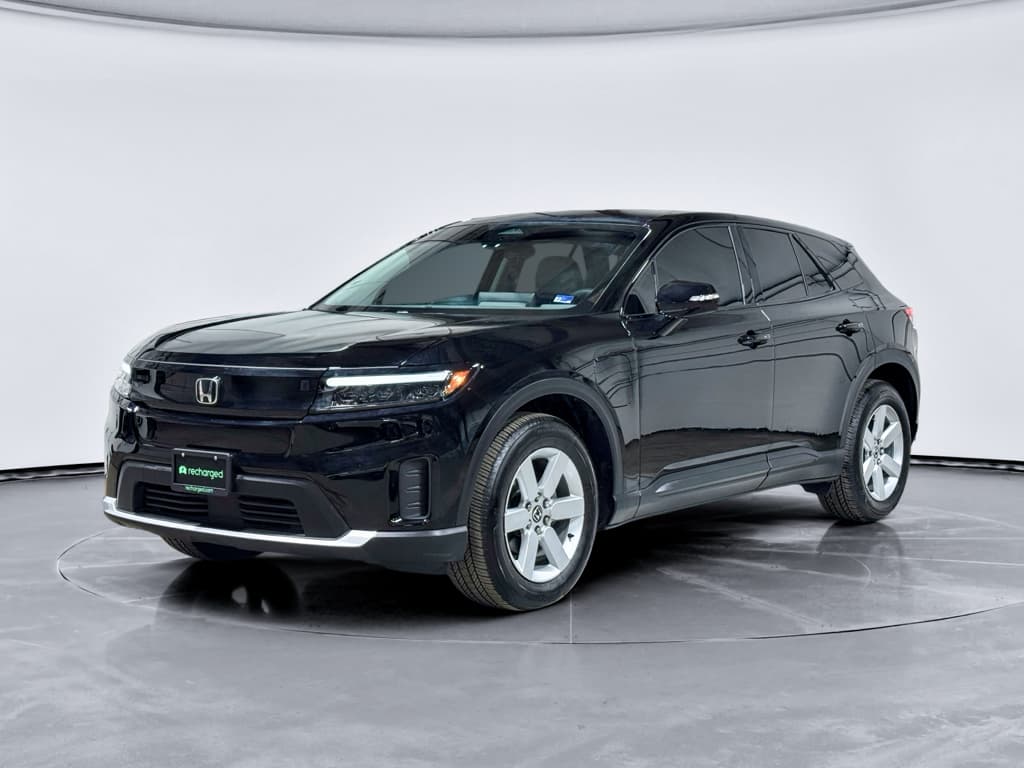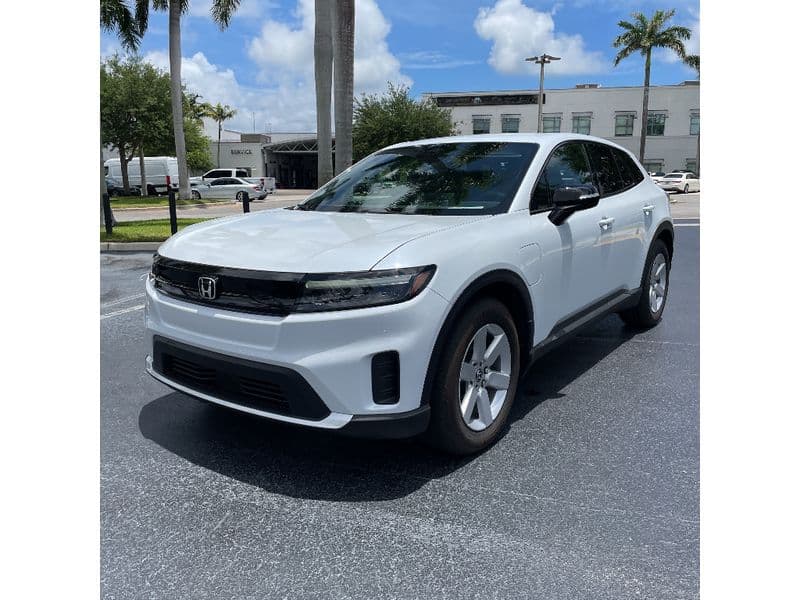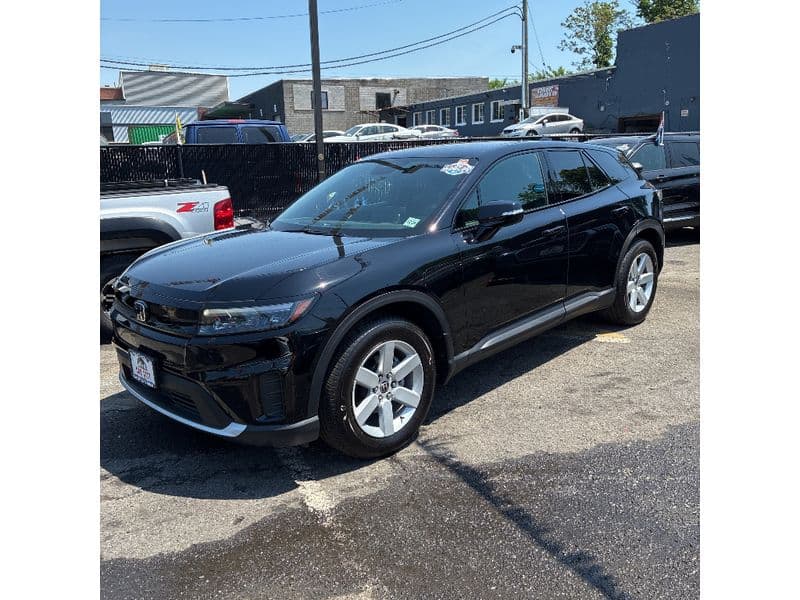
If you’re wondering how to sell a Honda Prologue in 2026, you’re not alone. Early Prologue buyers are now running into the reality of EV depreciation, changing incentives, and a fast‑moving market. The good news: with a little strategy, you can avoid leaving thousands on the table and pick the selling path that actually fits your situation.
Quick context: the Prologue is an EV price rollercoaster
Why selling a Honda Prologue is different from other SUVs
1. EV depreciation behaves differently
Early EVs, including the Honda Prologue, tend to lose value quickly in the first few years as technology and incentives change. Pricing guides already show steep drops from original MSRPs in the high‑$40,000s to low‑$20,000s for early 2024 examples with typical miles. That doesn’t mean your Prologue is “bad” – it just means buyers know they have leverage.
2. Incentives and price cuts ripple into used values
Many 2024–2025 Prologues benefited from federal tax credits and aggressive discounts. More recently, Honda has cut MSRP on new Prologues while reworking incentives. All of that gets baked into how shoppers compare your used Prologue to a new one – and it’s a big part of what you have to account for when deciding where and how to sell.
Reality check on expectations
Step 1: Know what your Honda Prologue is worth
Honda Prologue value snapshot in early 2026 (typical examples)
Before you advertise or talk to a dealer, you need a realistic value range. That means looking at the market from multiple angles, not just one website.
- Check retail pricing guides for your exact year, trim, and mileage (EX, Touring, Elite; FWD vs AWD). Use at least two sources so you aren’t anchored on a single number.
- Request instant cash offers from a few national buyers or local dealers. Even if you don’t plan to accept, these set your “floor” price.
- Search local listings for similar Honda Prologues (same model year, trim, and mileage) to see what real sellers are asking, and how long those listings sit.
- If you still owe on a loan or lease, compare your payoff to realistic sale value. That tells you if you have equity, are roughly even, or will need to bring cash to close a deal.
Use a Prologue‑specific benchmark
Step 2: Decide how you want to sell your Honda Prologue
Three main ways to sell a Honda Prologue
Each comes with a trade‑off between price, time, and hassle.
1. Trade‑in to a dealer
Best for: Speed and convenience when you’re buying another car.
- Fastest path – often done in a single visit.
- Lower offers because the dealer needs margin to resell your EV.
- May help you save on sales tax when you’re buying another vehicle, depending on your state.
2. Instant cash offer / online buyers
Best for: Quick exit when you don’t want to sell privately.
- Simple process and predictable offers.
- Usually a bit higher than a hard‑nose trade‑in, but still below top dollar.
- Terms for EVs can be stricter on battery condition and title status.
3. Private sale or EV marketplace
Best for: Maximizing sale price if you can invest more time.
- Highest potential price, especially on well‑optioned trims.
- Requires handling inquiries, test drives, and paperwork.
- Marketplaces like Recharged can take on most of that work while still targeting retail‑level prices.
Where Recharged fits in
Ready to find your next EV?
Browse VehiclesStep 3: Prepare your Honda Prologue for sale
Pre‑sale prep checklist for a Honda Prologue
1. Get your software fully up to date
Make sure your Prologue is on the latest software so the infotainment, driver‑assist features, and range estimates feel modern and glitch‑free during test drives. Buyers notice laggy screens and error messages immediately.
2. Charge the battery and show realistic range
Aim to have the battery around 60–80% for showings so the cluster displays a healthy range estimate. Extremely low state of charge or a 100% sitting at home can both spook buyers who are new to EVs.
3. Clean the cabin and charge ports
Deep clean the interior, wipe down glossy screens, and vacuum the cargo area. Don’t forget to clean inside the charge port door and around the door seals where EV‑specific grime builds up.
4. Gather EV‑specific accessories
Locate both key fobs, the portable charge cord (if included), any adapters, floor mats, and roof crossbars. A “complete kit” Prologue is easier to sell and can justify a stronger price.
5. Pull service and battery health records
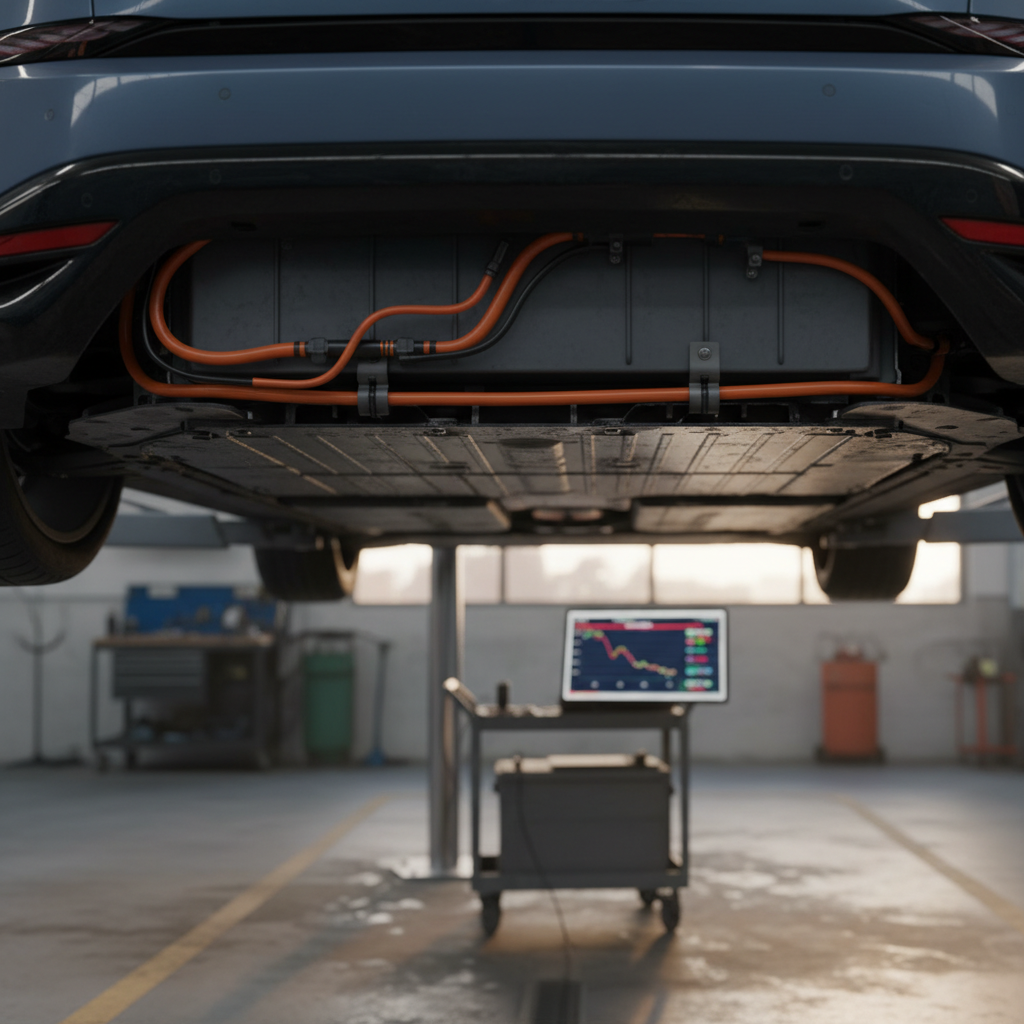
Print or save receipts for scheduled maintenance, tire rotations, and any warranty work. If you can document battery health, either from dealer diagnostics or a third‑party test, it will set your Prologue apart from anonymous listings.
6. Fix small issues that raise red flags
Address warning lights, cracked glass, curb‑rashed wheels, and worn tires if the cost is reasonable. EV buyers are especially sensitive to signs of neglect because they worry issues might extend to the battery and high‑voltage system.
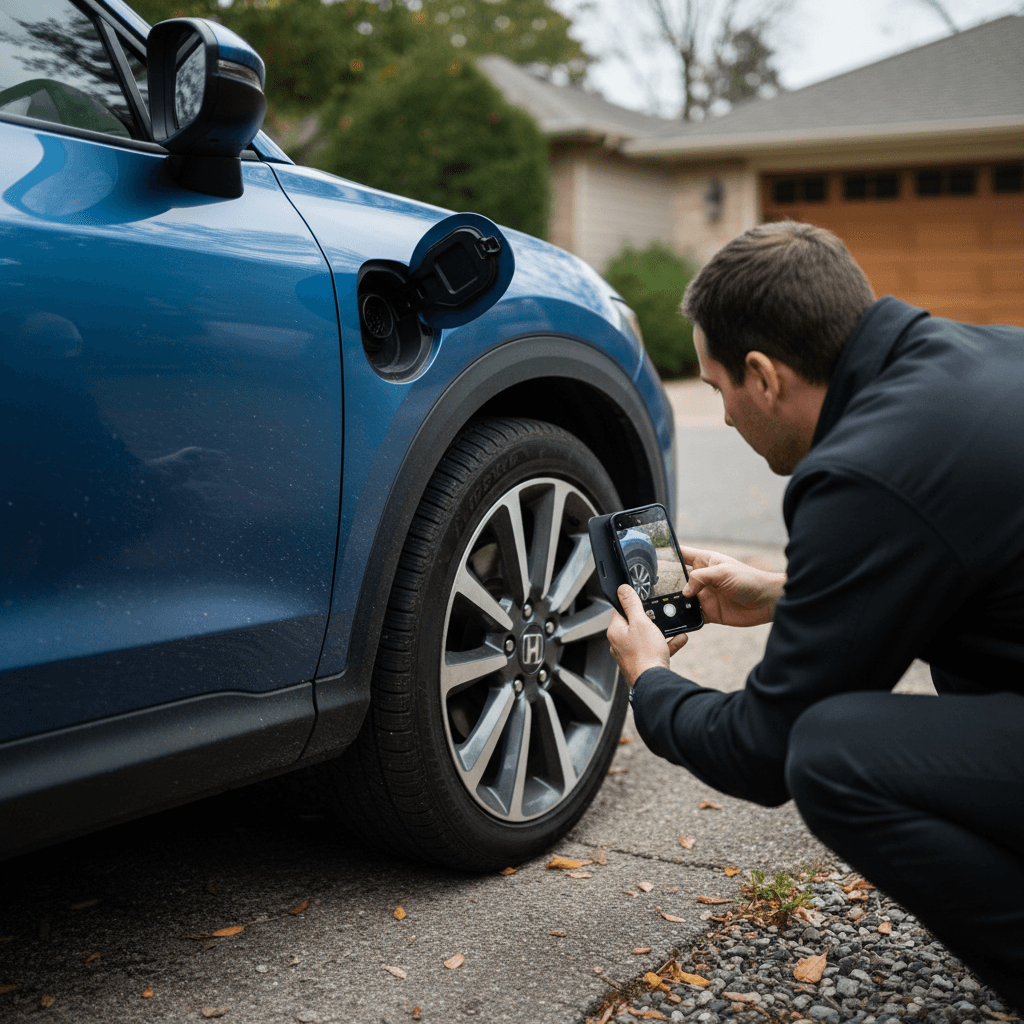
Step 4: Build your listing and take EV‑specific photos
EV shoppers care about some details that simply don’t come up when selling a gas SUV. Your listing should answer those questions up front so serious buyers feel confident reaching out.
- Include your exact trim, drivetrain, and major options (EX, Touring, Elite; FWD vs AWD; packages).
- Note your home charging setup and usage – for example, “Level 2 charging in a garage since new” signals less DC fast‑charging stress on the battery.
- Call out typical range and driving profile in real‑world terms (commuting, mostly highway, cold‑weather use).
- Mention any warranty coverage remaining (bumper‑to‑bumper and battery) with months and miles if you have them.
- Highlight software features that matter to everyday use: Google built‑in, driver assistance, route planning, wireless CarPlay/Android Auto, etc.
Don’t skip these three key photos
Step 5: Handle test drives and buyer questions
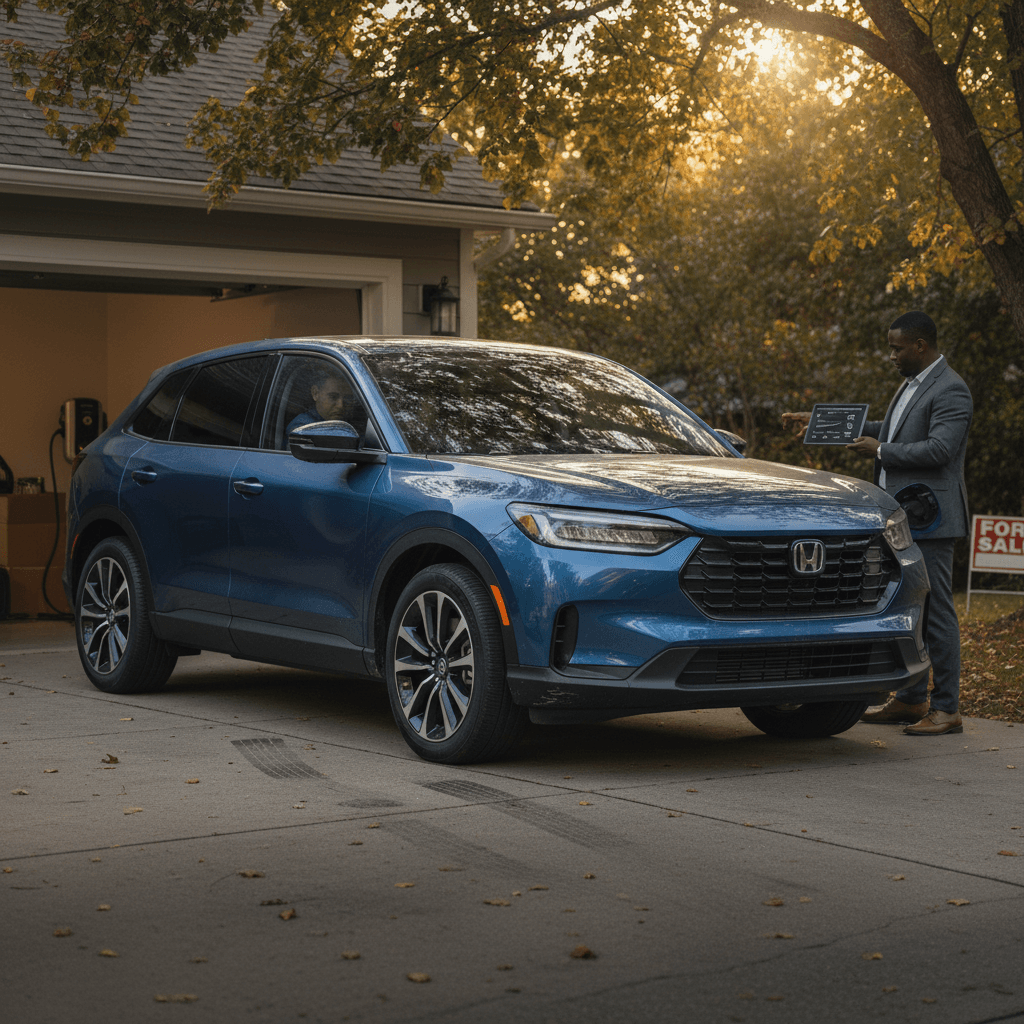
If you sell privately, expect more education and hand‑holding than you would with a gas SUV. Some buyers will be cross‑shopping their first EV and need a quick crash course on how living with a Prologue actually works.
Common buyer questions about a used Honda Prologue
Being ready with clear, confident answers can speed up the sale.
“What real range do you get?”
Share your honest experience rather than the window‑sticker number. For example, “I typically see around 250 miles in mixed driving in mild weather; about 210–220 on the highway in winter.” Buyers value transparency and are more likely to trust your listing.
“Where and how do you charge?”
Explain your routine: home Level 2 charging, public fast charging on trips, etc. If you have a home charger that you’re willing to sell or leave with the house, that’s a selling point, especially for first‑time EV owners.
“Is the battery still under warranty?”
Honda’s high‑voltage battery warranty is measured in years and miles from the in‑service date. Bring documentation or a screenshot from your owner portal showing when coverage started so buyers don’t have to guess.
“Has it had any issues?”
Be candid about any software glitches, recalls, or repairs you’ve had and how they were resolved. With EVs, a paper trail of fixes under warranty is often more reassuring than a spotless but undocumented history.
Safety first on private test drives
Step 6: Close the deal, paperwork and payment
Closing is where many private sellers get nervous, and where dealers earn their margin. For a Prologue, the basic steps are the same as any car sale, but with a few EV wrinkles to keep in mind.
Closing steps when selling your Honda Prologue
Use this checklist whether you’re selling privately or to a business buyer.
| Step | What to do | EV‑specific notes |
|---|---|---|
| Verify payoff | Call your lender the same day to confirm the exact payoff amount and instructions. | Ask how long they’ll take to release the title so you can set correct expectations with the buyer. |
| Choose payment method | For private sales, favor cashier’s checks drawn at the buyer’s bank branch while you’re present, or use an escrow service. | Avoid wire transfers to new accounts or any request to “overpay and refund” differences, both are red flags. |
| Complete bill of sale & title | Fill out a bill of sale with VIN, mileage, price, and date; sign the title correctly per your state’s instructions. | Double‑check odometer disclosure rules and whether your state requires a separate EV or battery affidavit. |
| Cancel and transfer services | Remove the Prologue from your insurance and Honda/Google accounts after the sale. | Unlink the car from mobile apps and clear personal data from the infotainment system before you hand over keys. |
Exact forms and rules vary by state, always confirm with your local DMV.
How Recharged simplifies closing
Trade‑in vs cash offer vs marketplace for your Prologue
When a trade‑in makes sense
If you’re already buying another vehicle, EV or otherwise, a trade‑in is often the least painful option. You’ll usually get the lowest raw price for your Prologue, but in many states you only pay sales tax on the difference between the new car price and trade‑in value. On a high‑MSRP EV, that tax advantage can narrow the gap versus selling privately.
When to consider a marketplace like Recharged
If your Prologue is well‑equipped, low‑mileage, or still under strong battery warranty, you’re leaving money on the table by accepting the first wholesale offer. A marketplace or consignment sale through Recharged markets your SUV to EV‑savvy buyers nationwide, while our team manages pricing, reconditioning, battery diagnostics, and even delivery logistics out of our Richmond, VA Experience Center.
Think in terms of net, not just headline price
How tax credits and incentives affect your Prologue’s resale price
One of the most confusing parts of selling a modern EV is understanding how past tax credits and current incentives show up in resale pricing. With the Prologue, you’re dealing with at least three moving pieces.
- Original purchase incentives: If you leased or bought your Prologue when $7,500+ worth of federal incentives and rebates were on the table, those didn’t disappear, they were effectively baked into the price floor for used examples the moment you drove off the lot.
- Subsequent discounts and price cuts: Honda’s more recent decision to cut Prologue MSRPs on 2025 and 2026 models directly compresses what buyers will pay for a used one, because they’re comparing your asking price to brand‑new inventory that’s suddenly cheaper.
- Changing eligibility for future buyers: If today’s buyers can’t claim a new‑vehicle tax credit on a Prologue, strong used pricing can be easier to defend. If they can, they’ll mentally subtract that credit from the price of a new Prologue and use that as an anchor when they look at your used one.
Don’t price off what you paid
Common mistakes when selling a Honda Prologue
Avoid these costly Prologue‑specific mistakes
Ignoring battery health documentation
With any used EV, the battery is the story. If you don’t provide service records or diagnostics, buyers will assume the worst and discount their offers. A Recharged Score battery report or dealer printout can easily pay for itself.
Listing with a nearly dead battery
Showing a Prologue at 5% state of charge is like highlighting an empty gas tank in photos. It suggests poor care and makes test drives stressful. Keep it in the 60–80% range for showings.
Overpricing based on non‑EV comps
Looking at compact gas SUVs with softer depreciation will give you unrealistic expectations. Prologue values are driven by the EV market, not CR‑V or RAV4 pricing, so make sure your comps are other electric crossovers.
Hiding or minimizing software quirks
Glitchy driver‑assist, freezing screens, or unfinished recalls are part of the EV landscape, but only if they’re addressed. Being up front about what’s been fixed, and what’s scheduled, builds trust instead of killing a deal at the last minute.
Trying to sell with open recalls or missing updates
Unresolved recalls, especially high‑voltage or braking‑related, are an instant red flag. Get them handled at a Honda dealer before you list. It costs you time, but not money, and removes an easy objection for buyers.
Watch for EV‑specific scams
FAQ: How to sell a Honda Prologue
Frequently asked questions about selling a Honda Prologue
Selling a Honda Prologue in 2026 means navigating more moving parts than a typical gas SUV sale: fast‑changing incentives, sharp early‑life depreciation, and buyers who are still learning how to evaluate EVs. If you understand where your Prologue fits in today’s market, document its battery health, and choose the right sales channel for your priorities, you can turn a confusing landscape into an advantage rather than a headache. And if you’d rather not go it alone, Recharged is built to make that process transparent, from instant offers to expert‑guided consignment sales backed by a Recharged Score battery report and nationwide EV‑savvy buyers.