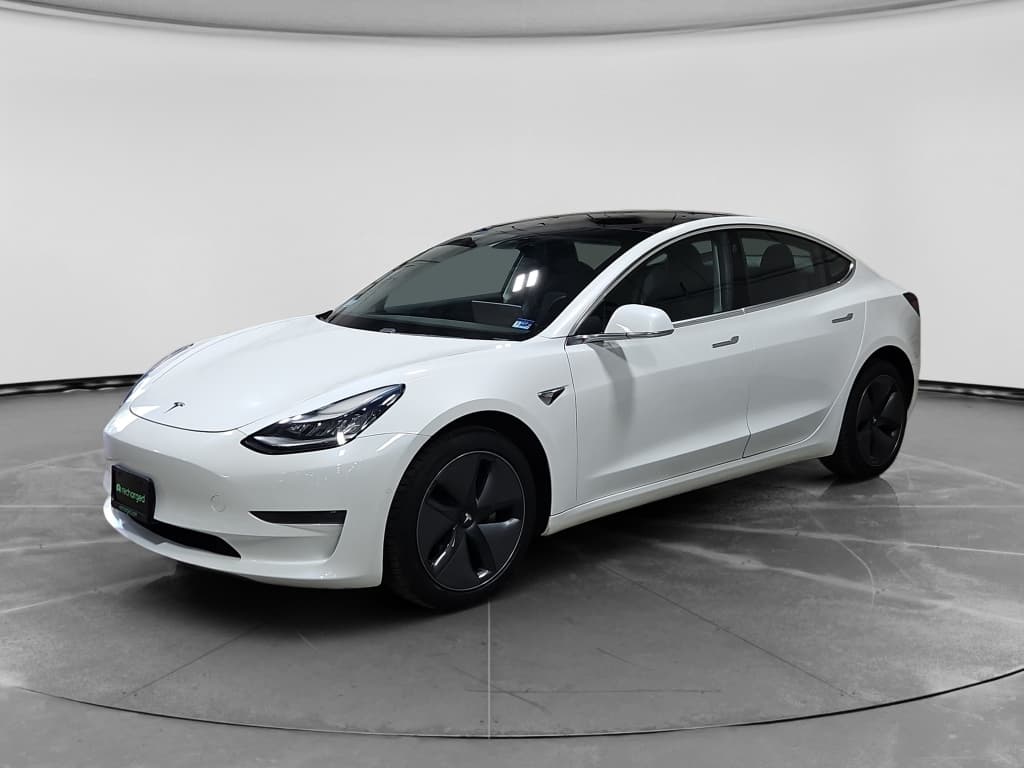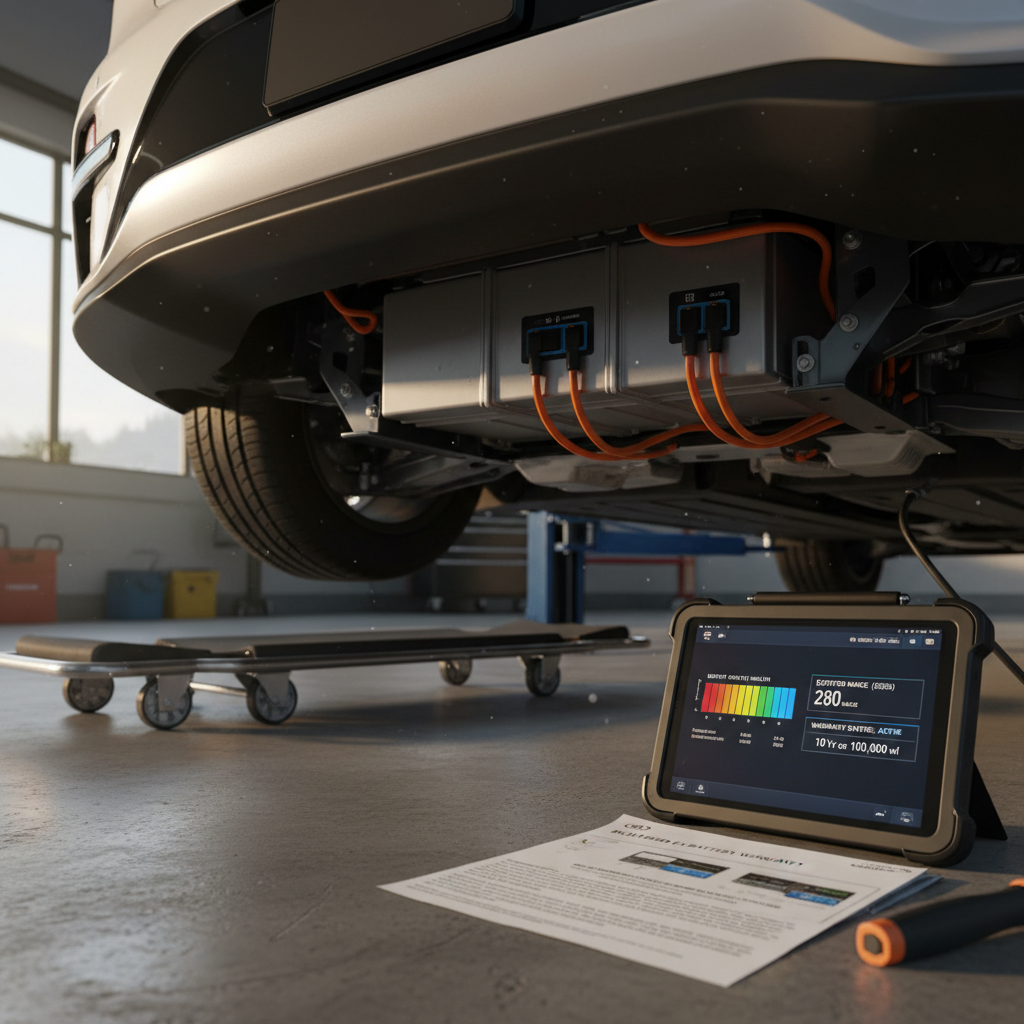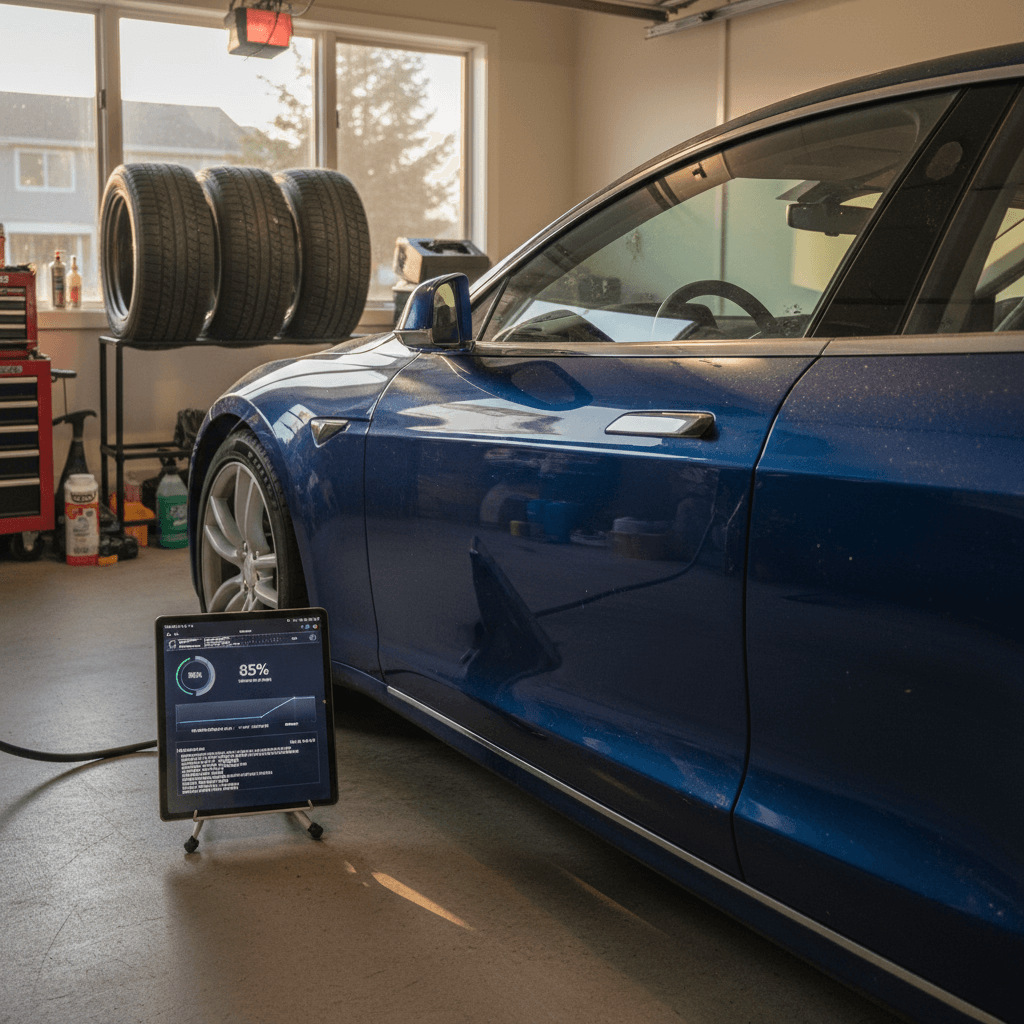
If you’re considering a **Tesla Model S**, especially a used one, you’re probably wondering what life looks like after the honeymoon phase. This 1‑year Tesla Model S owner review walks through real‑world range, charging habits, reliability, running costs, and resale value so you can decide if a Model S fits your daily life and budget.
Who this 1‑year review is for
One year with a Tesla Model S: what to expect
Main upsides after a year
- Effortless performance: Even older dual‑motor cars feel faster than most new luxury sedans.
- Low day‑to‑day costs: Electricity is usually cheaper than gas, and there are no oil changes.
- Excellent long‑distance range: Recent Model S variants can still deliver 300+ miles per charge if driven reasonably.
- Over‑the‑air updates: Software keeps improving features like navigation, charging curves, and driver aids.
Main downsides after a year
- Fit‑and‑finish nitpicks: Wind noise, trim creaks, and minor rattles are common complaints in owner surveys.
- Service can be hit‑or‑miss: Mobile service is convenient, but appointments at busy centers can take time.
- Out‑of‑warranty risk on older cars: Components like air suspension, control arms, and MCU screens can be expensive if they fail.
- Rapid tech change: Newer software and hardware can make older cars feel dated faster than a typical luxury sedan.
Tesla Model S 1‑Year Ownership Snapshot
How this 1‑year Model S review is structured
Every Model S story is a little different. A 2024 Long Range driven 15,000 miles in its first year won’t have the same experience as a 2015 P85D that just changed hands. To keep this useful, we’ll focus on **patterns** owners report in the first 12 months, split into a few key areas: range and battery health, charging experience, comfort and tech, reliability, costs, and resale value.
- Recent Model S (roughly 2021–present): updated interior, new battery packs, and the latest Autopilot hardware.
- Middle‑aged cars (2016–2020): still quick and capable, but out of or nearing the end of basic warranty.
- Early cars (2012–2015): the value leaders, but they carry the most risk for issues like early MCU failures, worn suspension, and older battery chemistry.
Buying used? Start with the battery and warranty
Range and battery health after 12 months
The number‑one fear around older EVs is battery loss. In real‑world use, the **first year of owning a Model S is usually uneventful for battery health**, especially if you’re not constantly road‑tripping and fast‑charging to 100%.
Realistic range expectations after 1 year
What most Model S owners actually see day to day
Daily driving
Most owners charge to 70–90% for daily use. Expect to see 220–320 miles of displayed range depending on battery size and wheel choice.
Highway trips
At 70–80 mph, real‑world range is closer to 65–75% of the EPA rating, especially in cold weather or strong headwinds.
Weather impact
Cold climates can temporarily shave 15–30% off winter range due to cabin heating and battery conditioning, particularly on short trips.
What about degradation in year one?
The bigger range story in year one is often **learning to trust the car’s estimates**. After a few months, most owners move from thinking in battery percentage to thinking in trips: “Can I do my commute, errands, and still have enough to get home?” For a Model S, the answer is usually yes with plenty of margin.
Charging experience: home vs public
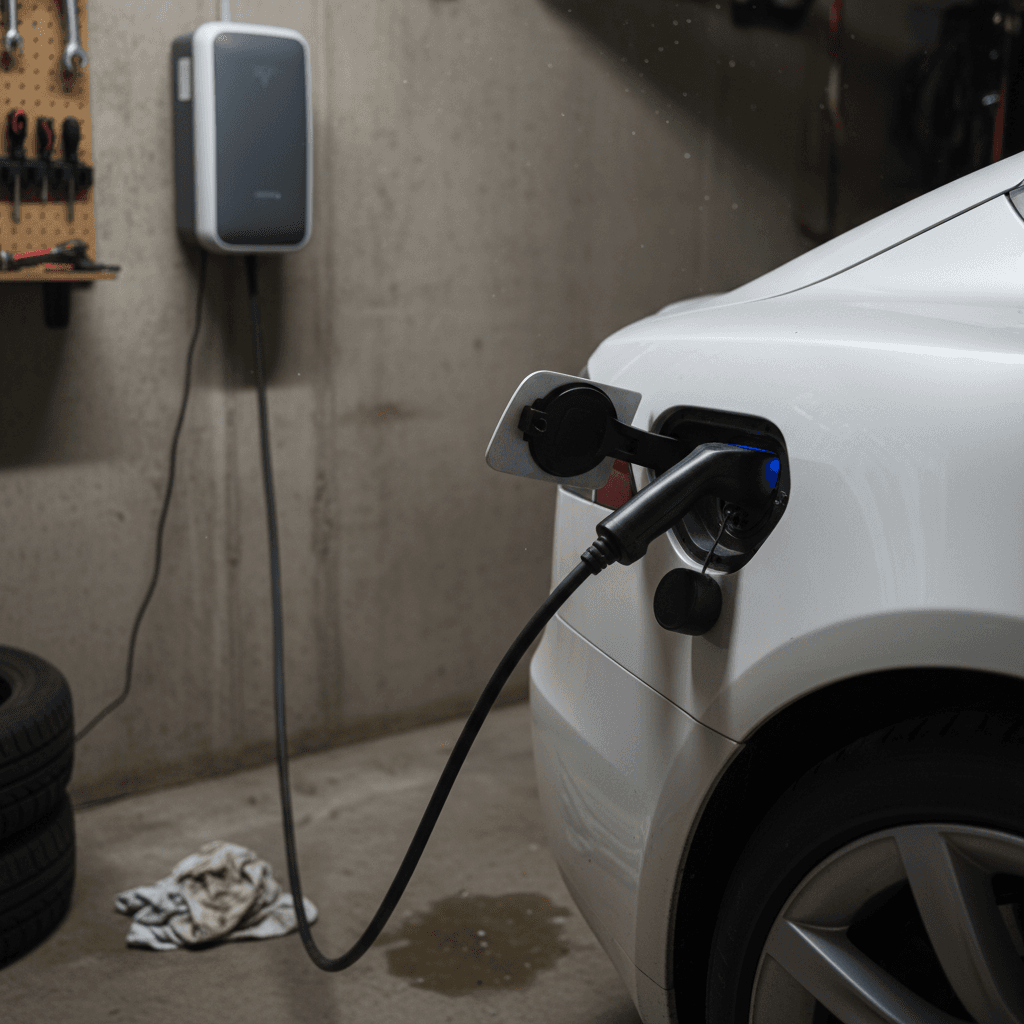
After 12 months, most Model S drivers discover that **where you charge matters more than how fast the car is**. A 250 kW Supercharger is great on road trips, but day‑to‑day happiness comes from having a reliable home or workplace setup.
Home charging (the ideal)
- Install a 240V Level 2 circuit if you can. A 32–48A wall connector typically adds 25–35 miles of range per hour.
- Most owners plug in at night and wake up to a full battery, rarely visiting public chargers unless they travel.
- You can schedule charging to match off‑peak utility rates, which keeps electricity costs low.
Public charging (when you need it)
- Superchargers remain the Model S’s superpower for long trips, offering reliable, fast DC charging along major routes.
- Urban owners without home parking may rely more on public Level 2; this adds time and hassle compared to gas, but the car’s range helps reduce how often you plug in.
- Waiting for a stall or dealing with busy sites is the most common first‑year complaint for frequent public‑charger users.
If you can’t charge at home
Comfort, tech and driving experience
The Model S is still one of the quickest ways to cover ground, even a decade after it launched. After a year, most owners talk less about raw acceleration and more about how **quiet, smooth, and stress‑free** their commute has become.
What stands out after a year behind the wheel
Ride & comfort
Air‑suspension cars glide over most roads, though owners of older cars sometimes notice creaks and clunks from worn suspension components.
Interior & tech
The minimalist cabin and big screen feel futuristic at first and normal later. Over‑the‑air updates keep the car feeling fresh, especially on newer models.
Assistance features
Autopilot and adaptive cruise reduce fatigue on long drives, but you’ll still need to stay fully engaged. Calibration and lane‑keeping behavior improve over time with updates.
Try the exact spec you plan to buy
Reliability and common issues in year one
How trouble‑free your first year is depends heavily on **model year and mileage**, plus whether the car is still covered by Tesla’s basic 4‑year/50,000‑mile warranty. Newer cars tend to be more reliable than early builds, but even fresh‑off‑the‑lot Model S sedans can have squeaks, rattles, or software gremlins.
Typical first‑year issues by Model S age
Not every car will have these problems, but they’re the patterns most often reported.
| Vehicle age at purchase | Likely status | Common first‑year complaints | Big‑ticket risks to watch |
|---|---|---|---|
| 0–3 years old | Mostly under full warranty | Minor trim issues, wind noise, infotainment bugs | Rare; occasionally suspension or electronics but usually covered |
| 4–7 years old | Out of basic, battery still under warranty | Wear items (tires, brakes, alignment), door seals, some suspension noise | Air‑suspension components, control arms, MCU glitches |
| 8+ years old | Battery warranty near end or expired | Creaks, water leaks, cosmetic aging, intermittent sensors | Battery or drive unit out of warranty, older MCU, repeated suspension/door handle repairs on very early cars |
Use this as a risk map, not a guarantee, when you’re evaluating a specific car.
Early Model S trouble spots
The good news: electric powertrains themselves have proven robust. Multi‑year owner stories of early Model S vehicles passing 100,000 miles with the original battery and motors are common. When failures happen, it’s more often **supporting hardware, electronics, or suspension** that generate repair bills in that first year of your ownership.
Ownership costs in the first year
When you move from a gas luxury sedan into a Model S, the first thing you notice is how much you stop visiting gas stations. The second thing you notice, especially on an older, out‑of‑warranty car, is that when something does break, it can be expensive.
Typical Tesla Model S 1‑year cost picture
Ballpark numbers for a recent, well‑kept car driven ~12,000 miles
Electricity vs gas
At average U.S. residential rates, many owners spend $40–$70 per month on home charging, often less than half what they paid for gas in a similar‑size luxury sedan.
Maintenance & wear
Expect at least one tire rotation and a basic service visit. With no oil changes, first‑year maintenance often lands in the $300–$700 range unless you need tires.
Unexpected repairs
If your car is still under the basic warranty, most surprises are covered. On older cars, a single suspension or MCU repair can easily reach $1,000–$2,000+ if you’re unlucky.
How Recharged helps you avoid surprises
Ready to find your next EV?
Browse VehiclesHow the Tesla Model S holds its value
EV prices swung wildly from 2022 to 2024 as new‑car prices dropped and interest rates climbed. The Model S wasn’t immune, but it still tends to hold value better than many luxury sedans because of its performance, range, and brand recognition.
What helps resale value
- Long range variants: Cars with larger packs and dual motors stay desirable longer.
- Clean history: No accidents, no salvage title, and documented service history.
- Remaining battery warranty: Buyers pay more for cars with at least a couple of years left on the 8‑year battery/drive‑unit coverage.
- Current software: Up‑to‑date firmware, active connectivity, and working driver‑assist features.
What hurts resale value
- Salvage or rebuilt titles: These can slash resale value and may void Tesla warranties.
- Heavy cosmetic wear: Curb‑rashed wheels, tired interiors, and mismatched paint turn buyers away.
- Obvious suspension/noise issues: Creaks and clunks during a test drive are a red flag for many shoppers.
- Out‑of‑warranty early cars: 2012–2015 examples with high miles are cheap to buy but can be hard to sell later.
Who a used Tesla Model S fits best
After a year, owners who are happiest with their Model S tend to have similar profiles. They drive enough to enjoy the performance and low running costs, but not so much that they burn through warranties or tires every few months.
You’re a great fit for a used Model S if…
You can charge at home
Overnight Level 2 charging turns the Model S into an easy‑living daily driver and makes road trips less stressful.
You commute or travel regularly
Drivers logging 8,000–15,000 miles per year see the biggest fuel‑savings payoff compared with a gas luxury sedan.
You budget for repairs
You’re comfortable setting aside a maintenance fund in case an aging air‑suspension part, MCU screen, or sensor needs attention.
When a Model S may not be right
Pre‑purchase checklist for used Model S buyers
A thoughtful inspection up front can make your first 12 months with a Model S smooth and predictable instead of stressful. Use this checklist before you sign anything, whether you’re buying privately, from a traditional dealer, or through a specialist marketplace like Recharged.
12 essential checks before you buy a used Model S
1. Confirm battery and drive‑unit warranty dates
Look up the original in‑service date and mileage. The Model S battery and drive unit are covered for 8 years/150,000 miles with at least 70% capacity retention, so you’ll know exactly how much coverage is left.
2. Review the battery health and range
Check the car’s rated range at 100% charge and compare it to the original EPA rating. A modest reduction is normal; a large unexplained drop deserves more investigation or a professional diagnostic like the Recharged Score battery test.
3. Test all doors and handles
Make sure every handle consistently presents and retracts, especially on early cars. Sticky or intermittent handles on older Model S sedans are a known repair item.
4. Inspect suspension and listen for noises
On a test drive over rough pavement, listen for clunks, pops, or excessive creaking. Those sounds can indicate worn control arms, bushings, or air‑suspension components.
5. Check the MCU and screen responsiveness
Confirm the touchscreen boots quickly, doesn’t freeze, and has no large yellowing or bubbles. Early MCU units can fail and are expensive to replace out of warranty.
6. Scan for warning lights and error messages
Before and after your test drive, look for persistent alerts related to the battery, drive unit, airbags, or driver‑assist systems.
7. Verify charging behavior
Plug the car into Level 2 and, if possible, a DC fast charger to ensure it charges at expected speeds with no errors or unusual noises from the charge port or cooling system.
8. Review service history and recalls
Ask for service records showing previous repairs, especially on door handles, suspension, and electronics. Confirm that all open recalls have been addressed.
9. Examine tires and wheels
Uneven tire wear or persistent pull on the highway can indicate alignment or suspension issues. Factor a fresh set of quality tires into your budget if they’re near the wear bars.
10. Check for water leaks and interior wear
Inspect door seals, trunk, and frunk for moisture. Look at the driver’s seat bolsters, steering wheel, and center console for excessive age relative to the mileage.
11. Confirm connectivity and software status
Make sure navigation, cellular connectivity, and all driver‑assist features you care about are present and functional. Features can vary a lot by year and configuration.
12. Get an independent EV inspection
If you’re not buying through a platform that already provides deep diagnostics, consider a third‑party EV specialist or a marketplace like Recharged that supplies a full condition report and verified battery health.
Frequently asked questions about 1‑year Model S ownership
Tesla Model S 1‑year ownership FAQ
Bottom line: is a Tesla Model S still worth it?
After the first year, most Tesla Model S owners aren’t talking about specs, they’re talking about how **easy the car makes their daily lives**. The blend of range, performance, and tech is still hard to match, especially if you can charge at home and you’re realistic about the occasional quirk or repair that comes with any aging luxury car.
If you prioritize quiet speed, long‑distance comfort, and low fuel bills, a well‑vetted used Model S can be an excellent choice. Focus on the **right car, with a strong battery and clear history**, and your first year should feel more like a step into the future than a science experiment. And if you’d like expert help sorting the gems from the question marks, Recharged is built to make that process simple, transparent, and EV‑smart from the very first test drive to delivery.