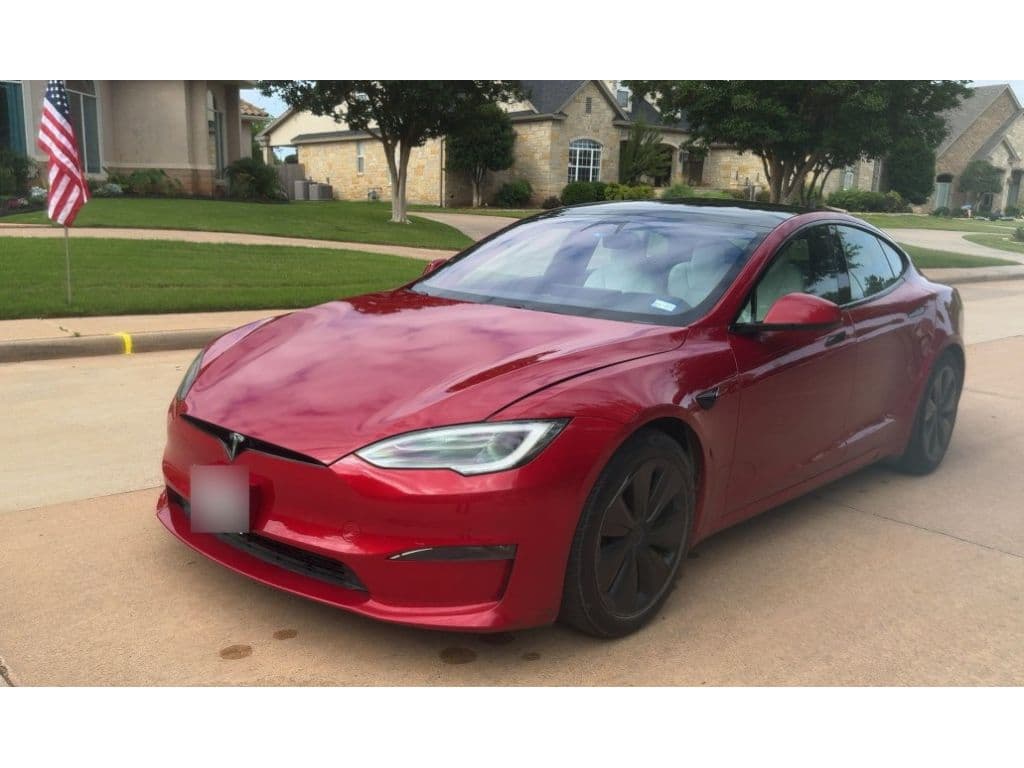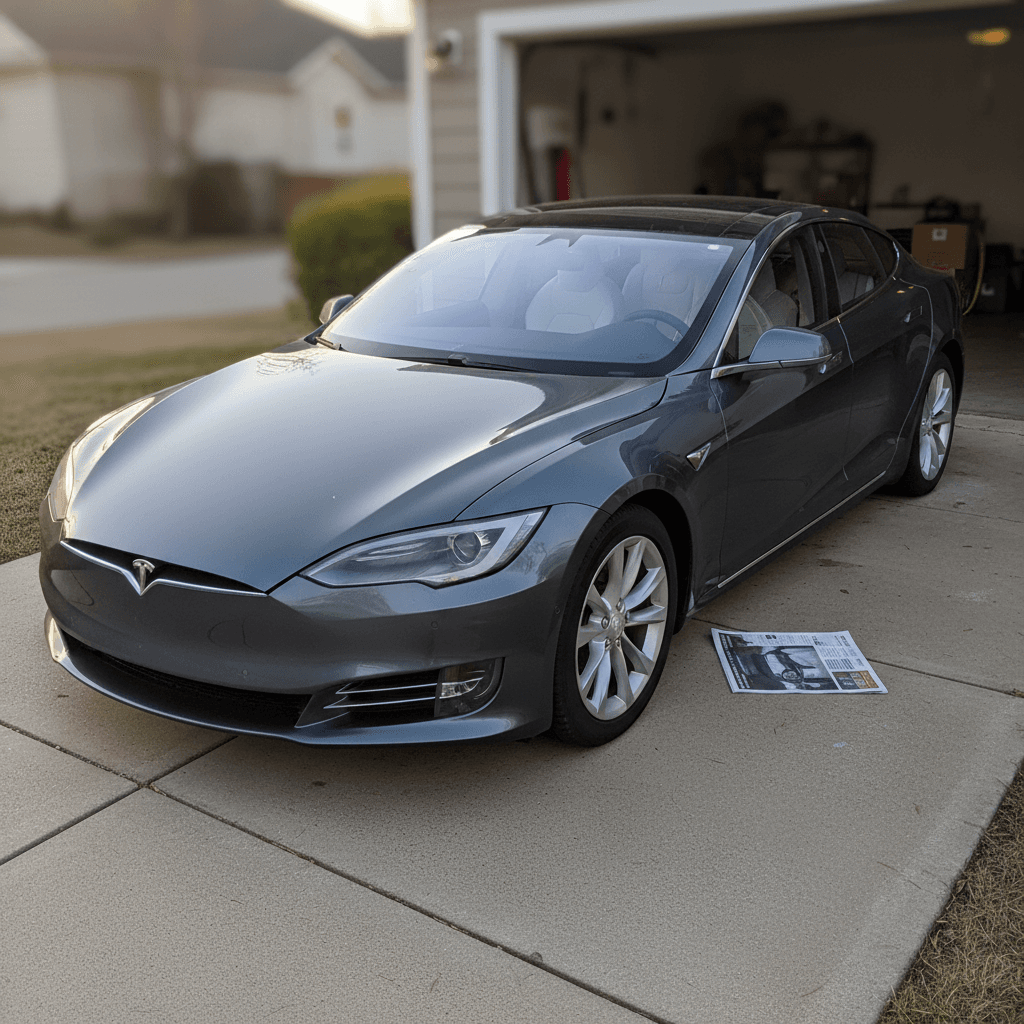
If you’re searching for a “Tesla Model S cheap”, you’re not alone. The good news: used Tesla prices have dropped sharply over the last year, and in many markets a Model S now costs less than an average used car. The bad news: not every cheap Model S is a good deal. In this guide, we’ll walk through what “cheap” really means in 2025, how low prices can safely go, and how to shop a used Model S without stepping on a financial landmine.
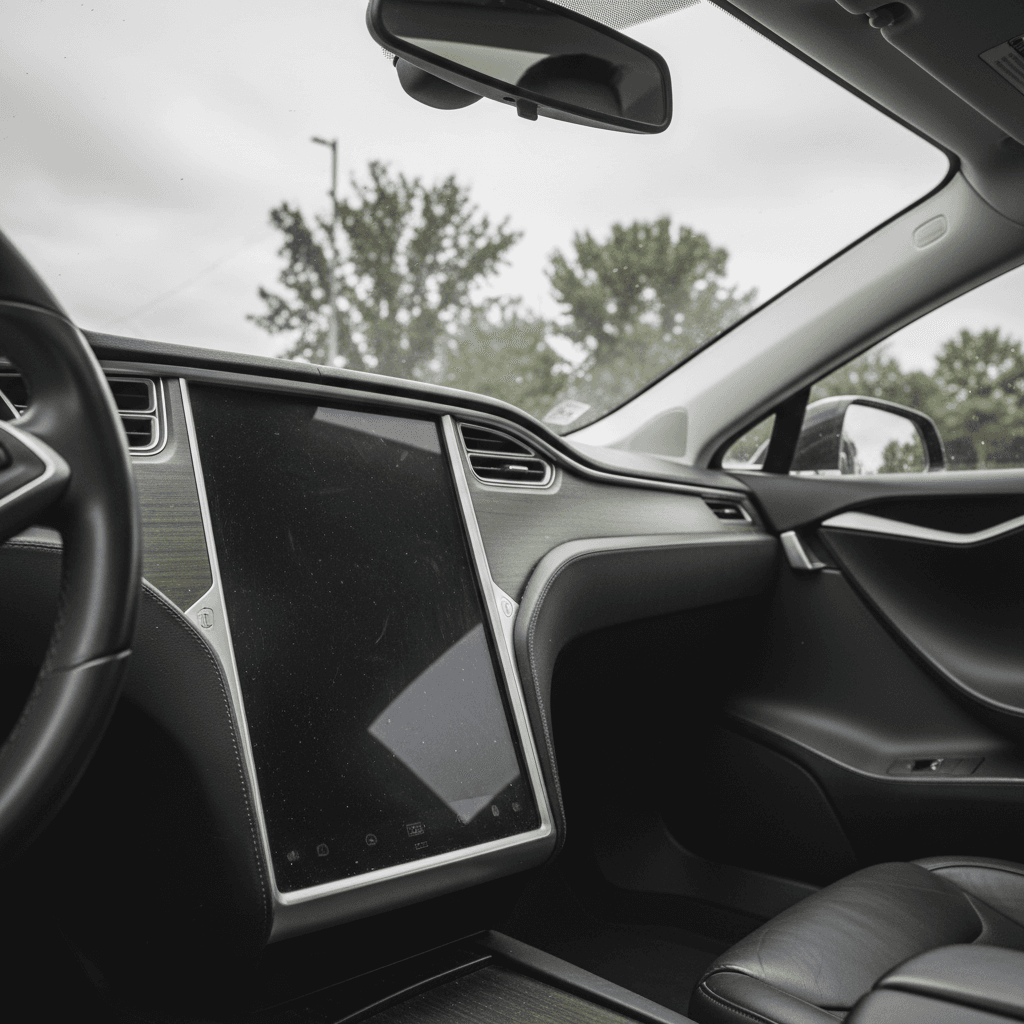
Why Model S Is Suddenly “Affordable”
Is a Cheap Tesla Model S Realistic in 2025?
Yes, a relatively cheap Tesla Model S is realistic today – especially compared with new pricing that starts around $80,000+ for a 2025 Model S. In the used market, average asking prices have fallen into the $20,000s and $30,000s depending on age and miles, and high-mileage cars can dip even lower. The key is understanding why values have fallen so fast and what that means for you as a buyer.
Used Tesla Model S Price Snapshot
“Too Cheap” Can Be a Red Flag
How Much Does a Tesla Model S Cost Used Today?
Because the Model S has been on the market since 2012, used prices span a wide range. To talk about a cheap Tesla Model S, you first need a realistic frame of reference. Below is a simplified look at what shoppers commonly see in the U.S. as of late 2025.
Typical Used Tesla Model S Asking Prices (Late 2025)
Ballpark ranges you’ll often see from dealers and marketplaces. Actual prices vary by condition, options, and local demand.
| Model Year Range | Odometer Range | Typical Asking Range | What Most Buyers Call “Cheap” |
|---|---|---|---|
| 2012–2014 | 120k–200k+ miles | $13,000–$22,000 | Under $18,000 |
| 2015–2016 | 90k–170k miles | $17,000–$26,000 | Under $20,000 |
| 2017–2018 (incl. 75D/90D/100D) | 60k–140k miles | $22,000–$33,000 | Under $25,000 |
| 2019–2020 Raven | 40k–100k miles | $30,000–$45,000 | Under $35,000 |
| 2021–2022 Refresh | 30k–80k miles | $40,000–$60,000 | Under $45,000 |
| 2023–2024 | Low to moderate miles | $45,000–$65,000+ | Under $50,000 |
Use these ranges as context – not as guaranteed pricing.
How Recharged Fits In
What “Cheap” Really Means by Year and Trim
Price alone doesn’t tell you if a Model S is actually a good value. Two cars listed at $22,000 can be completely different propositions. One might be an early P85 with 180,000 miles and a tired battery; the other could be a later 75D with a healthier pack but a cosmetic blemish. Instead of chasing the lowest number, learn which versions of the Model S tend to be the best value per dollar.
Better “Cheap” Bets by Model S Generation
Where value and long-term livability balance out for budget-focused shoppers.
Early 85/85D (2013–2015)
Why they’re cheap: Age and mileage. Many are on their second or third owner.
- Often under $20K
- Some still have usable range
- Older tech, more wear items
75D / 90D (2016–2017)
Sweet spot: Still modern enough, but heavily depreciated.
- Often low-to-mid $20Ks
- Decent real-world range
- AP1/AP2 driver assist on many cars
Raven & Refresh Cars (2019+)
Not “cheap” yet: But strong value vs. new.
- Commonly $30K–$50K
- Improved efficiency and ride
- Best if you want to keep the car long-term
Performance & Plaid Models
If you see a performance Model S "cheap" compared with others, look closer. These cars are often driven harder, can eat through tires and brakes more quickly, and may have seen more aggressive fast charging.
Rule of thumb: Don’t stretch your budget for extra speed if it means skimping on inspection or battery health verification.
Standard Dual-Motor Models
Non-performance dual‑motor cars (85D, 90D, 100D, Long Range) are typically the smart buys. They’re still very quick, usually have better range, and wear-and-tear is often gentler.
For most buyers hunting a cheap Model S, these trims give you the best balance of performance, comfort, and long‑term cost.
Pros and Cons of Buying a Cheap Model S
Falling prices don’t automatically turn the Model S into a budget car. You’re still dealing with a high-performance, tech-heavy luxury EV. Understanding the trade-offs will help you decide if a cheap Tesla Model S fits your situation or if you’re better off with a different used EV.
Buying a Cheap Tesla Model S: Pros vs. Cons
Every bargain comes with trade-offs – the key is knowing them up front.
Upsides
- Luxury for less: Flagship Tesla feel and performance at compact‑car money.
- Strong range: Even older cars often beat many new non‑Tesla EVs on highway range.
- Charging access: Broad Supercharger network access, plus growing third‑party support.
- Tech & OTA updates: Big center screen, app integration, and some ongoing software support.
Downsides
- Out-of-warranty risk: Many cheap cars no longer have comprehensive factory coverage.
- Battery/drive unit costs: Repairs can be expensive if something major fails.
- Older hardware: Early Autopilot, MCU1 screens, and wear-prone suspensions.
- Insurance: Can still be higher than you’d expect for the purchase price.
How Recharged Reduces the Downsides
Ready to find your next EV?
Browse VehiclesBattery Health: The Make-or-Break Factor
With any used EV – and especially a cheap Tesla Model S – the battery is the main event. A well‑cared‑for pack can deliver usable range well past 150,000 miles. A neglected or heavily fast‑charged pack can turn a seemingly great deal into a daily‑use headache.
- Expect some degradation. It’s normal to see 5–15% capacity loss on older, higher‑mileage Model S cars.
- Range is more important than percentage. Focus on whether the car still comfortably covers your real daily driving and trip needs.
- Charging history matters. Hundreds of DC fast‑charge sessions, lots of frequent 0–100% cycles, or storing the car at 100% regularly can accelerate wear.
- Software clues help. A full‑charge estimate (at 100%) well below what other similar cars show can indicate heavier degradation.
Why a Battery Health Report Is Worth It
High-Mileage Model S: Bargain or Time Bomb?
If your goal is the absolute cheapest Tesla Model S, you’ll quickly find cars with 150,000–250,000 miles or more. These can be outstanding values for the right driver, but they’re not for everyone.
When a High-Mileage Model S Makes Sense
- You drive modest miles annually (say, 8,000–10,000).
- You have access to home charging, so range can be managed.
- You can handle occasional repairs without financial strain.
- You value low purchase price over having the latest tech.
In this scenario, a well‑documented 170,000‑mile Model S at a steep discount can make sense as a 3–5 year car.
When It’s Better to Walk Away
- There’s no clear service history or it has a salvage/rebuilt title.
- The seller can’t explain battery health or recent range behavior.
- Multiple warning lights are on, or the car shows limited‑performance mode.
- You’re stretching your budget so far that any major repair would be painful.
If you feel you’re gambling more than you’re buying, you probably are.
Don’t Ignore the “Salvage Tesla” Trap
Where to Find a Cheap Tesla Model S
You can find a cheap Model S in the same places you’d find any used car, but not all sources give you the same visibility into battery health, accident history, or pricing fairness. Here’s how the main options stack up.
Main Places to Shop for a Cheap Model S
Each channel has its strengths – and blind spots.
EV-Focused Marketplaces
Platforms like Recharged that specialize in EVs.
- Battery health reports and EV‑specific inspections
- Transparent pricing vs. the market
- Nationwide delivery and EV‑savvy support
General Online Marketplaces
Big national sites and classifieds.
- Massive selection
- Wide range of prices and conditions
- Buyer beware: quality and honesty vary widely
Private Sellers
Direct, owner‑to‑buyer deals.
- Often the lowest sticker price
- But no recourse if something goes wrong
- Inspection and due diligence are entirely on you
Why Channel Matters More With EVs
Financing a Cheap Model S Without Surprises
Even when you’re buying a "cheap" Model S, it’s still a major purchase. Older luxury EVs don’t always fit perfectly in traditional lenders’ boxes, so it pays to think a step ahead about financing and ownership costs.
Smart Financing Moves for a Cheap Model S
1. Match Loan Length to Vehicle Age
Avoid stretching a 6–7 year loan on a 7–10 year‑old Tesla. Aim to have the loan paid off before the car becomes truly end‑of‑life for your needs.
2. Budget Beyond the Payment
Include insurance, charging, maintenance, and a repair buffer in your monthly budget. A $350 payment on a car that needs a $4,000 repair next year isn’t actually cheap.
3. Know Your LTV (Loan-to-Value)
Some lenders are cautious on older EVs and may require more money down. Having a realistic sense of what the car is actually worth will prevent surprises at signing.
4. Consider Pre-Qualification
Getting pre‑qualified lets you shop with confidence and negotiate on the car, not the payment. Platforms like Recharged can help you <strong>pre‑qualify with no impact to your credit</strong> for many used EVs.
Checklist Before You Buy a Used Model S
When you find a Tesla Model S that looks attractively priced, slow down and run through a structured evaluation. This is where you separate the genuinely good deals from the ones that look cheap because someone else is trying to pass on a problem.
Pre‑Purchase Checklist for a Cheap Tesla Model S
1. Verify Battery Health & Range
Review a recent battery health report if available, and confirm what the car shows for estimated range at 100% charge. Compare that with similar Model S examples, not just the original EPA number.
2. Confirm Charging & Supercharger Access
Test both AC charging and, if possible, a DC fast‑charge session. Make sure the car can still access the Supercharger network and that charging speeds look normal for its age and state of charge.
3. Pull Full History & Title Status
Obtain a full vehicle history to check for accidents, floods, odometer issues, or salvage/rebuilt status. A clean title with well‑documented service history is worth paying more for.
4. Inspect Interior Electronics
Check the center screen, instrument cluster, cameras, and all major functions (HVAC, seats, windows). Pixelation, yellowing screens, or random reboots can signal upcoming repair costs.
5. Test Drive for Noises & Ride Quality
Listen for clunks or rattles over bumps that might point to worn suspension components. On a performance sedan that’s been driven hard, suspension and tires can quickly turn into a four‑figure bill.
6. Align Price with Condition
Compare the asking price with similar cars considering year, mileage, battery health, options, and any remaining warranty. Tools like the Recharged Score can simplify this comparison so you aren’t over‑paying for a problem car.
FAQ: Getting a Tesla Model S Cheap, Safely
Frequently Asked Questions About Cheap Tesla Model S Deals
Bottom Line: When a Cheap Model S Is a Smart Buy
A cheap Tesla Model S is no longer a fantasy. Rapid depreciation has turned what used to be a six‑figure luxury flagship into something many buyers can realistically consider. But low price alone doesn’t make it a good deal. The winners in this market are the shoppers who focus on battery health, documentation, and total cost of ownership instead of chasing the lowest number on the screen.
If you’re willing to buy an older or higher‑mileage car, take the time to understand its history, and budget for potential repairs, you can enjoy a Model S for less than the cost of many mainstream new cars. Working with an EV‑focused retailer like Recharged – with battery diagnostics, transparent pricing, financing support, and a Recharged Score Report on every vehicle – can tilt the odds in your favor. Get those pieces right, and "cheap" stops being a risk and starts looking like a very smart way to drive a Tesla.