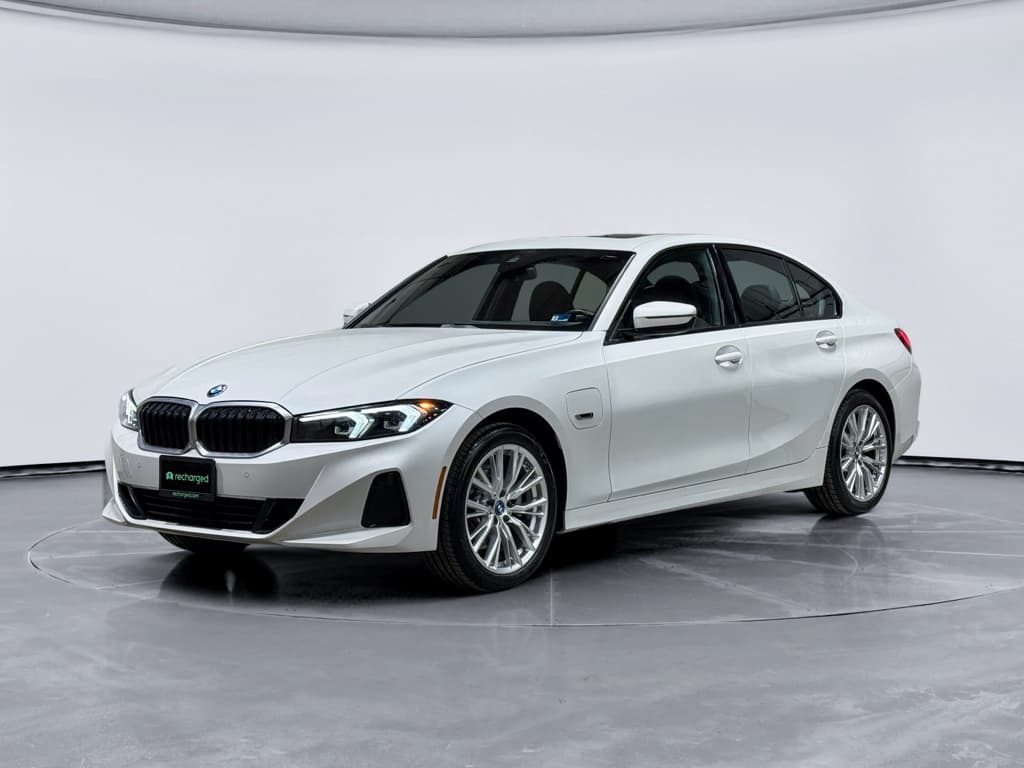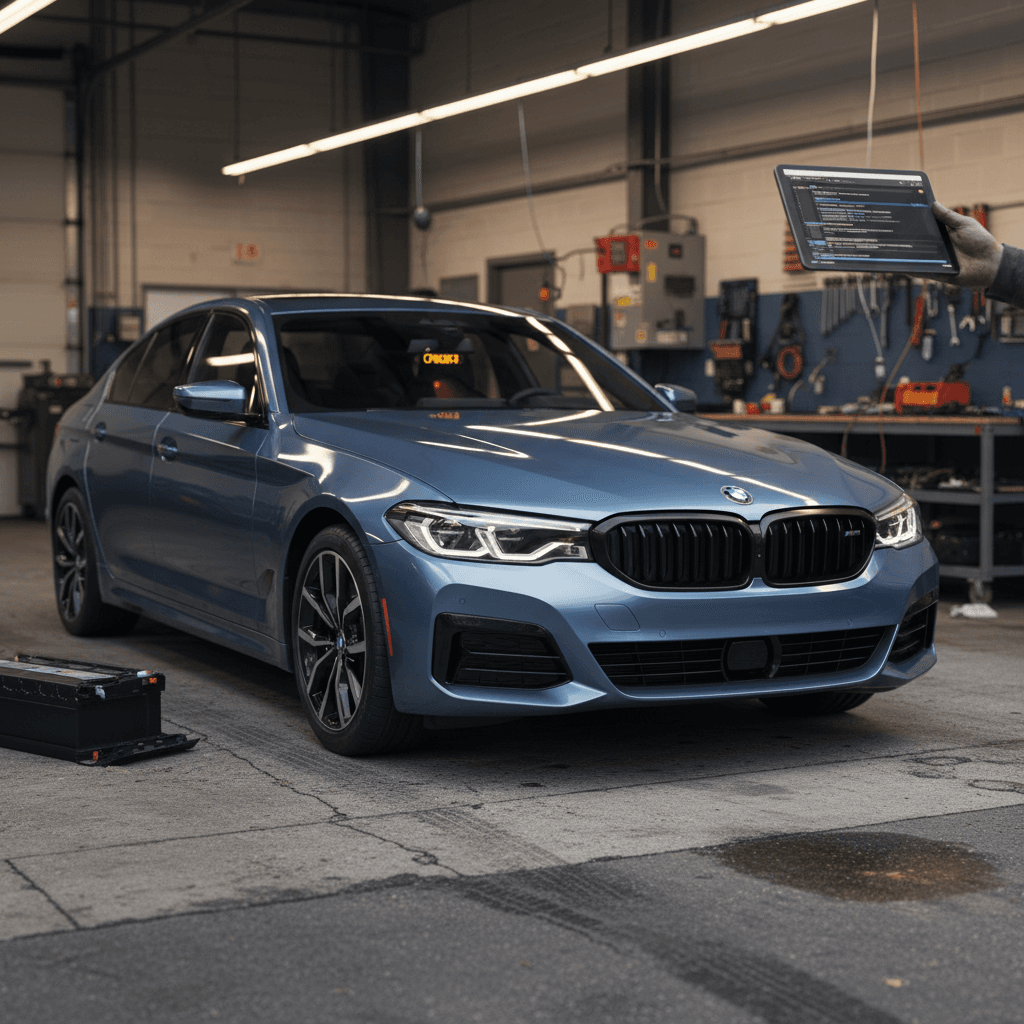
The 2024 BMW i5 is BMW’s first fully electric 5 Series, a handsome, quiet, surgically precise sedan that feels like a business‑class ticket on four wheels. But if you’re searching for “2024 BMW i5 problems,” you’re not here for poetry. You want to know where this car stumbles: software gremlins, charging quirks, range reality, and what might come back to bite you if you buy one used.
Context matters
2024 BMW i5 problems at a glance
What owners are actually reporting
From owner reports and early mileage, the big themes for 2024 BMW i5 issues are: - Software and over‑the‑air (OTA) update glitches (key detection, ambient lighting, driver‑assist behavior) - Charging speed that often lags behind its spec, especially in cold weather or at higher state of charge - Range and battery‑health anxiety, particularly in harsher climates and for drivers living on DC fast charging - A grab‑bag of build issues: charge‑port doors, rear sun shades, headlight condensation, interior rattles Now let’s unpack those one by one, and talk about how they affect you if you’re shopping used.
How reliable is the 2024 BMW i5 so far?
We’re only about two model years into the i5’s life, so any verdict on long‑term reliability is provisional. What we can say with confidence right now:
- Plenty of owners report 10,000–20,000 essentially trouble‑free miles, especially on the eDrive40.
- Problems skew heavily toward software and electronics, not the battery pack or drivetrain hardware.
- When a car does go completely inoperable, it’s usually traced to a software crash or a failed control module, painful, but generally fixed under warranty.
- There is not yet a wave of high‑voltage battery failures being reported for 2024 cars. Concerns are more about range loss perception than dead packs.
How this compares to other premium EVs
Software bugs and update glitches
If the modern BMW has an Achilles’ heel, it’s not the motor or the battery, it’s the code. The 2024 i5 runs BMW’s latest iDrive with heavy OTA dependence. That’s powerful and future‑proof, but owners have seen some very 2020s‑style gremlins:
Most common 2024 i5 software complaints
What owners say happens after updates or seemingly at random
Key & access glitches
After certain software updates, some owners report the car temporarily not detecting the key fob or phone key, or refusing to start on the first try. In most cases this resolves on its own after the car "sleeps" overnight.
Ambient lighting failures
New software versions have occasionally thrown “ambient lighting failure” errors, shutting off mood lighting or removing certain modes like Digital Art. Typically, functions return after background processes finish, but it can be unnerving in a brand‑new $80,000 sedan.
Inoperable car after update
A minority of i5 owners describe worst‑case scenarios: after or during an update the car goes dead, dash lit up with warnings, no drive, sometimes no telematics. Dealerships have fixed these with full software reinstalls and, in at least one case, a replacement cellular/communication module.
Driver‑assist and nav quirks
Post‑update, some owners notice highway assist no longer recognizing a familiar route right away, or navigation behaving differently from their saved preferences. Not catastrophic, but annoying in a car marketed as a digital co‑pilot.
What to do if an update bricks your car
For current owners, the practical takeaway is to schedule big updates when you don’t absolutely need the car in the next few hours. For used‑car shoppers, this is less about walking away and more about verifying the i5 you’re considering is on current software and not carrying a history of unresolved electrical gremlins.
Charging and DC fast‑charging issues
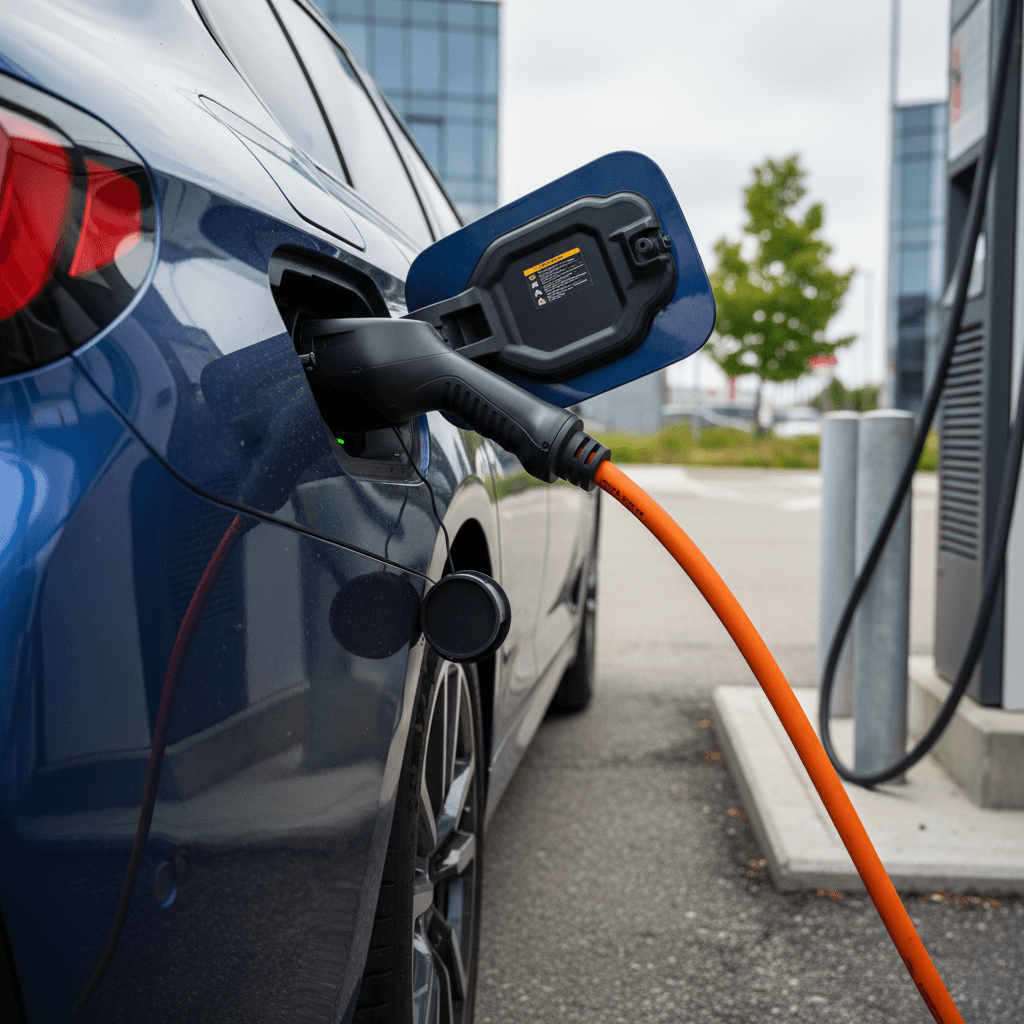
On paper, the 2024 i5 supports competitive DC fast‑charging speeds. In reality, owners often tell a different story at the plug: "I’m on a 300 kW charger and this thing is pulling 7 kW" or "it never gets close to the advertised curve." There are a few overlapping causes:
1. Cold‑battery charging is painfully slow
Like every EV, the i5 hates charging a cold battery. In winter, owners have seen single‑digit kW rates on high‑power DC chargers when the pack isn’t preconditioned. That can turn a 20‑minute splash‑and‑dash into a coffee‑and‑podcast afternoon.
BMW gives you two tools: battery preconditioning via the navigation system (set a charger as your destination) and manual battery warm‑up. Both help the car follow its intended charging curve.
2. Conservative charging curve and shared hardware
Even with a warm pack, owners often see the i5 ramp up near its peak only briefly before falling back in the 40–70 kW range above ~60% state of charge. That’s BMW being conservative with battery longevity and thermal limits.
Layer on public‑network issues, Electrify America stalls limited by their own hardware, shared power with another EV, and you get the perception that "BMW charging speed sucks" even when the car is technically working as designed.
How to get the best charging experience
There are also a handful of more serious charging‑related stories, like a faulty public charger over‑delivering current, causing a loud "pop" and isolating the i5’s high‑voltage battery. Those cases are rare, but they underscore why you want a thorough battery‑health check before you buy a used i5 that lived on road‑trip duty.
Battery, range and degradation concerns
Take any EV, drop it into a cold winter, add aggressive highway driving, and you’ll hear the same lament: "My range has fallen off a cliff." The 2024 i5 is no exception. Owners who once saw ~280 miles on a full charge start reporting real‑world figures much lower, or wild swings in state‑of‑charge (SoC) readings, like a 16% drop in under 20 minutes while the car sat outside in chilly weather.
What’s normal vs. concerning on a 2024 i5 battery
How to separate EV physics from real problems
Cold‑weather range loss
Seeing 20–35% less range in near‑freezing temperatures is unpleasant but normal. The pack is less efficient and the car burns extra energy just to keep you and the battery warm.
SoC "jumpiness"
Large, sudden percentage drops right after start‑up are often the BMS (battery management system) "re‑learning" after temperature changes. If the behavior is repeatable and extreme, have it logged at a dealer.
True degradation
Over the first 1–2 years, healthy packs typically lose single‑digit percentage points of usable capacity. A 2024 i5 that’s already missing 15–20% of its range in mild weather deserves a deeper diagnostic before you sign anything.
Don’t live at 100% if you can avoid it
The good news: there is no broad pattern yet of 2024 i5 high‑voltage packs failing or being replaced under warranty. The bad news: a big German luxury EV with a bruised battery can be staggeringly expensive to set right once warranties and goodwill run out. That’s exactly why Recharged puts verified Recharged Score battery diagnostics front and center on every used EV we sell, so you’re not gambling on someone else’s charging habits.
Hardware and build‑quality issues
Electrons get the headlines, but old‑fashioned hardware still causes headaches. On the 2024 i5, owner chatter highlights a few repeating themes:
Common 2024 BMW i5 hardware & build issues
Not every car will see these, but they’re worth checking on a test drive.
| Issue | Symptoms | How serious? | What to check |
|---|---|---|---|
| Charge‑port door sticking | Door refuses to open or only opens intermittently, even when unlocked | Annoying, can be trip‑stopping if you can’t charge | Open/close the charge‑port door repeatedly during your test drive and with the car locked/unlocked. |
| Headlamp condensation | Visible fogging or water droplets inside headlight housings, often after a wash or rain | Mostly cosmetic, but severe cases can shorten component life | Inspect headlamps after a wash or rainy day; look for moisture lines or staining. |
| Rear window shade failure | Rear power sunshade stops moving or gets stuck partway | Minor comfort issue, but common enough to note | Operate all shades and sunblinds several times; listen for straining motors. |
| Random check‑control messages | Warning messages appearing 5–10 minutes into a drive, then disappearing | Usually software or sensor‑related; can mask real issues | Scan for stored fault codes; ask for printouts of dealer visits. |
| Rapid rear‑tire wear | Rear tires worn out in roughly a year on higher‑power trims | Normal-ish for a heavy, torquey rear‑drive BMW, but expensive | Check tread depth and date codes; budget accordingly if you drive enthusiastically. |
Most of these faults are fixable under warranty on a 2024 car; what matters is whether they’ve been properly addressed.
What about recalls?
What BMW’s warranty actually covers
BMW backs the 2024 i5 with a typical luxury‑EV warranty stack in the U.S.:
- 4 years / 50,000 miles for the new‑vehicle limited warranty (bumper‑to‑bumper).
- 8 years / 100,000 miles on the high‑voltage battery, usually against excessive capacity loss and catastrophic failure.
- Corrosion and roadside‑assistance coverage layered on top, varying slightly by region.
Usually covered on a 2024 i5
- Software‑related drivability issues, failed OTA updates, modules that have to be reflashed, non‑functional driver‑assist features.
- Defective hardware like stuck charge‑port doors, failed shades, or flaky sensors, especially if documented early.
- Genuine battery defects that cause abnormal range loss or internal faults, as defined by BMW’s battery‑capacity policy.
Usually not covered
- Normal tire wear (which can be fast on a powerful, heavy sedan).
- Cosmetic gripes like minor trim creaks, unless tied to a broken part.
- Range loss that’s mostly down to driving style, climate, or charging to 100% daily, if diagnostics show the pack itself is healthy.
How Recharged helps you de‑risk a used i5
Ready to find your next EV?
Browse VehiclesShould you buy a used 2024 BMW i5?
If you love the way the 5 Series drives, and you should; BMW still remembers how to build a proper sedan, the 2024 i5 is an alluring pivot into electric. Early‑owner stories, including some now hitting 20,000+ miles, are largely positive: quiet, quick, comfortable, almost no traditional maintenance. The problems we’ve walked through are real but mostly solvable, especially while the car is still young and under warranty.
- If you’re tech‑tolerant and okay living with the occasional software quirk, the i5 is one of the more rewarding luxury EVs to drive every day.
- If you want absolute set‑and‑forget appliance reliability above all else, a simpler hybrid or non‑German EV may suit you better right now.
- For many shoppers, the sweet spot is a lightly used 2024 i5 with a clean history, updated software, healthy battery, and a remaining chunk of both new‑vehicle and battery warranty.
Why used can be a smart play
Checklist: inspecting a used 2024 BMW i5
11 things to check before you buy a 2024 i5
1. Scan for software history
Ask for records of any software‑related service visits, especially if the car was ever inoperable after an update. A clean post‑fix record is fine; repeated unexplained electrical issues are a red flag.
2. Confirm current software version
From the main screen, check that the car is on a recent BMW software release and that updates are enabled. A car stuck on an older version despite attempts to update could indicate connectivity or module problems.
3. Test all keys and digital access
Verify that both physical keys and any phone‑as‑key features reliably lock, unlock, and start the car. Intermittent key detection can hint at deeper body‑control or antenna issues.
4. Exercise every driver‑assist feature
On a test drive, confirm lane‑keeping, adaptive cruise, and any highway assist modes engage and behave as advertised. If the car repeatedly refuses to activate features on a clear, marked road, have it inspected.
5. Inspect charging behavior
If possible, plug into both Level 2 and a DC fast charger. Make sure the car begins charging promptly, reports plausible power levels, and the charge‑port door opens and closes smoothly.
6. Review battery health data
Look for an independent battery‑health assessment, like the Recharged Score report, rather than trusting only the dash range estimate. You want hard numbers on usable capacity and DC‑fast‑charging exposure.
7. Look for headlamp condensation
After a wash or rainy day, inspect the headlights for lingering fog or droplets inside the housing. Light misting that fades quickly is common; persistent moisture is worth addressing under warranty.
8. Operate rear shades and windows
Cycle the rear sunshade, side shades (if equipped), and all windows several times. Listen for grinding or hesitation, which can foreshadow motor or track repairs.
9. Check tires for uneven wear
Measure tread depth across all four tires and inspect for inner‑edge wear. Aggressive rear‑tire wear might reflect alignment issues, or just a previous owner enjoying all that torque.
10. Listen for rattles and squeaks
On rough pavement, listen carefully for interior buzzes, particularly around the dash and rear deck. Small noises aren’t uncommon, but they’re harder to fix once you own the car.
11. Verify recall and campaign status
Have the seller provide a VIN‑based recall and service‑campaign printout. Every open campaign should be completed before you sign, especially anything touching high‑voltage, telematics, or major control modules.
FAQ: 2024 BMW i5 problems & ownership
Frequently asked questions about 2024 BMW i5 problems
The 2024 BMW i5 is not a perfect EV; it’s a very good one with the predictable neuroses of a first‑generation, software‑heavy luxury car. If you can live with the occasional glitch, it rewards you with a sublime drive, a world‑class cabin, and the daily serenity of electric torque. If you’re considering one used, the key is to separate the ordinary EV compromises from the outliers that could cost you dearly. That’s exactly where a data‑driven partner like Recharged, with verified battery diagnostics, transparent Recharged Scores, and EV‑savvy guidance, turns a risky leap into a confident step.