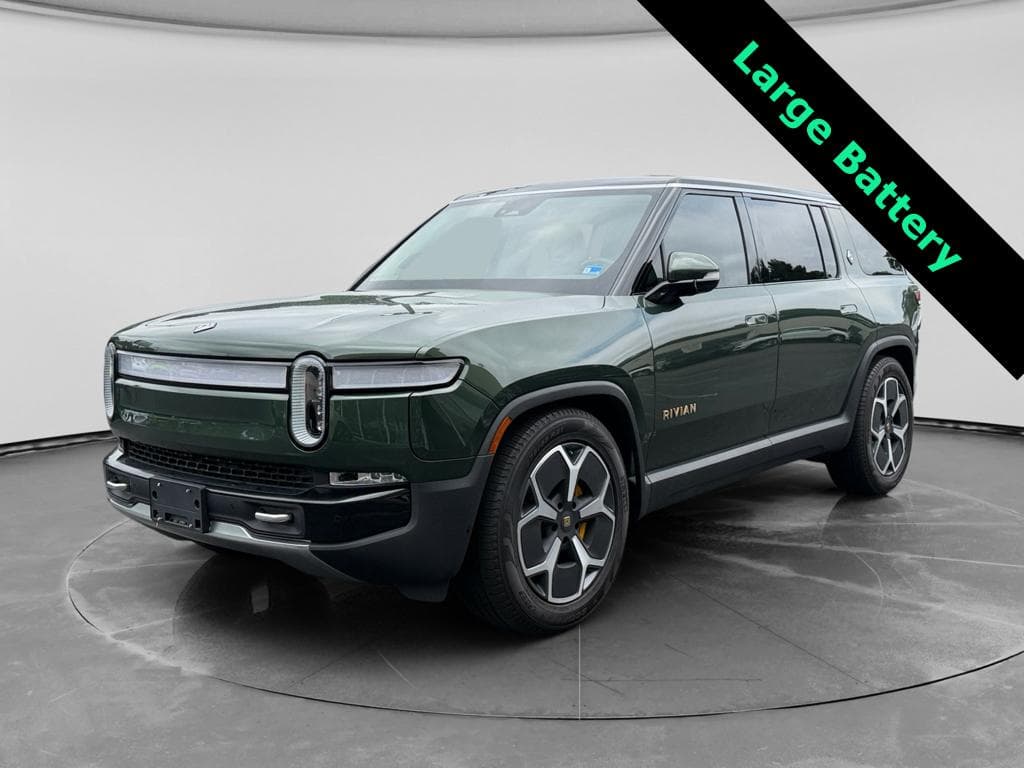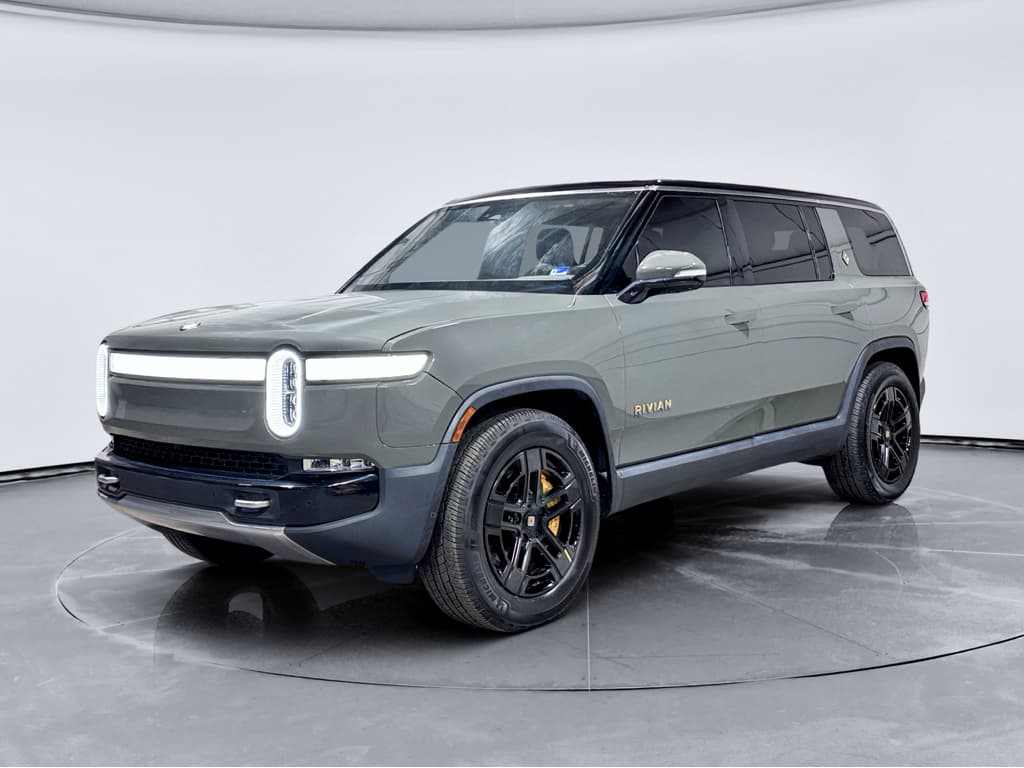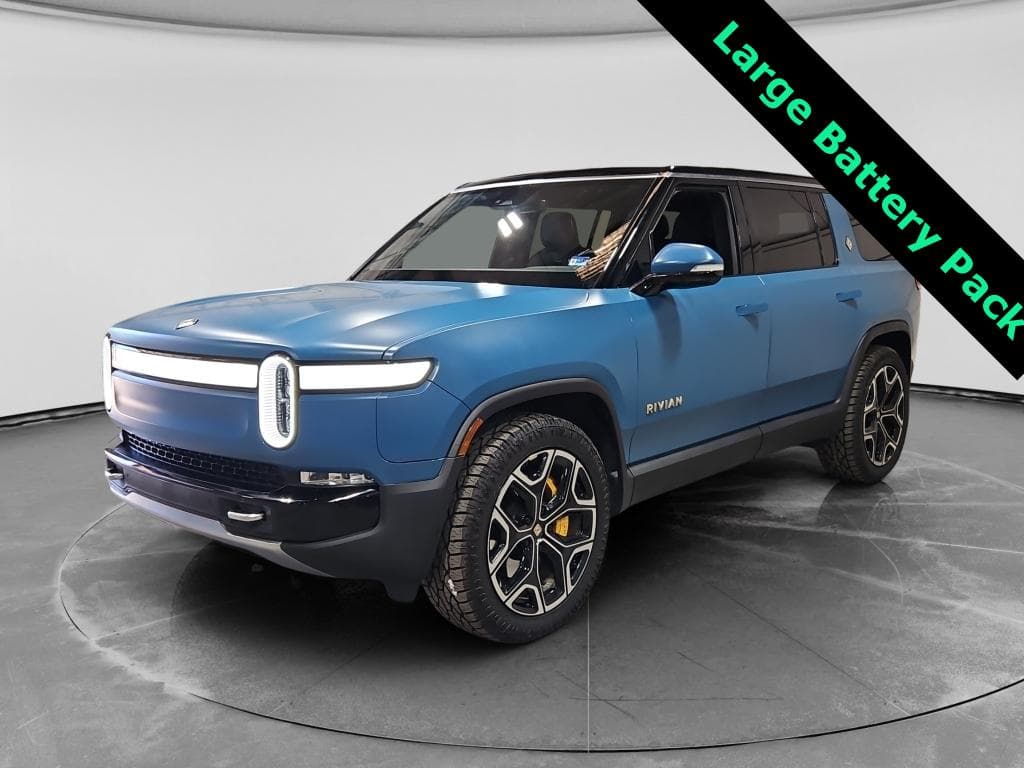
If you’re looking at a Rivian R1S, especially a used one, you’re probably wondering what happens when the warranties start to run out. The SUV is quick, capable and packed with tech, but it’s also new, complex and expensive. This guide breaks down Rivian R1S after-warranty costs so you can plan for long‑term ownership instead of guessing.
Quick takeaway
How the Rivian R1S warranty actually works
Before you can estimate after‑warranty costs, you need to know which warranty clocks you’re actually racing. Rivian’s coverage is split into several buckets, and they don’t all end at the same time.
Rivian R1S warranty coverage at a glance (recent model years)
Approximate factory coverage for U.S. Rivian R1S models as of 2024–2025. Always check the specific vehicle for exact terms.
| Coverage type | Typical term | What it covers | What it does NOT cover |
|---|---|---|---|
| New vehicle (bumper‑to‑bumper) | 4 years / 50,000 miles | Most components: electronics, interior, HVAC, suspension bushings, cameras, infotainment hardware | Wear items (tires, brake pads), damage, maintenance items |
| Battery pack | 8 years / 175,000 miles (R1S) | High‑voltage battery, internal components, excessive capacity loss below Rivian’s guarantee threshold | Normal gradual degradation within spec, damage from misuse or improper repairs |
| Drive units (motors, gearboxes) | 8 years / 175,000 miles | Electric motors, gear reduction, internal electronics | Half‑shafts, suspension or alignment issues caused by impacts |
| Corrosion | 8 years / unlimited miles | Perforation (rust through) from the inside out | Cosmetic rust, damage from accidents or abuse |
| Roadside assistance | 5 years / unlimited miles (from in‑service date) | Towing, flat tire help, lockout, some charging emergencies | Actual repair costs after towing |
Battery and drive components are covered much longer than the rest of the vehicle.
Used buyers: check in‑service date
What happens when the bumper‑to‑bumper warranty ends?
For most Rivian owners, the first major transition happens around 4 years or 50,000 miles, when the comprehensive “everything but wear items” warranty expires. At that point, you’re still protected on the expensive high‑voltage hardware, but you’re exposed on the day‑to‑day stuff that actually tends to break first.
- Still covered: battery pack, drive units, and corrosion (for most owners, up to 8 years / 175,000 miles).
- No longer covered: air suspension compressors and height sensors, wheel bearings, HVAC components, window regulators, seat motors, many interior electronics and cosmetic issues.
- Software & OTA fixes: safety‑related bugs or recalls are usually covered by Rivian via over‑the‑air software updates, with no repair bill to you.
Think in two ownership phases
Big-ticket items: battery, drive unit and suspension
When people worry about EVs out of warranty, they’re almost always picturing a failed battery pack or drive unit. With the R1S, those are still under factory coverage for a long stretch, so the more realistic big‑ticket concerns are around suspension, body hardware and advanced driver‑assistance sensors.
Typical ranges for major R1S repairs (out of warranty)
Off‑road abuse can get expensive
Battery & drive units: high cost, low failure rate
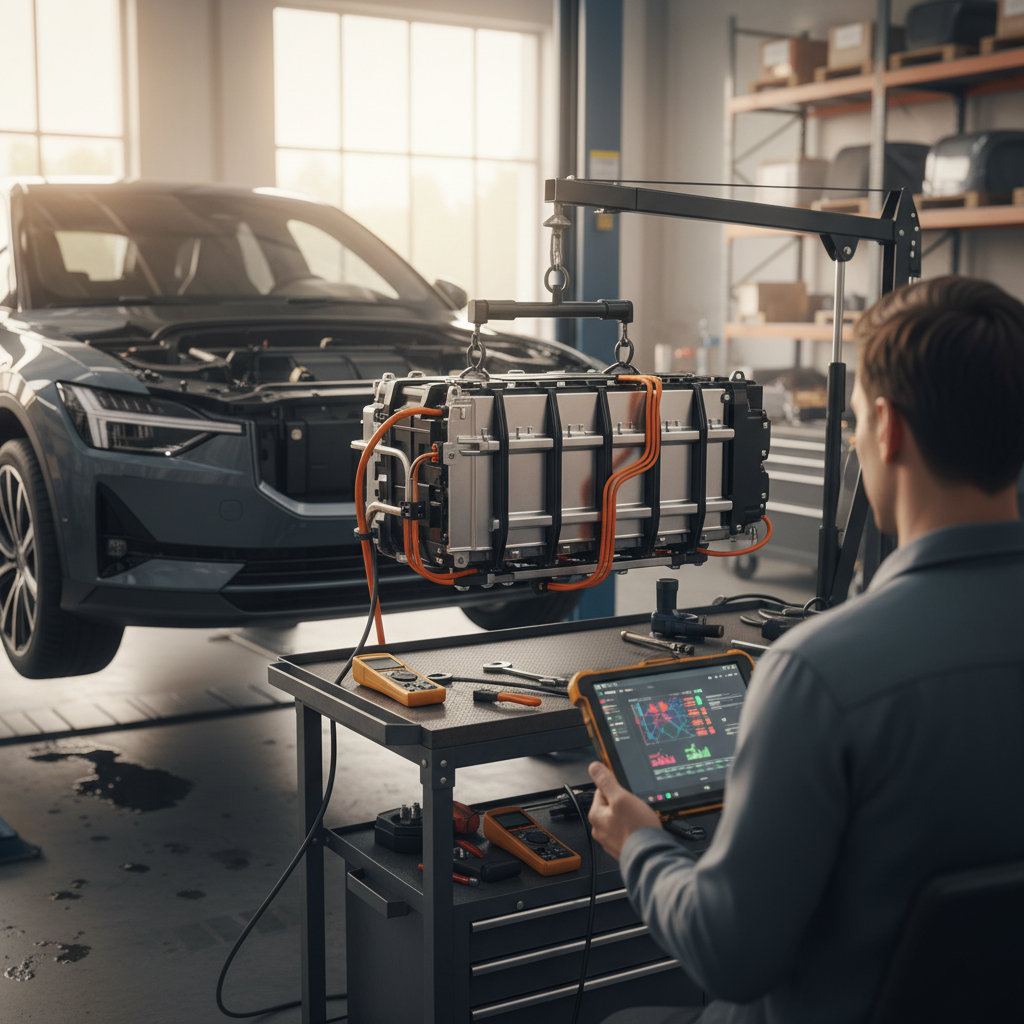
High‑voltage components are the most expensive parts of any EV, but they’re also engineered conservatively and covered by long warranties. So far, early Rivian data suggests relatively low failure rates, and those that do occur in the first 8 years are typically handled under warranty.
Long‑term, pack replacements on any large EV SUV could run well into five figures, but the point of the warranty is to push that risk out beyond realistic first‑owner timelines.
Suspension & body hardware: lower cost, higher probability
Air suspension, adjustable dampers, door handles, latches and liftgates are far more likely to need attention once the comprehensive warranty expires. Individual jobs might sit in the $500–$2,000 range, which is painful but not catastrophic compared with a battery pack.
Think of the R1S like a high‑end Land Rover or Mercedes GLS in this respect: lots of capability, lots of moving parts, and an ownership profile that rewards proactive inspection.
Software, recalls and “repairs” that don’t cost you
One of the quiet advantages of a software‑centric EV like the R1S is that many issues that would have triggered a service visit in the past are now solvable via over‑the‑air (OTA) updates. That doesn’t eliminate risk, but it shifts a chunk of it away from your wallet.
- Safety recalls: If Rivian or regulators identify a safety‑related defect, like a driver‑assistance glitch, they’re obligated to remedy it at no cost, often via a software update pushed automatically to your SUV.
- Feature bugs and improvements: Navigation quirks, charging curve tweaks, UI problems and some ADAS behaviors can be refined through OTA updates, again without a service invoice.
- Physical failures still cost money: If a radar housing breaks in a parking‑lot bump or a camera is damaged off‑road after the bumper‑to‑bumper expires, the hardware and labor are on you unless it’s part of an active recall.
Why software matters for long‑term cost
Routine maintenance costs after warranty
Compared with a gas‑powered three‑row SUV, the R1S has a short, and relatively cheap, maintenance list. There’s no oil, no spark plugs, no transmission fluid service intervals and no exhaust system. What you do have are consumables that are shaped by weight, performance and how you drive.
Typical ongoing maintenance items for a Rivian R1S
Approximate ranges at independent EV‑capable shops; dealership pricing may be higher.
Tires
R1S is heavy and quick, so expect shorter tire life than a typical crossover.
- Replacement interval: 25,000–40,000 miles (driving‑style dependent)
- Cost: $1,000–$2,000 for a quality set of 20–22" tires including mounting and balancing
Brake & fluid service
Regenerative braking reduces pad wear, but you still need fluid and occasional pad/rotor service.
- Brake fluid flush: ~$150–$250 every 2–3 years
- Pad/rotor job: $500–$1,200 when needed, depending on axle and parts choice
Alignment & suspension checks
A tall, heavy SUV with air suspension benefits from regular checks.
- Four‑wheel alignment: $200–$350
- Suspension inspection: often bundled; repairs extra
Spread the small stuff out
Real-world ownership data: what we can see so far
Rivian is still a young brand, so we don’t yet have 10–15 years of reliability data the way we do for Toyota or Honda. But early ownership data from cost‑of‑ownership tools and service estimates paints a reasonable picture for the first 5–8 years.
Five‑year cost signals for the Rivian R1S
The pattern we’re seeing so far is familiar: EVs front‑load their costs in the purchase price and battery warranty, then reward owners with lower routine maintenance, but you still need a plan for occasional complex‑vehicle headaches, just like any premium SUV.
How to budget for R1S costs after warranty
If you’re crossing the 4‑year/50,000‑mile line, or buying a used R1S that’s already there, the smartest move is to treat after‑warranty costs as a budget line item rather than a surprise. Here’s a practical way to structure that planning.
Practical budgeting plan for an out‑of‑warranty R1S
1. Assume one mid‑size repair every 2–3 years
Set aside enough cash for a $1,000–$2,000 repair every few years, suspension work, a failed module, a damaged sensor. If you don’t need it, it becomes your next‑vehicle fund.
2. Separate wear items from true surprises
Tires, brakes and alignments are predictable wear. Budget those as operating costs based on your annual mileage, then keep a separate “oh‑no” fund for failures and accident‑related repairs.
3. Consider third‑party or CPO coverage carefully
Extended warranties or protection plans can make sense if they emphatically cover air suspension, electronics and ADAS hardware, not just the battery you already have covered. Read the exclusions closely.
4. Use home charging to offset repair risk
Lower energy costs from home charging, especially on off‑peak time‑of‑use rates, can easily free up $500–$1,000 per year versus gasoline. Earmark some of that savings for your repair reserve.
5. Stay current on software and recalls
Accept OTA updates promptly, read release notes, and schedule recall work quickly. Fixing issues early can prevent minor glitches from turning into expensive component failures.
Benchmark against a gas SUV
Buying a used Rivian R1S: what to watch for
For used shoppers, after‑warranty costs aren’t hypothetical, they’re a near‑term reality. The right inspection and data can mean the difference between a great deal and inheriting someone else’s expensive experiment.
1. Battery health & fast‑charging history
You want to know not just that the battery is under warranty, but how healthy it is today. Look for:
- State‑of‑health or usable capacity vs. original spec
- Evidence of unusually slow fast‑charging, which can hint at pack issues or thermal management problems
- Signs of repeated high‑power DC fast charging without much home charging
2. Suspension, steering and underbody
With a heavy, off‑road‑capable SUV, suspension and structure tell you a lot about how it’s been treated:
- Uneven tire wear, pulling or clunks over bumps
- Leaks around air struts or dampers
- Scrapes on skid plates, battery shield or control arms from off‑roading
Checklist for evaluating a used Rivian R1S
Especially important once bumper‑to‑bumper coverage is close to expiring.
Verify remaining warranties
Ask for the original in‑service date and have the seller confirm remaining coverage in the Rivian app or with a service advisor.
Pay attention to both the 4‑year/50,000‑mile and 8‑year/175,000‑mile clocks.
Check cameras & sensors
Ensure all cameras, parking sensors and driver‑assistance functions operate correctly. Malfunctions can lead to expensive diagnostics and calibrations after a minor fender‑bender.
Review service history
Look for repeated visits for the same issue, crash repairs, or prior suspension and alignment work. A clean, documented history is worth paying for on a complex EV.
How Recharged helps manage long-term R1S costs
A lot of the anxiety around Rivian R1S after‑warranty costs comes from uncertainty: you don’t know how the previous owner drove it, charged it or maintained it. That’s exactly the gap Recharged is built to close for used EV buyers.
- Recharged Score battery diagnostics: Every EV we list, including Rivian R1S models, gets a Recharged Score Report that measures real battery health instead of just showing 100% on the dash.
- Transparent pricing and history: We surface service history when available and price vehicles against fair‑market data, so you can budget realistically for what comes next.
- EV‑specialist guidance: Our team can walk you through how warranty coverage works on a specific VIN, what to expect from ownership, and how to match an R1S to your driving and charging habits.
- Flexible buying and selling options: Whether you’re trading out of a gas SUV into your first EV or moving from an R1T into an R1S, Recharged can help with financing, trade‑ins, instant offers or consignment, plus nationwide delivery.
Turn uncertainty into a line item
FAQ: Rivian R1S after-warranty costs
Common questions about Rivian R1S costs after warranty
The Rivian R1S isn’t a cheap vehicle to buy, and it won’t magically become cheap to own once the warranties run out. But if you understand how coverage works, budget for the most likely repairs and insist on solid battery and service data when shopping used, you can enjoy one of the most capable electric SUVs on the market without treating it like a financial roulette wheel. If you’re ready to explore used R1S options with verified battery health and transparent pricing, you’ll find plenty of help, and real numbers, at Recharged.