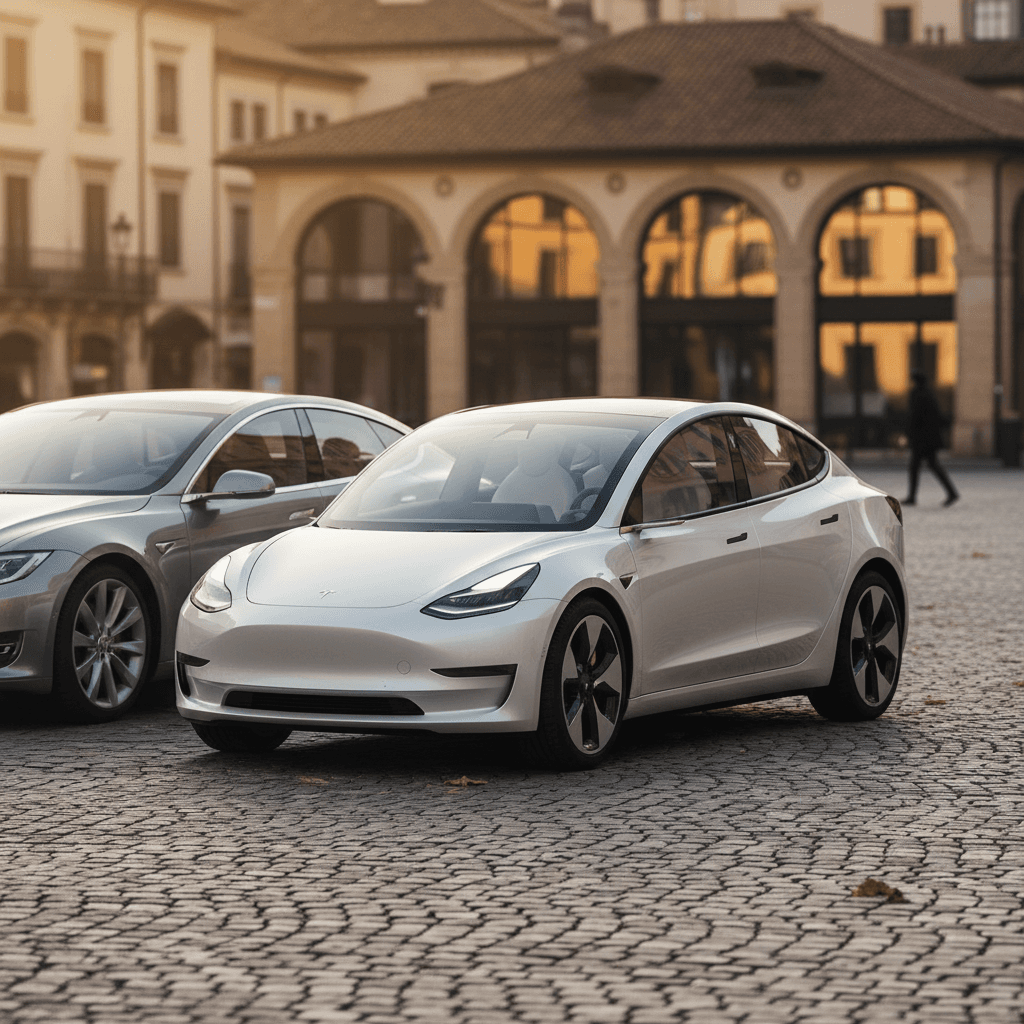
If you’ve heard people talk about a Tesla Model C, you’re not alone. Shoppers search for it, YouTube thumbnails shout about it, and a few design concepts even wear the name. The catch? As of late 2025, Tesla does not sell a vehicle officially called “Model C.” What you’re seeing is a mix of rumor, wishful thinking, and early chatter around Tesla’s next‑generation small EV.
Quick answer
Does a Tesla Model C actually exist?
- Tesla’s current consumer lineup is Model S, Model 3, Model X, Model Y, Cybertruck and the Semi truck.
- Tesla has announced future products like the next‑generation Roadster and the autonomous Cybercab robotaxi, plus a low‑cost “next‑gen” vehicle platform.
- None of those vehicles are named “Model C” in official Tesla materials as of November 18, 2025.
So when people say Model C, they’re usually talking about an imagined car: a smaller, cheaper Tesla hatchback or compact crossover positioned below the Model 3 and Model Y. Think of it as the spiritual idea of a $25,000–$30,000 Tesla that’s easy to park, cheap to run, and still fast and fun.
Don’t confuse it with Cybercab
Where the Tesla Model C rumor came from
The idea of a Tesla Model C didn’t come out of thin air. It’s the result of several overlapping threads that the internet bundled together under one catchy name.
Three main sources of the “Model C” idea
Why you keep seeing the name even though Tesla never uses it
Design concepts
Independent designers have published “Tesla Model C” concept art for more than a decade, usually small hatchbacks aimed at Europe or city driving. These aren’t official Teslas, but they photograph well and spread quickly online.
Compact Tesla rumors
For years, Tesla has talked about a smaller, more affordable car beneath the Model 3. Commentators started calling it Model 2, Model Q, or Model C long before Tesla nailed down public branding.
Market expectations
With mainstream brands offering compact EVs, shoppers naturally expect a compact Tesla to show up. “Model C” simply became shorthand for “the Tesla that should compete with those cars.”
How to sanity‑check Tesla rumors
Tesla’s real plans for a small affordable EV
While “Model C” isn’t official, the goal behind it absolutely is: Tesla wants a lower‑cost EV that’s cheaper to build and buy than today’s Model 3 and Model Y. Internally and in the press, this has been discussed as a next‑generation vehicle platform, often nicknamed “Model 2” or “Model Q.”
Why Tesla is chasing a smaller, cheaper EV
1. It’s a platform, not just one car
Tesla’s next‑gen project isn’t just “one small Tesla.” It’s an entire vehicle architecture designed to be cheaper and faster to build. On top of that, Tesla can spin off a compact hatchback, a small crossover, or even variants tailored to ride‑sharing and robotaxi duty.
2. Timing is still evolving
Tesla has moved timelines several times on this program as it juggles Cybertruck ramp‑up, the Cybercab robotaxi, and a new Roadster. If you’re waiting for a car that matches the internet’s idea of a Model C, understand that we’re still in the pre‑production, shifting‑dates stage.
Don’t build your life around a rumor
How Model 3 and Model Y fit into the “Model C” story
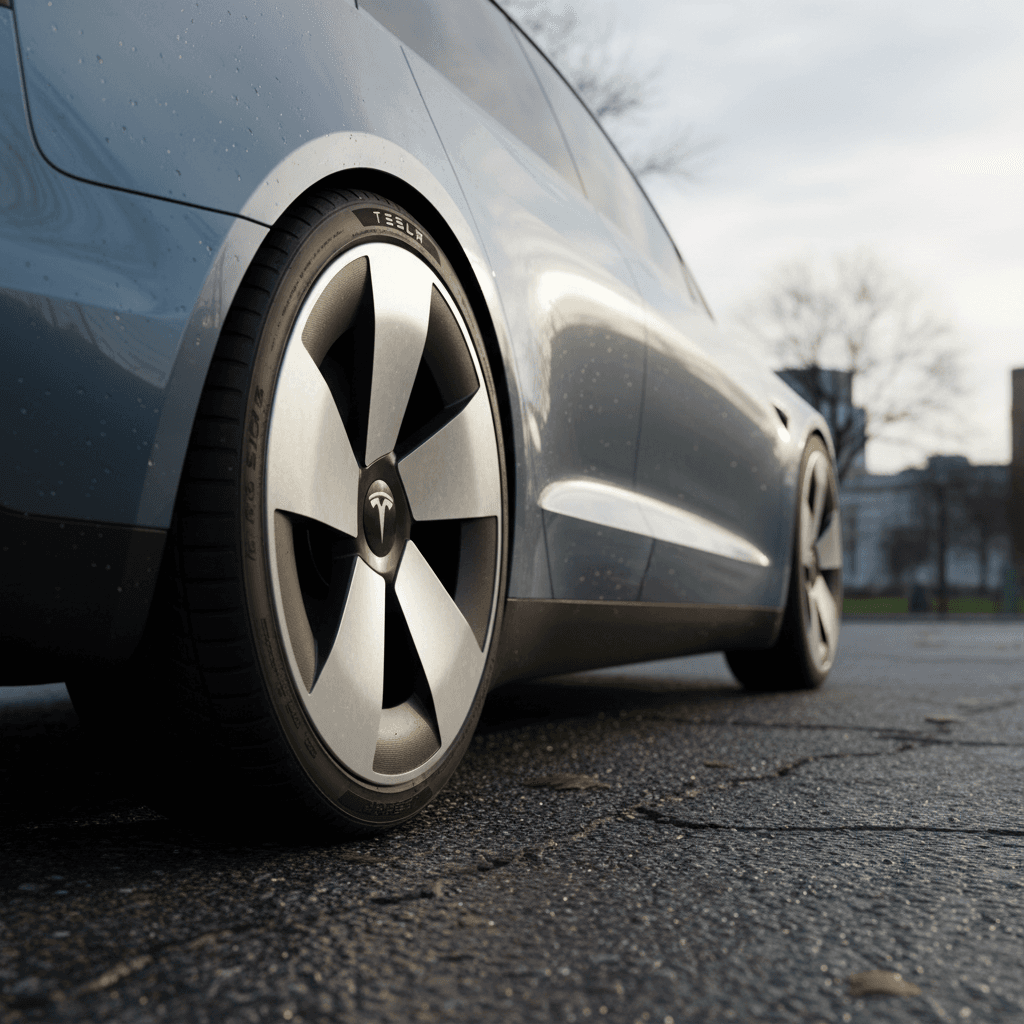
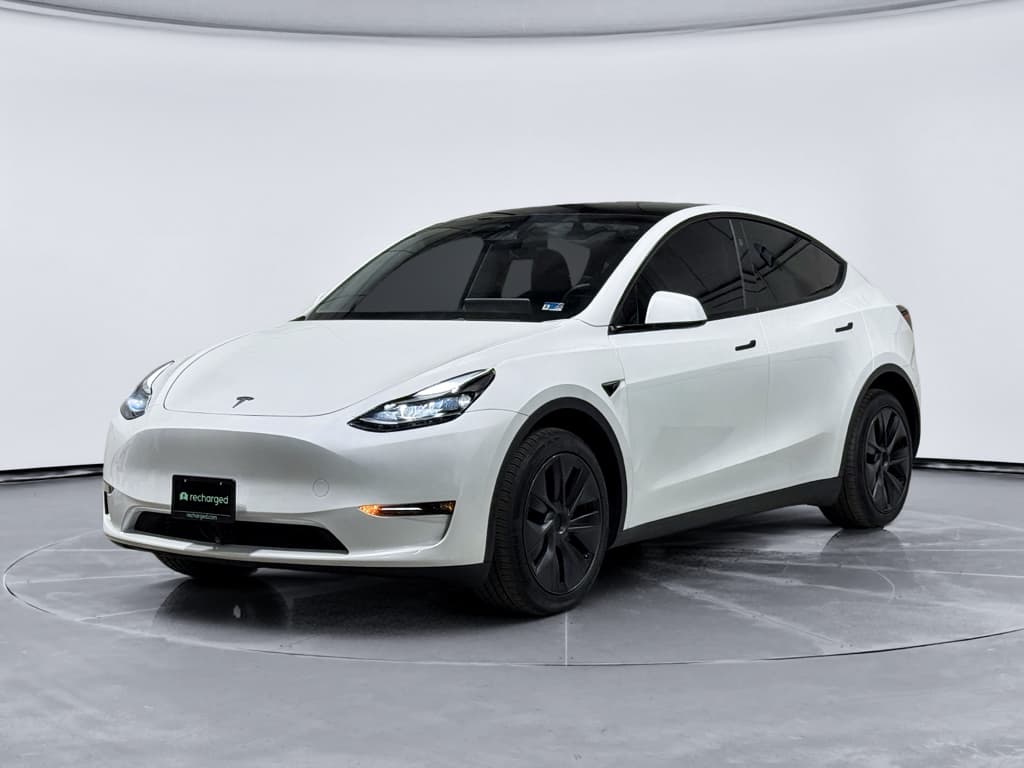
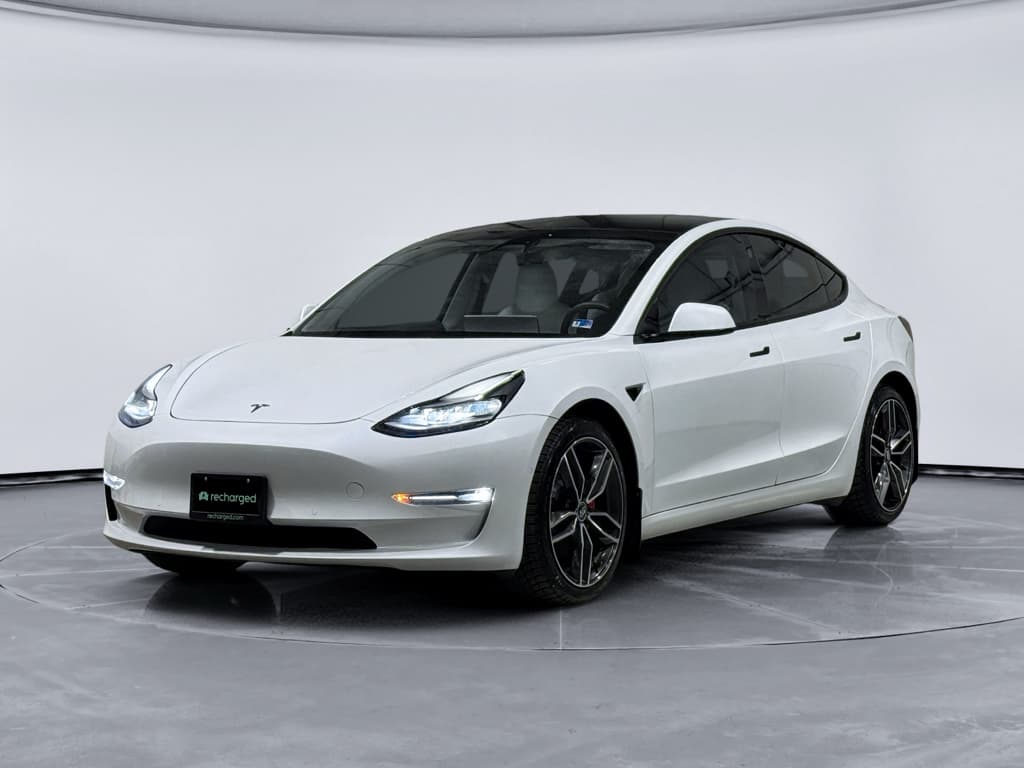
If you strip away the rumor, the job most people want a Model C to do is actually being handled by Model 3 and Model Y in the real world. They’re the workhorses of the Tesla lineup and the most common entry point into the brand.
Model 3 vs. Model Y: Which feels more like a “Model C”?
Thinking in terms of mission, not marketing nameplates
Tesla Model 3
- Body style: Compact sedan with a sleek, low roofline.
- Driving feel: Sporty, efficient, very much the “driver’s car” of the lineup.
- Use case: Daily commuting, highway trips, light family duty.
- Used sweet spot: 3–5 year‑old cars with verified battery health often price like mainstream compact sedans.
Tesla Model Y
- Body style: Small crossover with a hatchback and higher seating.
- Driving feel: Still quick, but tuned more for comfort and utility.
- Use case: Families, gear haulers, buyers who want extra ride height.
- Used sweet spot: Early examples and previous‑year lease returns have become the “reasonable” way into a Tesla crossover.
The unofficial “Model C stand‑ins”
Best alternatives if you wish the Tesla Model C were real
If you like the idea of a compact, affordable Tesla but don’t want to wait on speculation, you have two practical paths: a used Tesla that already hits your price point, or a used non‑Tesla EV that checks the same boxes on size, range, and running costs.
Real‑world stand‑ins for the mythical Tesla Model C
Compact EVs you can actually buy today that deliver similar benefits
| Vehicle | Rough Size Class | Why It Scratches the “Model C” Itch | Good Use Case |
|---|---|---|---|
| Used Tesla Model 3 | Compact sedan | Feels like the car Tesla would have built anyway, efficient, quick, and widely supported. | Drivers who want Tesla software, Supercharger access, and a car‑like feel. |
| Used Tesla Model Y | Small crossover | A bit bigger than the Model 3 but extremely flexible; great if you wanted a “Model C crossover.” | Small families and anyone who values cargo space over a low roofline. |
| Chevrolet Bolt EV / EUV | Subcompact/compact hatchback | Small, efficient, and often very attractively priced on the used market. | Urban and suburban commuting, especially if you park in tight spaces. |
| Hyundai Kona Electric | Subcompact crossover | Efficient, well‑equipped, and a solid match for the “small, practical” wish list. | Drivers who prioritize range and value over badges. |
| Nissan Leaf (2nd gen, 40–62 kWh) | Compact hatchback | Not as fast‑charging as others but often the least expensive entry into EV ownership. | Short‑to‑medium‑distance commuters who can charge at home. |
Prices vary by market, condition, incentives, and battery health. Focus on total ownership cost, not just the sticker.
Think like a value shopper, not a fan club member
Used Tesla vs non‑Tesla EV: which feels most like a Model C idea?
Leaning toward a used Tesla
If the appeal of the imagined Model C is the Tesla experience, clean interface, over‑the‑air updates, the Supercharger network, then a used Model 3 or Model Y is the most direct path.
- You get the brand ecosystem today, not in some future product cycle.
- Software updates can add features and refinements over time.
- Resale value has historically been solid, especially on well‑optioned trims.
Leaning toward a non‑Tesla compact EV
If you mostly care about size, price, and running costs, brands like Chevy, Hyundai, Kia, and Nissan offer strong used EVs that fill the “small electric” role nicely.
- Purchase prices can be substantially lower for similar range.
- Insurance and repair ecosystems are familiar to mainstream dealers.
- You’re less exposed to Tesla‑specific policy changes around charging or software.
How to decide in one evening
Why battery health matters more than the badge on the hood
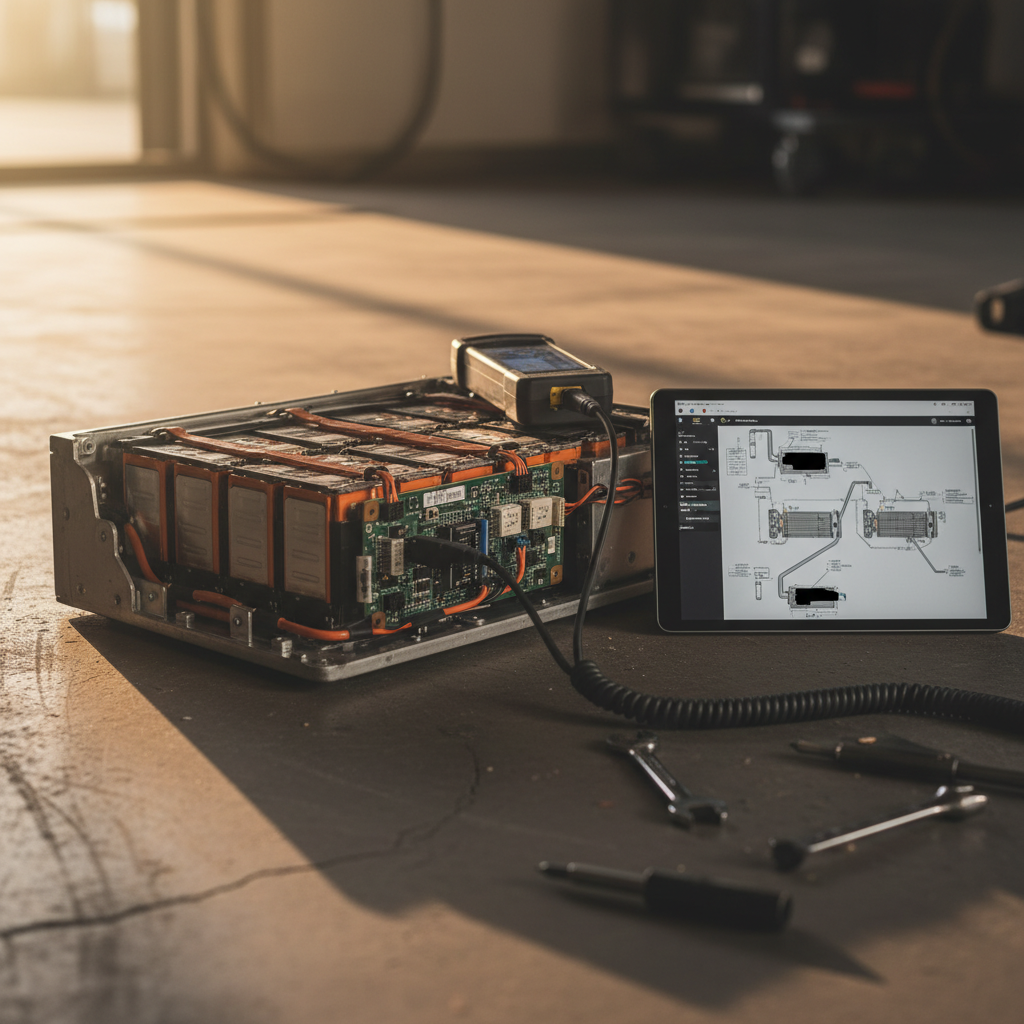
Whether you end up in a used Tesla or another compact EV, the single most important factor is battery health. A car that looks like the perfect “Model C” on paper but has a tired pack will feel older, stop shorter, and cost more over time.
Battery‑first checklist for would‑be Model C shoppers
1. Ask for a quantified battery health report
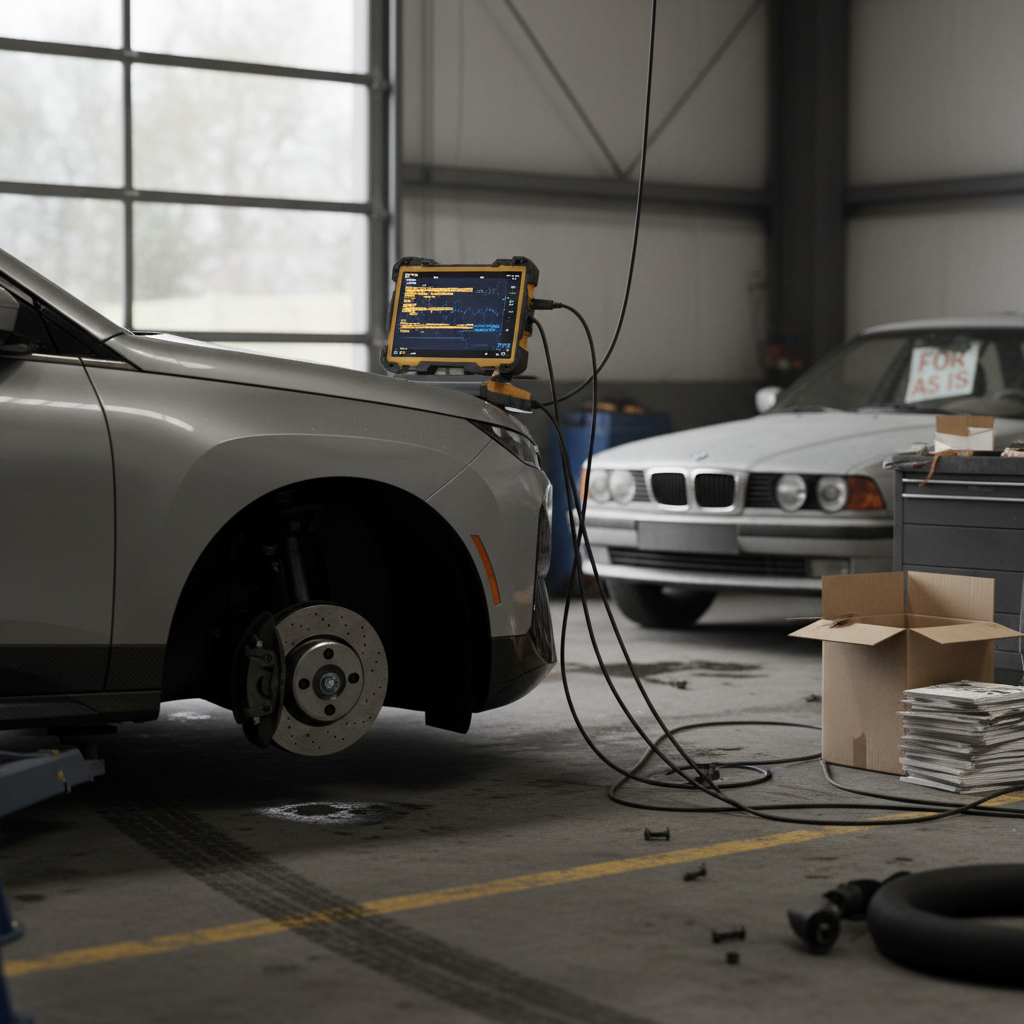
Don’t settle for “great battery” in a listing. Look for data that shows <strong>remaining usable capacity</strong> versus when the car was new. Recharged includes this in every <strong>Recharged Score</strong> report, so you’re not guessing at the most expensive component in the vehicle.
2. Compare estimated real‑world range to your daily needs
A compact EV that still delivers 180–220 miles of realistic range can easily serve most daily driving. Subtract at least 20% from the original EPA estimate to set your expectations, then see whether the current battery health supports your lifestyle.
3. Check DC fast‑charging history
Frequent DC fast‑charging isn’t automatically a deal‑breaker, but it can accelerate degradation if abused. Ideally, you want a car whose previous owner did most of their charging at home or work on Level 2, this is part of what Recharged evaluates.
4. Verify thermal management and recalls
Some batteries are cooled better than others; some models have had important updates or recalls. Make sure any software or hardware campaigns have been completed before you buy.
5. Look at total cost of ownership, not just price
A slightly more expensive car with a stronger battery can be cheaper over five years than a bargain‑priced EV that needs range‑robbing compromises or an early pack replacement.
Where Recharged fits in
Ready to find your next EV?
Browse VehiclesHow Recharged helps you shop smart for a “Model C‑type” EV
If you’re drawn to the idea of a small, honest, affordable Tesla, call it Model C in your head if you like, the key is to buy like a pro, not like a rumor‑chaser. That’s where Recharged was built to help.
Turning the “Model C” idea into a smart used‑EV purchase
What you get when you shop through Recharged
Verified battery health
Every car includes a Recharged Score Report with deep battery diagnostics, so you’re not guessing about the most expensive part of your EV.
Transparent pricing & financing
Recharged benchmarks each vehicle against the market and offers financing options that fit real‑world budgets. You can see how a used Model 3 stacks up against other compact EVs in dollars and cents.
Trade‑in & nationwide delivery
Have a gas car to unload before you go electric? Recharged offers trade‑ins, instant offers or consignment, plus nationwide delivery, so that “Model C‑type” EV can show up at your door.
Prefer to see it in person?
FAQ: Tesla Model C and affordable Teslas
Frequently asked questions about the Tesla Model C
Bottom line: What to do if you’re waiting for a Tesla Model C
The Tesla Model C is, for now, more idea than reality. It’s a useful shorthand for a compact, affordable Tesla that fits real driveways and real budgets, but it’s not a car you can walk out and buy today. What you can do is decide whether you want the Tesla ecosystem or simply a smart, small EV, and then shop accordingly.
If a future compact Tesla appears and wears a different nameplate, great. In the meantime, a well‑chosen used Model 3 or Model Y, or a carefully vetted non‑Tesla compact EV, can deliver the experience you’re after without putting your life on hold for a rumor. Tools like the Recharged Score Report, EV‑specialist support, and flexible financing make it much easier to buy the car that fits your budget and your daily miles, not just the one that happens to light up social media today.