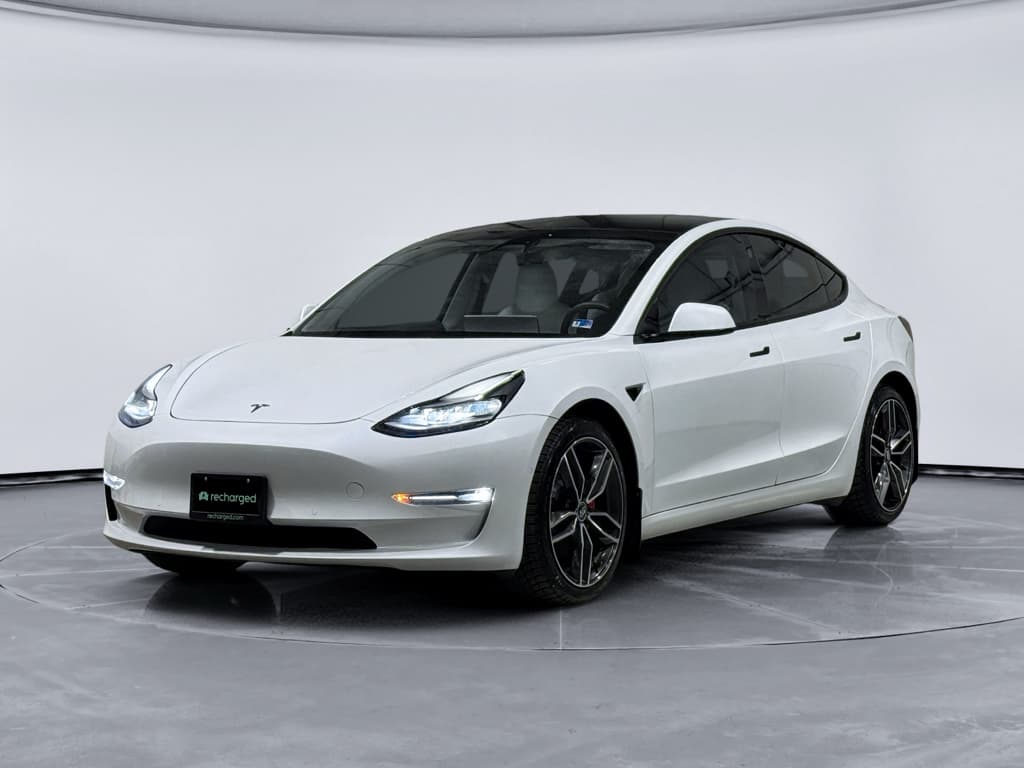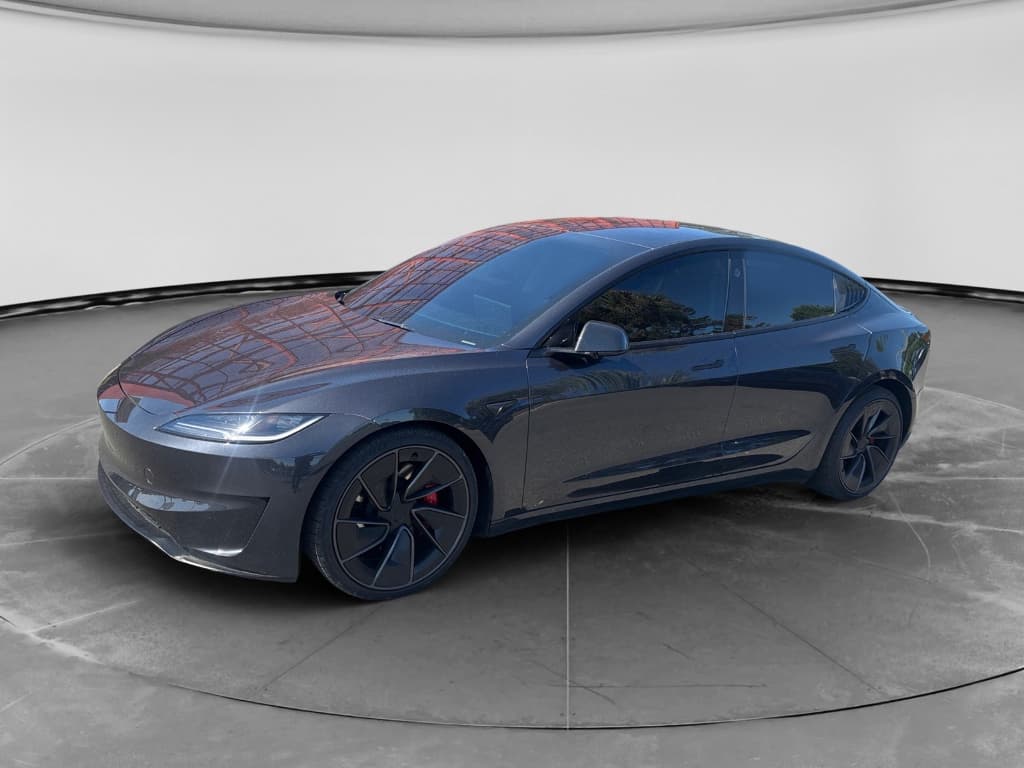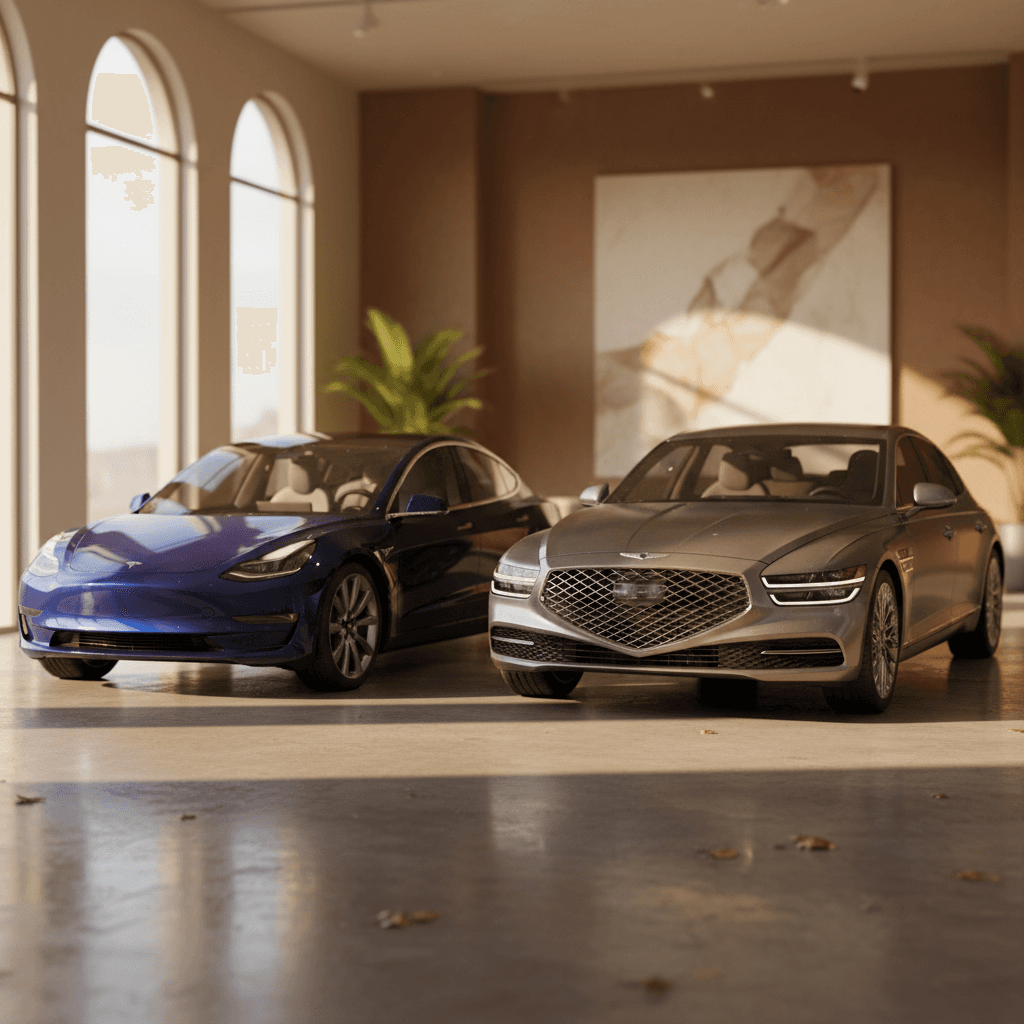
If you’re comparing the Tesla Model 3 vs Genesis G80 Electrified, you’re really deciding between two very different visions of what an electric sedan should be. One is a high‑volume, tech‑forward compact from the company that built its brand on EVs. The other is a low‑volume, ultra‑quiet luxury cruiser from a newcomer to the luxury scene that behaves like an old‑school premium brand in the best ways.
Two great cars, very different missions
Tesla Model 3 vs Genesis Electrified G80: Overview
Tesla Model 3: the mainstream EV benchmark
- Compact sport sedan, smaller footprint and easier to park.
- Multiple trims, roughly 270–330 miles of EPA range depending on version.
- Strong acceleration and sharp handling, especially in Performance trim.
- Access to Tesla’s vast Supercharger network for road trips.
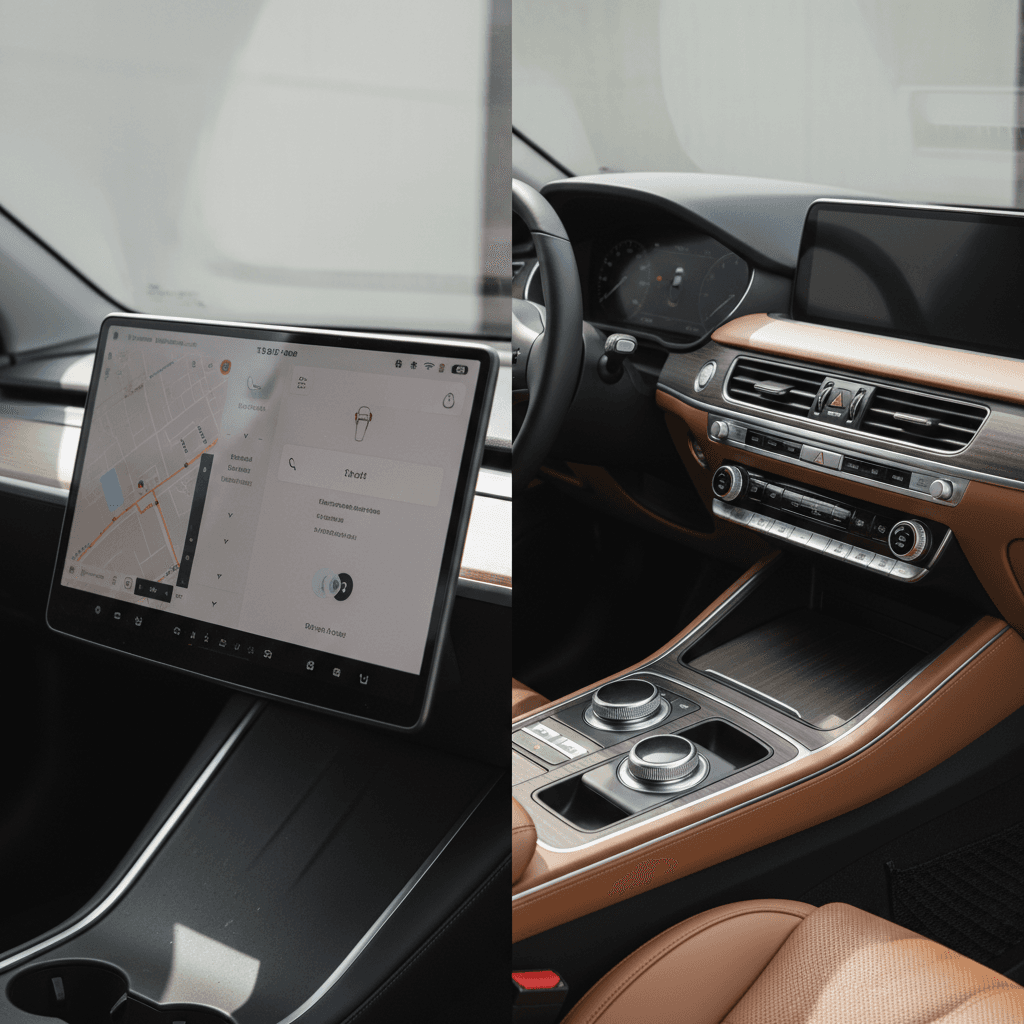
- Simplified, minimalist interior focused around a single center screen.
Genesis Electrified G80: quiet electric limousine
- Midsize luxury sedan with substantial rear-seat space and trunk.
- Dual‑motor AWD, about 282 miles of EPA range from an 87.2‑kWh battery.
- Extremely quiet, refined ride with a traditional, high‑end interior.
- Uses CCS fast charging and third‑party networks (Electrify America, etc.).
- Much rarer on the road; in the U.S. it’s been sold only in small numbers and has now been discontinued for new 2025+ model years.
Important note on availability
Pricing and value: new vs used
How the Model 3 and Electrified G80 line up on price
Approximate U.S. pricing as of early 2026, your local market and incentives will vary.
| Model | Typical new MSRP (when new) | Typical used asking (early‑life, low miles) | Segment |
|---|---|---|---|
| Tesla Model 3 RWD | ~$39,000–$41,000 after recent price changes and before incentives | ~$26,000–$32,000 depending on year and mileage | Premium compact EV sedan |
| Tesla Model 3 Long Range | ~$42,000–$47,000 | ~$30,000–$38,000 | Long‑range compact EV |
| Tesla Model 3 Performance | ~$50,000–$55,000 | ~$37,000–$45,000 | Performance compact EV |
| Genesis Electrified G80 Advanced | ~$75,000+ when new | ~$40,000–$55,000 depending on age and miles | Midsize luxury EV sedan |
The Model 3 plays in the premium compact segment; the Electrified G80 is a true midsize luxury sedan priced accordingly.
In dollar terms, the Electrified G80 starts out as a much more expensive car. New, it stickers in the mid‑$70,000s. Because it sold in low numbers and has now been discontinued, used pricing is quirky: you can sometimes find an Electrified G80 for similar money to a well‑equipped new or nearly new Model 3, but you’re always talking about a more expensive, more complex luxury product to maintain and repair.
Think "new Model 3" vs "lightly‑used Electrified G80"
Value highlights at a glance
If your priority is buying as much luxury metal as possible per dollar, a used Electrified G80 is compelling. If you care more about total cost of ownership, easy resale, and broad market support, the Model 3 has the edge. That’s especially true in the U.S., where Tesla’s volume and brand awareness are still far ahead of Genesis in the EV space.
Range, performance, and efficiency
Range and performance: Model 3 vs Electrified G80
Key specs for popular trims; figures are approximate and can vary with wheels, options, and testing cycles.
| Model | Drivetrain | Approx. EPA range | 0–60 mph (approx.) | Battery capacity |
|---|---|---|---|---|
| Tesla Model 3 RWD | RWD | ~270–280 miles | ~5.8 sec | ~60 kWh usable |
| Tesla Model 3 Long Range | AWD | ~330 miles | ~4.2 sec | ~75–80 kWh usable |
| Tesla Model 3 Performance | AWD | ~300 miles | ~3.0–3.2 sec | ~75–80 kWh usable |
| Genesis Electrified G80 | Dual‑motor AWD | ~282 miles | ~4.1–4.5 sec | 87.2 kWh (gross) |
Both cars are quick; the Tesla is more efficient and offers higher‑performance variants, while the Genesis emphasizes smooth, effortless power.
On paper, range is a wash: the Electrified G80’s 282‑mile EPA estimate is right in the same neighborhood as a Long Range Model 3. Where the Tesla separates itself is efficiency, it uses less energy per mile, so you pay less per mile in electricity and you get more flexibility on slower chargers.
Performance: both are properly quick
- Daily commuting: Either car has more than enough range for typical American commutes; differences here are academic unless you regularly run 200‑plus‑mile days.
- Cold‑weather driving: The Model 3’s stronger efficiency gives it a small real‑world edge when temperatures drop, though both will see range reductions in winter.
- Towing: Neither car is a dedicated tow rig. If towing matters, a crossover like a Tesla Model Y or Genesis GV60 is a better fit.
Charging experience and road trips
Charging: Tesla ecosystem vs CCS networks
Where and how you charge will shape your ownership experience.
Tesla Model 3 charging
- Native access to the Tesla Supercharger network, still the most reliable DC fast‑charging option in North America.
- Widespread support for NACS (Tesla) connectors means more future‑proofing as other automakers adopt the standard.
- Simple in‑car route planning with automatic Supercharger stops and real‑time stall availability.
- Excellent for long‑distance road trips; infrastructure is a major Tesla advantage.
Genesis Electrified G80 charging
- Uses the CCS standard and primarily relies on third‑party networks like Electrify America, EVgo, and others.
- Can charge at high DC rates for its class, but reliability of public CCS stations can vary more by location.
- Some owners will lean more on home Level 2 charging and use fast charging sparingly.
- On road trips, you’ll plan around specific CCS corridors instead of a unified, brand‑run network.
Road‑trip reality check
Charging questions to ask yourself before choosing
1. Do you have reliable home charging?
If you can install a 240‑V Level 2 charger at home, both cars become easy to live with. Without home charging, the Model 3’s Supercharger access is a major point in its favor.
2. How often do you road‑trip?
For one or two big trips a year, careful planning in an Electrified G80 is manageable. If you road‑trip monthly, Tesla’s network may save you headaches, especially in rural areas.
3. Are CCS fast chargers strong where you live?
In some metro corridors, CCS coverage is now very solid. In others, it’s patchier. Look at the real‑world station density and reliability in your area before committing to a CCS‑only car.
4. Will you share the car with less tech‑savvy drivers?
Tesla’s plug‑and‑charge Supercharger experience is exceptionally simple, helpful if someone in the household doesn’t want to learn multiple charging apps.
Comfort, space, and luxury
Genesis Electrified G80: classic luxury done right
- Spacious cabin with generous rear legroom, more like an executive sedan than a compact.
- High‑grade leather, real wood trim, and an interior design that feels warm and traditional.
- Extremely quiet at highway speeds; excellent sound insulation and ride comfort.
- Seats tuned for long‑distance comfort rather than aggressive bolstering.
- Trunk space is solid, though the battery packaging does eat into some cargo flexibility versus the gas G80.
Tesla Model 3: modern, minimal, efficient space
- Compact exterior footprint with decent interior room, but not as expansive as the G80.
- Minimalist, uncluttered cabin with a glass roof and one large central touchscreen.
- Supportive front seats; rear seat space and headroom are adequate but tighter for tall adults.
- Hatch‑like trunk opening plus a front trunk (frunk) adds useful cargo versatility.
- Ride quality ranges from firm to comfortable depending on wheels and tire choice; Performance trims can feel notably stiffer.
Who will appreciate the Electrified G80 most?
Tech, safety, and driver assistance
Software‑centric vs feature‑rich luxury tech
Both sedans are loaded with safety features, but they deliver tech in very different ways.
Infotainment & UX
Tesla Model 3
- Single 15‑inch central touchscreen controls nearly everything.
- Frequent over‑the‑air (OTA) software updates that can add features over time.
- Native navigation, streaming, and games; very smartphone‑like interface.
Genesis Electrified G80
- Traditional cluster plus central screen, with physical buttons and knobs.
- Apple CarPlay and Android Auto support, familiar for most drivers.
- Interface feels closer to a conventional luxury car.
Driver assistance
- Both cars offer advanced adaptive cruise and lane‑centering systems.
- Tesla’s Autopilot and optional more advanced features feel hands‑on but highly capable when used correctly.
- Genesis offers Highway Driving Assist, which is smoother and more conservative, with a more traditional feel.
Safety and ratings
- Both the Model 3 and the G80 platform have performed very well in crash testing.
- Standard active safety tech: automatic emergency braking, lane‑keeping aids, blind‑spot monitoring, and more.
- The specifics vary by model year and trim, so on a used car you’ll want to verify the exact safety equipment list.
Try both interfaces before you decide
Ownership costs and depreciation
EVs radically cut fuel and routine maintenance costs compared with gas cars, but there are still big differences between these two sedans when it comes to depreciation, service, and long‑term risk.
What it really costs to own each car
Tesla Model 3 ownership picture
- Lower initial price and huge installed base mean stronger resale and a deep used‑parts ecosystem.
- Service experience can be hit‑or‑miss by region, but most work is handled directly by Tesla mobile or service centers.
- Battery and drive‑unit warranties commonly run around 8 years with a six‑figure mileage cap, and most used buyers inherit the remaining coverage.
- Software updates can improve efficiency, features, or even performance over time, boosting perceived value.
Genesis Electrified G80 ownership picture
- High initial MSRP and low sales volume mean steeper depreciation curves, good news if you buy used, less so if you bought new.
- Genesis’ complimentary maintenance and valet services apply mainly during the new‑car warranty window; on used cars, factor in dealer labor rates.
- EV‑specific components may be pricier due to scarce aftermarket parts and limited technician experience compared with Tesla’s fleet.
- Because the car is now discontinued in the U.S., future parts and resale demand are harder to predict.
Discontinued model = extra homework
Which EV fits which buyer?
Match the car to the buyer, not the other way around
Best fit for the Tesla Model 3
You want the <strong>lowest running costs</strong> and strongest charging network support.
You prioritize <strong>modern tech and OTA software</strong> over traditional luxury materials.
You live in or near cities and suburbs where Teslas are common and service access is straightforward.
You’re okay with a firmer ride and a minimalist cabin, maybe you’re coming from a sport sedan or a compact SUV.
You want the option to choose between RWD, Long Range, and Performance trims to match your budget and driving style.
Best fit for the Genesis Electrified G80
You value a <strong>serene, traditional luxury interior</strong> and quiet ride above all else.
You routinely carry adult passengers in the rear seat and want real stretch‑out space.
You’re shopping used and want to take advantage of <strong>luxury‑car depreciation</strong> to get a lot of car for the money.
You do most of your driving locally with home charging and only occasional long trips.
You live near a Genesis dealer with demonstrated EV experience and are comfortable owning a rare, discontinued model.
Simple rule of thumb
How Recharged helps used EV shoppers
Whether you end up leaning toward a Tesla Model 3 or hunting for a rare Genesis Electrified G80, the real key with any used EV is understanding battery health, pricing, and how the previous owner treated the car. That’s exactly where Recharged comes in.
Why to consider shopping your used EV through Recharged
Recharged Score battery diagnostics
Fair market pricing and transparency
Financing, trade‑in, and delivery
Ready to find your next EV?
Browse VehiclesThe Tesla Model 3 and Genesis Electrified G80 don’t just compete; they speak to different kinds of drivers. One is the rational pick for most buyers: efficient, well‑supported, and easy to road‑trip. The other is an emotional choice: a low‑volume electric luxury sedan that delivers comfort and quiet that rivals traditional flagships. If you’re clear on your priorities, and you pair that with solid data on battery health and pricing, you can’t really make a wrong choice. And if you want help making those trade‑offs, Recharged is built to walk you through the decision step by step.