If you’re looking at a Tesla Model 3 in 2026, you’re probably not asking what the **EPA range** is, you want to know how far you’ll really go on I‑95 in winter, with luggage, kids, and the climate control doing its thing. This guide breaks down Tesla Model 3 real‑world range in 2026 by trim, speed, weather, and age of the battery, and then connects it to what you should look for when you buy new or used.
A quick note on 2026 data
Why real-world range matters more than EPA numbers
Tesla’s marketing has long leaned on big range numbers, but those are **laboratory figures**, not road‑trip guarantees. For 2024 and newer, the EPA tightened its procedures and Tesla trimmed some of its claims, but there’s still a gap between the sticker and what you’ll see on a real drive.
- EPA tests mix gentle city and highway cycles at moderate speeds and temperatures.
- Real driving usually means higher speeds, more HVAC use, elevation changes, and less‑than‑perfect traffic.
- You rarely drive from 100% down to 0%, most owners use roughly 10–90% of the pack day‑to‑day.
Don’t plan trips off EPA range alone
Tesla Model 3 lineup in 2026 and EPA range ratings
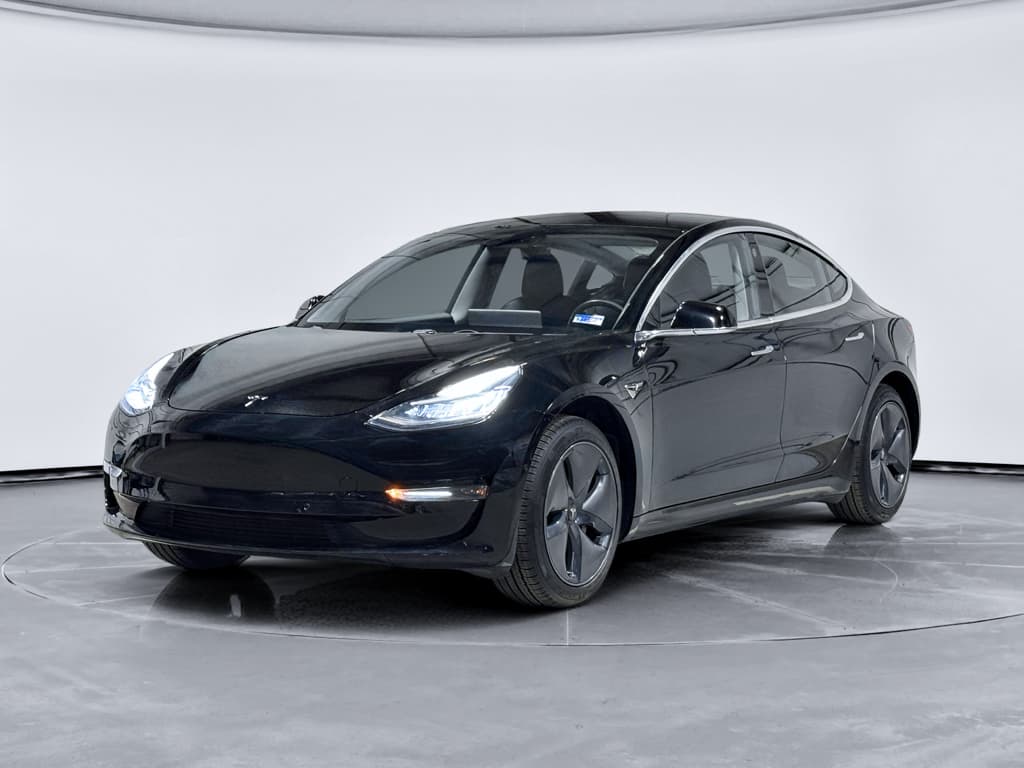
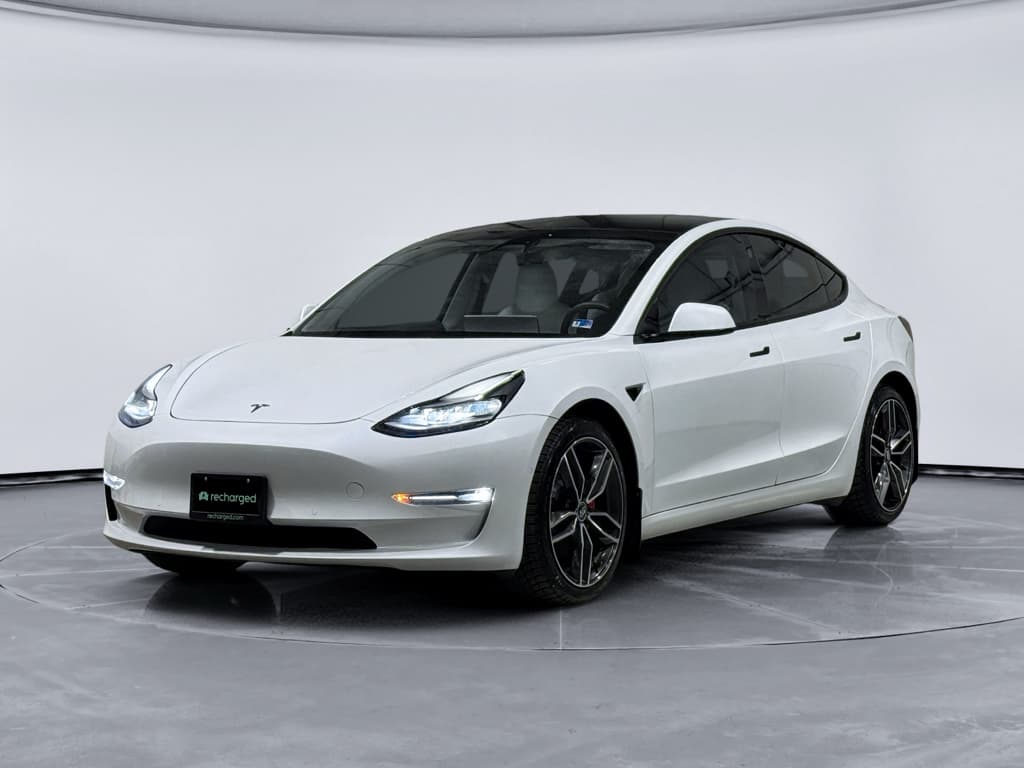
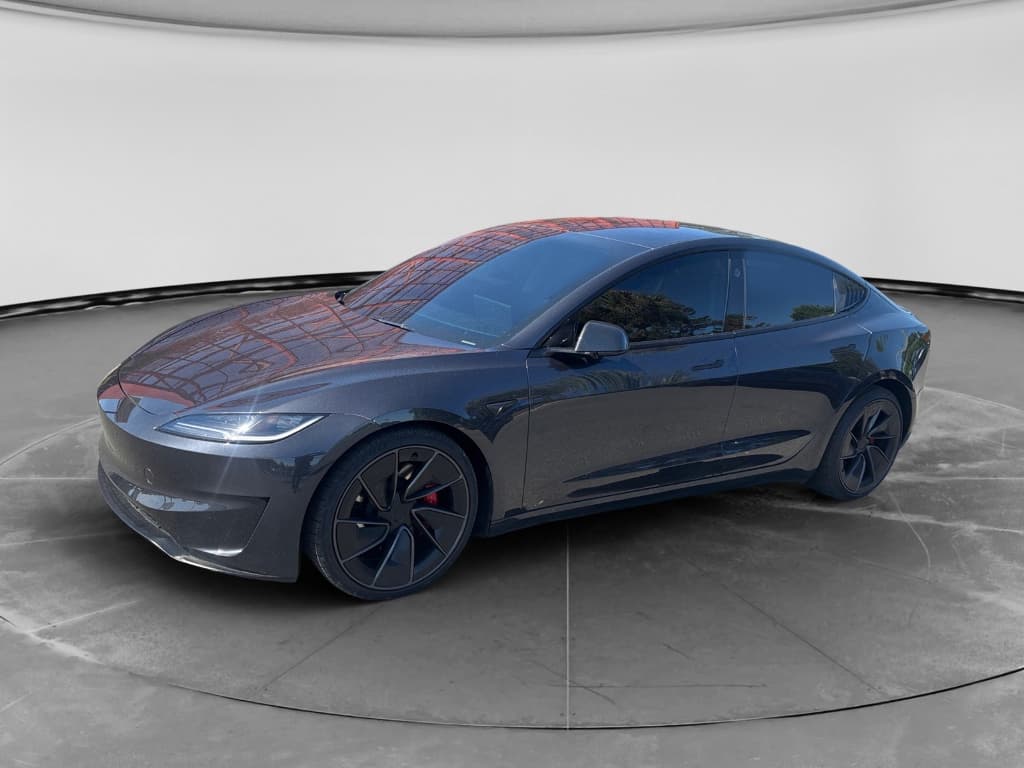
By 2026, the U.S. Tesla Model 3 lineup is built around the refreshed "Highland" design, with updated aerodynamics, suspension tuning, and efficiency improvements. Exact EPA figures can shift with wheels and options, but here’s the ballpark for the mainstream trims you’ll actually see in showrooms and on the used market:
Approximate 2026 Tesla Model 3 EPA range ratings (U.S.)
These are representative EPA combined-range figures for popular 2024–2026 Model 3 configurations. Always check the Monroney label or Tesla’s configurator for the exact car you’re considering.
| Model / Year | Battery & Drive | Typical Wheels | Approx. EPA Range (mi) |
|---|---|---|---|
| 2026 Model 3 RWD | LFP, single motor RWD | 18" aero | ~270 |
| 2026 Model 3 Long Range | NMC, dual motor AWD | 18" aero | ~340 |
| 2026 Model 3 Performance | NMC, dual motor AWD | 20" performance | ~300 |
| 2021–2023 Model 3 RWD | LFP or NMC RWD | 18" | 250–272 |
| 2018–2020 Model 3 Long Range | NMC, dual motor AWD | 18" | 310–322 |
Use these EPA ratings as a starting point, real‑world range will usually be lower, especially at highway speeds and in cold weather.
LFP vs NMC batteries in plain English
Real‑world range in 2026 by trim and driving scenario
Let’s translate those EPA numbers into what you can realistically expect on the road in 2026. The table below assumes a healthy battery, mild temperatures (around 60–75°F), relatively flat terrain, and no heavy headwinds.
2026 Tesla Model 3 real‑world range estimates (mild weather)
Approximate real‑world ranges starting from 100% charge, with a 5–10% buffer left at the end. Actual results will vary with terrain, wind, driving style, and tires.
| Model / Trim | Scenario | Typical Speed | Usable Real‑World Range (mi) |
|---|---|---|---|
| 2026 Model 3 RWD | Suburban / mixed | 35–55 mph | 230–250 |
| 2026 Model 3 RWD | Highway road trip | 70–75 mph | 200–220 |
| 2026 Model 3 Long Range AWD | Suburban / mixed | 35–55 mph | 290–310 |
| 2026 Model 3 Long Range AWD | Highway road trip | 70–75 mph | 260–290 |
| 2026 Model 3 Performance | Suburban / mixed | 35–55 mph | 250–270 |
| 2026 Model 3 Performance | Highway road trip | 70–75 mph | 220–250 |
Think of these as conservative planning numbers, not upper limits. Careful driving can beat them; aggressive driving can undercut them quickly.
Highway tests back this up
Highway vs city: how speed kills (or saves) your range
Aerodynamic drag rises with the square of your speed, and power demand roughly with the cube. That’s why cruising at 80 mph versus 65 mph in a Model 3 can be the difference between a relaxed two‑stop trip and a white‑knuckle third stop at 5% battery.
How speed changes your Tesla Model 3 range
Same car, same weather, dramatically different outcomes depending on how fast you drive.
City / low‑speed driving
At 25–45 mph with lots of coasting and regen, the Model 3 is extremely efficient.
- Can beat EPA in mild weather
- Stop‑and‑go isn’t as punishing as in gas cars
- Best case for squeezing every mile
Typical U.S. highway (65–75 mph)
This is where most road‑trip miles happen.
- Expect ~75–90% of EPA
- Biggest hit if you run 75–80 mph
- Headwinds and rain matter a lot
Very high speed (80+ mph)
Legally questionable in many places, and rough on range.
- Consumption can jump 20–30% vs 70 mph
- Pack heats more, cooling uses extra energy
- Charging stops become more frequent and longer
A simple highway rule of thumb
Winter range: what happens when temperatures drop
Cold weather is where the gap between EPA and reality really opens up. Batteries are less efficient when cold, and you’re pulling extra energy for cabin heat, heated seats, and defrost. Tesla’s heat pump and smart thermal management help, but physics still wins.
Typical Tesla Model 3 winter range impact
In practical terms, a 2026 Model 3 Long Range that comfortably does 260–290 miles at 70–75 mph in mild weather may feel more like a 180–220‑mile car in a northern U.S. winter at the same speeds. The RWD car’s smaller pack means you’ll feel the hit sooner, even though its efficiency stays strong.
Short winter trips are the worst case
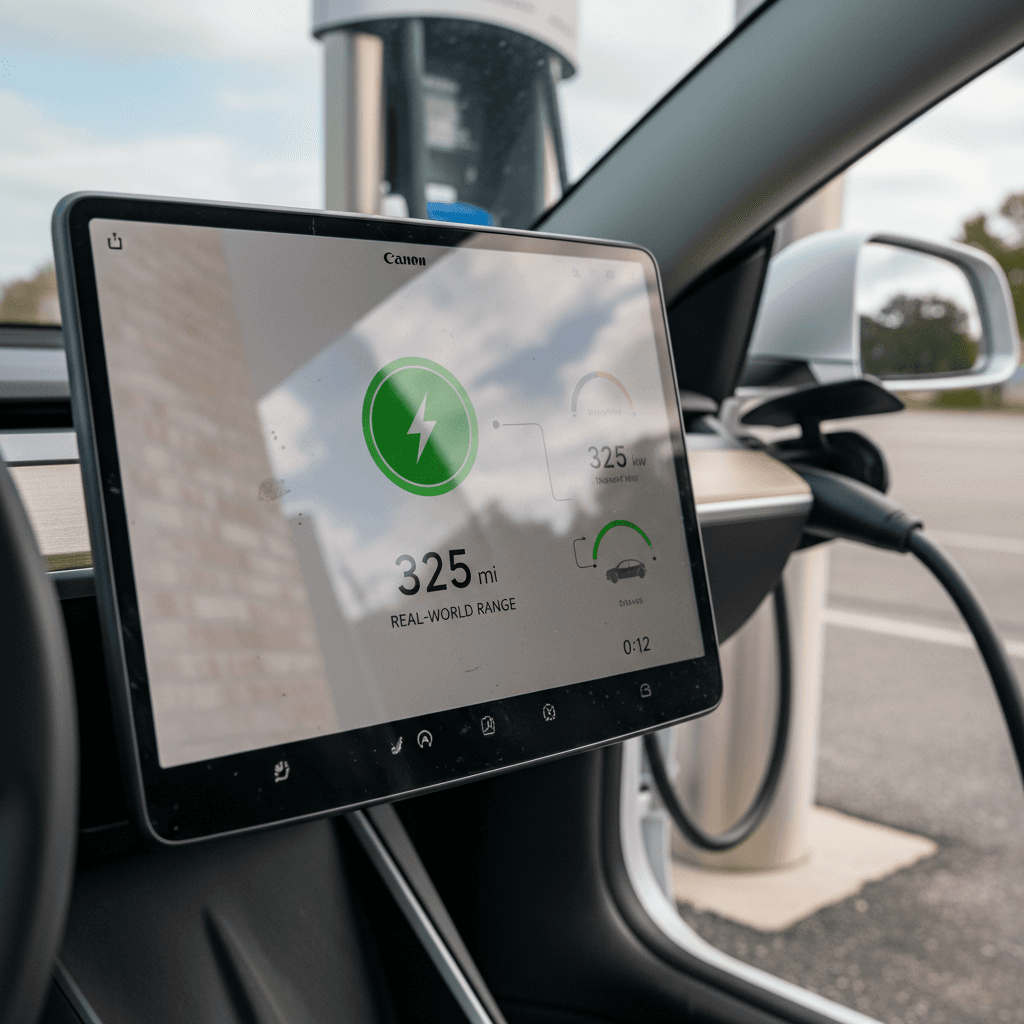
Battery degradation: what to expect on used Model 3s
If you’re shopping used, you care about **real‑world range in 2026** on a car that might have been built in 2018, 2020, or 2022. The good news: Tesla packs tend to hold up better than early EV skeptics predicted. The nuance: degradation isn’t linear, and use patterns matter.
What long‑term data shows
- Most Model 3 packs lose a noticeable chunk (5–10%) in the first 50,000 miles.
- Beyond that, degradation generally slows; many cars sit in the 10–15% loss band well past 100,000 miles.
- LFP packs in newer RWD trims tend to age especially gracefully if you charge them fully and drive them often.
Real‑world impact on range
- 2018 Model 3 Long Range that started at 310–322 EPA miles might realistically be a 240–260‑mile highway car in 2026.
- Early SR/SR+ cars that started around 220–250 EPA miles often behave like 160–190‑mile highway cars today.
- Well‑cared‑for cars can beat these figures; heavily fast‑charged or abused cars can fall short.
Why odometer alone doesn’t tell the story
How to estimate your own real‑world range
Whether you already own a Model 3 or you’re test‑driving one, you can get a surprisingly good handle on its **personal real‑world range** with a bit of structured observation instead of guesswork.
5‑step method to estimate your Model 3’s real range
1. Start from a realistic state of charge
Charge to a level you’d actually use on trips (80–90% for NMC packs, up to 100% is fine for LFP RWD). Note the starting percentage and the rated miles shown.
2. Drive a consistent test loop
Pick a 30–50 mile loop that mixes the speeds you care about, say, 70 mph highway plus some suburban roads. Avoid big elevation changes if you can.
3. Log your consumption
Watch the energy screen (Wh/mi). After the loop, note distance driven, energy used, and remaining state of charge. The trip computer makes this easy.
4. Extrapolate cautiously
If you drove 60 miles using 25% of the battery, that implies around 240 miles from 100% to 0%. For planning, trim 10–15% off to leave a buffer.
5. Repeat in different conditions
Do the same loop in winter, in rain, and with a full load. Over time you’ll build your own mental model of how your car behaves in specific scenarios.
Use the car’s trip planner, but sanity‑check it
Practical tips to maximize your Model 3’s range
You can’t change physics or battery chemistry, but you can stack the deck in your favor. These are the levers that realistically move the needle on **Tesla Model 3 real‑world range in 2026**, especially on road trips and in harsh weather.
High‑impact ways to stretch your Model 3’s range
Prioritize these changes before you obsess over tiny aero tweaks.
Drive a little slower
Dropping from 78 mph to 68 mph often saves more range than any other single change you can make.
- Improves comfort and safety
- Can cut energy use by 15–25%
- Reduces how often you need fast charging
Precondition in winter
Use shore power to warm the pack and cabin before you unplug.
- Reduces cold‑soak losses
- Restores regen braking sooner
- Keeps windows and mirrors clear without hammering the battery
Check tires and wheels
Range‑oriented 18" wheels and proper tire pressure matter.
- Aero wheels beat big performance wheels
- Under‑inflated tires quietly eat range
- Winter tires add safety but cost a bit of efficiency
- Use seat and steering‑wheel heaters instead of blasting cabin heat when possible.
- Avoid unnecessary roof racks and cargo boxes, they add a surprising amount of drag.
- On long trips, aim for more frequent charges between ~10–60% rather than one big 5–95% session; this keeps you in the fastest part of the charging curve.
- Keep software up to date, Tesla periodically tweaks efficiency, thermal management, and trip predictions.
Shopping used? How Recharged helps you buy for range
When you’re buying a new Tesla from the factory, you know exactly what pack and rating you’re getting. With a used Model 3, you’re buying the car’s history, charging habits, climate, road‑trip duty cycle, and that history directly shapes **how much real‑world range it still has in 2026**.
What the Recharged Score tells you about range
Why this matters for Model 3 buyers
- You can compare a 2018 Long Range vs a 2022 RWD on more than just odometer and price.
- Battery health and projected real‑world range are baked into our pricing guidance, so you’re not overpaying for a tired pack.
- If you’re trading in or selling, a strong battery report can help justify your asking price.
End‑to‑end EV‑specialist support
- EV‑savvy advisors help you pick the right trim and year for your actual commute and road‑trip patterns.
- Nationwide delivery and a fully digital purchase flow mean you can shop the best‑ranged cars, not just what’s on the nearest lot.
- Financing, trade‑in, and consignment options streamline the shift from your current car into a Model 3 that truly matches your range needs.
FAQ: Tesla Model 3 real‑world range
Frequently asked questions about Tesla Model 3 real‑world range in 2026
Bottom line: what 2026 buyers should take away
The 2026 Tesla Model 3 remains one of the most efficient EVs you can buy, new or used, but the numbers that matter are the ones that survive contact with real roads, real weather, and real driving habits. In day‑to‑day use, you should expect about 75–90% of EPA range in good conditions and a deeper haircut in winter, with older packs shaving off another 10–15% depending on history.
If you calibrate your expectations around those real‑world figures and buy with battery health front and center, the Model 3 delivers more than enough range for commuting and confident road‑tripping. And if you’re stepping into the used market, working with a specialist like Recharged, where every car includes a transparent battery and range report, turns range from a source of anxiety into one more data point you can use to get a fair deal.