If you’ve just bought an electric car, especially a used one, it’s natural to wonder whether your factory **all-season tires** are really enough for winter, or if your EV needs dedicated **winter tires**. With more weight, instant torque and regenerative braking, EVs ask more of their tires than gas cars do, and the wrong choice shows up fast in stopping distance, confidence and even range.
Quick take
Why tires matter even more on EVs
Tires are the only part of your EV that actually touch the road, and each contact patch is roughly the size of your hand. That’s true for any car, but EVs add three twists: weight, torque and silence. Most electric vehicles are **20–30% heavier** than comparable gas models because of the battery pack, so each tire carries more load. The motor’s instant torque can spin the tires more easily on slick surfaces. And because EVs are quieter, you’ll notice tire noise, harshness and balance issues sooner.
EVs, winter and your tires by the numbers
Safety beats range
EV all-season vs winter tires: the basics
All-season tires (including EV-specific)
- Rubber compound: Designed to stay flexible from roughly 40°F to hot summer pavement, but stiffens as temperatures drop below freezing.
- Tread design: Compromise pattern for dry, wet and light snow. Shallower grooves and fewer biting edges than a winter tire.
- EV twist: Many OE EV all-seasons focus on low rolling resistance to protect range and low noise for cabin comfort.
- Best for: Moderate climates, mostly plowed roads, drivers who rarely see deep snow or ice.
Winter (snow) tires
- Rubber compound: High-silica, soft compound that stays pliable in cold temps so the tread can bite into snow and ice.
- Tread design: Deeper grooves, lots of small cuts called sipes that create biting edges and pump away slush and water.
- EV twist: Increasingly offered in EV-specific versions that support higher weight and keep noise in check.
- Best for: Regular driving below ~40°F, frequent snow/ice, unplowed roads or steep hills.
Look for the right symbol
Where all-season tires are enough for an EV
If you live where winter mostly means cold rain and the occasional dusting of snow that melts by lunchtime, a well‑chosen all-season (or true all‑weather) tire can be a perfectly sensible choice for your EV. Modern premium all-season tires have narrowed the gap to winter tires in independent tests, especially in **moderate winters** where roads are usually plowed and treated quickly.
Signs your EV can likely stay on all-seasons
Applies to both new and used electric vehicles
You rarely see deep snow
If your roads are clear more often than they’re white, and you don’t regularly drive through more than a couple of inches of snow, quality all-seasons may be fine.
Temps hover above 20°F
In many coastal or southern regions, pavement temps don’t stay far below freezing for long. All-seasons still maintain reasonable grip here.
Mostly city & suburban driving
Stop‑and‑go traffic on well‑maintained streets is kinder to all‑season tires than high‑speed highway slogs in blowing snow.
Elevate your all-seasons
When your EV really needs winter tires
The rule of thumb is simple: if you wouldn’t skip a winter jacket, don’t skip winter tires. That’s even truer in an EV, where extra weight and torque can overwhelm marginal grip quickly. Winter or all‑weather tires with the 3PMSF symbol become less of an upgrade and more of a necessity when conditions stack up against you.
You probably need winter tires if…
1. Temperatures stay below 40°F for weeks
Rubber hardens as it gets cold. Even the best all-season tires lose grip as temps sit near or below freezing. Winter compounds stay pliable, so your EV can steer and stop predictably.
2. You see packed snow or ice regularly
Bridges, shaded backroads and overnight storms mean slick surfaces even when main roads look wet. Winter tires’ aggressive tread and siping dramatically shorten stopping distances here.
3. You live in hilly or rural areas
Climbing or descending hills on cold, slick pavement is where weight works against an EV. Winter tires help you get moving and, more importantly, keep you from sliding when you slow down.
4. You rely on your EV every day
If your EV is your only car, or your family hauler, winter downtime isn’t optional. Dedicated snow tires are cheap insurance compared with a fender bender or missed days of work.
5. You’re new to EVs or winter driving
If you’re learning how regen feels on ice or how quickly your new EV accelerates in the cold, extra traction buys you a bigger margin for error.
Don’t run summer tires in winter
EV-specific differences: grip, weight and regen
On paper, tire tests don’t always distinguish between EVs and gas cars. On the road, it feels different. Your EV’s battery adds hundreds of pounds, and the motor delivers full torque instantly. Then there’s **regenerative braking**, which uses the motor to slow the car and feed energy back into the battery. All three change the way tires work at the limit.
Heavier vehicles, smaller contact patches
- The extra EV weight increases the load on each tire, especially during braking and cornering.
- That added load can actually help snow traction, more weight pushes the tread into the snow, but it punishes any tire that’s marginal or worn.
- Choose tires with the proper load index and, for many EVs, an XL (extra load) rating so the casing is built for the job.
Regen braking and traction control
- In slippery conditions, aggressive regen can lock up a lightly loaded axle, especially on rear‑drive EVs lifting off the throttle mid‑corner.
- Winter tires give the traction control system more to work with, so it can manage regen without constant wheelspin or ABS pulsing.
- Many EVs let you reduce regen in snow; do that, then let your winter tires and brakes share the work.
Dial back regen on slick days
How tire choice affects EV range in winter
In cold weather, most EVs lose **20–40% of their rated range**. Tires are only one piece of that puzzle, but they do matter. Winter compounds, deeper tread blocks and more aggressive patterns generally increase **rolling resistance**, the effort it takes to keep the tire rolling. That extra drag can shave a few percent off your efficiency compared with the low‑rolling‑resistance all-season tires that came on your car.
All-season vs winter tires: typical EV range impact
Actual numbers vary by tire model, vehicle and temperature, but this gives you a ballpark comparison.
| Tire type | Conditions | Relative rolling resistance | Approximate range impact |
|---|---|---|---|
| OE low‑rolling‑resistance all-season | Mild temps, dry or wet roads | Baseline | 0% (reference) |
| Premium all-season / all-weather | Cold rain, light snow | Slightly higher | ~1–3% less range |
| Dedicated winter tire | Sustained cold, snow/ice | Higher | ~3–8% less range |
| Aggressive studded winter | Extreme ice, deep snow | Highest | Up to ~10% less range |
Think of winter tires as a small range penalty that buys you a large safety margin.
Grip vs efficiency
Cost, longevity and swapping strategies
Here’s the part most EV owners overlook: running two sets of tires, one for summer, one for winter, doesn’t necessarily double your costs. You’re wearing out whichever set is on the car, so the mileage spreads across both. The real questions are up‑front cost, swapping hassle and storage space.
Common EV tire strategies for four-season climates
Pick the approach that fits your weather, budget and storage
One set of all-weather tires
What it is: A single set of 3PMSF-rated all-weather tires you run year-round.
- Simplest and often cheapest up front.
- Great for moderate winters with mostly plowed roads.
- May wear faster in hot climates than dedicated summer tires.
All-season + winter set
What it is: Standard or EV-specific all-season tires for three seasons, plus a dedicated winter set on separate wheels.
- Best performance in both summer and winter.
- Higher up-front cost but both sets last longer.
- Requires swap twice a year and storage space.
Mounted winter wheel–tire package
What it is: Complete winter wheels with tires mounted and balanced.
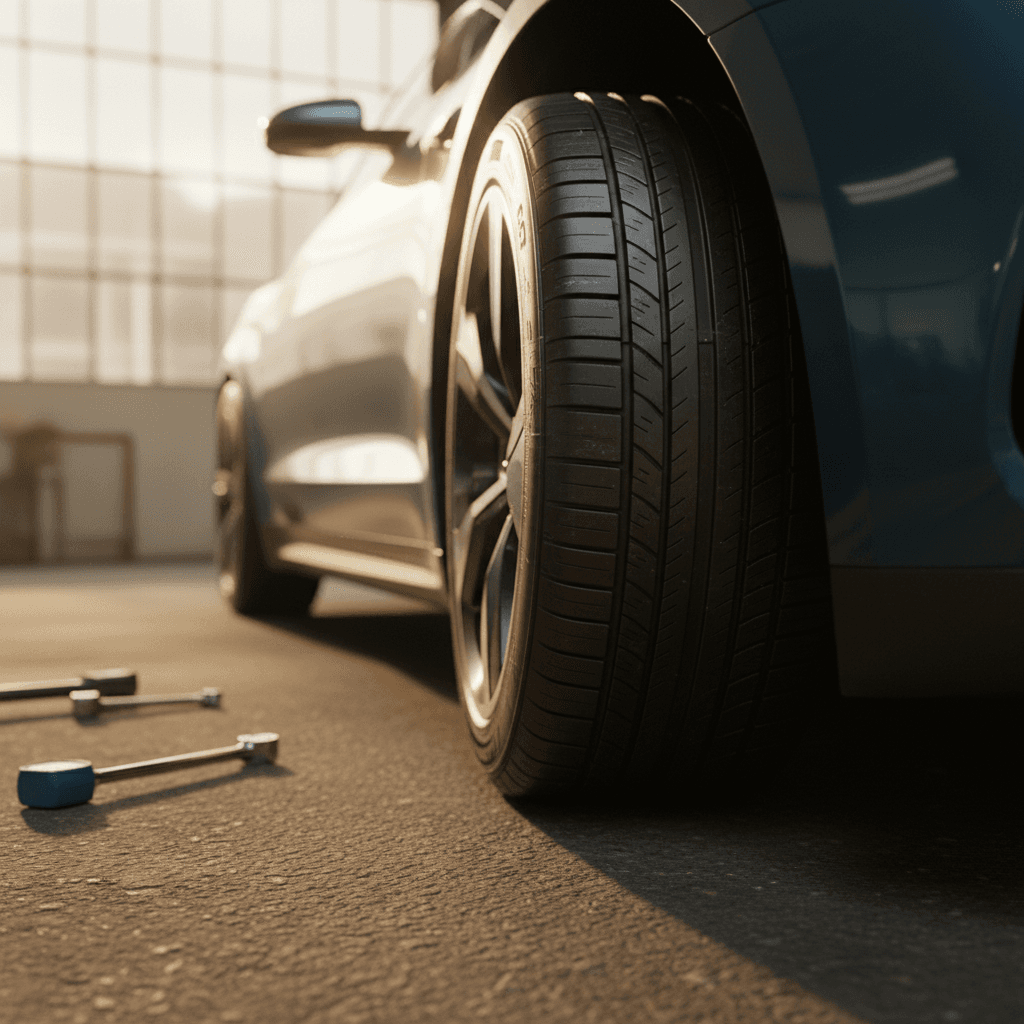
- Quick home swap with a jack and torque wrench.
- Protects your expensive OE aero wheels from winter abuse.
- Higher initial cost, but tire shops often charge less to mount this way.
Good news for used EV buyers
EV tire buying checklist
When you’re ready to choose between all-season and winter tires for your EV, or pick specific models, use this checklist to keep the important bits straight. Whether you’re bolting tires onto your current car or inspecting a used EV, the same principles apply.
Checklist: choosing the right tires for your EV
1. Match your climate, not your calendar
Think about your worst 4–6 weeks of weather, not average days. If that window means sustained freezing temps and real snow or ice, lean strongly toward winter or all-weather tires with the 3PMSF symbol.
2. Confirm load and speed ratings
Check the tire’s load index and look for XL (extra load) where your EV requires it. Never downsize ratings compared with the factory spec, especially on heavier battery-electric SUVs and crossovers.
3. Look for winter performance tests
For all-seasons, dig into independent test data on wet braking and snow traction. Some non‑EV‑branded tires outperform OEM EV tires when things get slippery.
4. Consider noise and comfort
EVs are quiet, so tire roar stands out. Many winter tires are louder, but some EV‑specific winter models and premium all-weathers balance grip with civilized noise levels.
5. Plan for storage and swaps
If you go with a two‑set solution, decide where those off‑season tires will live and whether you’ll DIY the changeovers or book a seasonal appointment with a shop.
6. Inspect tread depth on used EVs
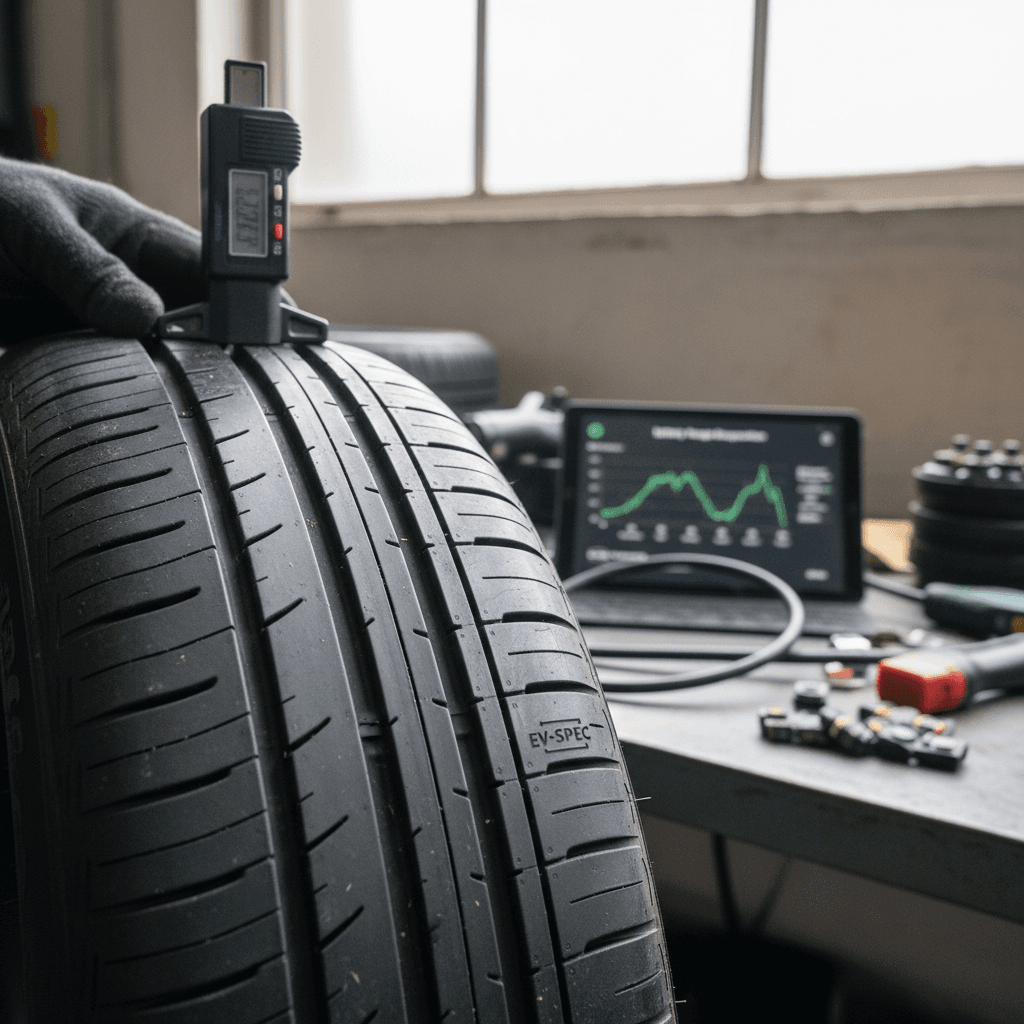
If you’re buying used, measure tread depth and check for uneven wear, cupping or sidewall damage. Aggressive winter driving and extra EV weight can chew through marginal tires quickly.
Common EV winter tire mistakes to avoid
- Running worn all-season tires through “just one more” winter, hoping traction control will save you.
- Leaving aggressive one‑pedal regen engaged on glare ice with no winter tires to back it up.
- Assuming an “EV” badge on the sidewall automatically means better winter performance.
- Ignoring tire pressures, cold weather drops PSI, which can hurt both grip and range if you never top up.
- Mixing tire types front to rear (for example, winter tires on the drive axle only), which can make your EV’s handling unpredictable in an emergency.
Don’t mix and match
FAQs: EV all-season vs winter tires
Frequently asked questions
How Recharged helps you get winter-ready
The bottom line in the EV all-season vs winter tires debate is simple: match your tires to the worst weather you actually drive in, and remember that a heavier, torquier EV puts more pressure on those four small contact patches. A few percent of range is a small price to pay for stopping 20 feet sooner on an icy night.
If you’re shopping for a used EV, Recharged makes it easier to go into winter with your eyes open. Every vehicle on our marketplace comes with a Recharged Score Report so you can see verified battery health and how the car was equipped and cared for. Our EV specialists can talk through your local climate, recommend tire strategies and even help you plan financing, trade‑in and other winter prep so your next electric car feels confident all year long.