If you’re searching for a Tesla Model 3 long term review in 2026, you’re probably past the hype and focused on the hard questions: How does the battery hold up? What actually breaks? And is a used Model 3 still a smart buy now that there are so many other EVs on the market?
The short version
Why this Tesla Model 3 long-term review matters in 2026
The first U.S. Tesla Model 3s hit driveways in late 2017. That means early cars are now 7–8 years old, and even 2020–2021 examples have racked up serious mileage. At the same time, prices on the used market have come down, making a Model 3 one of the most accessible ways to get into a long-range EV, if you pick the right one.
Tesla Model 3 long-term ownership snapshot (2026)
This review focuses on what long-term data is showing in 2026 and, just as importantly, how to separate a great used Model 3 from one that might become an expensive science experiment.
Tesla Model 3 generations: what’s changed by 2026?
Not all Model 3s age the same. Before you judge long-term reliability, it helps to know which version you’re looking at. Broadly, there are three “eras” you’ll see on the used market in 2026:
Tesla Model 3 generations and what they mean used
Key differences between early, mid-cycle, and Highland Model 3s from a long-term ownership perspective.
| Model years | Nickname | Key traits | What it means used |
|---|---|---|---|
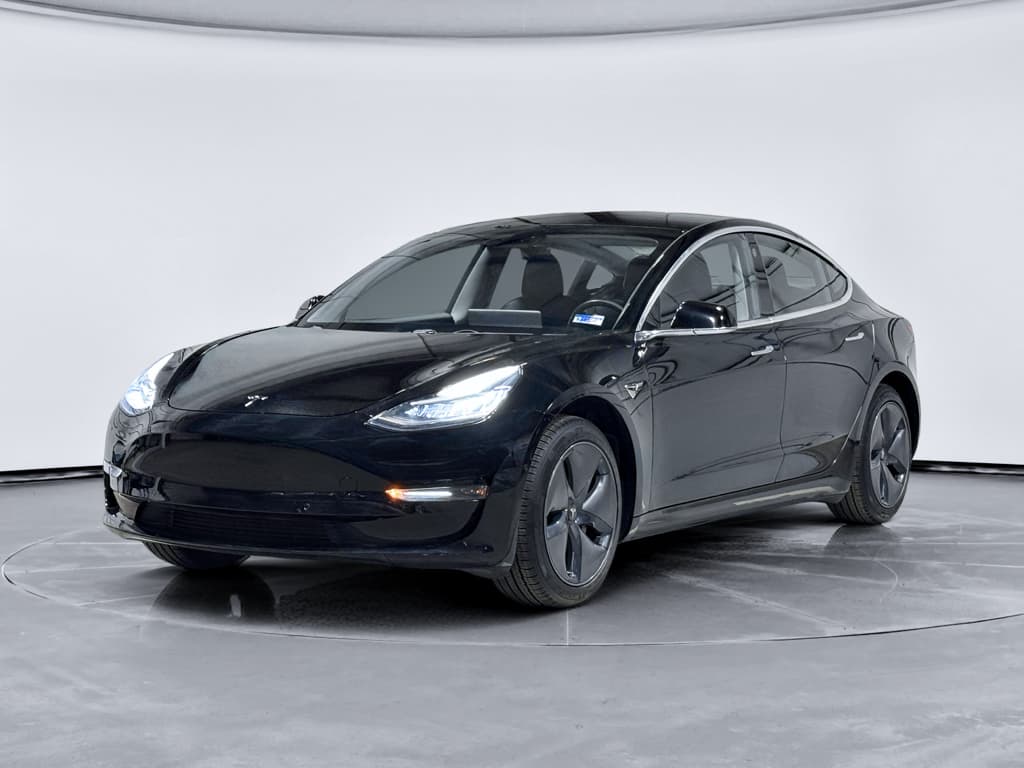
| 2017–2020 | Early Model 3 | First production years, mostly nickel-based batteries, no heat pump, more build-quality variation. | Can be bargains, but inspect more carefully for interior wear, paint, panel gaps, and suspension noises. |
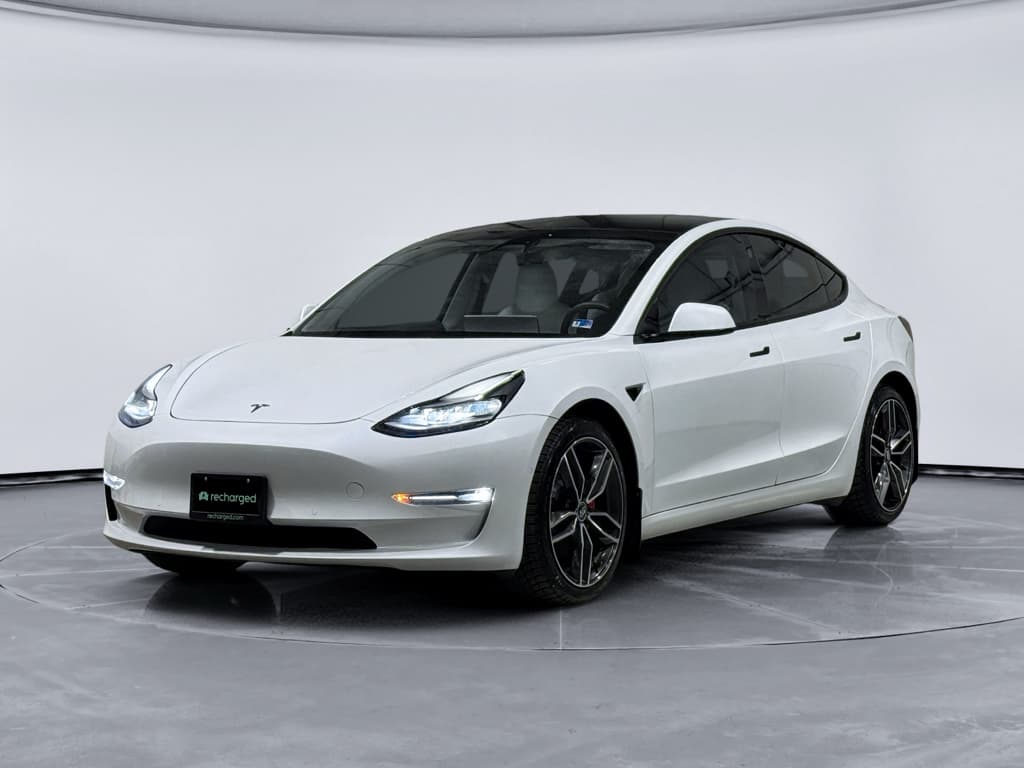
| 2021–2023 | Refined pre-Highland | Adds heat pump, better build quality, more mature software; mix of nickel and LFP packs depending on trim. | Often the best balance of price, efficiency, and refinement for long-term ownership. |
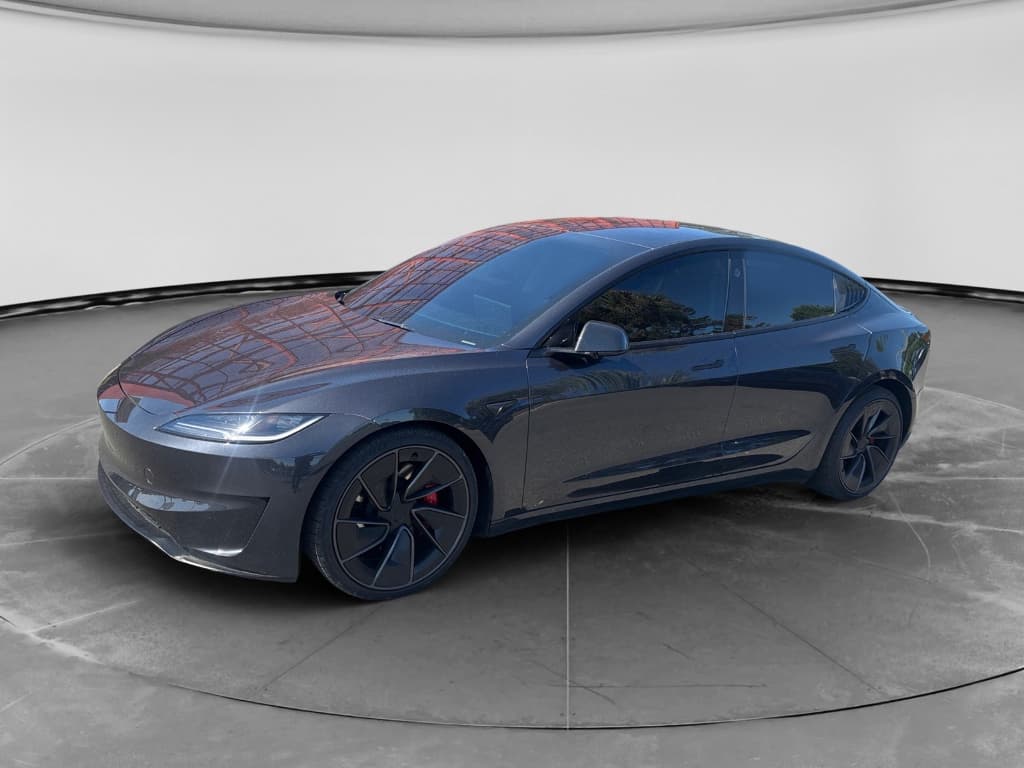
| 2024–2026 | “Highland” refresh | Revised suspension and aero, quieter cabin, updated interior and screens, slightly better efficiency. | Too new for deep long-term data, but early signs suggest similar or improved durability with better comfort. |
Use this as a quick decoder for any used Model 3 listing you’re considering.
How to tell what you’re looking at
Battery degradation: how do high-mileage Model 3s hold up?
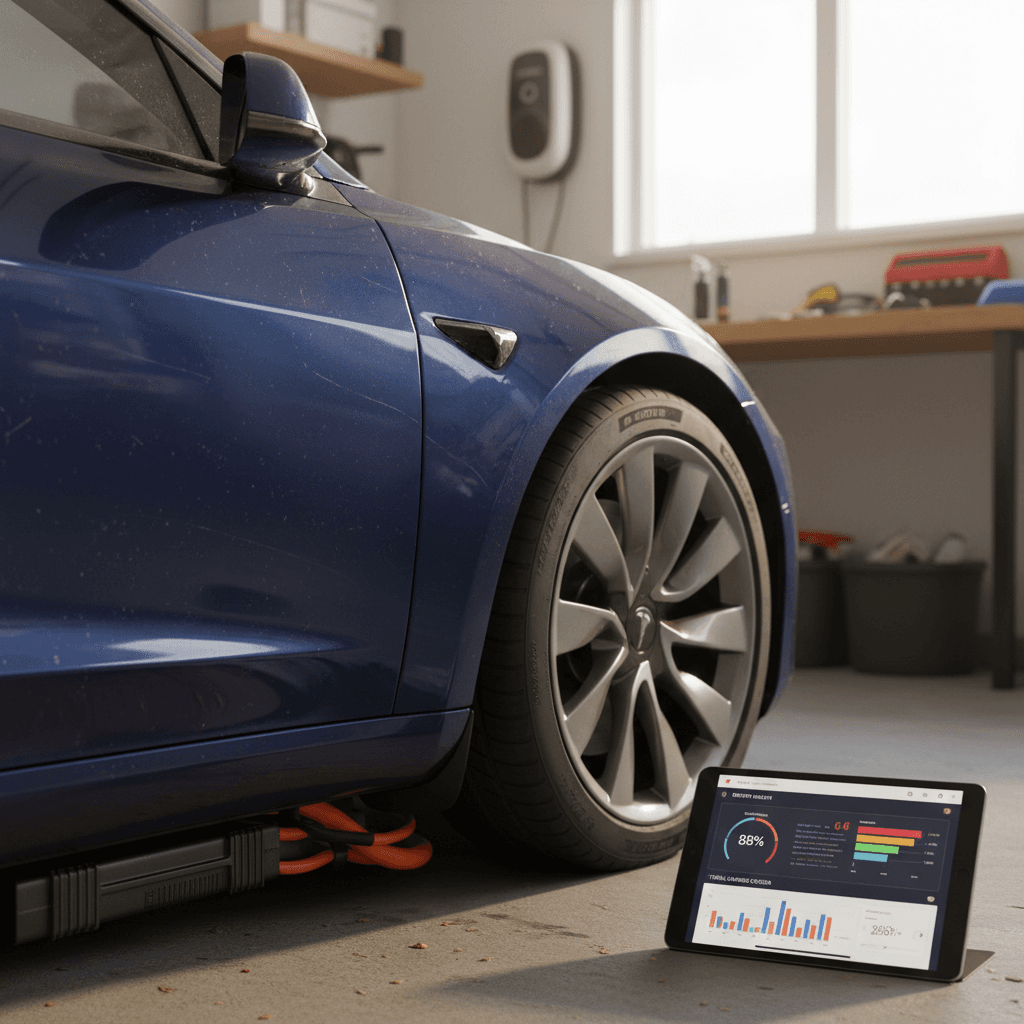
Battery life is the make‑or‑break question in any Tesla Model 3 long term review. The good news: real‑world data from high‑mileage owners has consistently shown that the Model 3’s pack chemistry is robust when not abused.
Typical battery behavior over time
What owners and data tools are seeing by 2026
0–50k miles
Most Model 3s lose a noticeable chunk of range early on, often 5–8% within the first few years. That’s normal cell chemistry settling, not a sign of failure.
50k–150k miles
Degradation tends to slow. Many owners report total loss in the 10–15% range by ~100,000 miles with normal use and mostly DC‑fast‑charging‑free habits.
150k+ miles
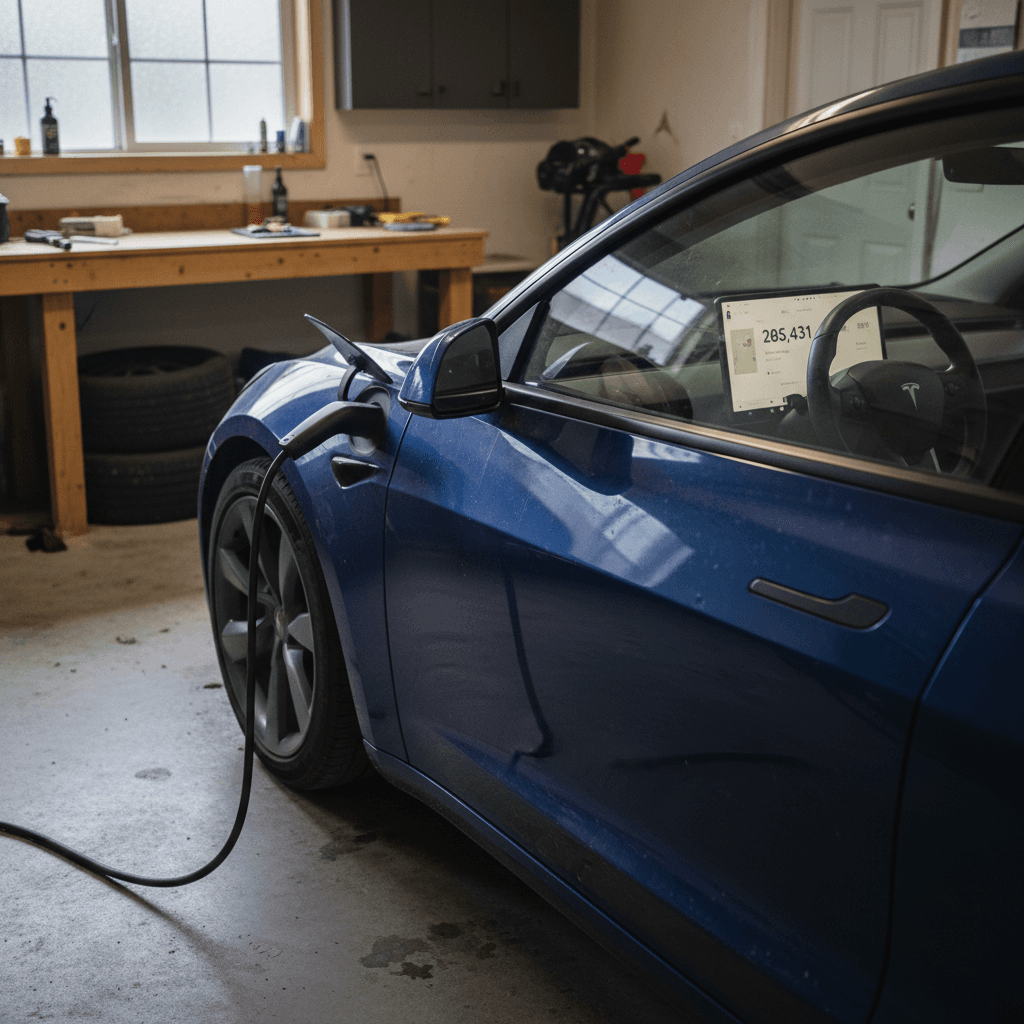
Beyond ~150,000 miles, the spread widens. Cars used heavily on fast charging or in extreme heat can show larger losses; gently used cars can remain surprisingly close to their mid‑life capacity.
Why the averages don’t tell your whole story
LFP vs nickel batteries: different aging patterns
Many rear‑wheel‑drive Model 3s now use LFP (lithium iron phosphate) packs, while Long Range and Performance trims use nickel‑based chemistries (NCA/NCM). LFP tends to prioritize longevity over outright energy density and is happier living at a higher state of charge, while nickel‑based packs deliver more range in the same footprint but can be more sensitive to being kept at 100% for long periods.
LFP Model 3 packs
- Best on RWD trims in later model years.
- Prefer frequent full charges (to 100%) for accurate range estimates.
- Real‑world reports suggest slow, steady degradation when not abused.
- Great for city drivers who charge at home and want predictable range.
Nickel-based packs (Long Range, Performance)
- Higher energy density and more range per charge.
- Do best when daily charge is limited to 70–90% except on trips.
- More sensitive to sustained high SOC and frequent DC fast charging.
- Ideal for frequent long‑distance drivers who can manage charging habits.
How Recharged derisks battery uncertainty
Real-world cost of ownership: 3–8 years in
When you zoom out beyond the monthly payment, the Model 3’s economics are where it still shines in 2026. Electricity is cheap per mile, maintenance is light, and depreciation has finally normalized after the wild swings of the early‑2020s EV market.
Illustrative 5-year cost snapshot for a Tesla Model 3
Approximate cost ranges from multiple ownership cost analyses for a Model 3 driven ~12,000 miles per year in the U.S.
| Cost category (5 yrs) | Typical range | What drives it |
|---|---|---|
| Energy (home charging heavy mix) | $3,000–$4,500 | Your local electricity rate and how much you rely on DC fast charging vs. off‑peak home charging. |
| Maintenance (excluding tires) | $2,000–$3,500 | Cabin filters, wipers, brake fluid, A/C service, and small wear‑and‑tear items; no oil changes. |
| Tires | $1,500–$3,000 | Performance trims and 19–20" wheels wear tires faster than base 18" Aero setups. |
| Repairs out of warranty | $0–$4,000+ | Some owners see almost nothing; others encounter suspension work, cosmetic fixes, or electronics out of warranty. |
| Insurance | $10,000–$15,000 | Very state‑ and driver‑dependent; can be higher than average compact sedans. |
These are ballpark ranges; your exact numbers will vary by state, driving style, and how you finance or insure the car.
Compared with a gas compact sedan
Where long-term costs can spike
- Body and paint work (especially on early cars with softer paint) can be expensive at Tesla‑approved shops.
- Out‑of‑warranty suspension components and door handles/glass can add up if the car lived on rough roads.
- Infotainment or camera hardware failures are rare but not unheard of as vehicles age and can be pricey if not covered.
- Out-of-warranty battery or drive unit failures are rare in percentage terms but extremely expensive, which is why pack‑specific health info is non‑negotiable when you’re buying used.
Reliability and common issues on a used Model 3
Over hundreds of thousands of vehicles, a few patterns have emerged in Tesla Model 3 long‑term reliability. The electric drivetrain itself is generally stout; most headaches come from suspension wear, trim, and electronics rather than motors or batteries simply failing outright.
Common long-term Model 3 issues to know
Most are manageable if you know where to look
Suspension clunks & wear
Front control arm bushings and links can wear on higher‑mileage cars, especially on rough roads. Listen for clunks over speed bumps and during low‑speed steering.
Wind noise & seals
Early cars in particular can suffer from door and window seal noise. Some can be improved with revised seals or careful adjustments, but it’s worth a highway‑speed test drive.
Cameras & sensors
Occasional failures of side repeater cameras, backup cameras, or parking sensors (on older cars that have them) can trigger warnings and require replacement.
- Interior squeaks and rattles, especially on early‑build vehicles, are common complaints but usually not catastrophic.
- Door handles, trunk latches, and charge port doors occasionally fail and may require replacement.
- HVAC and heat pump issues can emerge on some 2021+ cars; test heating and cooling thoroughly before buying.
- Software glitches are typically solvable via over‑the‑air updates, but you should make sure the car is on current firmware and that all safety recalls have been applied.
Red flags on a used Model 3
Charging experience in 2026: Superchargers and beyond
One of the Model 3’s enduring long‑term advantages is how well it plugs into the broader charging ecosystem. In 2026, the car sits at the center of the North American Charging Standard (NACS) transition, which most major automakers have now adopted. For you, that means a used Model 3 still gets best‑in‑class road‑trip convenience.
What long-term Model 3 charging looks like day to day
1. Cheap home charging
Most owners install a Level 2 charger at home and charge overnight at off‑peak rates. This is where the bulk of your low per‑mile energy cost comes from.
2. Superchargers for road trips
Tesla’s Supercharger network remains the most reliable long‑distance option in North America, with plug‑and‑charge convenience and consistent uptime.
3. Access to non-Tesla networks
Adapters and growing NACS support on other networks give you more flexibility at non‑Tesla fast chargers than in the Model 3’s early years.
4. Long-term battery care
For nickel‑based packs, keeping daily charging to 70–90% and reserving 100% for trips remains good practice to protect long‑term health.
5. Software-driven charging improvements
Route‑based battery conditioning, charging curve tweaks, and trip planning continue to arrive via over‑the‑air updates, even on older cars.
How the Model 3 compares to other used EVs
By 2026, the used EV landscape is crowded: Chevy Bolt EUV, Hyundai Ioniq 5, Kia EV6, Mustang Mach‑E, and a wave of newer Chinese‑brand imports in some markets. Against that backdrop, the Model 3 still holds a few durable advantages, and some weaknesses, you should factor into a long‑term decision.
Where the Model 3 still wins long term
- Charging ecosystem: Deep, mature Supercharger coverage plus growing third‑party NACS support.
- Efficiency: Among the most efficient EVs per mile on the highway, which keeps energy costs low.
- Software and OTA updates: Long track record of meaningful updates that improve the car years after purchase.
- Resale and demand: Strong brand recognition continues to support residual values versus many EV competitors.
Where rivals can be better bets
- Ride comfort and noise: Some newer EVs from Hyundai/Kia and others offer quieter cabins and more compliant suspensions.
- Traditional controls: If you prefer physical buttons and more conventional interiors, most non‑Tesla EVs will feel more familiar.
- Warranty timing: Some rivals offer longer original warranties, which can matter on the used market.
What to look for when buying a used Tesla Model 3
A Tesla Model 3 long term review isn’t complete unless it helps you act on the information. If you’re shopping used in 2026, your job is to filter out the cars that look cheap up front but carry hidden battery, cosmetic, or accident risk.
Used Tesla Model 3 inspection checklist
Confirm battery health, not just range estimate
Use a trusted diagnostic or a detailed report like the <strong>Recharged Score</strong> rather than eyeballing the car’s current range. Look for consistency with typical degradation for that age and mileage.
Verify charging history and patterns
Ask how the car was charged: mostly home Level 2 vs. heavy DC‑fast‑charging use. Trip‑heavy, Supercharger‑only histories warrant closer scrutiny on battery health.
Check for accident and flood history
Run a vehicle history report, look underneath for corrosion or improvised underbody repairs, and be skeptical of cars with branded or rebuilt titles unless you deeply understand the risk.
Listen for suspension and steering noises
On the test drive, find a bumpy road and a parking lot. Clunks, pops, or looseness over bumps or during low‑speed turns often signal upcoming suspension work.
Test every door, window, and handle
Cycle all doors, windows, the trunk, frunk, charge port, and the touchscreen. You’re looking for slow or non‑functional components and water leaks.
Confirm software status and features
Ensure the car is on current firmware, that features like Autopilot match the listing, and that there are no unresolved safety recalls tied to its VIN.
Bring data to a subjective test drive
How Recharged evaluates used Model 3s
Because the Model 3 is such a battery‑centric car, Recharged’s process is built around quantifying pack health and pricing cars accordingly. That’s the only honest way to talk about long‑term value.
Recharged’s approach to long-term Model 3 quality
What happens before a used Tesla hits the marketplace
1. Deep battery diagnostics
We run a dedicated Recharged Score test on every Model 3 to quantify usable capacity, detect imbalance between cells, and flag abnormal fast‑charging histories.
2. Mechanical & cosmetic inspection
Suspension, brakes, HVAC, seals, glass, and cosmetic condition are all checked with EV‑specific eyes so we can surface issues, and price, transparently.
3. Fair market pricing & guidance
Because we have pack health, maintenance, and market data in one place, we can help you compare similar cars and understand the trade‑off between price, mileage, and battery condition.
Ready to find your next EV?
Browse VehiclesFrom there, you can finance, trade‑in, and arrange nationwide delivery fully online, or visit the Recharged Experience Center in Richmond, VA if you’d rather see cars in person before you commit.
Tesla Model 3 long-term FAQ
Tesla Model 3 long-term ownership: frequently asked questions
Is a used Tesla Model 3 still worth it in 2026?
Taken as a whole, the evidence from the past 7–8 years is clear: as of 2026, the Tesla Model 3 remains one of the strongest long‑term bets in the used EV market. Its batteries generally age gracefully, running costs stay low, and the charging and software ecosystem continue to improve even as the car gets older.
That doesn’t mean every individual Model 3 is a safe purchase. The spread between a carefully maintained car with a healthy pack and a cosmetically polished but abused example is wider than the listing photos suggest. If you’re shopping used, insist on hard battery data, inspect the suspension and interior closely, and price in the reality of insurance and potential out‑of‑warranty repairs.
If you want an easier path, browsing Recharged for a used Model 3 gives you that data up front: a Recharged Score battery health report, fair market pricing, trade‑in options, financing, and nationwide delivery, plus the option to see vehicles at our Experience Center in Richmond, VA. Done right, a used Tesla Model 3 can deliver another decade of efficient, low‑maintenance driving, and this is the moment in the market when that value proposition is finally becoming obvious.