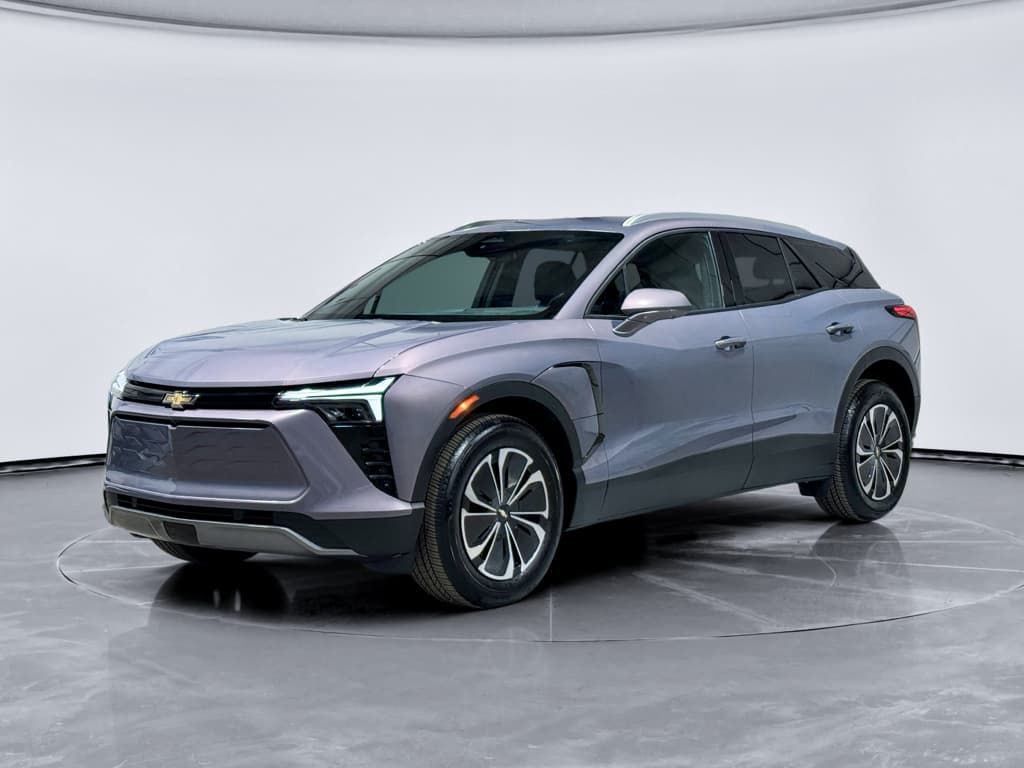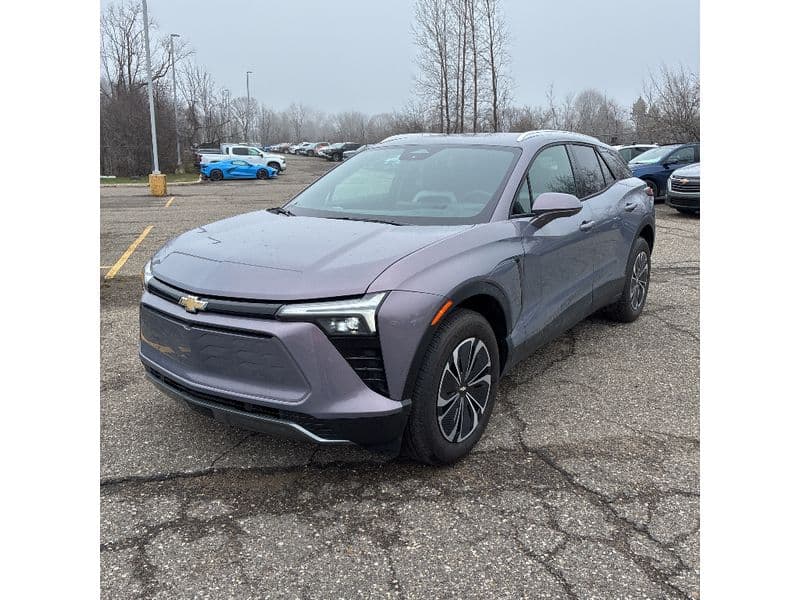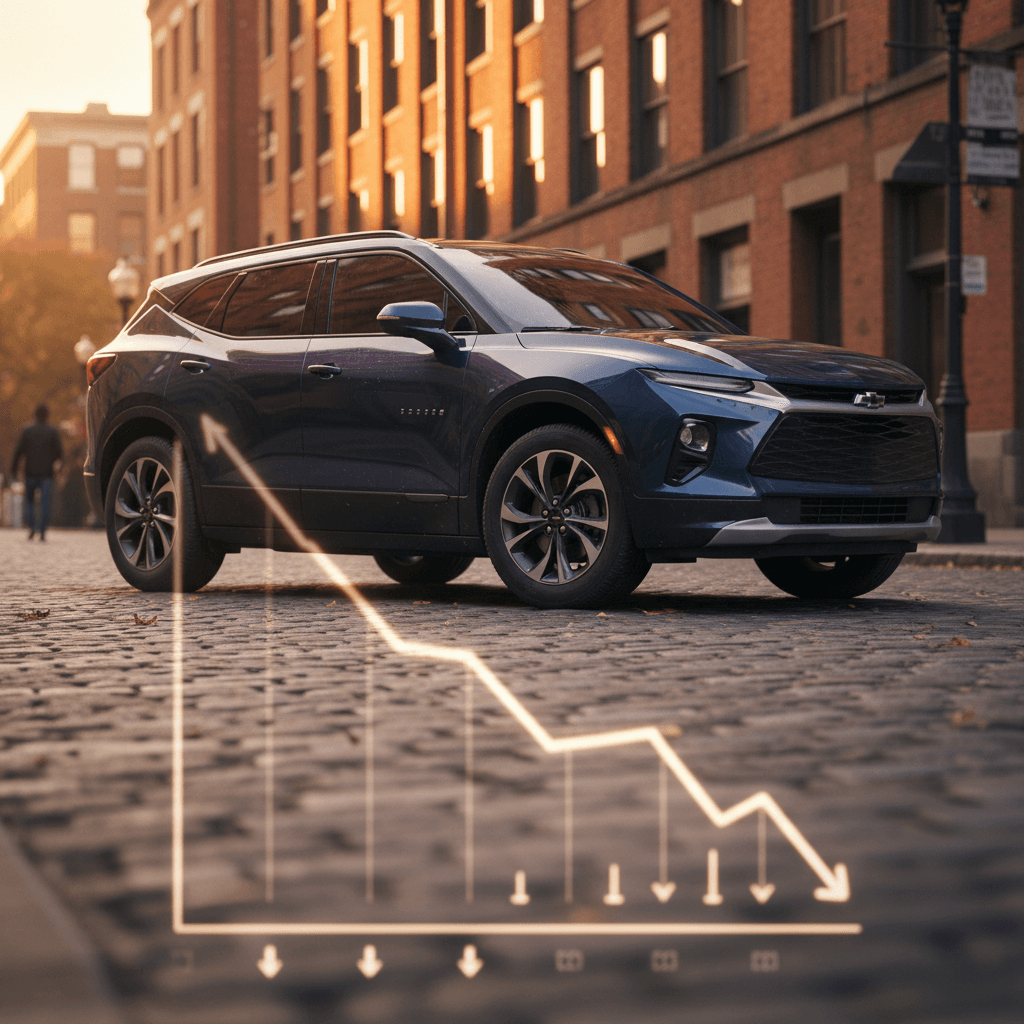
If you’re looking at a Chevrolet Blazer EV, you’ve probably heard two things: it’s quick, stylish, and packed with tech, and it’s dropping in value faster than many gas SUVs. Understanding the Chevrolet Blazer EV depreciation curve over 5 years can help you avoid overpaying today and position yourself for a much better deal tomorrow, especially in the used market.
Quick context
Blazer EV 5‑Year Depreciation at a Glance
Modeled 5‑Year Depreciation for Chevrolet Blazer EV
Third‑party cost‑to‑own models and resale calculators suggest the Blazer EV will lose roughly 55–60% of its original MSRP over 5 years. One widely used calculator pegs 5‑year depreciation at about 60%, with a 5‑year resale value a little above $22,000 for a representative configuration. Another cost‑to‑own model for 2025 Blazer EVs shows around $27,000–$31,000 in value lost over 5 years on a vehicle that started in the low‑to‑mid $40,000s after incentives.
Put simply: if you buy a new Blazer EV with a transaction price around $50,000, it’s reasonable to expect that SUV to be worth somewhere in the mid‑$20,000s after 5 years, assuming average mileage and no major accidents. That’s faster depreciation than the segment average, but it’s not out of line with other newer EVs that launched at ambitious prices and then saw rapid market corrections.
Depreciation isn’t linear
How Much Value Does a Blazer EV Lose Each Year?
Illustrative 5‑Year Depreciation Curve: Chevrolet Blazer EV
Approximate value path for a Blazer EV that transacts around $50,000 out the door (after incentives) and follows a 58% 5‑year depreciation pattern. Real‑world prices will vary by trim, incentives, mileage, and condition.
| Year of Ownership | Estimated Value | Total Depreciation vs. Purchase | Key Stage |
|---|---|---|---|
| New (Month 0) | $50,000 | , | Typical post‑incentive transaction price |
| Year 1 | $37,000–$40,000 | 20–26% | Big initial drop as discounts, incentives, and early reliability news hit |
| Year 2 | $32,000–$35,000 | 30–36% | Used supply builds; EV prices normalize |
| Year 3 | $28,000–$31,000 | 38–44% | Sweet spot starts for used buyers |
| Year 4 | $25,000–$28,000 | 44–50% | Depreciation rate begins to slow |
| Year 5 | $21,000–$26,000 | 48–58% | Typical 5‑year resale window for many owners |
These are directional projections, not guaranteed resale values.
This table assumes a blended scenario: an initial transaction around $50,000 and a 5‑year depreciation in the high‑50% range. In the real world, the exact curve depends heavily on how much of a discount you negotiated on day one and what happens with federal and state incentives in your area.
How to use this curve
Why the Blazer EV Depreciates Faster Than Many Gas SUVs
Four Big Forces Behind Blazer EV Depreciation
Most of them have little to do with the core vehicle and everything to do with market timing.
1. Rapid EV price corrections
2. Highly publicized software issues
3. Young model with unknown long-term track record
4. Broader EV market volatility
The upside for buyers
Trim Levels and MSRP: How Starting Price Shapes the Curve
The Blazer EV lineup has included LT, RS, and performance‑oriented SS trims, plus different battery and drivetrain combinations. Early 2024–2025 RS and SS models commonly carried MSRPs in the mid‑$50,000s to low‑$60,000s, while more basic LT trims landed lower once GM’s price cuts and incentives were factored in.
Higher‑MSRP trims (RS, SS)
- Biggest absolute dollar depreciation, losing $30,000+ over 5 years isn’t hard to imagine on a generously optioned example.
- Percentage depreciation similar to LT trims, but sticker shock is more obvious because they started higher.
- On the used market, they can look like bargains: SS performance at a well‑used‑Audi price point.
Lower‑MSRP trims (LT, fleet spec)
- Smaller dollar loss simply because there was less money on the line to begin with.
- May hold a slightly higher percentage of value if they line up better with mainstream used‑buyer budgets.
- Often the sweet spot for cost‑conscious shoppers who don’t need every premium feature.
When you evaluate depreciation, always start from the real transaction price, not the window sticker. Early Blazer EV buyers who paid close to MSRP will see steeper percentage losses than those who combined dealer discounts, manufacturer rebates, and the federal clean‑vehicle credit.
Lease vs. Buy When Depreciation Is This Steep
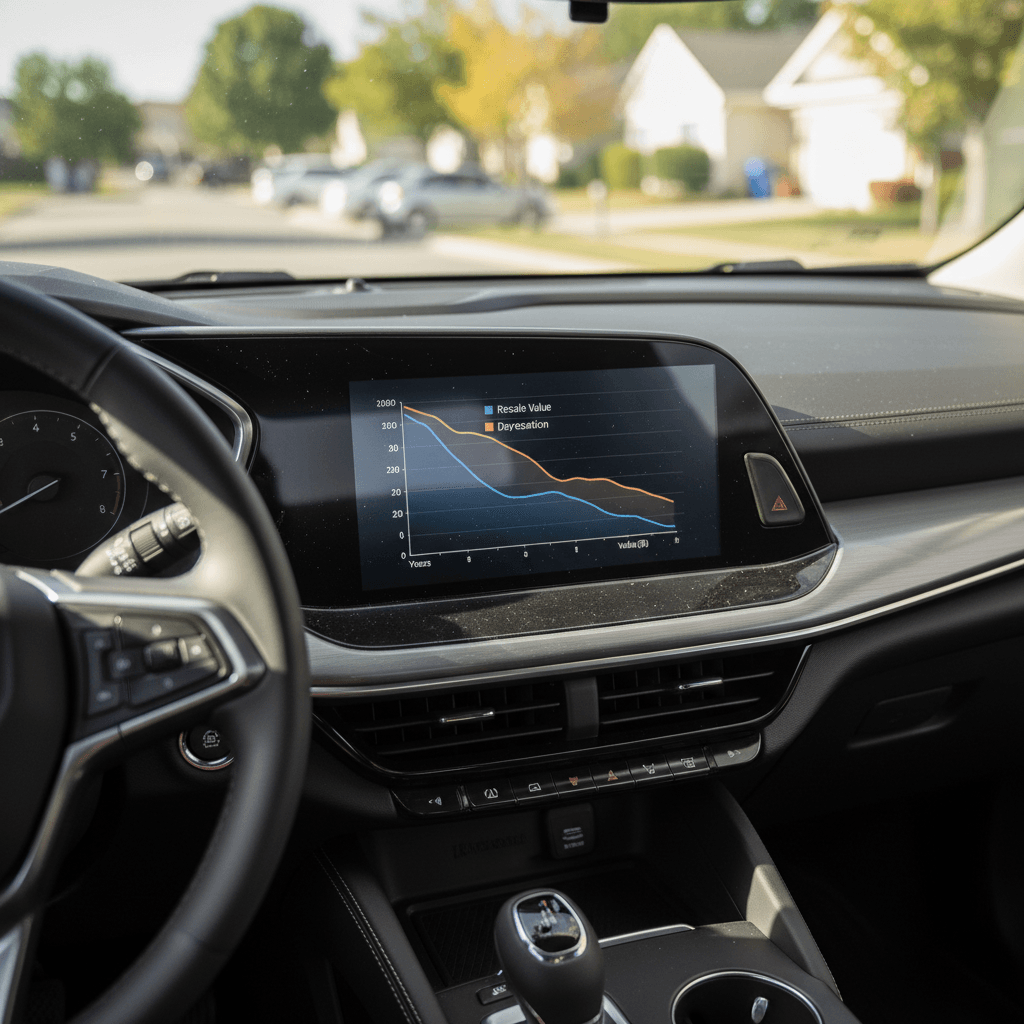
Aggressive depreciation changes the traditional lease‑versus‑buy math. Captive finance arms and leasing companies bake future value assumptions into monthly payments, so when they expect a vehicle to be worth much less in 3 years, the payment goes up, unless manufacturer support steps in to subsidize the lease.
Lease vs. Buy: How Depreciation Shifts the Tradeoffs
The right move depends on how long you plan to keep your Blazer EV and how much risk you want to carry.
Leasing a Blazer EV
- Pros: You’re insulated from resale risk, if values crater more than expected, you can walk away at lease end.
- Manufacturer lease support can offset scary residuals; in some regions, Blazer EV leases have been very competitive.
- Easier upgrade path if GM releases a significantly improved next‑gen Ultium SUV in 3–4 years.
- Cons: You’re still paying for 2–3 years of heavy depreciation through your monthly payment.
- Buying out the lease only makes sense if the residual is well below comparable used‑market prices.
Buying (new or used)
- Pros: Best long‑term economics if you keep the Blazer EV 8–10 years; you spread that upfront depreciation over a longer period.
- Buying used after the initial 30–40% drop can dramatically lower your cost per mile.
- You control when and how you sell, and you’re not locked into mileage limits.
- Cons: You carry all the future‑value risk, especially around battery longevity and future EV pricing trends.
A practical rule of thumb
Using Depreciation to Your Advantage as a Used Buyer
For used‑EV shoppers, the Blazer EV’s depreciation curve is more opportunity than problem. You’re getting a modern Ultium‑based SUV with strong performance and range for roughly what you’d pay for a well‑equipped used gas crossover that cost far less new.
Smart Strategies for Buying a Used Blazer EV
1. Target the 2–4 year window
By years 2–4, the big depreciation hit has already landed, but you’re still looking at a relatively new vehicle in terms of technology and battery age. That’s often the value sweet spot for EVs.
2. Focus on transaction price, not old MSRP
Ignore the original window sticker. Compare today’s asking price to current new‑car deals, current incentives, and what similar Blazer EVs are actually selling for in your region.
3. Shop across trims with an open mind
A lightly used RS or SS that someone else took a $20,000+ hit on may cost only a bit more than an LT, and could deliver far more performance and features for the money.
4. Verify software update history
Confirm that recall and campaign work has been completed and that the Blazer EV is running current software. Ask for service records and check for any recurring issues.
5. Get independent battery and charging diagnostics
Battery health is central to EV value. A data‑driven evaluation, like the <strong>Recharged Score</strong> on each vehicle sold through Recharged, helps you understand usable capacity and fast‑charging behavior before you buy.
6. Compare total cost, not just price
Factor in fuel savings, insurance, and maintenance. Even if the Blazer EV depreciates faster than a gas SUV, your total 5‑year cost can still be very competitive once electricity and service savings are included.
How Recharged fits in
Battery Health and Range: What Really Matters to Resale
Most modern EVs show modest battery degradation in the first 5 years, often on the order of 8–12% loss of usable capacity under typical use. What matters for the Blazer EV’s resale value isn’t hitting some exact percentage; it’s whether the remaining range still fits typical daily use and whether the pack continues to fast‑charge reliably.
- Blazer EV buyers expect comfortable real‑world range for commuting and road trips. Anything that materially undercuts that, severe degradation, chronic fast‑charging issues, will hurt resale.
- A clean DC fast‑charging history (no repeated failures, no severe throttling at normal pack temperatures) is a strong positive signal.
- Software updates that improve charging behavior or fix early bugs can actually support resale, as they show the vehicle is on current calibrations.
Don’t rely on the dash alone
Projected 5‑Year Cost to Own vs. Gas SUVs
Depreciation is just one piece of the cost‑of‑ownership puzzle. EVs typically win on fuel and often on maintenance. Independent 5‑year cost‑to‑own models for the Blazer EV show depreciation in the low‑$30,000 range and total out‑of‑pocket expenses, including electricity, insurance, taxes, maintenance, and repairs, roughly in line with or slightly better than comparable gas midsize SUVs when you factor in fuel savings.
Illustrative 5‑Year Cost Comparison: Blazer EV vs. Gas Midsize SUV
Approximate numbers for a typical U.S. driver at 12,000–15,000 miles per year. Actual costs vary by region, incentives, and driving style.
| Cost Element (5 Years) | Blazer EV (Typical) | Comparable Gas SUV |
|---|---|---|
| Depreciation | $28,000–$32,000 (higher) | $20,000–$26,000 |
| Fuel/Energy | $4,500–$6,000 in electricity | $9,000–$11,000 in gasoline |
| Maintenance & Repairs | Lower (no oil changes, fewer wear items) | Higher (engine, transmission, more fluids) |
| Total 5‑Year Out‑of‑Pocket | Comparable overall, sometimes slightly higher | Comparable overall, sometimes slightly lower |
| Ownership Experience | Quieter, quicker, home charging convenience | Familiar fueling, broader service network |
These are directional comparisons meant to show how depreciation interacts with other costs.
Think in total dollars per year
Checklist: How to Evaluate a Used Blazer EV
Pre‑Purchase Checklist for a Used Chevrolet Blazer EV
1. Confirm build date and recall status
Ask the seller or dealer for the VIN and run a recall check. Early‑build Blazer EVs had more software campaigns; you want evidence that those updates have been applied.
2. Review charging behavior
Test both Level 2 and, if possible, DC fast charging. Look for consistent charge initiation, reasonable charge speeds, and no warning lights or error codes.
3. Get a battery health report
Request third‑party or dealer diagnostics that estimate usable capacity and check for unusual cell imbalance. On Recharged, this is summarized for you in the Recharged Score battery report.
4. Inspect tires and brakes
Instant torque and weight can wear tires faster on some EVs. Uneven wear may indicate alignment issues, hard use, or suspension problems.
5. Check tech features and driver assists
Verify that all cameras, sensors, infotainment functions, and safety systems work as advertised. A glitchy tech experience can hurt long‑term satisfaction and resale.
6. Compare asking price to the curve
Use the 5‑year depreciation curve as a sanity check. If a 3‑year‑old Blazer EV is priced only a few thousand below what you can buy new after incentives, negotiate hard, or walk away.
Frequently Asked Questions About Blazer EV Depreciation
Blazer EV Depreciation: Common Questions
Bottom Line: Is a Blazer EV a Good 5‑Year Bet?
If your goal is to buy a new Blazer EV at or near sticker today and sell it in exactly 5 years, the math is tough. The Chevrolet Blazer EV depreciation curve over 5 years is steeper than many gas SUVs, and the model’s early history of price cuts and software headlines hasn’t helped. But that’s not the whole story.
For the right buyer, and especially in the used market, the Blazer EV can be a compelling value. Let someone else absorb the painful first 30–40% of depreciation, then step in once prices have stabilized and the vehicle’s software and charging behavior have a proven track record. Combine that strategy with verified battery health, realistic expectations, and a careful inspection, and you can enjoy a quick, tech‑forward Ultium SUV without overpaying for the privilege.
If you’re comparing specific used Blazer EVs or want help reading battery‑health data, working with an EV‑focused retailer like Recharged can make the decision far more straightforward. A transparent Recharged Score Report, fair market pricing, and the option for expert guidance and financing take a lot of the guesswork out of owning a depreciating, but potentially very rewarding, electric SUV.