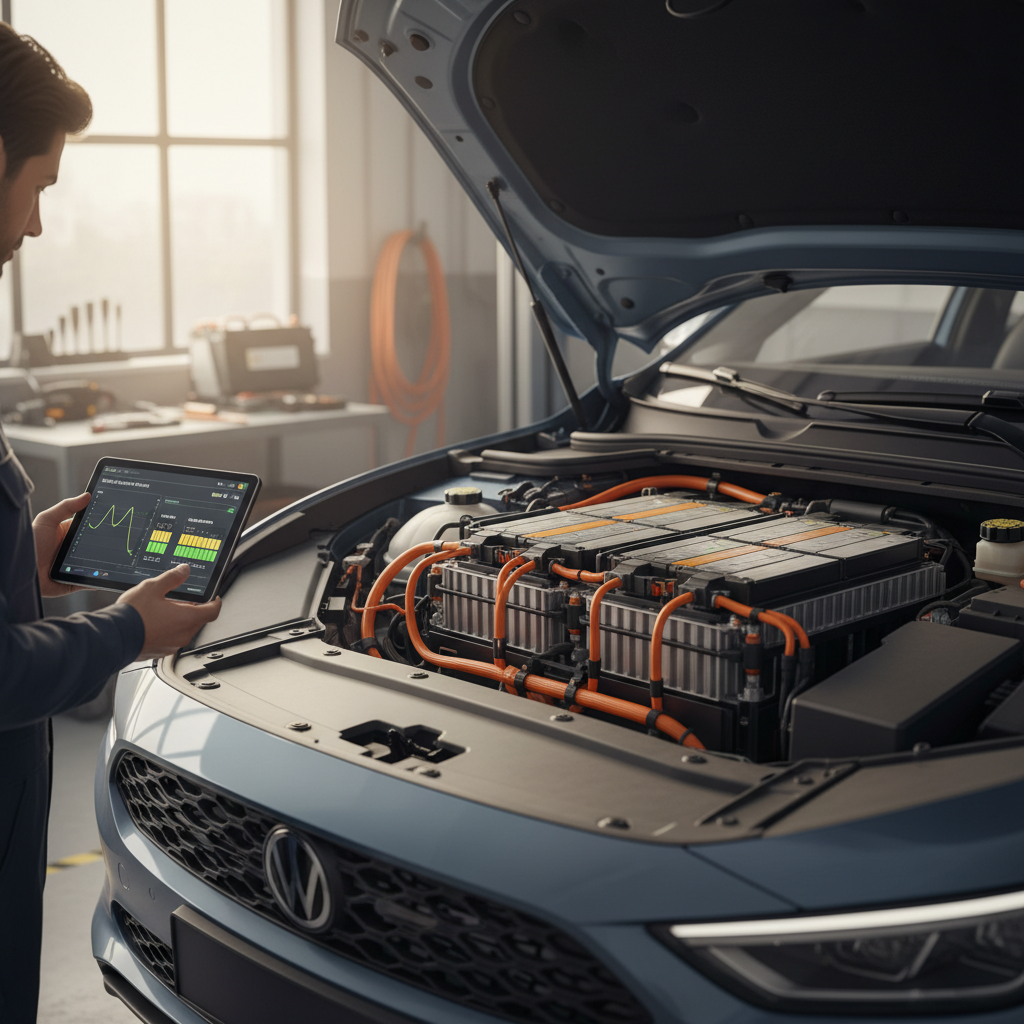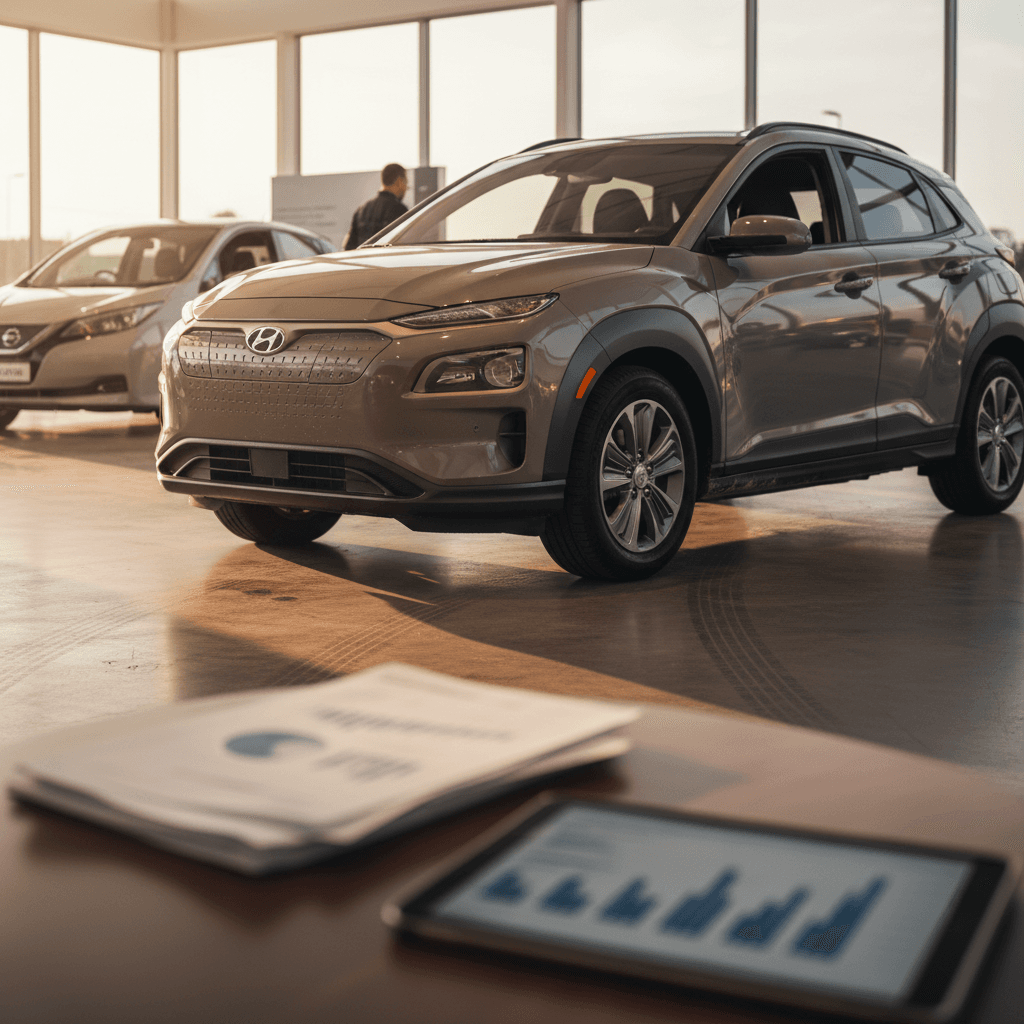
If you’re driving a 2023 Hyundai Kona Electric and thinking about your next move, trade-in value is probably at the top of your list. The last few years have been volatile for used EV pricing, but the 2023 Kona Electric is holding up better than many rivals. This guide breaks down what 2023 Kona Electric trade-in values look like right now, what actually drives those numbers, and how to put yourself in the best position before you walk into a dealership or start an online appraisal.
Key takeaway on 2023 Kona Electric value
Overview: 2023 Kona Electric trade-in value in 2025–2026
2023 Hyundai Kona Electric value snapshot
Trade-in value isn’t a single number; it’s a range. Guides like Kelley Blue Book show **2023 Kona Electric SE/SEL trade-in figures around the mid–$14,000s**, with Limited models a bit higher, assuming average mileage and “good” condition. Real offers then move up or down based on how your specific car scores on mileage, options, cosmetic condition, market demand, and, crucially, battery health. In early 2026, the Kona Electric’s reputation for solid residuals and a long battery warranty is keeping it competitive in a softening EV market.
What 2023 Hyundai Kona Electric trade-ins are worth today
Typical 2023 Kona Electric trade-in ranges (national guides)
Approximate nationwide guidebook trade-in bands for 2023 Hyundai Kona Electric as of early 2026. Your actual offer can fall above or below these ranges based on condition, mileage, battery health, and local demand.
| Trim (2023) | Typical Mileage Now | Guidebook Trade-In Band* | Who Usually Hits This |
|---|---|---|---|
| SE | 20,000–35,000 mi | $14,000–$15,000 | Average-use commuter cars in "good" shape |
| SEL | 20,000–35,000 mi | $14,500–$16,000 | Better-equipped cars with clean history reports |
| Limited | 20,000–35,000 mi | $15,500–$17,500 | Top-trim cars, strong cosmetic and mechanical condition |
| All trims – high miles | 40,000–60,000+ mi | $12,000–$14,000 | Fleet/rental history or heavy-commute vehicles |
| All trims – low miles | Under 15,000 mi | $17,000–$19,000+ | Low-mile, one-owner cars with excellent battery health |
Use these bands as a starting point, not a promise, always run a fresh appraisal before making a decision.
Averages, not guarantees
If you’ve seen 2023 Kona Electrics listed on dealer lots in the low-$20,000s, that doesn’t mean your trade will be worth the same. Retail asking prices usually sit several thousand dollars above trade values to cover reconditioning, auction or acquisition fees, warranties, and profit margin. As a rule of thumb, **wholesale trade-in on a clean 2023 Kona Electric often runs $3,000–$6,000 below what similar cars are being advertised for at retail.**
Factors that move your 2023 Kona Electric trade-in value up or down
The big levers on your 2023 Kona Electric’s value
These are the dials dealers and online buyers quietly turn when they work up a number.
Mileage vs. age
Accidents & history
Battery health & range
Trim & equipment
Local EV demand
Market & incentives
Think of these factors as a scorecard. The closer your 2023 Kona Electric looks to a clean, one-owner, low-mile Limited that’s been gently charged and carefully maintained, the more leverage you have in any trade conversation. If several boxes are unchecked, high miles, cosmetic damage, thin service history, expect offers toward the lower end of the range.
How dealers arrive at a 2023 Kona Electric trade-in number
1. Start with the books
Most dealers will quickly pull values from multiple sources: Kelley Blue Book, Black Book, auction data, and internal sales reports. For a 2023 Hyundai Kona Electric, those tools will typically show:
- Separate values for trade-in, private party, and retail.
- Different numbers by trim (SE, SEL, Limited) and mileage bands.
- Assumptions around “good” condition and typical equipment.
That gives them a wholesale ballpark, not a final offer.
2. Adjust for your specific car
From there, the desk manager or buyer will layer in realities that books can’t see:
- Reconditioning costs (tires, brakes, detail, windshield, paintless dent repair).
- Your trade ACV (actual cash value) target vs. what they think the car will bring at auction or on their lot.
- Battery health indicators and charging history if they have access to that data.
- Current inventory mix: if the lot already has several Kona Electrics, they’ll bid more conservatively.
Why two offers on the same day can differ
If you want a more transparent view into what your Kona is really worth as an EV, rather than just another compact crossover, companies like Recharged lean heavily on battery diagnostics and EV-specific demand data. That can surface value that generalist dealers might miss, especially on clean, well‑maintained cars.
Battery health: Why it matters more than anything else
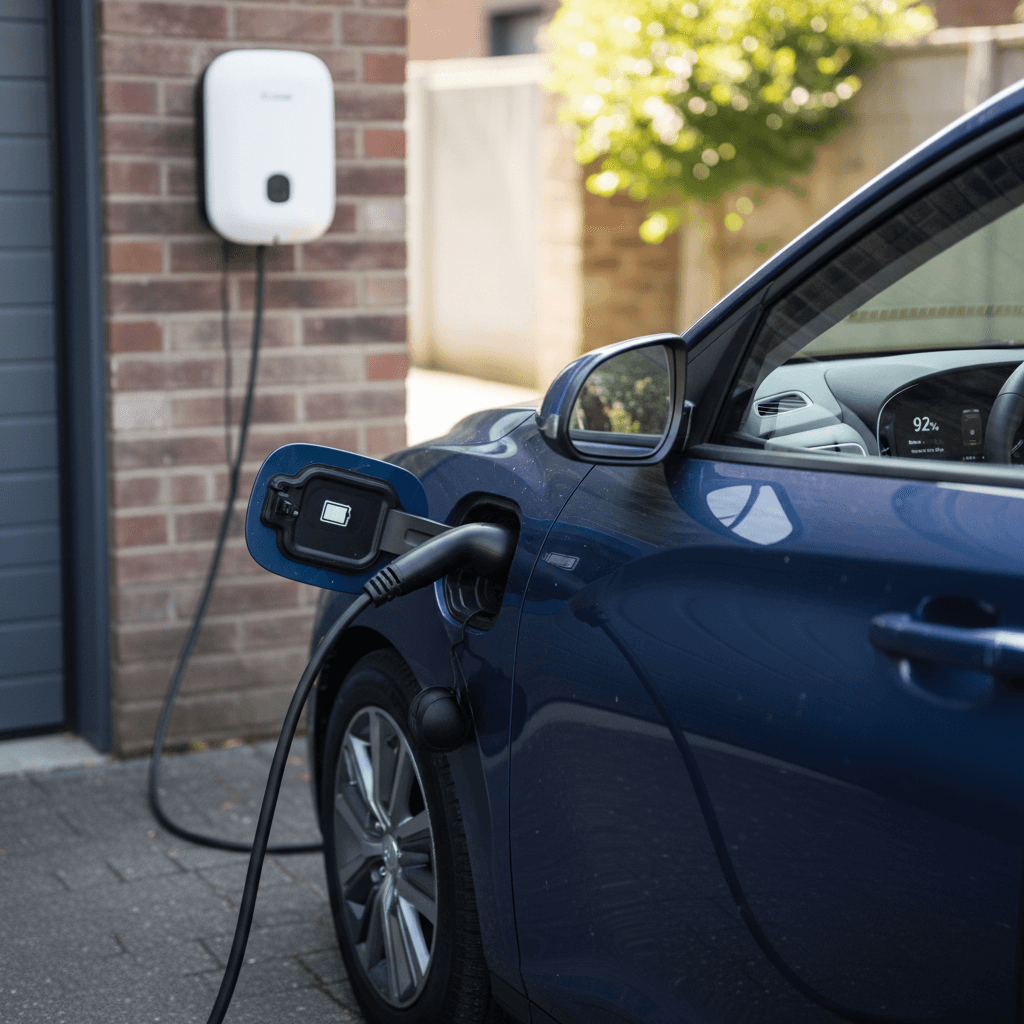
For a 2023 Hyundai Kona Electric, the single biggest long-term value driver is the traction battery. Hyundai backs the Kona Electric’s lithium-ion battery for up to 10 years or 100,000 miles on defects in materials and workmanship, which is a comfort blanket for second and third owners. But warranty coverage is not the same thing as documented health.
- Dealers worry about future range complaints and buybacks on high-mile EVs.
- Frequent DC fast charging and sustained high‑temperature use can accelerate degradation.
- Used‑EV shoppers are becoming savvier about battery reports, not just Carfax.
What a real battery report can show
This is where Recharged leans in with the Recharged Score Report, a battery‑health‑first inspection that turns invisible EV risk into hard data. If you’re trading or selling a 2023 Kona Electric, showing that report to a buyer can help you separate your car from anonymous auction inventory and argue for stronger money.
Steps to boost your 2023 Kona Electric trade-in offer
7 smart moves before you appraise your 2023 Kona Electric
1. Get a fresh EV-focused battery health check
If possible, have your Kona Electric’s battery professionally evaluated and save the documentation. An objective report that shows normal degradation for a 2023 model can make buyers more comfortable paying toward the top of the range.
2. Take care of easy reconditioning items
Dealers mentally subtract for worn tires, obvious scratches, and cracked windshields. Replacing wiper blades, touching up small scuffs, and getting a quality detail can easily move your car from “average” to “good,” which the books reward.
3. Gather service records and recall history
Print or download maintenance history from Hyundai’s service portal or your independent shop. Confirm any open recalls are handled. A thick record file reassures appraisers that the car hasn’t been neglected.
4. Be honest about mileage and usage
If you’ve done lots of DC fast charging or rideshare work, hiding it only sets you up for disappointment when a dealer spots the clues. Transparent, well‑explained usage is easier to work with than surprises during reconditioning.
5. Time your trade around incentives
When new Kona Electric models are heavily discounted or stacked with lease cash, used prices come under pressure. If you can, aim for windows where factory support on new EVs is lighter so your used trade isn’t competing with subsidized leases.
6. Shop multiple offers within a week
Values move quickly. Get 2–3 appraisals, local dealers, an online instant‑offer tool, and an EV‑specialist buyer like Recharged, within a tight time window so you’re comparing apples to apples.
7. Separate the trade from the new-car deal
When negotiating at a dealership, keep trade value and the price on your next vehicle as separate as possible. A strong discount can hide a weak trade number and vice versa; asking for a written, standalone trade appraisal keeps things clear.
Should you trade in or sell your 2023 Kona Electric privately?
Trading in your 2023 Kona Electric
- Pros: Fast, simple, tax-efficient in most states because you only pay sales tax on the price difference between your new car and the trade difference.
- Cons: You’re usually accepting a wholesale number several thousand dollars below what the car might fetch at retail.
- Best for: Owners who value convenience, have some cosmetic issues, or don’t want to field calls, inspections, and test drives from strangers.
Selling privately or to a specialty buyer
- Pros: Potentially higher sale price, especially for desirable trims like Limited with clean history and documented battery health.
- Cons: More time and effort: photos, listings, scheduling showings, and handling payment and paperwork.
- Best for: Well‑kept 2023 Kona Electrics where you’re willing to do a bit of work or work with an EV‑specific marketplace that handles the heavy lifting.
Middle ground: instant offers and consignment
Where Recharged fits in for Kona Electric owners
Recharged was built around used EVs, not gas cars with a charging port. If you own a 2023 Hyundai Kona Electric and you’re considering your options, that specialization can work in your favor. Instead of treating your Kona like an anonymous compact crossover, Recharged looks closely at battery health, range performance, and EV‑specific equipment when evaluating your car.
How Recharged can help with a 2023 Kona Electric
From quick values to full‑service selling support, you can choose how involved you want to be.
Recharged Score battery report
Instant offers & trade support
Digital selling & nationwide buyers
Ready to find your next EV?
Browse VehiclesIf you prefer to stay local, Recharged also operates an Experience Center in Richmond, VA, where shoppers can see, drive, and ask questions about used EVs in person. Whether you’re trading out of your Kona Electric or into another EV, having a team that lives and breathes this segment can make the numbers and the process easier to understand.
FAQ: 2023 Hyundai Kona Electric trade-in value
Frequently asked questions about 2023 Kona Electric trade-ins
Bottom line on 2023 Kona Electric trade-ins
The 2023 Hyundai Kona Electric has weathered a choppy EV market better than many models, and that shows up in its trade-in performance. If your car is a clean, reasonably low‑mile example with documented maintenance and healthy battery data, you’re playing in a favorable part of the used‑EV field. To make the most of that position, treat guidebook values as a starting line, not the finish, and be ready to shop multiple offers.
For owners who want a clearer, more EV‑specific view of value, and a smoother path to the next car, Recharged offers battery‑driven pricing tools, instant offers, financing, trade‑in support, and a fully digital experience backed by EV specialists. Whether you’re trading out of your 2023 Kona Electric or into another battery‑powered daily driver, the right information and the right buyer can turn a confusing market into a confident decision.