If you’re staring at a used Tesla listing and wondering, “For this Tesla Model 3, how much should I actually offer?” you’re not alone. Used Tesla prices have swung wildly over the last few years, and even in early 2026 the Model 3 market is still shifting. The good news: with a little structure, and real market data, you can get to a fair offer range quickly and negotiate with confidence.
Key idea
Why Tesla Model 3 used prices feel all over the place
If you’ve been watching used Model 3 prices since 2022, it’s felt like a roller coaster. First, **big price cuts on new Teslas** pushed used values down faster than the rest of the market. By 2025, average used Tesla prices were down more than 10% year‑over‑year and many Model 3s were selling for the mid‑20s. Then, in late 2025 and early 2026, policy changes and tighter new‑EV incentives helped used Tesla prices firm up again, with average used Model 3 prices rising back into the mid‑$20,000s.
Today, the used Model 3 sits in a strange middle ground: it’s no longer the wildly overpriced darling it once was, but it’s also not the fire‑sale bargain it briefly became. That’s why you’ll see a 2019 Model 3 under $20,000 in one ad and a 2022 asking $30,000+ in another, and both might be reasonable once you factor in mileage, battery health, and options.
Used Tesla Model 3 snapshot for early 2026
Why this matters
Current used Model 3 price baselines for 2026
Let’s anchor on what cars are actually selling for, not just what sellers are asking. These are **typical U.S. retail asking prices** in early 2026 for clean‑title cars with average miles and no major accidents. Your local market may run a bit higher or lower.
Typical used Tesla Model 3 asking prices (early 2026)
Approximate nationwide retail prices for clean vehicles with average mileage. Use this as a starting point, not a final answer.
| Model year | Typical mileage | Common trims | Typical asking range |
|---|---|---|---|
| 2017–2018 | 60k–90k | RWD / Long Range | $17,000 – $21,000 |
| 2019 | 50k–80k | Standard Range Plus / Long Range | $18,500 – $22,500 |
| 2020 | 40k–70k | SR+ / Long Range / Performance | $20,000 – $24,500 |
| 2021 | 30k–60k | SR+ / Long Range / Performance | $21,500 – $26,000 |
| 2022 | 25k–50k | RWD / Long Range / Performance | $23,000 – $28,000 |
| 2023 | 20k–40k | RWD / Long Range | $24,000 – $29,000 |
| 2024 | 10k–30k | RWD / Long Range | $26,000 – $32,000 |
| 2025 | 5k–20k | Long Range / Performance | $31,000 – $40,000+ |
All figures are rounded estimates. High‑mileage, accident, or branded‑title cars should be discounted below these numbers.
How to sanity‑check these numbers
Fair offer ranges by year and mileage
Knowing the market average is useful, but you still need to translate that into an actual offer. A good rule of thumb: for a clean, accurately represented car from a private seller, you’ll usually aim to land **5–10% below typical dealer retail**. With a dealer, the wiggle room is often smaller, but you get protections you don’t from a driveway sale.
Target offer bands for common Model 3 scenarios
Use these as starting points, then adjust for condition and battery health.
Older, higher‑mileage (2017–2019, 70k–90k mi)
Typical ask: $17,000–$20,000
Reasonable offer target: $15,500–$18,500
- Closer to low end if: basic RWD, worn tires, spotty service history
- Closer to high end if: Long Range, clean history, recent tires/brakes
Middle‑aged commuter (2020–2022, ~40k–60k mi)
Typical ask: $21,000–$27,000
Reasonable offer target: $19,500–$25,000
- Subtract more for accidents or fast‑charging‑heavy use
- Pay more for Long Range AWD or Performance with clean reports
Nearly new (2023–2025, under 30k mi)
Typical ask: $26,000–$38,000+
Reasonable offer target: $24,500–$36,000
- Focus heavily on comparing to **new‑car pricing after incentives**
- If used ask is within $2k of new after credits, push hard or walk
Shortcut for a quick ballpark
How battery health should shape your offer
With a used Tesla, battery health is the hidden variable that can justify paying **more than average** or walking away from what looks like a steal. Two Model 3s with the same year and mileage can feel very different if one has lost 5% of its original range and the other has lost 15–20%.
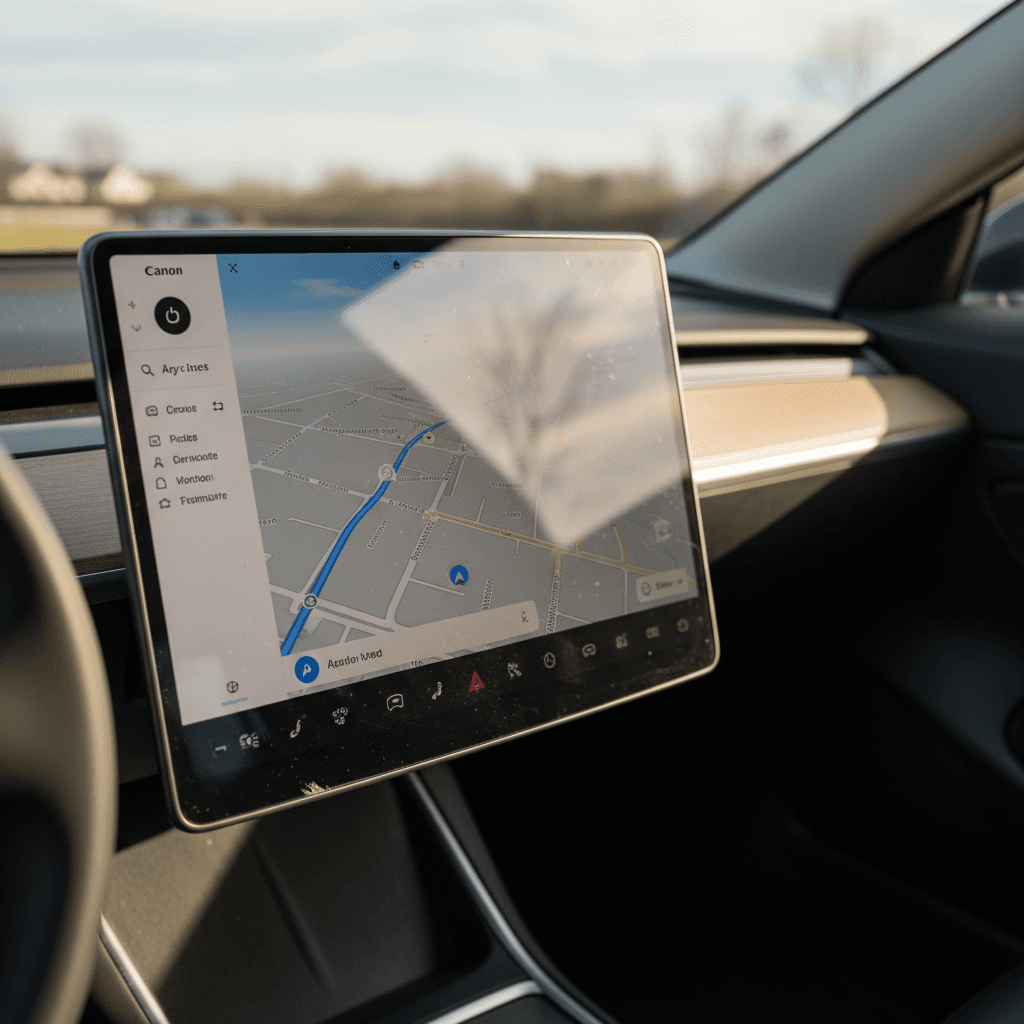
- For most used Model 3s, **0–10% range loss** versus original EPA rating is normal and usually not a price‑killer.
- Noticeable loss (roughly **10–20%** below original rated range) should translate into a **5–10% discount** vs. an equivalent car with stronger health.
- Anything beyond that, or a battery that’s been fast‑charged heavily with little documentation, should trigger deeper questioning and possibly a much lower offer.
Where Recharged fits in
Battery checks to do before you name a price
1. Verify original EPA range
Look up the original EPA‑rated range for that exact year and trim (e.g., 2020 Long Range vs. 2020 Standard Range Plus). This is your baseline.
2. Compare to current displayed range
Ask for a photo at 100% charge or a recent trip showing rated miles. A meaningful drop from the original figure tells you how the pack has aged.
3. Ask about fast‑charging habits
Frequent DC fast charging isn’t automatically bad, but heavy use without thermal management breaks or documentation can accelerate wear.
4. Review charge history if available
Tesla service records, app screenshots, or a third‑party battery report can all support (or undercut) the seller’s story.
5. Factor replacement risk into price
While most Tesla packs last a long time, a car that already feels range‑limited should be priced with the possibility of future battery work in mind.
Other factors that move the price up or down
Trim, options, and software
- Long Range & Performance trims typically command several thousand dollars more than base RWD cars.
- Features like Premium Interior, upgraded audio, and larger wheels can add value, but they also add replacement cost for tires.
- Paid software like Enhanced Autopilot or FSD used to add big money; in today’s market, they’re more of a modest sweetener than a price anchor.
Condition, history, and geography
- Clean **CARFAX/AutoCheck**, no accidents, and consistent service history support a price near the top of the fair range.
- Salvage or rebuilt titles, visible bodywork, or warning lights should push your offer far below market averages.
- Prices run higher in markets with strong EV adoption and limited supply; softer in regions where EV demand has cooled.
Don’t overpay for cosmetic mods
How to build a smart opening offer
Once you’ve done your homework, you still need to decide what number to actually say out loud (or type into a message). Here’s a simple framework you can use on any used Tesla Model 3, whether you’re buying from a private seller, a traditional dealer, or a digital retailer.
Step‑by‑step: from asking price to opening offer
1. Start from real‑world comps
Search several marketplaces and pricing tools for the same year, trim, and similar mileage. Note the **cluster** of realistic asking prices, not the outliers.
2. Adjust for mileage and condition
Shift up or down based on whether this car sits above or below the average mileage band and whether it’s “clean” or “needs work.”
3. Layer in battery health
If battery health looks stronger than average, it can justify paying near the top of your fair range; if it’s weaker, take a clear discount.
4. Set your target deal price
Decide what you’d be genuinely happy to pay (your **target**). This is usually somewhere in the middle of your fair range.
5. Choose an opening offer
Start **below your target**, but not so low that you lose credibility. On a $25,000 car, that might mean opening around $22,500–$23,000 if you hope to land near $24,000.
6. Decide your walk‑away number
Before you negotiate, know the **maximum** you’ll pay. If the seller won’t come down, you’ll be able to walk away calmly instead of talking yourself into a bad deal.
Use round numbers wisely
Negotiation plays that actually work on used Teslas
Teslas are different enough that many sellers either **overestimate the car’s uniqueness** (“It’s a Tesla, it’ll sell itself”) or **underestimate the buyer’s homework**. You can use that to your advantage if you’re prepared.
Four negotiation levers that matter with a Model 3
Keep the conversation about facts, not feelings.
1. Market data on your side
Come armed with screenshots or printouts showing comparable listings and pricing‑guide values. Calmly explain how you arrived at your offer.
Sellers tend to move more when they see you’ve done objective homework, not just thrown out a lowball number.
2. Upcoming maintenance & tires
Walk around the car, check tread depth, and ask about brake service or repairs. Price out near‑term needs and use them as concrete reasons to adjust the price.
3. Battery and charging history
If the car has above‑average fast‑charging use, high mileage, or noticeable range loss, make it clear you’re pricing in that future risk.
4. Your flexibility and speed
Especially with private sellers, offering a **quick, clean transaction** can be worth several hundred dollars. “If we can agree at $X, I can bring a cashier’s check tomorrow.”
What not to say
Financing, taxes, and fees: don’t overlook these
When you’re fixated on the sticker price, it’s easy to forget the rest of the out‑the‑door bill. State taxes, registration, doc fees, and interest costs can quietly turn a “good deal” into a monthly payment that doesn’t make sense.
Know your real ceiling
- Estimate your total out‑the‑door cost: price + tax + fees, not just the advertised number.
- Run payments at a few price points so you know where the monthly number stops feeling comfortable.
- Remember that older, cheaper cars can sometimes cost more in repairs and tires; budget some reserve.
How Recharged can help
- Recharged offers **EV‑friendly financing**, often with competitive rates on used electric vehicles.
- You can pre‑qualify online with no impact to your credit, then shop knowing exactly what you can offer.
- If you’re trading out of another EV or gas car, Recharged can provide an instant offer or consignment to boost your down payment.
Keep price and payment separate
When a used Model 3 is overpriced: walk‑away signs
Sometimes the best negotiation tactic is simply being willing to move on. Here are clear indicators that the answer to “For this Tesla Model 3, how much should I offer?” might actually be “Nothing, find a better one.”
- Asking price is **within a couple thousand dollars of a new Model 3** once you include current incentives and fees.
- Seller refuses to discuss battery health, won’t share photos of the dash, or gets vague about charging habits.
- Car has an accident history, mismatched paint, or warning lights on the screen, but the price hasn’t been discounted meaningfully.
- You find multiple similar cars within 50–100 miles that are priced lower **and** look cleaner on paper.
- The seller treats Tesla’s badge like a blank check: “It’s a Tesla, the price is firm,” with no willingness to engage with market data.
Remember: you have leverage
FAQ: making an offer on a used Tesla Model 3
Frequently asked questions
Bottom line: how much should you offer?
There’s no single “correct” number for a used Tesla Model 3, but there is a **correct process**. Start with real‑world market data for that year and trim, adjust for mileage and options, then put serious weight on verified battery health and condition. Translate that into a fair range, decide your target and walk‑away numbers, and make an opening offer that’s firm, friendly, and fact‑based.
If you’d rather skip the guesswork, you can browse used Model 3s on Recharged with **Recharged Score battery diagnostics, transparent pricing, financing options, and nationwide delivery**. Whether you buy through Recharged or not, using this framework will help ensure that the next time you ask, “For this Tesla Model 3, how much should I offer used?” you’ll have a confident, data‑backed answer.