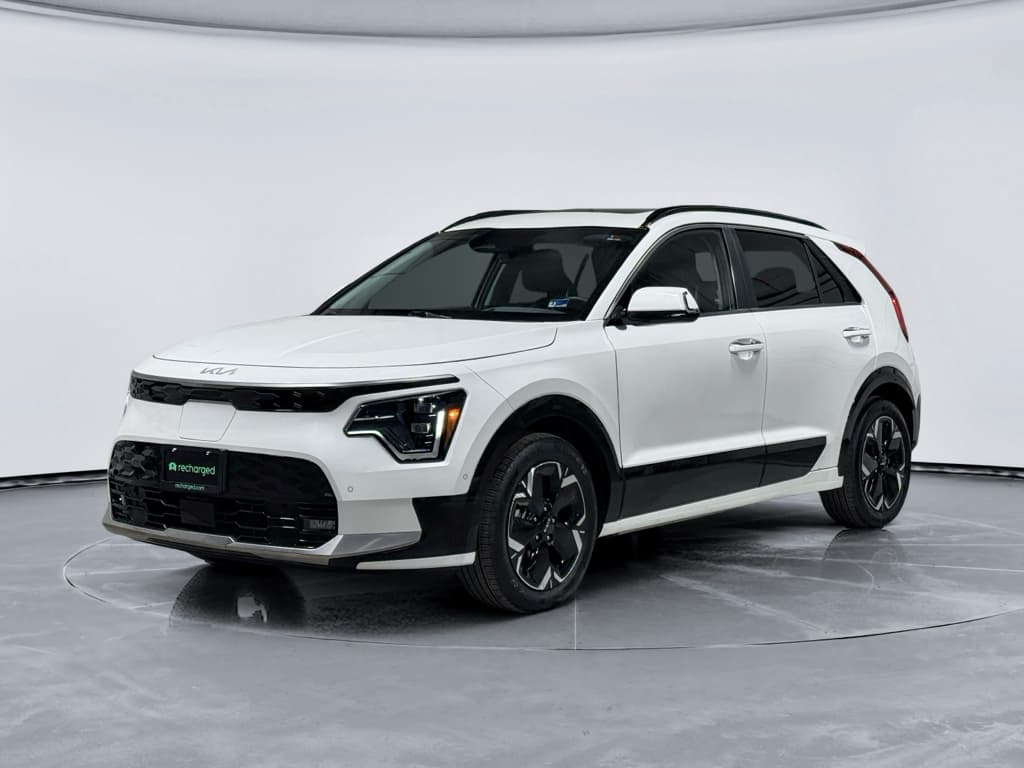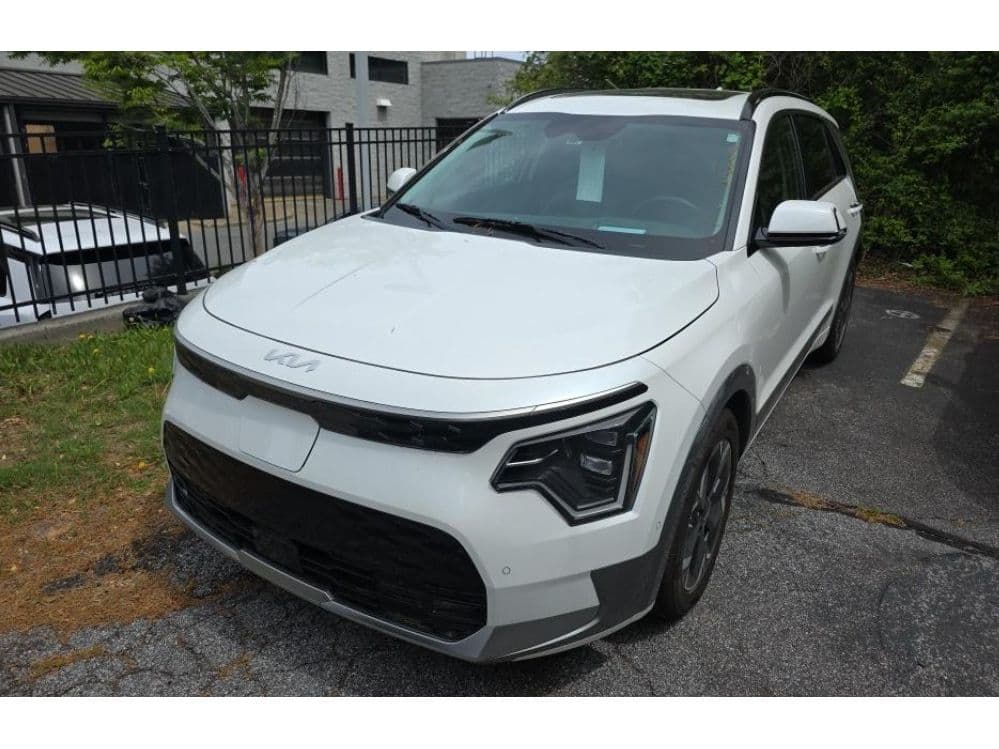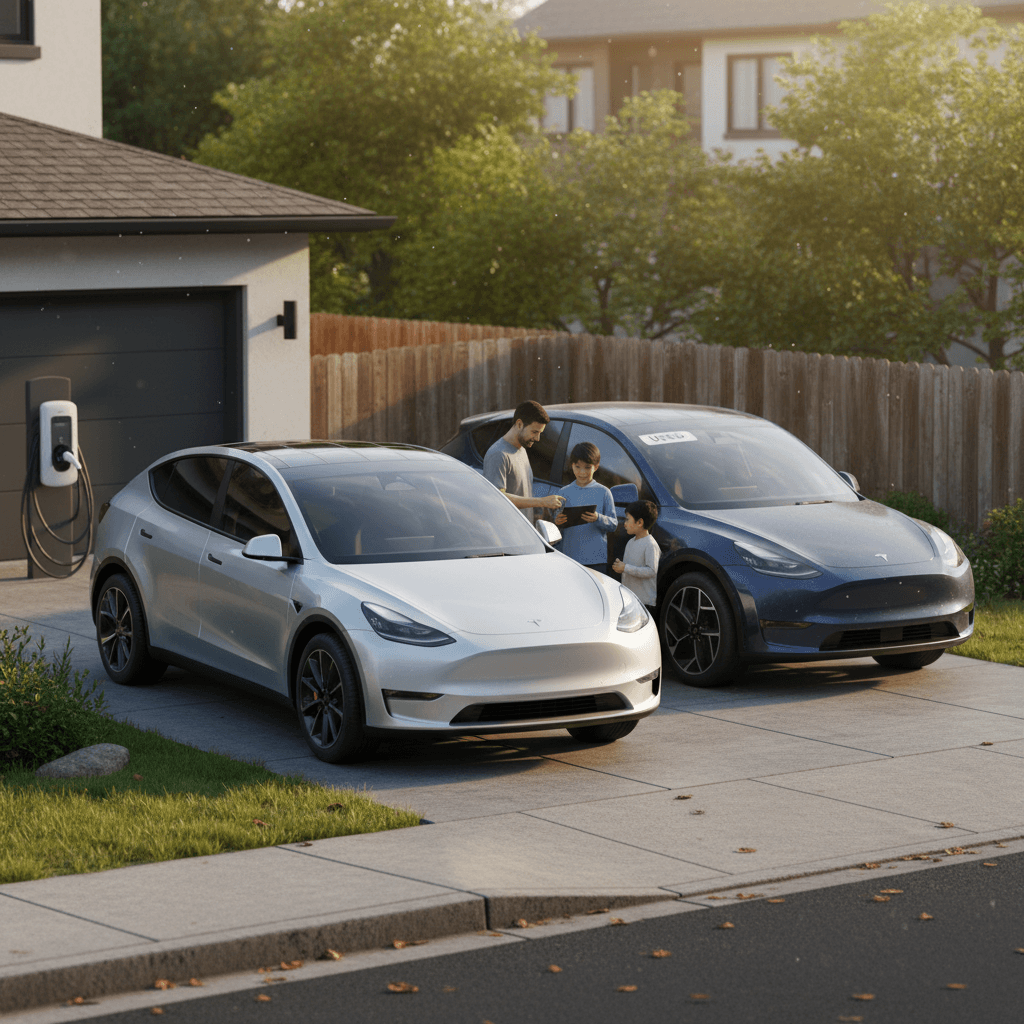
If you’re shopping for a small electric SUV, the Kia Niro EV vs Hyundai Kona Electric matchup is probably on your shortlist. They share a lot under the skin, but they don’t feel the same to live with. One leans a bit more practical and family‑friendly; the other is slightly sportier and more efficient. This guide breaks down the real differences so you can pick the one that fits your daily life, and your budget, especially if you’re considering a used EV.
Platform twins, different personalities
Kia Niro EV vs Hyundai Kona Electric: quick take
Who each EV is best for
Both are solid choices, your lifestyle tips the scales.
Kia Niro EV: best for space-conscious families
If you routinely carry passengers or cargo, the Niro EV feels more like a small wagon than a subcompact SUV. Rear legroom and overall cargo volume are a bit more generous, which matters if you’re hauling kids, pets, or gear.
- More rear-seat space and cargo room
- Simple, efficient controls
- Range around 253 miles on most models
Hyundai Kona Electric: best for city drivers and commuters
The Kona Electric is slightly smaller and often a bit more efficient in real‑world testing. It’s easy to park, feels a touch more playful, and can offer slightly more range in its long‑range trims.
- Long‑range trims around 260 miles EPA
- Excellent efficiency in independent tests
- Tight turning radius for city driving
Bottom line up front
Core specs at a glance
To compare the Kia Niro EV vs Hyundai Kona Electric fairly, it helps to look at the core numbers most shoppers care about: power, range, battery size, and charging speed. Figures below focus on recent U.S. models (roughly 2023–2025). Always double‑check the exact year and trim when you’re shopping used.
Kia Niro EV vs Hyundai Kona Electric: key specs (recent model years)
Approximate specs for common U.S. trims. Exact figures vary slightly by model year and wheel size.
| Spec | Kia Niro EV | Hyundai Kona Electric (Std battery) | Hyundai Kona Electric (Long‑range) |
|---|---|---|---|
| Battery capacity | ≈64.8 kWh | ≈48.6 kWh | ≈64.8 kWh |
| EPA range | ≈253 miles | ≈197–200 miles | ≈260–261 miles |
| Peak DC fast‑charge rate | ≈85 kW | ≈100 kW | ≈100 kW |
| 0–80% DC fast charge | ~43–45 minutes | ~41–43 minutes | ~41–43 minutes |
| Onboard AC charger | 11 kW | 10.8–11 kW | 10.8–11 kW |
| Drive layout | FWD | FWD | FWD |
| Horsepower | ~201 hp | ~133 hp | ~201 hp |
| Torque | ~188 lb‑ft | ~188 lb‑ft | ~188 lb‑ft |
Use this table to narrow your search, then confirm exact specs for the specific VIN you’re considering.
Always spec-check the exact car
Range and efficiency: who goes farther?
Range is often the tiebreaker in the Kia Niro EV vs Hyundai Kona Electric decision. Both land solidly in the 200+ mile club, which is more than enough for most U.S. commutes and errands, but they take slightly different paths to get there.
Headline range and efficiency numbers
- Kia Niro EV: Most recent Niro EVs in the U.S. are rated around 253 miles of range from a ~64.8 kWh battery. That’s a healthy number for a compact crossover and comfortably covers a full day of mixed driving.
- Hyundai Kona Electric (standard battery): The smaller‑battery version lands around 197–200 miles of range. That’s fine for shorter commutes or city dwellers with regular charging access.
- Hyundai Kona Electric (long‑range): The extended‑battery Kona pushes to roughly 260–261 miles EPA, slightly edging out the Niro on paper and often in real‑world tests too.
Think in “days between charges,” not just miles
Charging speed and real-world charging experience
On paper, fast‑charging performance is similar: both can go from about 10% to 80% in the low‑40‑minute range on a capable DC fast charger. Where they differ is how they fit into your charging routine, especially at home.
Home and workplace charging
- Level 2 (240V): Both the Niro EV and Kona Electric support roughly 11 kW AC charging. On a typical 40‑ to 48‑amp home charger, expect a full recharge in about 6–7 hours for the larger packs and 4–5 hours for the smaller‑battery Kona.
- Level 1 (120V): Technically possible but painfully slow. A Niro EV can take well over two full days to go from empty to full on a household outlet. The Kona is similar. For daily use, a Level 2 solution is strongly recommended.
Public DC fast charging
- Niro EV: Peak DC rate around 85 kW, with 10–80% typically quoted at about 43–45 minutes.
- Kona Electric: Uses a 400‑V architecture and can draw up to about 100 kW, also delivering a 10–80% session in roughly 41–43 minutes.
- Real‑world takeaway: Neither is a “hyper‑fast” charger by 2026 standards, but both are perfectly usable for road trips if you plan coffee or meal breaks around charging.
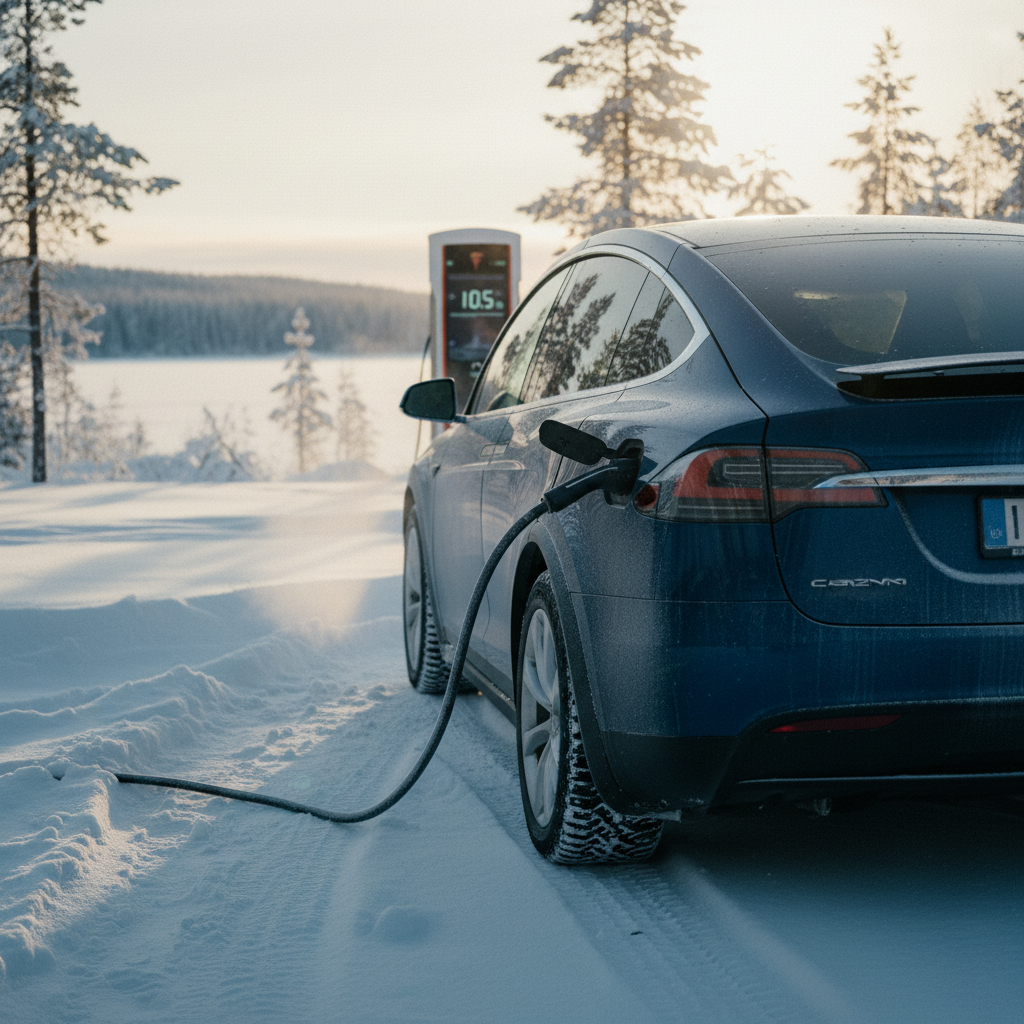
Tesla Supercharger access is improving
Interior space, comfort, and practicality
This is where the Kia Niro EV quietly pulls ahead for many shoppers. It’s still a compact vehicle, but its boxier profile gives you a bit more usable space than the Kona Electric, especially behind the front seats.
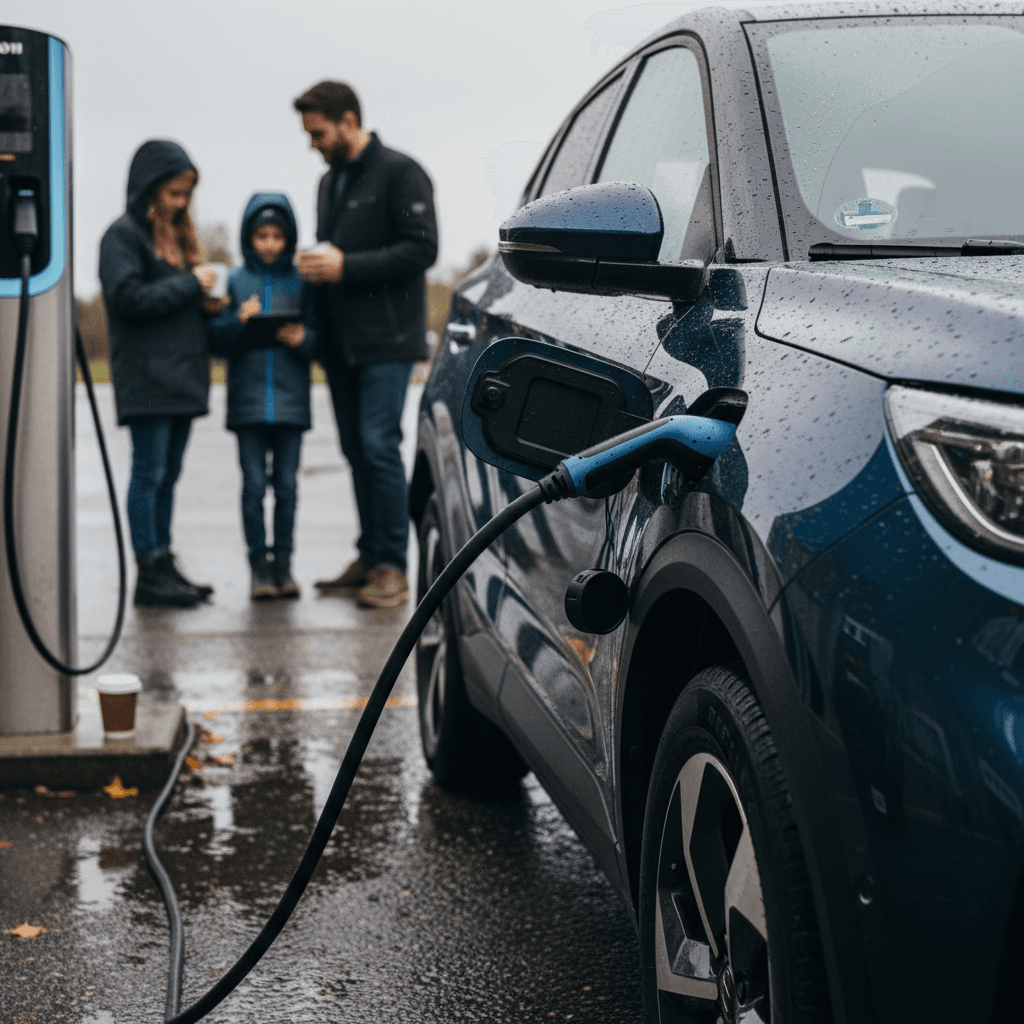
Space and practicality comparison
Small differences that matter if you carry people and stuff regularly.
Kia Niro EV: space-optimized
- Rear legroom: Noticeably more generous than the Kona, which adults and child seats will appreciate.
- Cargo volume: With rear seats folded, the Niro offers over 60 cubic feet of space, making it feel more like a small wagon than a tall hatchback.
- Cabin layout: Straightforward controls, good visibility, and plenty of small‑item storage.
Hyundai Kona Electric: compact and easy to park
- Footprint: Shorter overall length and slightly tighter cabin make it easier to thread through city traffic and squeeze into small parking spots.
- Rear seat: Comfortable for shorter trips but tighter for tall passengers or rear‑facing child seats.
- Cargo: Adequate for groceries and weekend bags, but not as generous as the Niro when fully loaded.
If you use child seats, favor the Niro EV
Driving experience and comfort
From behind the wheel, both EVs feel far more alike than different. They share similar powertrains and front‑wheel‑drive layouts, and both prioritize comfort over outright performance. That said, there are a few character differences you’ll notice on a test drive.
- Power and acceleration: With the larger battery and 201‑hp motor, both the Niro EV and long‑range Kona feel brisk enough for on‑ramps and passing. The standard‑battery Kona, with around 133 hp, is more relaxed but still fine for everyday driving.
- Ride comfort: The Niro EV’s slightly longer body and tuning help it soak up bumps a bit better, especially at highway speeds. The Kona Electric can feel a touch firmer, and a bit more playful, particularly in higher trims with larger wheels.
- Noise and refinement: Recent model years of both are impressively quiet compared with similarly sized gasoline crossovers. Wind and road noise are generally low; tire choice can make as much difference as the badge on the nose.
- Maneuverability: The Kona’s smaller footprint and quick steering make it feel more eager in tight city streets. The Niro trades some of that nimbleness for stability and space.
Don’t ignore seat comfort
Features, safety, and tech
Because they’re corporate cousins, the Kia Niro EV and Hyundai Kona Electric share a long list of features and safety tech, especially in upper trims. The differences often come down to design, interface, and which equipment is bundled where.
Common strengths and key differences
Advanced driver assistance on most trims
Both models typically offer lane‑keeping assist, adaptive cruise control, blind‑spot monitoring, and automatic emergency braking. On the used market, verify that the specific VIN has the options you care about, as packages can vary by year.
Infotainment and screens
Recent Niro EV and Kona Electric models offer large central touchscreens, smartphone integration (Apple CarPlay and Android Auto), and digital gauge clusters. Hyundai often leans slightly more tech‑flashy; Kia aims for simple, functional layouts.
Comfort and convenience features
Heated front seats, available ventilated seats, heated steering wheels, power liftgates, and premium audio systems are all on the menu, but not always standard. When you compare individual used listings, line up trims carefully, an upper‑trim Kona may match or beat a base Niro on equipment, and vice versa.
Safety ratings and real-world confidence
Both brands have strong safety records, and these EVs benefit from modern crash structures and active safety tech. For peace of mind, look up crash‑test ratings for the specific year you’re considering, as ratings can change with redesigns.
Watch for option-package differences
Ownership costs and used-market realities
From an ownership‑cost standpoint, both the Kia Niro EV and Hyundai Kona Electric are among the more affordable EVs to run. Electricity typically undercuts gasoline on a per‑mile basis, and both brands offer strong battery warranties. On the used market, though, there are a few nuances worth understanding.
What to know before you buy used
Battery health, warranties, and depreciation matter more than small spec differences.
Battery warranty coverage
Battery health and range loss
Depreciation and pricing
Factor charging into your total cost
Which EV fits your life better?
On a spec sheet, the Kia Niro EV vs Hyundai Kona Electric comparison looks like a near tie. In the real world, lifestyle usually breaks the deadlock. Use the scenarios below as a shortcut.
Scenario-based recommendations
Choose the Kia Niro EV if…
You regularly carry passengers, kids, or pets and need the most practical cabin and cargo layout in a small footprint.
You want simple, intuitive controls and a calm driving experience that feels more like a roomy hatchback than a tiny crossover.
You’re planning road trips but won’t be hopping fast chargers every day, so the Niro’s slightly slower peak DC rate isn’t a deal‑breaker.
You’ve found a used example with strong remaining battery warranty and a clean battery‑health check.
Choose the Hyundai Kona Electric if…
You drive mostly solo or as a couple and value easy parking, sharp maneuverability, and a slightly sportier feel.
You’re drawn to efficiency and like the idea of squeezing the most miles out of each kilowatt‑hour.
You’ve found a long‑range Kona Electric that matches or slightly exceeds the Niro EV’s range while charging a bit quicker on DC fast chargers.
You prefer Hyundai’s styling and infotainment layout, or you’ve found a trim with more of the comfort and tech features you want.
Good news: there’s no “wrong” choice here
Buying a used Niro EV or Kona Electric with Recharged
If you’re leaning toward a used Kia Niro EV or Hyundai Kona Electric, the details behind the windshield sticker matter more than ever: battery health, fair pricing, and a clear view of how the car was used and maintained. That’s exactly where Recharged focuses.
How Recharged helps you shop with confidence
Verified battery health with the Recharged Score
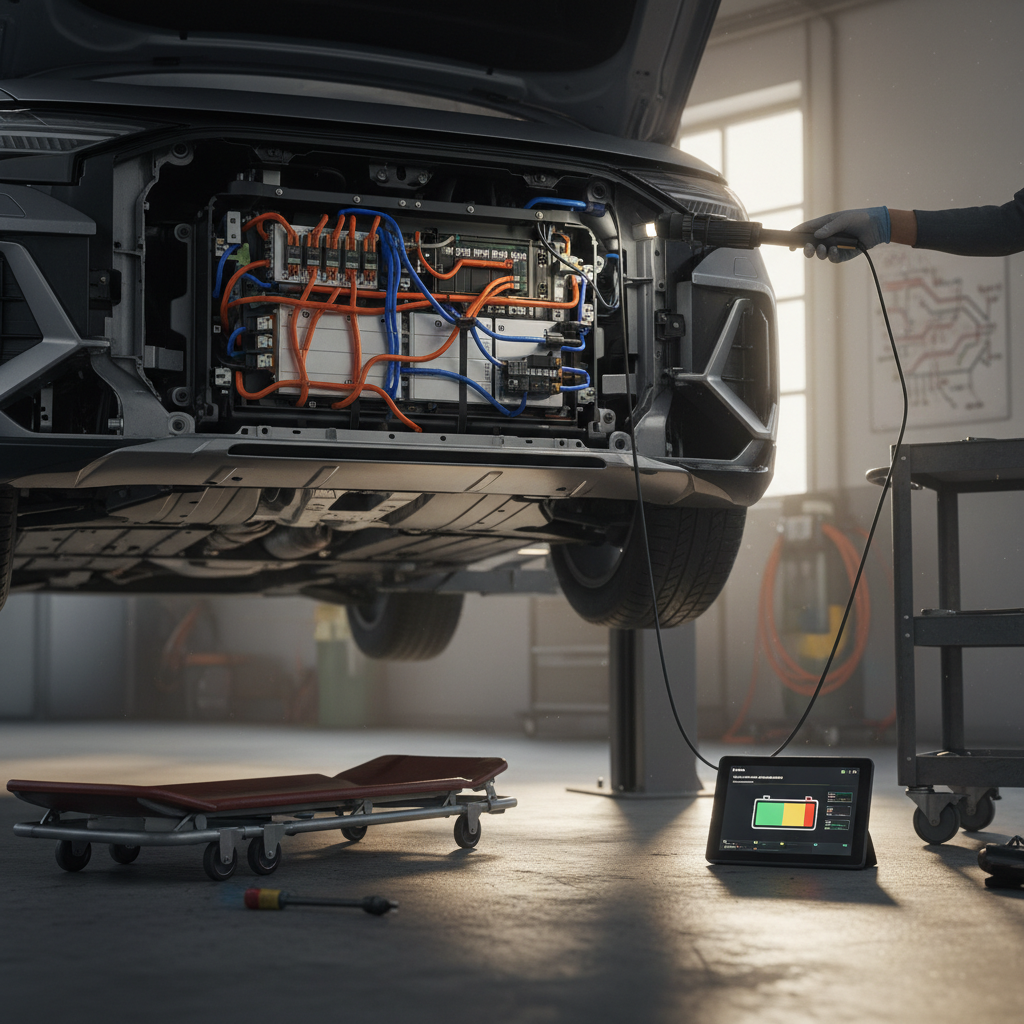
Every vehicle on Recharged comes with a <strong>Recharged Score Report</strong> that includes professional battery diagnostics. Instead of guessing about degradation, you see transparent data on remaining capacity and expected range.
Fair market pricing on used EVs
Recharged benchmarks each car against the wider used‑EV market so you’re not overpaying for a particular badge or trim. You’ll see clear, data‑driven pricing rather than a mystery number scribbled on a windshield.
Flexible ways to sell or trade
Already own an EV or gas car? Recharged can provide an <strong>instant offer</strong>, help you trade in, or consign your vehicle while you upgrade into a Niro EV, Kona Electric, or another model that suits you better.
Financing, delivery, and specialist support
From EV‑savvy financing options to <strong>nationwide delivery</strong> and one‑on‑one guidance from EV specialists, Recharged is set up to make your transition into a used electric SUV as simple and transparent as possible.
FAQ: Kia Niro EV vs Hyundai Kona Electric
Frequently asked questions
When you boil it down, the Kia Niro EV vs Hyundai Kona Electric choice isn’t about which is “good” and which is “bad.” Both are strong small EV crossovers with sensible range, reasonable charging speed, and approachable pricing on the used market. The Niro EV leans toward space and practicality; the Kona Electric leans toward efficiency and city‑friendly maneuverability. Match those strengths to your real daily use, verify battery health, and you’ll end up with an EV that fits your life, not just your spreadsheet.