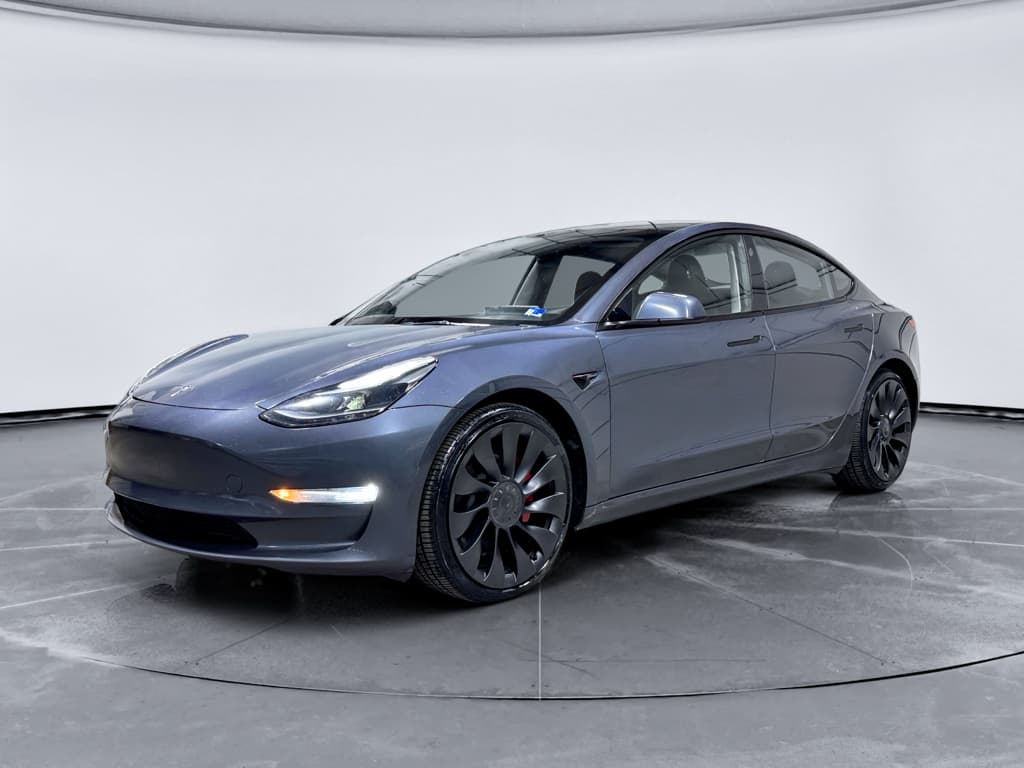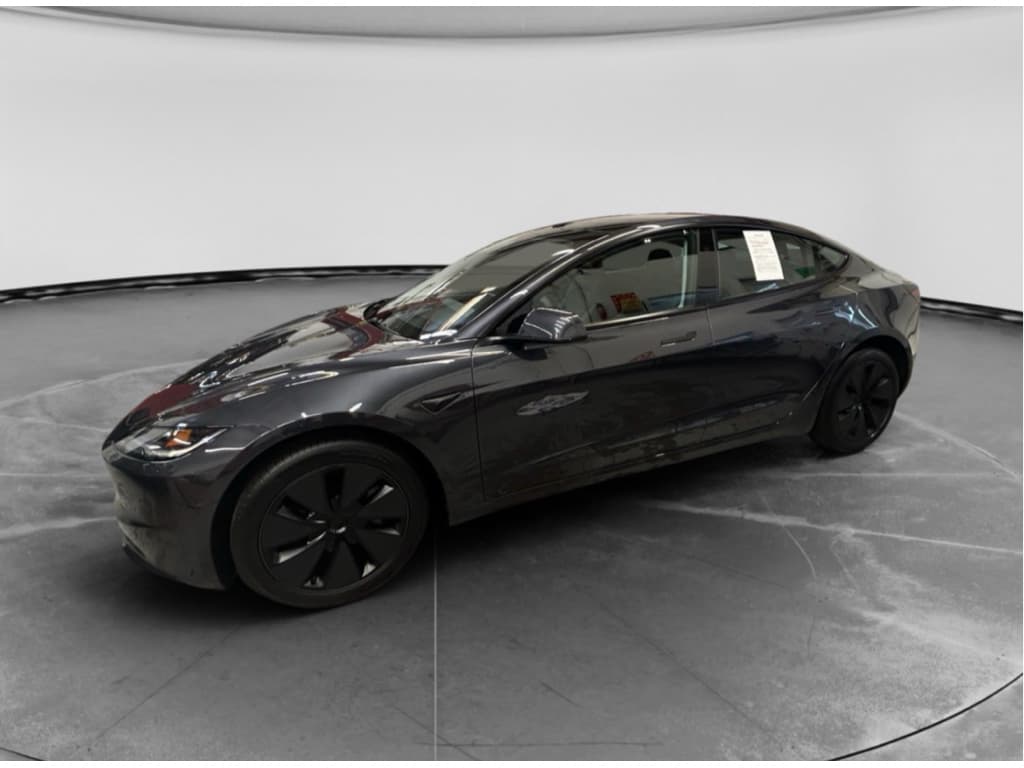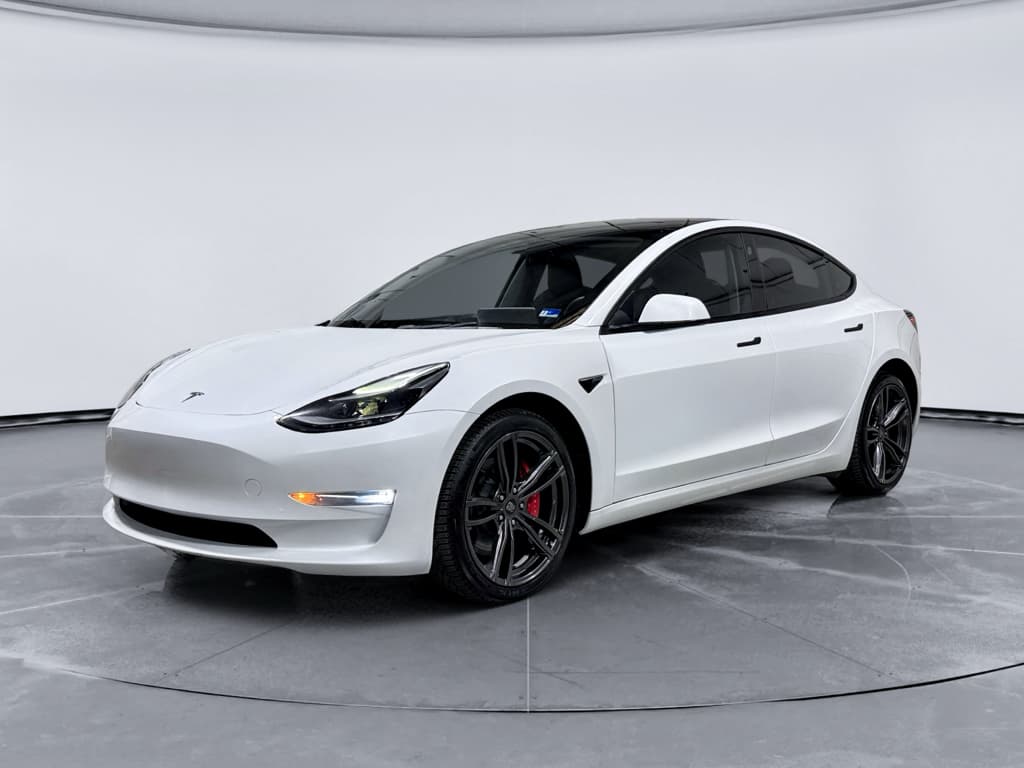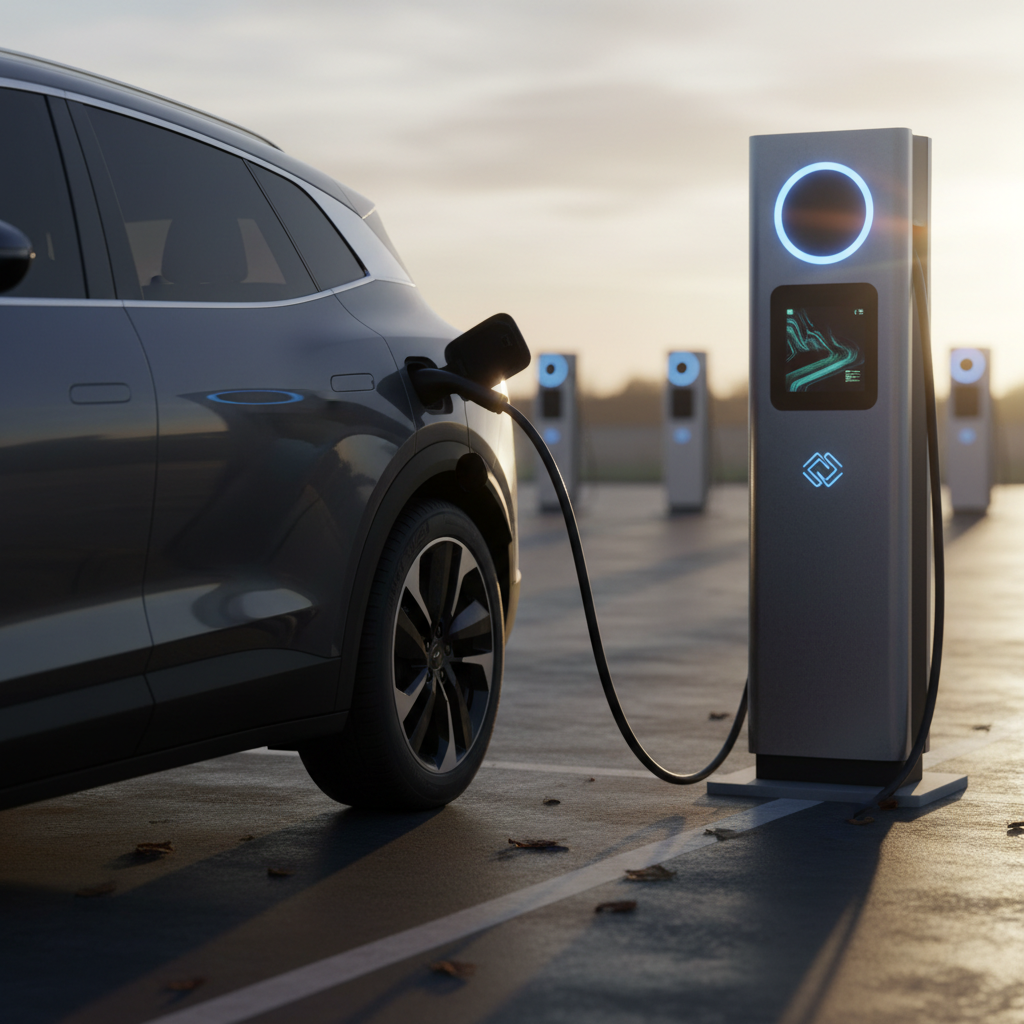
If you’re shopping for a Tesla or already own one, you’ve probably seen bold claims about how fast a Tesla Model 3 can charge. But what happens in real-world charging speed tests, not just on a spec sheet? In this guide we break down actual 10–80% charging times, how the different Model 3 versions perform, and what you can do to get the fastest possible charge without beating up the battery.
In a hurry? Key takeaways
Why Tesla Model 3 charging speed matters
Charging speed is the difference between a relaxed coffee stop and a frustrating, hour-long wait on a road trip. For daily driving, it dictates whether you can reliably recover your miles overnight. And if you’re evaluating a used Tesla Model 3, real-world charging speed can be an early signal of battery health and thermal management performance.
Three ways charging speed shapes ownership
Same car, very different experience depending on how and where you charge
Road trips
Fast DC charging means shorter stops and more flexibility.
- Quicker 10–80% sessions
- Less time hunting for chargers
- More confidence to take detours
Daily commuting
Predictable home charging speed tells you if overnight charging is enough.
- Can you add 150–200 miles while you sleep?
- Do you need a higher-amp circuit?
Battery & resale value
Consistent, healthy charging speeds support long-term battery health.
- Smoother charging curves
- Less time at high SOC
- Better confidence if you’re buying used
Tesla Model 3 battery and charging basics
Before you dive into charging speed tests, it helps to understand which Model 3 battery you’re dealing with and its theoretical limits. Across the current generation (often called the "Highland" refresh), you’ll mainly see two packs:
Current Tesla Model 3 battery & peak DC charging specs
Real-world tests rarely hit the absolute peak for more than a few seconds, but these numbers frame what’s possible.
| Model 3 variant (US) | Approx. usable battery | Official / tested peak DC rate | Typical 10–80% DC time (good conditions) |
|---|---|---|---|
| Rear-Wheel Drive / Standard | ~60–64 kWh | Up to ~170 kW | ~27–35 minutes |
| Long Range AWD | ~78–82 kWh | Up to 250 kW | ~25–30 minutes |
| Performance (latest) | ~79–80 kWh | Up to 250 kW | ~25–30 minutes |
Charging performance here refers to manufacturer or independent test data for recent Model 3 variants.
Peak vs average charging power
DC fast charging speed tests (Supercharger & CCS)
Let’s look at how the Tesla Model 3 performs in real-world DC fast-charging tests on Tesla Superchargers and compatible third-party DC fast chargers. We’ll focus on the 10–80% (or 10–90%) window, since that’s the most relevant slice for road trips.
Headline DC fast-charging numbers for Tesla Model 3
Standard / Rear-Wheel Drive: fast-ish, but not the benchmark
Recent testing of the 2026 Model 3 Standard shows an average of roughly 89 kW over a 10–80% DC fast-charging session, translating to about 387 miles of range per hour at peak efficiency. That’s slower than the Long Range and Performance versions, but still competitive with similarly priced compact EVs.
- Realistic 10–80% time: about 30–35 minutes on a healthy V3 Supercharger
- Best speeds occur between roughly 10–50% state of charge (SOC), where power stays closer to 120–150 kW before tapering
- Above ~60–70% SOC, charging power starts dropping sharply, extending the final 10–20% of the session
Long Range & Performance: quicker average power, same basic pattern
On paper, the latest Model 3 Long Range and Performance can accept up to 250 kW on a V3 Supercharger. In independent testing, a 2024–2025 Model 3 Performance averaged around 98 kW from 10–90%, taking about 39 minutes for that window. For the more road-trip-relevant 10–80% slice, that implies roughly 25–30 minutes in good conditions.
What you’ll typically see on the graph
- Initial spike toward 230–250 kW around 10–20% SOC
- Rapid taper toward 140–160 kW by ~40–50%
- Further taper below 90 kW past ~70%
- Long, shallow tail above 80% as the battery balances cells
What this feels like in real life
- Very quick early gains – the first 150–200 miles of range come in fast
- Stops feel longest if you insist on charging past 80–90%
- Multiple back-to-back fast charges (on a long day) can slow later sessions as the pack heats up
Watch out for hot packs
Real-world 10–80% DC fast-charging time ranges
Typical Tesla Model 3 DC fast-charging times by scenario
Approximate 10–80% charging times assuming a healthy battery and charger; your results will vary with temperature, station quality, and how often you fast charge.
| Scenario | Model 3 variant | Charger type | Approx. 10–80% time |
|---|---|---|---|
| Ideal road-trip stop, mild weather | Long Range / Performance | Tesla V3 Supercharger (250 kW) | ~25–28 minutes |
| Average conditions, busy site | Long Range / Performance | Tesla V2 or shared V3 | ~28–35 minutes |
| Budget road trip | Standard / RWD | Tesla V3 Supercharger | ~30–35 minutes |
| Third-party DC fast charger | Any recent Model 3 | CCS or NACS DC (50–150 kW) | ~30–45 minutes, depending on station |
| Cold battery, winter | Any Model 3 | Any DC fast charger | Can easily stretch to 40–60 minutes |
Use these as realistic ranges, not promises, optimize conditions to stay near the lower end.
Home and Level 2 charging speed tests
Most of your charging won’t happen at Superchargers. It’ll happen at home or work, on AC power. That’s where consistent, repeatable Level 2 charging speed tests matter.
Typical home charging speeds for Tesla Model 3
Model 3 home & Level 2 charging test expectations
These ranges assume a healthy 240V circuit and properly installed hardware; real-world results vary with voltage sag and temperature.
| Setup | Circuit / charger | Approx. power | Typical miles of range per hour |
|---|---|---|---|
| Basic home charging | 120V outlet (Level 1) | ~1.3 kW | 3–5 mi/hr |
| Standard home Level 2 | 240V, 30–40A (Tesla Wall Connector or similar) | ~7 kW | 25–30 mi/hr |
| Higher-amp Level 2 | 240V, 48A circuit (11.5 kW onboard charger) | ~11 kW | 35–45 mi/hr |
| Public Level 2 | 6.6–11 kW typical | 6.6–11 kW | 25–35 mi/hr |
The goal is not max power at all costs, but a stable, repeatable overnight charge that fits your routine.
You don’t need to “fill up” every night
7 factors that change your Model 3 charging speed
Two Model 3s with the same hardware can show wildly different charging curves on different days. If you’re running your own charging speed test, pay attention to these variables.
Key variables that affect charging speed tests
1. Battery state of charge (SOC)
Fast charging is most aggressive at low SOC. A 10–50% window will always charge faster than 50–90%. To compare tests, always use the same SOC window (for example 10–80%).
2. Battery temperature
A cold or overheated pack will limit power. Use preconditioning in the Tesla navigation (set your destination to a Supercharger) so the car warms the battery before you arrive.
3. Charger capability and load
A V3 Supercharger can deliver up to 250 kW, but shared cabinets, grid limits, or older V2 hardware can cut that in half. Third-party stations may be limited to 50–150 kW even if your car can take more.
4. Recent fast-charging history
Multiple back-to-back DC fast charges can heat the pack and reduce charging power later in the day. Your first test stop may look better than your fourth.
5. Ambient temperature and climate settings
Extreme heat or cold forces the car to spend more energy on thermal management. Running max heat or AC while charging can also slightly lower net power going into the battery.
6. Software version and battery chemistry
Tesla regularly tweaks charging behavior via software. Some Standard-range cars use LFP chemistry (which likes 100% SOC), while Long Range/Performance use NCA, which prefers staying below full for daily use.
7. Battery age and health
A healthy older pack usually charges almost as fast as new, but severe degradation, imbalance, or frequent DC fast charging can flatten the curve. That’s why independent battery diagnostics matter when you’re shopping used.
How to run your own Tesla Model 3 charging speed test
You don’t need lab gear to understand how your Model 3 charges. With a bit of planning, you can run a simple, repeatable charging speed test and compare it to the benchmarks above.
- Pick a test window, like 10–80% SOC, and stick with it for all comparisons.
- Use the Tesla navigation to route to a Supercharger so the car preconditions the battery on the way.
- Arrive as close as you can to your starting SOC (for example 8–12%) and plug in immediately.
- Note the start time, SOC, and initial power (kW) shown on the in-car display or Tesla app.
- Let the car charge until your target SOC (for example 80%) and note the end time and energy added (kWh).
- Calculate average power: kWh added divided by hours charged. That’s more meaningful than the peak number you saw at the start.
- Repeat in different conditions (cold vs warm day, busy vs quiet site) to see how your charging curve changes.
What “good” looks like
Used Tesla Model 3: what charging speed reveals about battery health
When you’re evaluating a used Tesla Model 3, buyers often focus on odometer and cosmetic condition. But charging behavior can tell you a lot about how the car has been used, and how much useful life is left in the battery.
Green flags in a charging speed test
- Charging quickly ramps to high power (within hardware limits) at low SOC.
- Smooth, predictable taper as SOC rises, no sudden drops or oscillations.
- Session length and energy added are broadly consistent with other Model 3s of the same variant.
Potential red flags
- Unusually low peak power on multiple different fast chargers with a warm battery.
- Erratic power swings up and down the curve, not just at the beginning or end.
- Very long 10–80% times compared with published tests and peers.
Where Recharged fits in
FAQ: Tesla Model 3 charging speed tests
Frequently asked questions about Model 3 charging speeds
Bottom line: what to expect from Tesla Model 3 charging speeds
The Tesla Model 3 remains one of the most road-trip-friendly EVs on the market, not because it always hits the highest peak kW number, but because its average charging speed between 10–80% is strong and repeatable when you respect its limits. Recent Long Range and Performance models can comfortably add hundreds of miles of usable range in 25–30 minutes on a good V3 Supercharger, while the Standard model trails but still compares well to similarly priced rivals.
If you’re running your own charging speed test, focus on consistency: same SOC window, preconditioned battery, and similar ambient conditions. Use the results as one input among many, alongside battery health data, real-world range, and how the car fits your daily routine. And if you’re comparing multiple used Model 3s, a platform like Recharged, with verified battery diagnostics, transparent pricing, financing, trade-in options, and nationwide delivery, can help you find the right car without guessing how it will charge once it’s in your driveway.