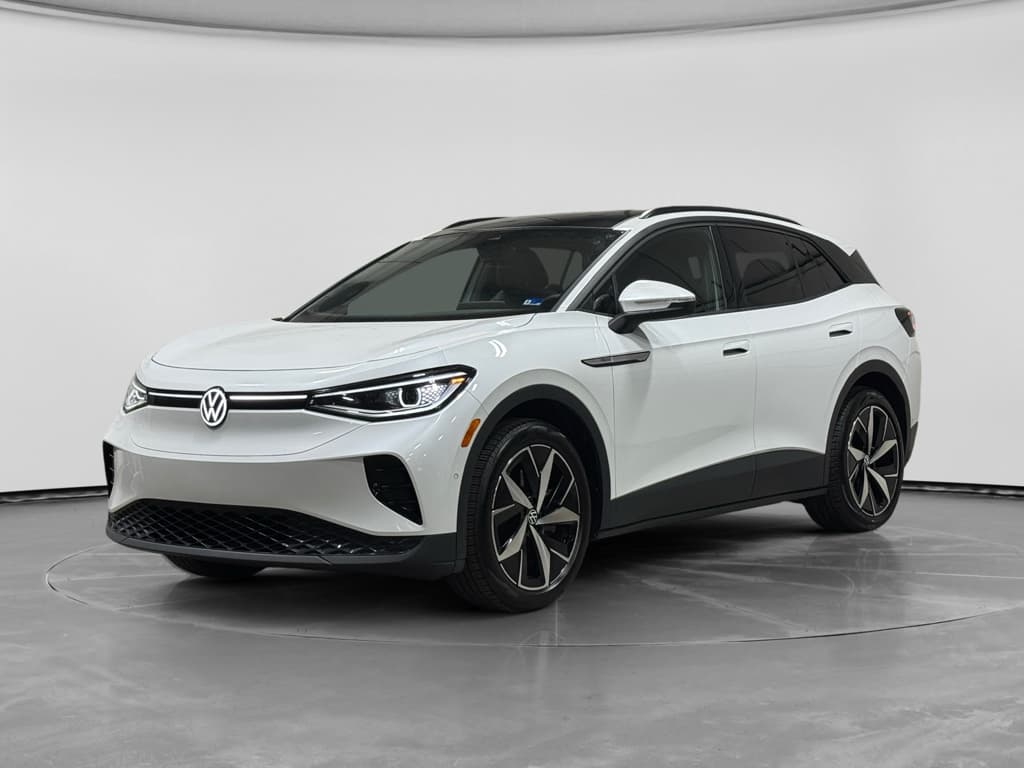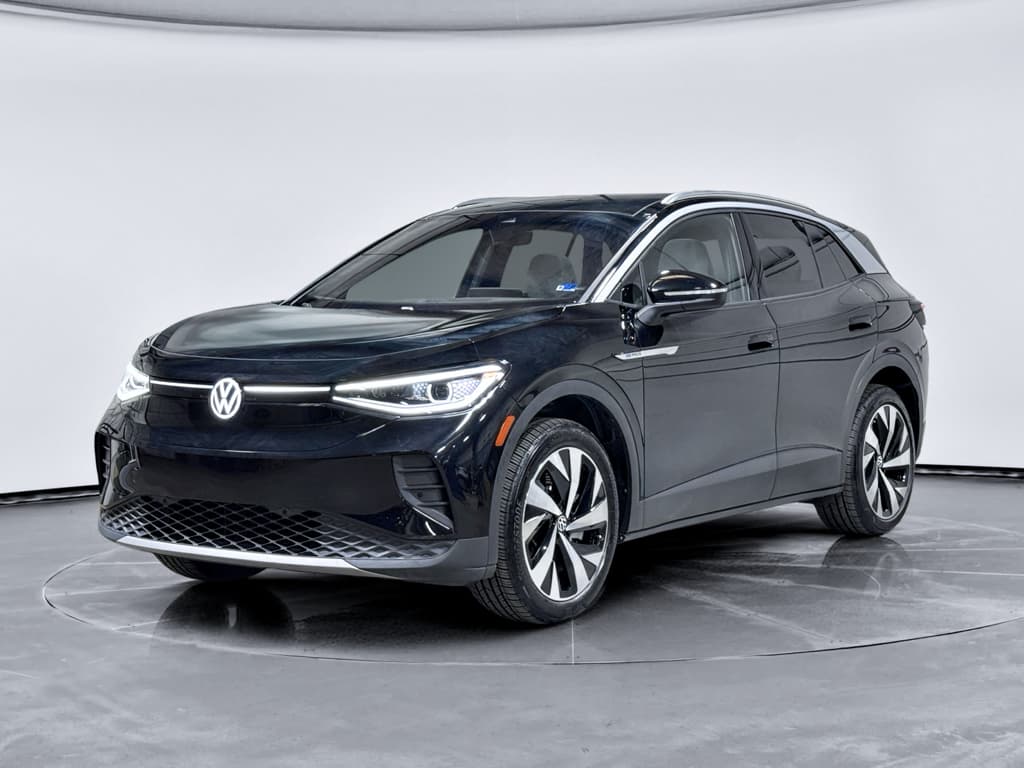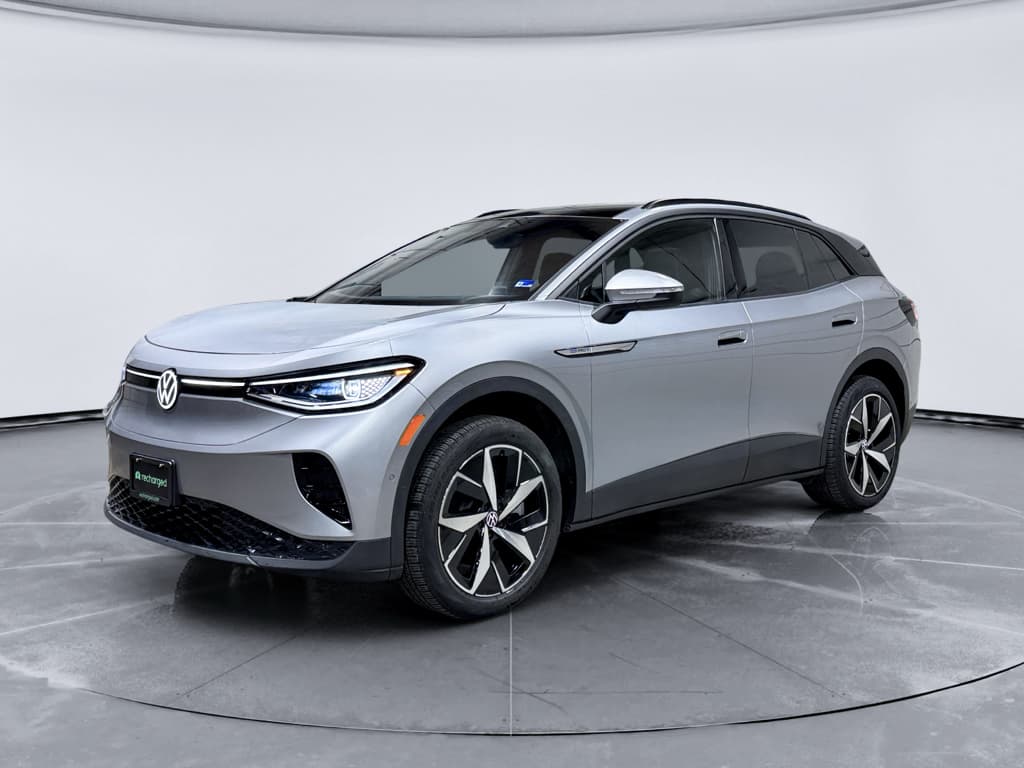
If you’re looking at a 2024 VW ID.4, you’ve probably already heard the mixed reputation: comfortable ride, solid range, but also more than its share of software bugs and recalls. When you search for 2024 VW ID.4 problems, you’re really asking one thing: “Is this a smart EV to own, especially used?”
Quick take
Overview: How Serious Are 2024 VW ID.4 Problems?
2024 VW ID.4 Reliability Snapshot
Before zooming into the 2024 model year, it’s worth understanding that many “ID.4 horror stories” you see online mix together 2021–2025 cars. The broad pattern is consistent, though: excellent driving manners but weaker‑than‑average reliability, especially around the high‑voltage battery, charging hardware, 12‑volt system, and in‑car software.
Context matters
Reliability Data: What Surveys Say About the 2024 ID.4
Independent data has not been kind to the ID.4 overall. In Consumer Reports’ December 2024 reliability rankings, the ID.4 earned a 29/100 reliability score, landing near the bottom of all vehicles tested. That score lumps together multiple model years, but 2023–2024 cars still show elevated complaint levels compared with rival EVs.
- Most trouble spots are in in‑car electronics (infotainment, cameras, sensors) and electrical accessories (lights, wipers, keyless entry).
- Owner surveys highlight charging failures, strange battery error messages, and premature 12‑volt battery failure that can leave the car undriveable until replaced.
- Mechanical components, steering, suspension, motors, are not trouble‑free but show fewer systemic issues than the software and electrical systems.
Across owner forums, you see the same split: some drivers rack up tens of thousands of miles trouble‑free, while others feel like unpaid beta testers. If you’re risk‑averse, this spread in outcomes is exactly why you should approach a used 2024 ID.4 with structured due diligence rather than emotion, especially when there are plenty of off‑lease examples with wildly different histories.
Battery & Charging Problems on the 2024 VW ID.4
Battery and charging issues are the most consequential 2024 VW ID.4 problems, because they can sideline the vehicle entirely, or, in rare cases, raise safety concerns. It helps to separate what’s annoying from what’s actually high‑risk.
Main Battery & Charging Problem Types
What 2024 ID.4 owners most often complain about
Public charger failures
Owners report the ID.4 sometimes refuses to start a DC fast charge or stops charging mid‑session, even when other EVs charge normally at the same station. Often this is traced to software quirks or outdated firmware on the car or the charger.
12‑volt battery failures
A weak 12‑volt battery can prevent the high‑voltage pack from coming online, leaving the car “dead” even when the main battery is charged. Many owners report 12‑volt replacements within the first year, often under warranty.
High‑voltage battery recalls
Recent recalls cover tens of thousands of ID.4s for potential fire risk from misaligned electrodes or software issues. A smaller subset of 2023–2024 cars is under strict guidance to avoid fast charging, park outside after charging, and cap charge at 80% until modules are replaced.
High‑voltage battery fire‑risk recalls
Major Battery & Charging‑Related Campaigns Touching 2024 ID.4s
Exact coverage depends on build date and VIN. Always verify with a dealer.
| Issue | Model years affected | Risk | Typical remedy |
|---|---|---|---|
| Misaligned HV cell electrodes | 2023–2024 | Thermal event / fire risk | Replace affected high‑voltage battery modules; park outside and limit charging until repair. |
| HV battery monitoring / software | 2023–2025 | Fire risk or incorrect fault detection | Update battery management software; in some cases, replace pack. |
| On‑board charger / 12V charging | Primarily 2024 | 12‑volt not charging, potential loss of propulsion | Replace or reprogram on‑board charger and related components. |
Use this as a conversation starter with a seller or service advisor, not as a replacement for an official VIN check.
On top of official recalls, there’s the day‑to‑day experience. Many ID.4 drivers describe intermittent charging errors at public DC fast chargers or home wallboxes. Sometimes this is the charger’s fault; sometimes it’s the ID.4’s software being picky about handshake protocols.
Smart test drive move
Software & Infotainment Glitches Owners Report
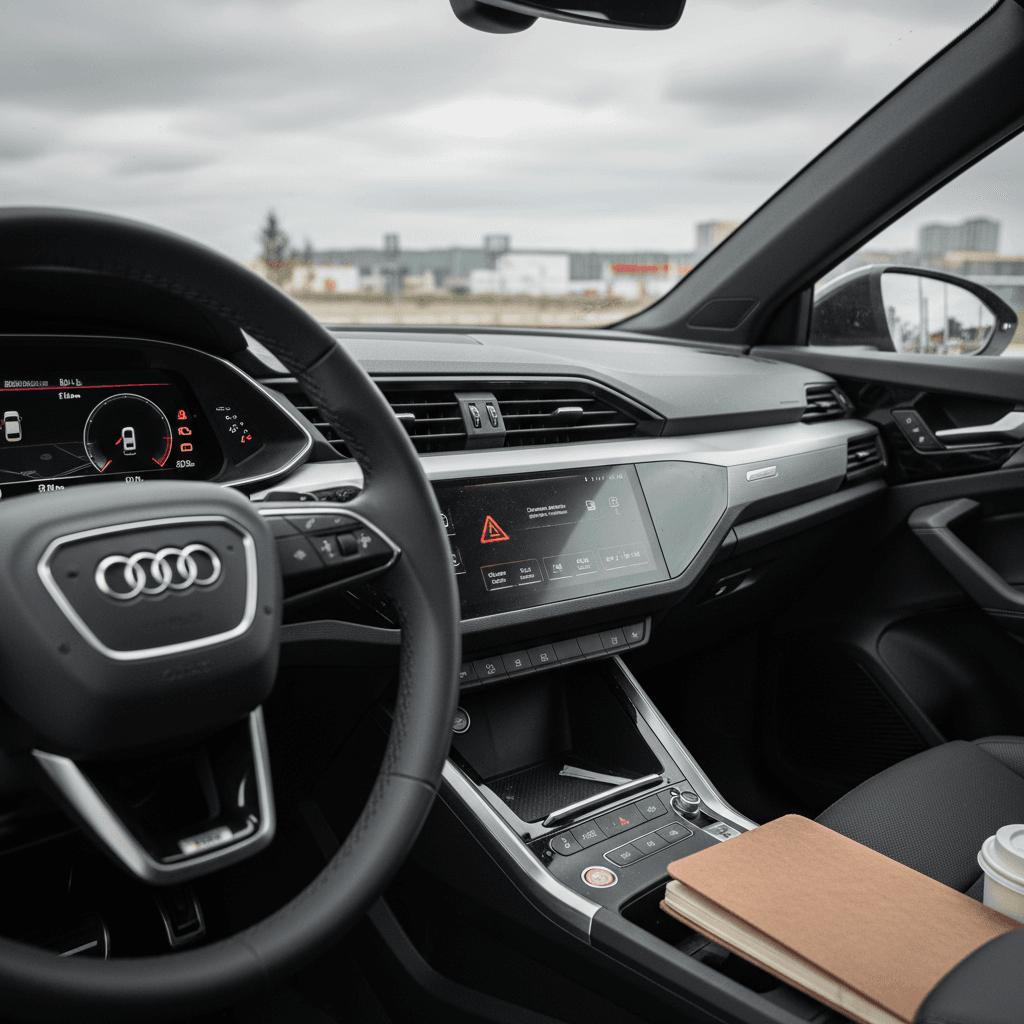
If the battery and charging issues are the headline‑grabbing 2024 VW ID.4 problems, then software and UX quirks are the day‑to‑day irritants. This is where Volkswagen’s learning curve as a software‑centric automaker is on full display.
1. Infotainment freezes & lag
- Owners report the center screen locking up, going blank, or rebooting while driving.
- Because climate, audio, and many driver‑assist settings live in the screen, these glitches are more than cosmetic.
- Some drivers have resorted to pulling fuses or performing hard resets to clear bugs.
2. Profiles, app, and connectivity
- Driver profiles sometimes fail to load seat and lighting presets, or the system asks you to log in again after short gaps.
- The VW mobile app can be flaky for remote climate and state‑of‑charge checks, especially in cold weather, where a weak 12‑volt seems to worsen the problem.
- Bluetooth and phone preference between two devices (e.g., partners’ phones) can be inconsistent.
Driver‑Assist & Wiper Complaints
Not widespread safety failures, but real annoyances for some owners
Over‑sensitive emergency braking
Some ID.4s exhibit overly cautious automatic emergency braking, triggering in response to puddles, curbs, or parked cars at low speed. That’s jarring if it happens regularly, and something to test on your demo drive.
Cold‑weather sensor outages
Front camera and sign‑reading functions may be temporarily disabled in very cold or snowy conditions. This is common across many brands, but ID.4 owners complain about frequent alerts and beeps when systems drop out.
Rain‑sensing wiper behavior
Multiple 2024 owners say the auto wipers respond slowly or erratically, especially in snow. Many simply turn the feature off and use manual low speed.
Why software bugs matter more in EVs
Key Safety Recalls Affecting the 2024 ID.4
The ID.4 line has had a busy recall record, and the 2024 model year is no exception. Most campaigns are software‑fixable, but a few involve high‑voltage components and carry stricter guidance until repairs are complete.
- High‑voltage battery cell recalls: A subset of 2023–2024 ID.4s built with misaligned cell electrodes can have an elevated fire risk, prompting park‑outside guidance and avoidance of DC fast charging until modules are replaced.
- Battery monitoring / software recalls: A broader recall covers 2023–2025 ID.4s to update battery management software and, in some cases, replace the entire pack if abnormal cell behavior is detected.
- Gear‑indicator / rollaway risk: Separate from the battery campaigns, over 60,000 VW and Audi EVs were recalled for gear display issues that can increase rollaway risk if the parking brake isn’t set. Software updates to the brake control unit address this.
- On‑board charger / 12‑volt recalls: Roughly 13,000+ 2024‑era ID.4s and related Audi models were recalled over faulty on‑board chargers that failed to maintain the 12‑volt battery, potentially causing a loss of propulsion.
Good news about recalls
Everyday Nuisances & Design Quirks
Beyond serious 2024 VW ID.4 problems, there are design decisions that simply don’t age well in daily use. If you’re cross‑shopping with a Tesla Model Y, Hyundai Ioniq 5, or Ford Mustang Mach‑E, these little things can sway you one way or another.
- Window switch logic: Volkswagen uses two switches plus a toggle to control four windows. Some owners complain about unwanted window movement, especially early in ownership before they adapt.
- Capacitive touch sliders: Volume and climate sliders are unlit and can be awkward to use at night compared with physical knobs. You’ll either get used to them, or hate them every day.
- Backup camera placement: The rear camera sits low and can quickly get dirty, making night visibility poor until cleaned.
- Auto lock / unlock behavior: Reports of the car failing to recognize the key consistently for passive entry add frustration, particularly when your hands are full.
- Interior rattles & trim noises: Some owners of Chattanooga‑built ID.4s report plastic creaks as the car ages, while others report near‑silent cabins; it’s build‑to‑build dependent.
Drive quality is a bright spot
Buying a Used 2024 ID.4: Problem Checklist
The upside of a complicated reputation is simple: you can often find a 2024 ID.4 with low miles and attractive pricing. The key is to avoid the small percentage of cars with unresolved 2024 VW ID.4 problems and to verify that high‑voltage and software issues are under control.
Used 2024 ID.4 Inspection & History Checklist
1. Run a full VIN recall check
Use the NHTSA and VW owner portals to confirm all open recalls are completed, especially HV battery, on‑board charger, and gear‑indicator campaigns. Ask for dealer invoices showing what was done.
2. Confirm software and map versions
From the infotainment settings, note the software version and compare it to current dealer guidance. A car that hasn’t seen recent updates may still have lurking bugs or incomplete recall work.
3. Test AC and DC charging in real life
If possible, plug into a Level 2 public charger and a DC fast charger. Watch for start failures, unexpected session drops, or error messages. This is one of the best stress‑tests for ID.4 ownership.
4. Check 12‑volt battery age and history
Look for invoices showing 12‑volt replacement or recall work. If it’s still on the original 12‑volt and the car is two years old, budget for a pre‑emptive replacement or negotiate on price.
5. Exercise all driver‑assist features
On your test drive, try adaptive cruise, lane keeping, and emergency braking in safe conditions. You’re looking for warning lights, over‑sensitive braking, or functions that fail to activate.
6. Stress‑test the infotainment
Spend 10–15 minutes with navigation, CarPlay/Android Auto, climate controls, and user profiles. The screen should not freeze, reboot, or lag badly. A short drive is not enough, live with the UI for a bit before you buy.
7. Listen and feel for build‑quality issues
On a rougher road, listen for rattles from the dashboard and door panels. Operate windows, locks, and seats. Light creaks are normal in many EVs, but persistent groans or binding mechanisms deserve a closer look.
8. Review usage patterns with the seller
Ask how often the car was DC fast charged and where it was parked. A garage‑kept ID.4 primarily charged on Level 2, with battery capped around 80–90%, is ideal from a battery‑health standpoint.
Leverage documentation when negotiating
How Recharged Evaluates ID.4 Battery Health
Because the 2024 ID.4’s biggest long‑term question mark is its battery and charging hardware, a surface‑level test drive isn’t enough. This is exactly the gap Recharged was built to close for used‑EV shoppers.
What the Recharged Score Tells You on a Used ID.4
Beyond a basic Carfax or visual inspection
Verified battery health
Every ID.4 on Recharged comes with a Recharged Score Report that includes pack health diagnostics. We look at usable capacity versus original, balance between cells, and charging behavior history where available.
Charging behavior & compatibility
Our EV‑specialist technicians check for charge‑port faults, DC fast‑charge behavior, and errors with common public networks. That helps flag cars that might look fine at home but misbehave on road trips.
Fair‑market pricing & history
We benchmark pricing against trim, mileage, recall status, and battery health, so a 2024 ID.4 that’s had major HV work done and is fully updated can be priced, and judged, differently from a neglected example.
Ready to find your next EV?
Browse VehiclesIf you already own a 2024 ID.4 and are thinking about trading out, Recharged can also provide an instant offer or consignment option. Our nationwide, fully digital retail experience and EV‑specialist support are built around exactly these kinds of nuanced vehicles, where understanding the battery and software history is half the battle.
Recharged data
Used Volkswagen Id4 battery health
93%
avg remaining capacity
From Recharged battery inspections, not manufacturer estimates.
- Lowest
- 79%
- Median
- 93%
- Highest
- 100%
- Est. range
- 240 mi avg
- Cell balance pass
- 100%
Average cell imbalance: 7.4 mV
Based on vehicles Recharged tested as of Jul 23, 2026
Recharged data
Used Volkswagen Id4 prices at Recharged
$23,749
median list price
Current list prices for matching inventory at Recharged.
- Lowest
- $16,998
- Average
- $23,488
- Highest
- $27,590
Average Recharged Score on these listings
4.8 / 5
Range
4.5 – 4.9
Based on available listings as of Jul 23, 2026
FAQ: 2024 VW ID.4 Problems & Ownership
Frequently Asked Questions About 2024 ID.4 Problems
Bottom Line: Should You Avoid the 2024 VW ID.4?
If your only goal is to minimize risk, there are EVs with cleaner reliability records than the 2024 VW ID.4. The pattern of battery‑related recalls, app and software glitches, and 12‑volt issues is real, and you shouldn’t wave it away.
But the market rarely prices nuance correctly. Because the ID.4’s problems are so public, you can often find a 2024 example that has had all major campaigns completed, software brought up to date, and battery health verified for thousands less than an equivalent competitor. In that context, the ID.4 starts to look less like a lemon and more like a mispriced asset, as long as you buy intelligently.
That’s where a structured process matters. Whether you use this checklist on your own or lean on a platform like Recharged, with its battery‑focused Recharged Score Report, fair‑market pricing, trade‑in and consignment options, and EV‑specialist support, you’re not just rolling the dice on internet anecdotes. You’re buying a specific 2024 ID.4, with a specific, documented history. And that, much more than the headline stories, is what determines whether you end up happy with the car parked in your driveway.