If you own, or are thinking about buying, a Tesla Model Y, the phrase that eventually crosses your mind is: “What happens when the warranty runs out?” Tesla Model Y after-warranty costs don’t have to be scary, but you do need a realistic picture of repairs, battery risks, and smart ways to protect yourself, especially if you’re shopping used.
Quick snapshot
How expensive is a Model Y after the warranty ends?
Tesla Model Y cost picture at a glance
Put simply, a Model Y is usually cheaper to keep on the road than a comparable gas SUV, even after warranty, but the shape of the costs is different. Day‑to‑day maintenance is low, yet rare failures (electronics, suspension, HVAC, or in extreme cases the battery) can mean one‑time repair invoices of $1,500–$5,000+. Understanding which bucket you’re likely to land in is the key to smart budgeting.
Tesla Model Y warranty basics in plain English
Before you talk about Tesla Model Y after-warranty costs, you need to know where the warranty line actually sits. For U.S. buyers, most recent Model Y vehicles include two key pieces of coverage:
- New Vehicle Limited Warranty: 4 years or 50,000 miles (bumper‑to‑bumper). This covers most components: touchscreen, electronics, HVAC, suspension, interior hardware, and so on.
- Battery and Drive Unit Warranty: Typically 8 years and 120,000–150,000 miles (depending on trim), with a minimum battery capacity guarantee. This is what protects you from most high‑voltage battery and motor failures in the first 8 years.
Don’t confuse the two warranties
Once that 4‑year/50,000‑mile basic warranty ends, almost all day‑to‑day issues move into the “your wallet” category, while the big propulsion pieces may still be protected for several more years.
Typical annual costs for a Model Y in years 5–10
Real‑world data suggests the Tesla Model Y stays relatively inexpensive to own in its middle years, provided you avoid accident damage and catastrophic failures. Tesla itself pegs typical annual maintenance for the Model Y in the $316–$643 range under normal use, and third‑party total‑cost‑of‑ownership tools show relatively modest repair outlays until the car gets older.
Estimated annual costs for a Model Y after year 4
These ballpark figures assume 12,000–15,000 miles per year and no major collision damage.
| Item | Conservative owner | Typical owner | Higher‑risk scenario |
|---|---|---|---|
| Routine maintenance (tire rotations, filters, brake fluid, wipers) | $200–$350/yr | $250–$450/yr | $300–$500/yr |
| Wear items (tires, occasional brakes, 12V battery) | $250–$400/yr (averaged) | $300–$500/yr | $400–$650/yr |
| Repairs (electronics, HVAC, sensors, suspension), averaged over several years | $150–$300/yr | $250–$500/yr | $400–$900/yr |
| Total typical annual cost, years 5–10 (excluding insurance/charging) | ~$600–$1,050 | ~$800–$1,400 | ~$1,100–$2,000+ |
Actual costs will vary with driving style, climate, and how the car was maintained when new.
Why these numbers are usually lower than gas SUVs
Big-ticket Tesla Model Y repairs to watch for
Most Model Y owners will never see a battery invoice, but almost everyone will eventually deal with some sort of four‑figure repair once the car gets older or higher‑mileage. Here are the most common heavy hitters you should budget for when you think about Tesla Model Y after-warranty costs:
Common out-of-warranty Model Y repair categories
These aren’t guaranteed, but they’re the usual suspects in owner reports.
Touchscreen & electronics
Tesla’s center screen is the brain of the car. If it or its control modules fail outside warranty, owners often see invoices in the $1,200–$2,000 range for parts and labor. Smaller items (window switches, sensors, camera replacements) tend to fall between a few hundred dollars and $1,000.
HVAC & heat pump system
Later Model Ys rely heavily on a heat‑pump system for cabin comfort and battery efficiency. When components like the compressor, valves, or condenser fail out of warranty, repair bills commonly land in the $1,000–$3,000 band, especially if several parts are replaced at once.
Suspension & steering
Control arms, bushings, and shocks can wear faster on heavier EVs that see rough roads. A single corner repair can be several hundred dollars; a more complete refresh or steering‑rack work can push into the $1,000–$2,500 range.
Charging hardware & drive components
Onboard chargers, high‑voltage contactors, and drive unit components are still relatively rare failure points, especially while under the 8‑year battery/drive warranty. But outside that window, a failed onboard charger or DC fast‑charge component could mean $2,000–$4,000+ in parts and labor.
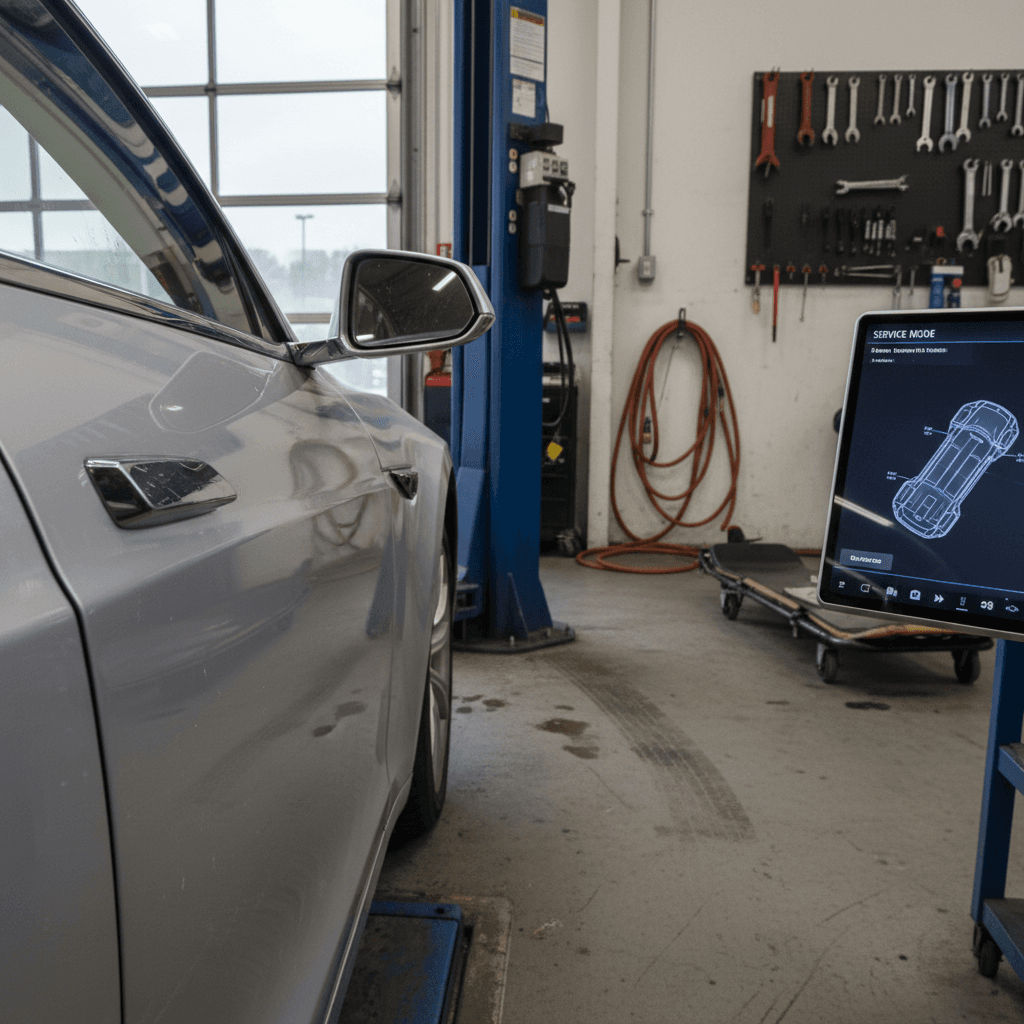
Collision damage is a separate, and big, category
Model Y battery replacement: what it really costs
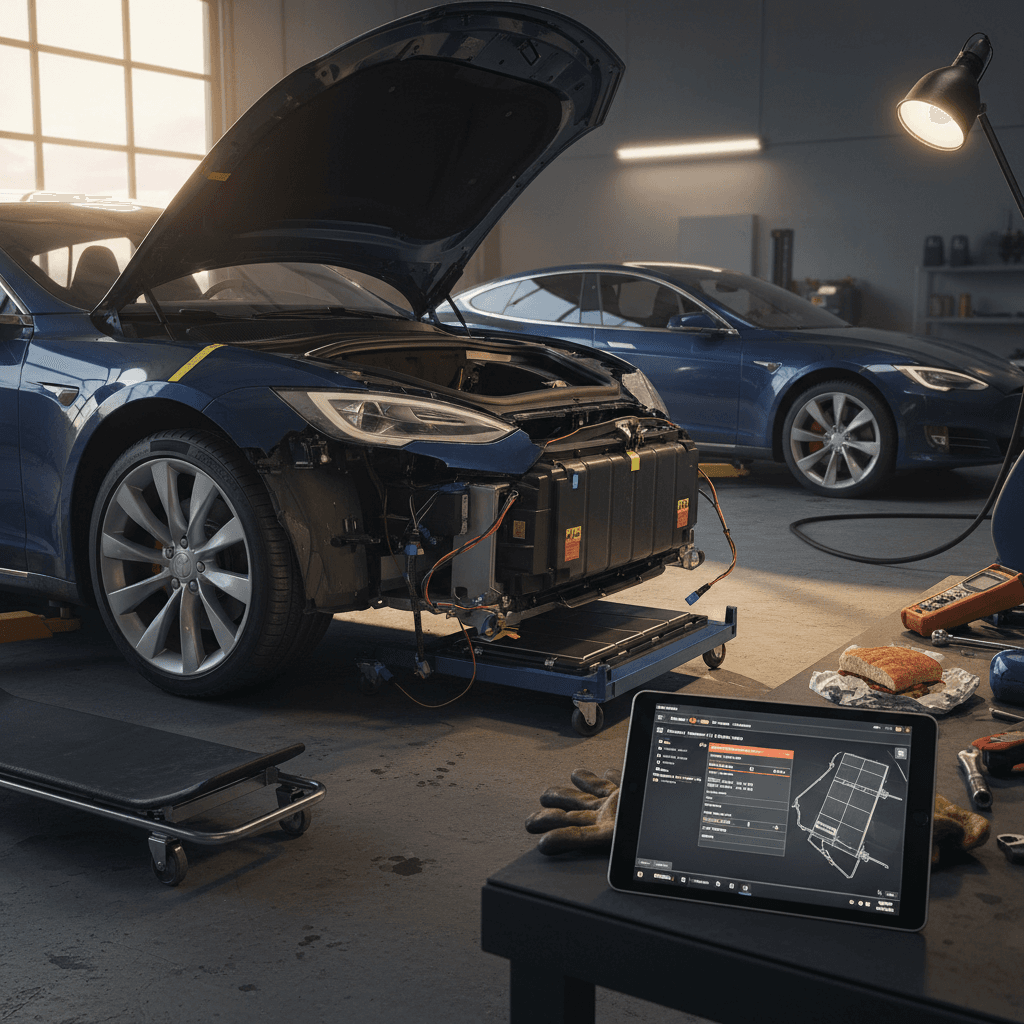
Let’s address the elephant in the room. For most shoppers, the phrase “Tesla Model Y after-warranty costs” really means: “Am I going to get stuck with a $15,000 battery bill?”
The good news is that full battery pack failures on the Model Y remain rare, and most cars will age out of ownership or be traded before a replacement is necessary. But it’s still important to know the stakes:
Current estimates for out‑of‑warranty Model Y battery replacement
Ballpark pricing for a full high‑voltage pack replacement on a Model Y at Tesla service centers or equivalent specialists.
| Type of replacement | Typical cost range | Notes |
|---|---|---|
| Refurbished/remanufactured pack | $11,000–$14,000 | Often used for warranty replacements; occasionally offered out of warranty when available. |
| New pack, like‑for‑like | $12,000–$16,500 | Most commonly quoted range for Long Range and Performance packs in recent owner reports. |
| Third‑party or independent EV specialist | Varies; often slightly less than Tesla | Availability depends heavily on region and how mature your local EV repair ecosystem is. |
Figures represent total job cost including pack, labor, diagnostics, and software updates.
Why most owners never see this bill
Crucially, the high‑voltage battery and drive unit on the Model Y are covered under a separate 8‑year / 120,000–150,000‑mile warranty (trim‑dependent). That means if a qualifying battery failure occurs early, you’d typically pay little or nothing out of pocket beyond a deductible, if any. The big financial risk lives in the post‑8‑year window, especially for high‑mileage vehicles.
Extended coverage options and whether they pencil out
For buyers who want more peace of mind, the key question is whether to pay for extended coverage or self‑insure by setting aside cash. Tesla’s own Extended Service Agreement (ESA) has been evolving, and in 2025 the company added a monthly subscription option for major models, including the Model Y.
What Tesla’s ESA typically looks like for Model Y
- Available while the basic 4‑year/50,000‑mile warranty is still active.
- Up to 4 additional years of coverage, maxing the car at 8 years or around 100,000 miles of total basic coverage.
- Recent pricing guidance: about $60 per month for a Model Y subscription‑style ESA, often with a per‑visit deductible.
- Covers most Tesla‑supplied parts and labor for covered component failures; does not usually extend the high‑voltage battery warranty, which is separate.
Rough cost‑benefit math
- Four years of ESA at $60/month is about $2,880 in premiums.
- One serious repair, like a touchscreen replacement plus a suspension issue, can easily total $2,500–$4,000 in out‑of‑pocket costs.
- If the car experiences even one qualifying major failure in that period, the ESA can pay for itself or come close.
- If your Model Y is low‑mileage, garaged, and driven gently, self‑insuring (saving $60/month in a reserve fund) may be the better financial choice.
When extended coverage often makes sense
How buying a used Model Y changes the math
Shopping for a used Tesla Model Y is where after‑warranty costs really matter. You’re not just inheriting a vehicle, you’re inheriting its previous owner’s habits and any hidden issues that might surface after the sale.
Used Model Y cost risks to evaluate before you buy
1. Remaining battery & drive warranty
Confirm the in‑service date and mileage so you know exactly how much of the 8‑year battery/drive warranty remains. A 3‑year‑old Model Y with 40,000 miles and 5 years of coverage left is very different from a 7‑year‑old, 110,000‑mile car.
2. Accident and repair history
Look for prior structural repairs, airbag deployment, or major front/rear impacts. Teslas that have had heavy body or structural work can be more expensive to fix later, and some independent shops won’t touch previously “totaled” EVs.
3. Battery health and fast‑charging usage
Rapid DC fast‑charging isn’t automatically bad, but <strong>heavy Supercharger use</strong>, hot‑climate operation, and frequent 0–100% charge swings can accelerate degradation. A quantified battery‑health report gives you better insight than the dash’s range estimate alone.
4. Service records and recall compliance
Review Tesla service history and check that open recalls have been addressed. A car that has seen prompt repair of issues (rather than deferred maintenance) is less likely to surprise you out of warranty.
5. Prior owner driving profile
A mileage‑heavy highway commuter car can be easier on certain components than a low‑mileage, short‑trip vehicle that sees constant stop‑and‑go and curb strikes. Ask how the car was actually used.
How Recharged helps on the used side
Seven ways to keep after-warranty costs low
You can’t control every repair, but you have more influence over Tesla Model Y after-warranty costs than you might think. These practical steps can materially reduce your odds of expensive surprises.
- Stay ahead on software and recall updates. Tesla pushes many fixes over‑the‑air, but some safety‑critical items still require service visits. Don’t ignore update prompts or recall notices, some address issues that could become out‑of‑warranty failures later.
- Protect the suspension and wheels. Avoid chronic pothole abuse, large aftermarket wheels, and curb strikes. Small alignment issues left alone can eat tires and strain bushings, turning into bigger suspension bills.
- Keep the battery in its “happy zone.” For daily use, aim to keep state of charge roughly between 20% and 80% when possible. Reserve full 100% charges and repeated 0% runs for road‑trip days, not every day.
- Use DC fast charging strategically. Occasional Supercharger use is fine; using DC fast charging as your primary charging method can increase stress on the pack and thermal system over many years.
- Follow Tesla’s basic maintenance guidance. That includes periodic brake‑fluid checks, cabin air‑filter replacement, and A/C desiccant bag service. Skipping small items can shorten the life of expensive components.
- Build a modest EV repair fund. Instead of worrying about every potential failure, set aside $50–$100 per month in a dedicated account once the basic warranty expires. Over several years, that fund can cover most common surprises.
- Choose your car carefully if buying used. A clean history, verified battery health, and a trusted seller (or marketplace like Recharged) can eliminate many of the costliest scenarios before you ever sign.
Beware of tempting but cheap accident cars
Is a high‑mileage Tesla Model Y worth it?
With more early Model Ys entering the used market, buyers are seeing 80,000‑ to 150,000‑mile examples at appealing prices. The question is whether the discount justifies the higher risk of after‑warranty costs.
Upsides of a higher‑mileage Model Y
- Lower purchase price can easily save $8,000–$15,000 compared with a low‑miles example.
- Most big early‑life defects will already have surfaced and been fixed, if the car has strong service history.
- If you only plan to keep the vehicle for a few more years and modest mileage, you may never reach the age/miles where a battery replacement becomes likely.
Key risks to factor in
- You’re closer to the end, and potential expiration, of the 8‑year battery/drive warranty.
- Suspension, HVAC, and electronics have all had more time to wear; the odds of a $1,500+ repair are higher.
- Resale value on a very high‑mileage EV can soften quickly once it crosses both age and mileage thresholds.
How to decide if the deal works
Tesla Model Y after-warranty FAQ
Frequently asked questions about Model Y after-warranty costs
Bottom line on Model Y after-warranty costs
When you zoom out, the Tesla Model Y remains one of the more affordable performance crossovers to own long‑term. Routine maintenance is modest, fuel (electricity) costs are low, and the 8‑year battery/drive warranty pushes the scariest failures farther into the future. The flip side is that electronics, HVAC, suspension, and, eventually, the battery can generate large but infrequent repair bills once the basic warranty expires.
If you understand those trade‑offs, budget realistically, and choose the right vehicle up front, ideally with verified battery health and a clear history, Tesla Model Y after-warranty costs don’t have to be a deal‑breaker. They become just another line item in a well‑planned ownership story. And if you’re shopping for a used Model Y, a transparent, EV‑focused marketplace like Recharged can give you the data, diagnostics, and financing tools you need to make that story a lot more predictable.