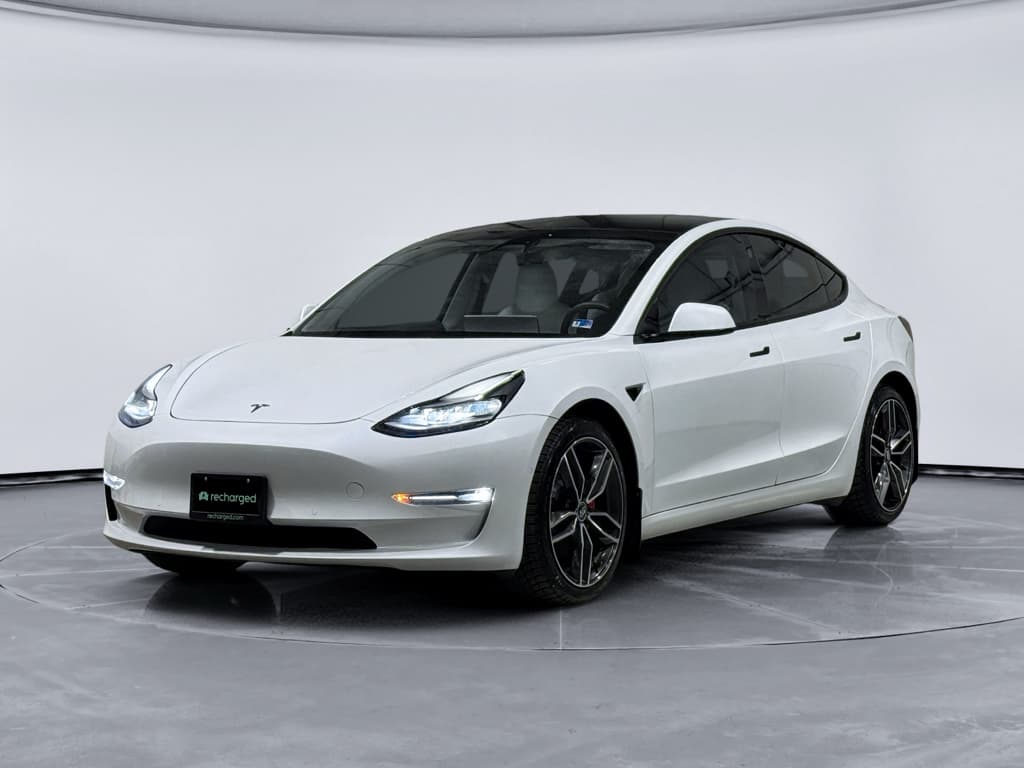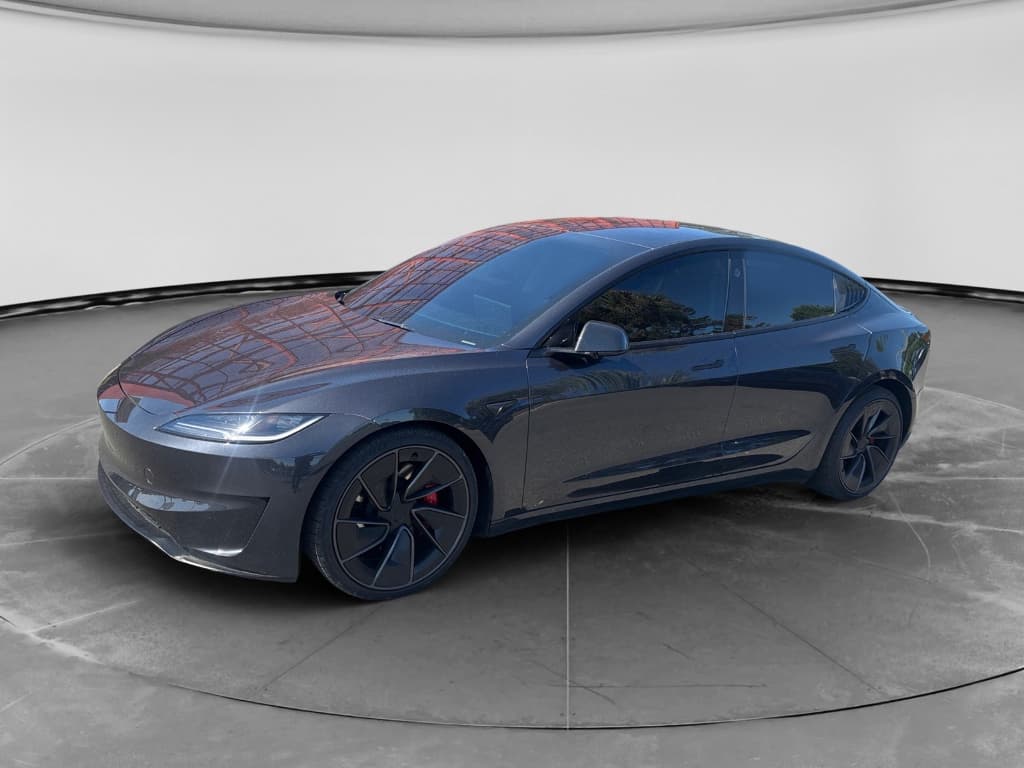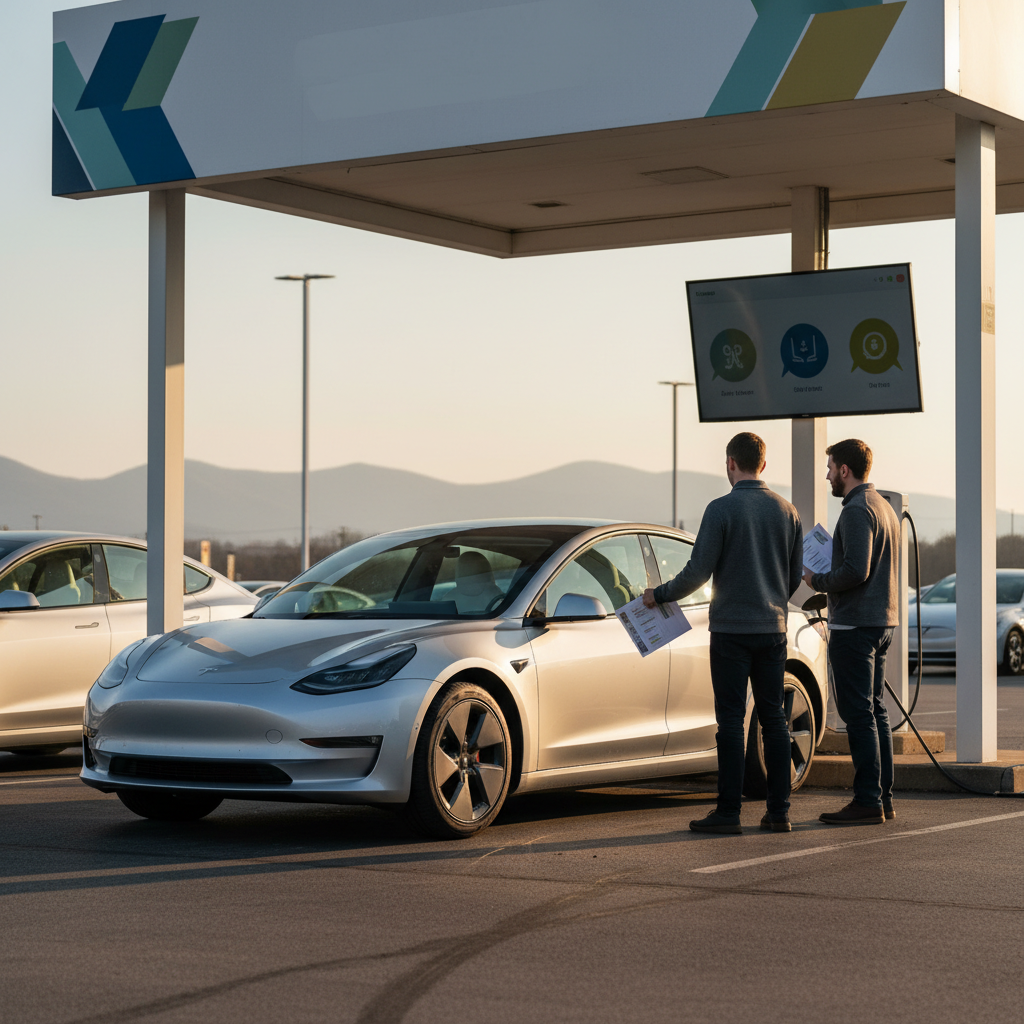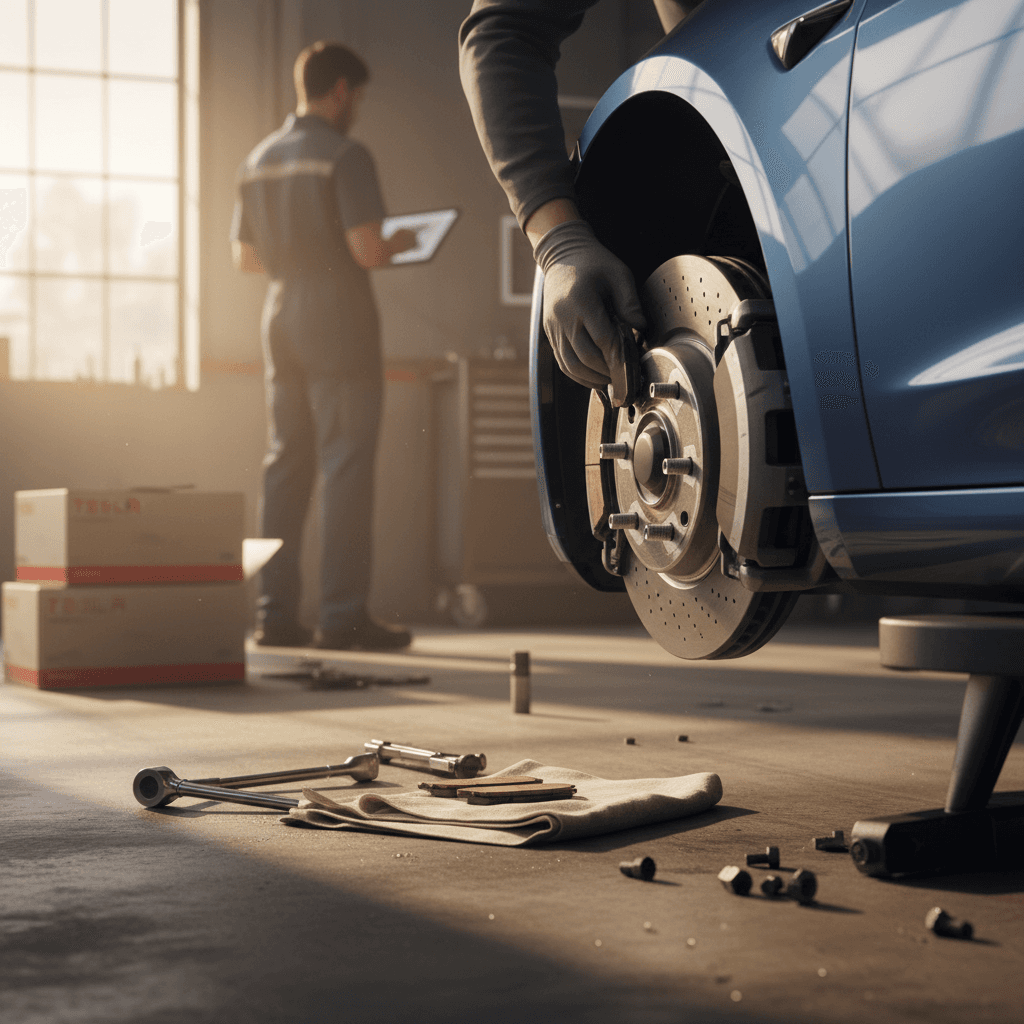
If you’re used to owning gas cars, you may be bracing for regular brake jobs. With a Tesla Model 3, the story is very different. Regenerative braking dramatically reduces wear, so you’ll replace pads far less often, but when you do, the Tesla Model 3 brake pad replacement cost can still catch you off guard if you’re not prepared.
Quick answer
Why Tesla Model 3 brake pad costs look different from gas cars
On a conventional gas car, friction brakes do most of the work of slowing you down, so pads and rotors wear quickly. On a Tesla Model 3, the electric motor handles a lot of the braking by reversing torque and recapturing energy, what you know as regenerative braking. That means your pads are used less often, especially in everyday commuting.
How Model 3 brakes differ from a gas car
Same components, very different workload
Less pad wear
Cooler operation
Same safety role
The downside of low brake use
Typical Tesla Model 3 brake pad replacement cost
Brake pricing varies by region, shop, and parts brand, but we can outline ballpark numbers many U.S. owners see for a Model 3 that only needs pads and a basic service. All numbers below assume out-of-warranty work and are meant as general guidance, not quotes.
Tesla Model 3 brake pad replacement cost ranges (U.S.)
Approximate 2025 pricing for common brake pad jobs on a Model 3, parts and labor.
| Service scenario | Where you go | What’s included | Typical cost range |
|---|---|---|---|
| Front pads only | Tesla Service Center | Front pads, labor, basic cleaning | $250–$400 |
| Rear pads only | Tesla Service Center | Rear pads, labor, basic cleaning | $230–$380 |
| All four wheels pads | Tesla Service Center | Front + rear pads, labor, cleaning | $480–$750 |
| Front pads only | Independent EV-friendly shop | Aftermarket pads, labor | $200–$350 |
| All four wheels pads | Independent EV-friendly shop | Aftermarket pads all around, labor | $350–$650 |
| DIY pad replacement | Owner-installed | Quality pads only, no labor | $120–$260 for all four wheels |
Real quotes will vary with labor rates, taxes, and parts selection, but this table gives you a realistic starting point.
Ask what’s included
Tesla Model 3 brake wear and cost at a glance
Brake rotor and caliper costs for the Tesla Model 3
Pads are only part of the story. If you’ve driven in harsh winters, near the coast, or left the car sitting for long periods, your Tesla Model 3 may also need rotors or even calipers. That’s where the bill can rise quickly.
- Rotors: Expect roughly $120–$220 per rotor for quality parts, plus about $150–$250 in labor per axle if they’re being replaced with pads.
- Rotor resurfacing: Some shops will machine rotors instead of replacing them if thickness and condition allow. This can add $60–$120 per axle instead of full rotor cost.
- Calipers: A seized or damaged caliper on a Model 3 can run roughly $350–$700 per corner installed, depending on whether it’s a new Tesla unit or a remanufactured part from an independent shop.
Don’t ignore rusted rotors
How long Tesla Model 3 brake pads usually last
There’s no single mileage number that fits every Tesla Model 3, but compared with a gas sedan that might need pads every 30,000–45,000 miles, EV owners are routinely stretching much farther. It’s common to see original pads still in good shape around 60,000 miles, and plenty of owners report going past 100,000 miles before needing a full pad job.
Factors that extend pad life
- Heavy use of regen: Driving in “Standard” or “High” regenerative mode and planning ahead so you let the motor slow the car instead of the friction brakes.
- Highway driving: Long, steady-speed trips with few stop‑and‑go moments are easy on pads and rotors.
- Mild climates: Less road salt and humidity means less corrosion on rotors and caliper hardware.
Factors that shorten pad life
- Aggressive driving: Late, hard braking and frequent high‑speed stops put real heat into pads and rotors.
- Steep hills or towing: Long downhill grades can overwhelm regen and lean more on friction brakes.
- Rust and sticking: In snowy or coastal regions, corrosion can force early rotor or caliper replacement even if pad material remains.
Good news for used EV buyers
Signs your Tesla Model 3 may need brake pads or rotors
The Model 3’s software can alert you to some issues, but it’s still important to pay attention to old‑fashioned warning signs from the brake system. Don’t rely on regen alone to tell you everything is fine.
Common warning signs of Model 3 brake problems
Grinding, scraping, or squealing noises
Persistent high‑pitched squeals or grinding when you press the pedal often indicate worn pads or rust buildup. Occasional light squeaks after rain can be normal, but any ongoing noise deserves an inspection.
Steering wheel or pedal vibration
If the steering wheel or brake pedal shakes under moderate braking, your rotors may be warped or uneven. That typically calls for resurfacing or replacement, not just new pads.
Car pulling to one side
A pull under braking can mean one caliper is sticking or one side’s pads are more worn than the other. Left alone, that can damage rotors and create safety issues.
Brake warning messages
Tesla may show alerts related to the brake system, ABS, or stability control. Don’t ignore these, schedule a service appointment or have a qualified shop scan the car.
Parking brake issues
If the car won’t release the parking brake properly, or you hear grinding or loud clunks when it engages, the rear calipers or parking brake mechanism may need attention.
When to stop driving
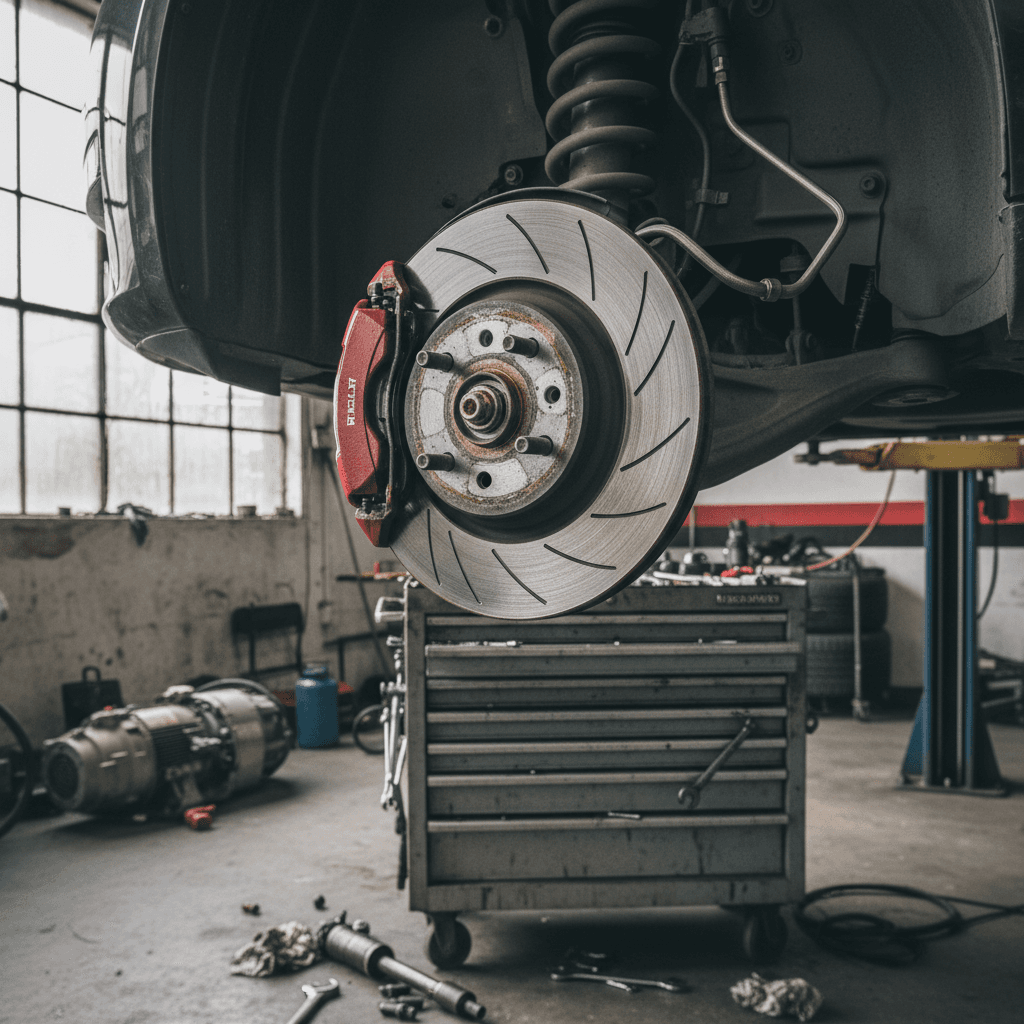
Tesla Service Center vs independent shop for brake work
You don’t always have to go to a Tesla Service Center for brake pads or rotors. Many independent shops now understand EV hardware and can work on a Model 3 with the right tools. Each route has its trade‑offs.
Where to service your Model 3 brakes
How Tesla Service Centers compare with independent EV‑friendly shops
Tesla Service Center
- Pros: Factory parts, technicians familiar with Tesla procedures, easy app scheduling, firmware updates and checks while it’s in.
- Cons: Often higher labor rates, limited locations, longer wait times in some markets.
Independent EV-friendly shop
- Pros: Potentially lower labor rates, more flexibility with aftermarket pads and rotors, may be closer to home.
- Cons: Need to verify EV experience, parts quality varies more, may not handle software‑related issues.
What to ask an independent shop
Practical ways to lower your Model 3 brake costs
Because brake work on a Tesla Model 3 tends to be infrequent but occasionally expensive, a little preventative care goes a long way. You can stretch pad life and avoid surprise rotor or caliper bills with a few habits and low‑cost services.
Cost‑saving tips for Tesla Model 3 brakes
Use regen, but still exercise the brakes
Drive with strong regenerative braking to save pad wear, but every so often perform a few firm stops from moderate speed in a safe area. That helps keep rotors clean and calipers moving freely.
Schedule periodic brake inspections
Have a shop or Tesla check pad thickness and rotor condition during tire rotations or annual checkups. Catching rust or sticking hardware early is cheaper than replacing entire calipers later.
Rinse the underbody in winter
In snowy, salty regions, periodic underbody rinses or touchless car washes help reduce corrosion on brake components and fasteners.
Compare OEM vs high‑quality aftermarket pads
Tesla‑branded pads are a safe choice, but some premium aftermarket pads can match performance and dust levels at a lower part cost. Ask your shop which brands they trust on EVs.
Bundle brake work with other service
If you’re already visiting a shop for tires or suspension work, asking for a brake inspection or pad job at the same time can reduce labor overlap.
Brakes and total cost of ownership
What brake costs mean when you’re buying a used Model 3
If you’re shopping for a used Tesla Model 3, brake condition is part of the bigger total‑cost‑of‑ownership picture. Pads and rotors might not be the single largest expense you’ll face, but an unexpected $800 brake job can still sting if you weren’t planning for it.
Questions to ask the seller
- Service history: Ask for invoices showing any brake work, including pad replacements, rotor machining, and brake fluid changes.
- Driving environment: Clarify whether the car lived in a coastal or high‑salt region, which raises the risk of rust‑related brake repairs.
- Typical use: Highway commuters usually have less brake wear than city drivers or those in hilly areas.
How Recharged can help
Every used EV on Recharged comes with a Recharged Score Report that highlights battery health and overall condition. While the score focuses on the high‑value EV components, we also factor in maintenance history and reconditioning, so if a Model 3 needed brake work, it’s addressed before you drive it home or clearly reflected in pricing.
You can browse, finance, trade in, and arrange delivery entirely online, or visit our Richmond, VA Experience Center for in‑person support.
Beyond brakes: the bigger maintenance picture
FAQ: Tesla Model 3 brake pad replacement cost & maintenance
Common Model 3 brake cost questions
Key takeaways on Tesla Model 3 brake pad replacement costs
Compared with a gas sedan, a Tesla Model 3 lets you go longer between brake jobs thanks to regenerative braking, but when pads, rotors, or calipers finally need attention, it pays to know what’s normal. In most U.S. markets, a full pad replacement on all four wheels will fall somewhere between $300 and $750, with additional costs if rotors or calipers are rusted or worn.
Use regen wisely, exercise the brakes occasionally, and schedule periodic inspections to keep surprises to a minimum. If you’re shopping used, make sure brake condition is part of the conversation, not just battery health and mileage. And if you’d rather not guess at past maintenance, consider browsing used EVs that come with a Recharged Score Report, transparent pricing, and EV‑specialist support from test‑drive to delivery.