If you’re shopping for a Tesla, you’ve probably heard the horror stories: great car, pricey insurance. The reality is more nuanced. Tesla insurance cost by model varies a lot between a Model 3 commuter and a Plaid Model X or Cybertruck. In this guide, we’ll walk through real‑world 2026 averages, why Teslas are expensive to insure, and what you can do to keep costs in check, especially if you’re looking at a used Tesla.
Context for the numbers in this guide
Tesla insurance at a glance in 2026
How Tesla insurance compares in 2026
Average Tesla insurance cost by model
Let’s start with a quick snapshot. These are broad 2026 full‑coverage averages (liability + collision + comprehensive) for typical drivers with clean records and average credit. Think of them as starting points, not quotes.
Estimated 2026 Tesla insurance cost by model (U.S. averages)
Approximate full‑coverage annual premiums for common trims, assuming a 35‑year‑old driver with a clean record and average credit. Your rate can be lower or higher based on your personal profile and where you live.
| Tesla model | Typical annual premium (range) | Rough monthly equivalent | How it compares to average U.S. vehicle |
|---|---|---|---|
| Model 3 | $2,000–$2,600 | $165–$215 | Slightly to moderately above average |
| Model Y | $2,300–$2,900 | $190–$240 | Noticeably above average; recent spikes in some states |
| Model S | $2,900–$3,800 | $240–$320 | Luxury‑car territory, significantly above average |
| Model X | $3,200–$4,200+ | $265–$350+ | Among the most expensive mainstream vehicles to insure |
| Cybertruck | $3,500–$4,500+ (early estimates) | $290–$380+ | High premiums due to weight, repair cost, and novelty |
| Average U.S. vehicle (all makes) | ≈$2,200 | ≈$185 | Baseline for comparison |
Lighter trims and older model years will usually be near or below the low end of each range; high‑performance and Plaid trims tend to sit at the high end or above.
Treat these as guide rails, not guarantees
Why Tesla insurance is often higher than other cars
If Teslas are packed with safety tech, why do so many owners see eye‑watering insurance quotes? Insurers price risk, and Teslas bring a very specific mix of risk and cost to the table.
6 big reasons Teslas can be expensive to insure
Understanding these will help you shop smarter, and argue for better rates.
1. Expensive to repair
2. Complex technology
3. Strong acceleration
4. High vehicle value
5. State‑by‑state repair networks
6. Vandalism and theft trends
The flip side: Teslas can also look safer to insurers
How much does Tesla insurance cost by model?
Now let’s dig into each model. To keep this practical, we’ll talk about common trims and how different choices, like Performance packs or wheel upgrades, shift your premium up or down.
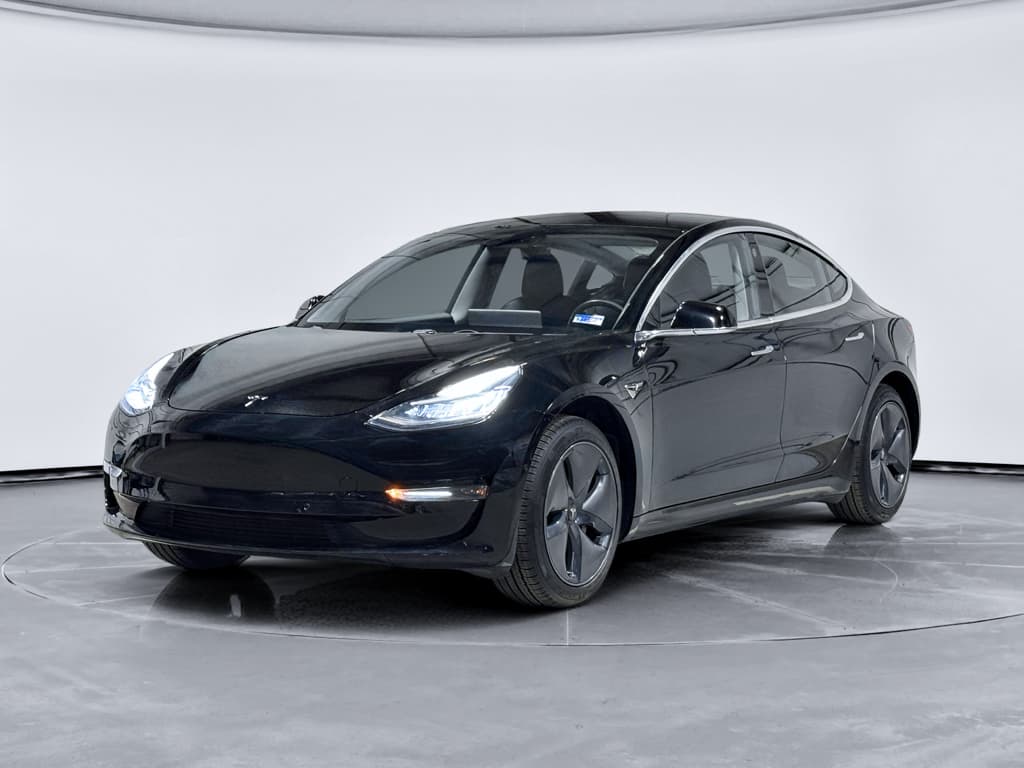
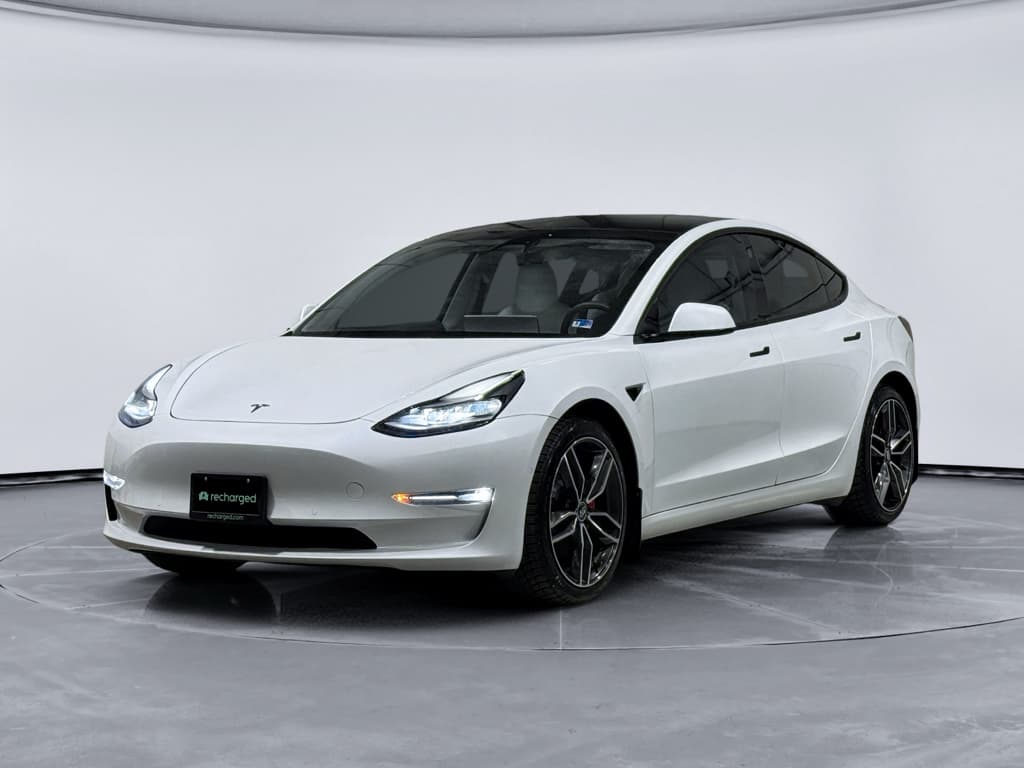
Tesla Model 3 insurance cost
The Model 3 is usually the least expensive Tesla to insure and often the best value for money. It’s smaller, lighter, and cheaper to buy than the rest of the lineup, which helps keep premiums closer to the national average, even though it’s still an EV with pricey parts.
- Typical 2026 full‑coverage premium: roughly $2,000–$2,600/year for a clean‑record 35‑year‑old driver.
- Base Rear‑Wheel Drive and Long Range trims tend to be at the lower end; Performance trims, big‑wheel options, and high‑traffic ZIP codes push you toward the upper end.
- Older used Model 3s (2018–2021) can insure for noticeably less, especially if their replacement value is lower and you choose higher deductibles.
Model 3 shopping tip
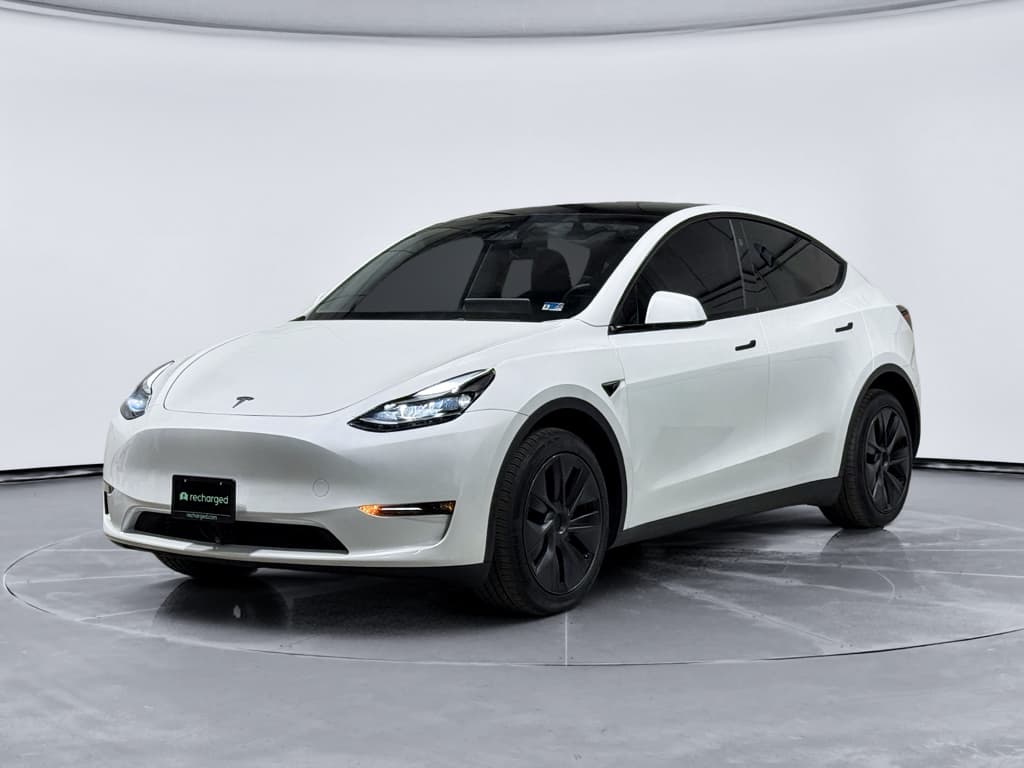
Tesla Model Y insurance cost
The Model Y is America’s EV best‑seller, and insurers have noticed. It’s a compact SUV with a higher center of gravity and higher claim frequency than the Model 3, which has led to sharper premium increases in the last couple of years.
- Typical 2026 full‑coverage premium: about $2,300–$2,900/year for many mainstream drivers.
- Long Range trims are mid‑pack; Performance trims and seven‑seat configurations often cost more to insure.
- Because so many Ys are on the road, regional claim trends (like vandalism or hail) can move Y premiums faster than other models.
Watch for regional spikes on Model Y
Tesla Model S insurance cost
The Model S is a large, powerful luxury sedan, and insurers treat it like one. It combines high vehicle value with performance that rivals exotic cars, plus complex body and interior repairs.
- Typical 2026 full‑coverage premium: roughly $2,900–$3,800/year, with Plaid and high‑MSRP configurations going even higher.
- Older used Model S sedans can be cheaper to insure than brand‑new Plaid models, but they may also lack some of the latest safety tech and can have higher repair costs per claim.
- If you routinely use Launch Mode or drive aggressively, usage‑based programs may flag you as a higher risk and increase your rate over time.
Tesla Model X insurance cost
The Model X is one of the most expensive mainstream vehicles to insure in the U.S. Its falcon‑wing doors, large glass areas, and complex interior make body repairs uniquely costly, and its purchase price is high even before options.
- Typical 2026 full‑coverage premium: often $3,200–$4,200+/year. Some high‑cost states and Plaid trims will top that.
- Insurers see high repair bills when things go wrong: damage to the doors, large windshield, or rear hatch can run far above a typical SUV repair.
- If you don’t need the doors or three rows, a Model Y may deliver most of the practicality with lower insurance and running costs.
Tesla Cybertruck insurance cost
The Cybertruck is still new enough that insurers are learning as they go, but early data and quotes show very high premiums. Its weight, stainless‑steel exoskeleton, unconventional glass, and pickup‑truck classification put it in a high‑risk, high‑cost bucket.
- Early 2026 estimates: many full‑coverage quotes land in the $3,500–$4,500+/year range for mainstream drivers.
- Replacement parts, body‑panel work, and specialty glass are all expensive and relatively untested at scale.
- Towing, off‑road use, and heavy‑duty accessories can further increase comprehensive and collision risk.

Tesla insurance vs. other EVs and gas cars
How do these numbers stack up against other vehicles you might be considering? On average, insuring a Tesla costs more than insuring a comparable gas sedan or compact SUV, and is often similar to, or above, other premium EVs.
Compared with mainstream gas cars
- Many popular gas sedans and compact SUVs (Camry, Accord, RAV4, CR‑V) often see full‑coverage premiums in the $1,800–$2,300 range for similar drivers.
- A Model 3 or Model Y will frequently cost $300–$800 more per year to insure than those vehicles.
- The gap widens for high‑performance trims, luxury interiors, or drivers with at‑fault accidents.
Compared with other EVs
- Some EVs like the Chevy Bolt or Nissan Leaf can be cheaper to insure than a Tesla, thanks to lower vehicle prices and simpler hardware.
- Premium EVs (Mercedes EQ, BMW i4, Audi e‑tron) often have insurance costs in the same ballpark as Model S/X, sometimes higher.
- As more non‑Tesla EVs adopt the same NACS charging standard, insurers are focusing more on repair cost and driver behavior than on brand name alone.
Insurance is only one part of the cost picture
6 ways to lower your Tesla insurance bill
You can’t control every factor, but you have more levers than you might think. Here are practical ways to push your Tesla premium closer to the bottom of the ranges we listed earlier.
Practical moves to cut Tesla insurance costs
1. Get at least 5–7 quotes
Different insurers treat Teslas very differently. One carrier may price your Model Y like a luxury SUV, another like a mainstream crossover. Use online comparisons and independent agents, and specifically ask which companies are friendliest to EVs.
2. Consider higher deductibles
If you can comfortably afford a $1,000 collision/comprehensive deductible, you can often shave a meaningful amount off your premium compared with a $500 deductible. Just make sure that higher out‑of‑pocket cost fits your emergency fund.
3. Adjust coverage for older used Teslas
On a financed, newer Tesla, you’ll want robust coverage limits. On an older, fully paid‑off Model 3, it might be reasonable to lower some optional coverages, or even drop comprehensive or collision if the car’s value is low and you have cash reserves.
4. Use telematics or Tesla’s Safety Score
Many insurers now offer usage‑based programs that monitor your driving habits. Smooth braking, low nighttime mileage, and few hard accelerations can translate into discounts. Tesla’s own insurance product leans heavily on this approach.
5. Bundle and clean up your profile
Bundling home or renters insurance with auto, improving your credit tier over time, and clearing old violations from your record all help. Some carriers re‑rate policies automatically at renewal; others will re‑quote if you ask after a big life change.
6. Choose trims and options thoughtfully
Larger wheels, performance packages, and ultra‑luxury interiors can all nudge your rate higher because they’re more expensive to repair. If you’re on the fence between trims, ask your agent to quote each one, you might be surprised by the difference.
Don’t skimp where it hurts most
Used Teslas: how insurance changes as the car ages
If you’re eyeing a used Tesla, a 2019 Model 3 or a 2021 Model Y, for example, insurance can actually be a bright spot. While Teslas remain complex to repair, their lower market value and more modest financing needs can work in your favor.
New vs. used Tesla insurance: what usually changes
These aren’t hard rules, but they’re solid patterns we see in many quotes.
Vehicle value drops
Repair cost can go either way
Loan and lease requirements soften
At Recharged, every used Tesla we list comes with a Recharged Score battery and condition report. That transparency can help during insurance shopping, insurers like to see clean history, documented maintenance, and a car that hasn’t been heavily modified.
When Tesla Insurance (the product) makes sense
Tesla doesn’t just build cars; in many states it also sells its own insurance. Availability and pricing change over time, but the core idea is simple: use real‑time driving data and Safety Scores to reward good behavior with lower rates.
- In some states, Tesla Insurance quotes are very competitive for Model 3 and Model Y drivers with clean Safety Scores.
- The program may be less competitive for high‑risk drivers, very high‑value cars, or people who rack up a lot of nighttime or high‑speed miles.
- Because Tesla Insurance pricing is so tied to driving behavior, your premium can change more dynamically than with a traditional carrier, great if you drive carefully, less great if you don’t.
How to compare Tesla Insurance to traditional carriers
How insurance fits into total cost of ownership
Insurance is only one piece of owning a Tesla, alongside purchase price, taxes, charging costs, maintenance, and depreciation. Teslas often have higher insurance costs than many gas cars, but they also skip oil changes, burn no gasoline, and need fewer routine engine‑related services.
Costs that are typically higher for Teslas
- Insurance – especially for Model S, Model X, and Cybertruck.
- Collision repairs – aluminum bodywork, glass, and ADAS calibration.
- Registration and taxes in some states – because of higher vehicle value.
Costs that are typically lower
- Fuel – home charging is usually far cheaper than gas on a per‑mile basis.
- Routine maintenance – no oil changes and fewer moving parts than ICE vehicles.
- Brake wear – regenerative braking extends pad and rotor life.
Run the whole‑life math before you decide
FAQ: Tesla insurance cost by model
Common questions about Tesla insurance costs
Bottom line: what to expect from Tesla insurance costs
Across the lineup, Tesla insurance cost by model follows a simple curve: Model 3 at the low end, Model Y a bit higher, then a big jump to Model S, Model X, and Cybertruck. Most drivers will see full‑coverage quotes somewhere between $2,000 and $4,500 per year in 2026, depending on the model, trim, and where they live.
You can’t rewrite the laws of physics, or repair bills, but you do have levers: shop aggressively, right‑size your coverage, drive gently if you use telematics, and choose trims and options with an eye on insurance, not just 0–60 mph times. If you’re considering a used Tesla, buying through a transparent marketplace like Recharged, with verified battery health and a clear history, can make those insurance conversations much easier.
Ready to see how a used Tesla would fit your budget? Explore Recharged’s inventory, get a Recharged Score report on every car, and use our EV‑savvy team to help you estimate realistic insurance costs before you buy.