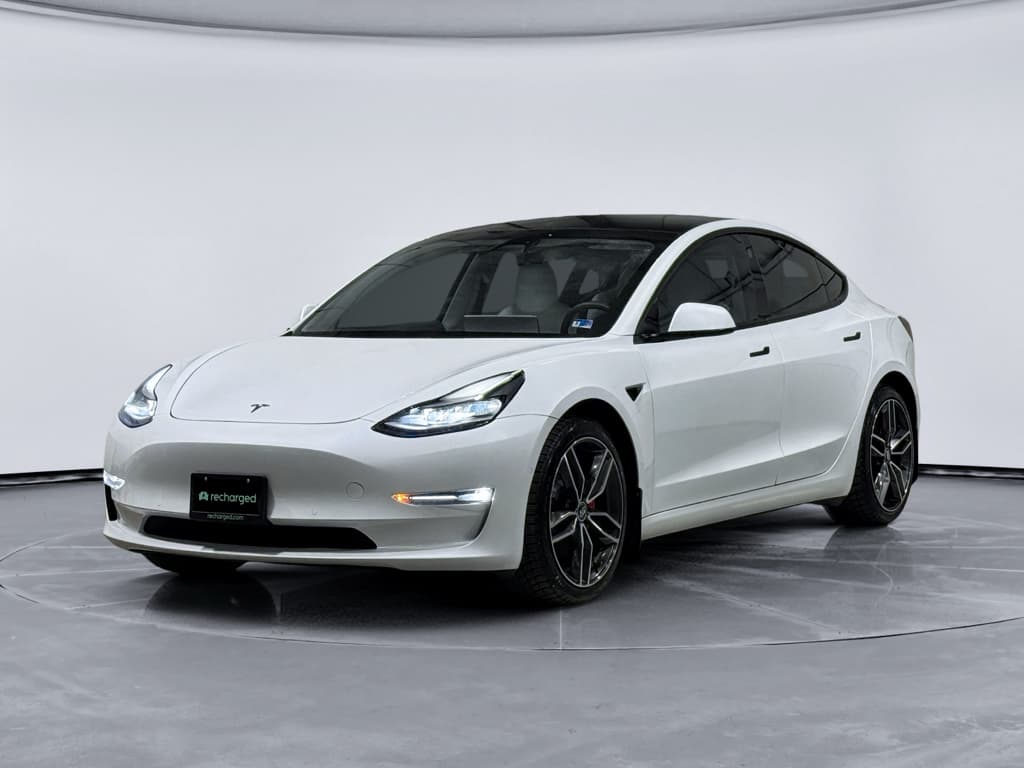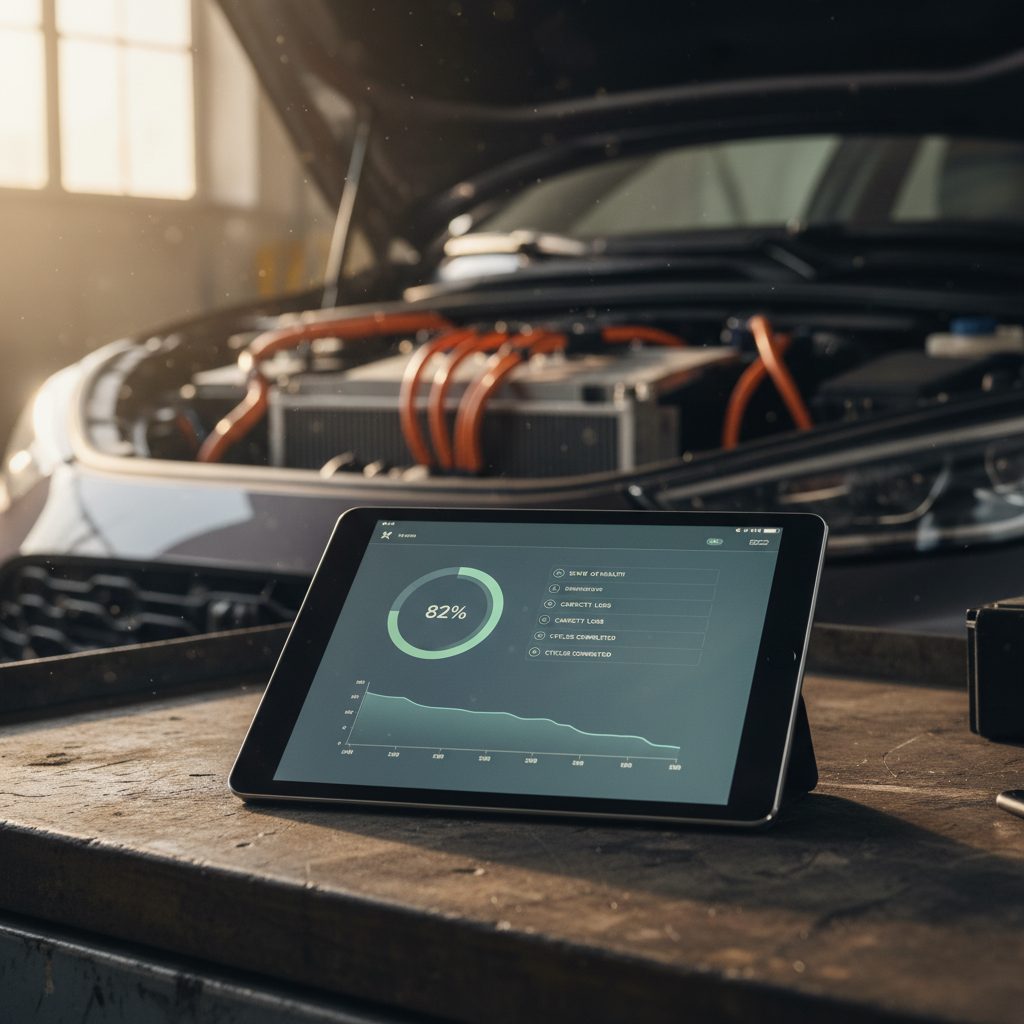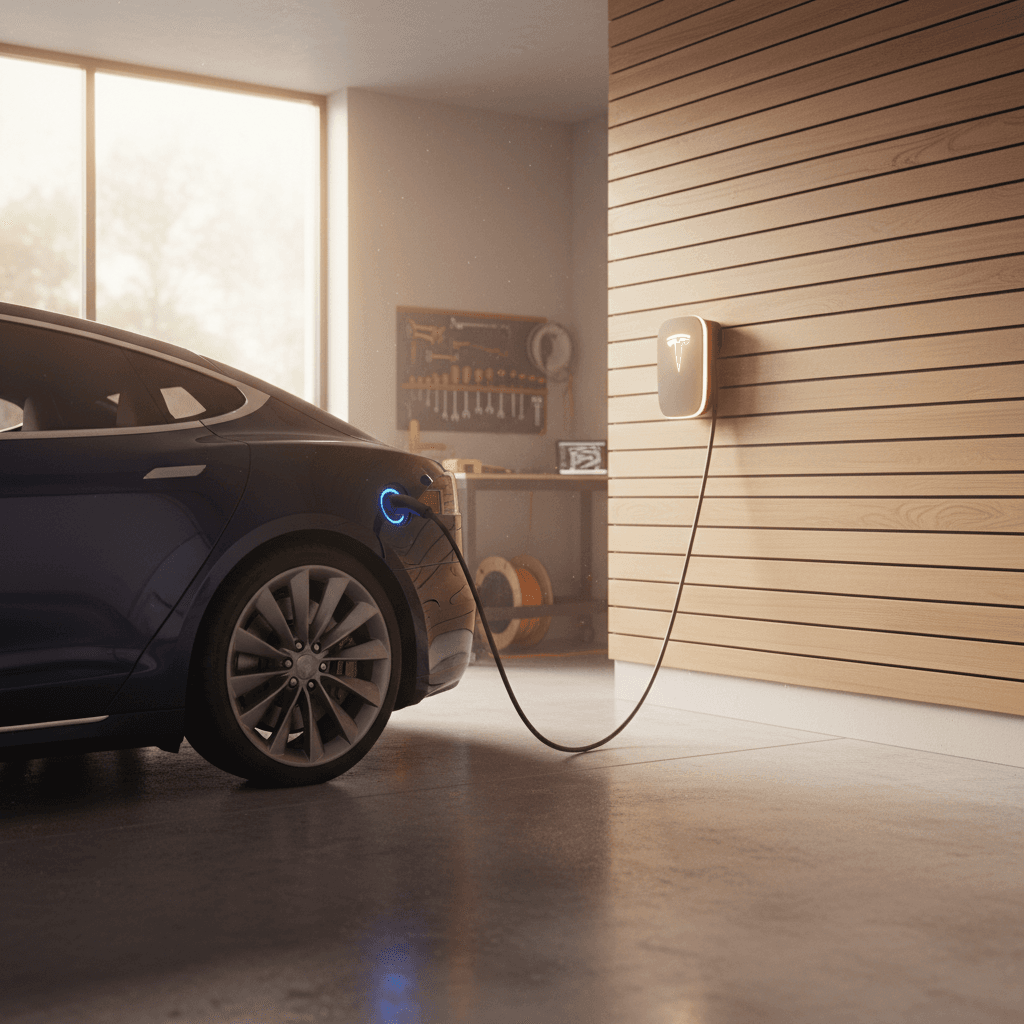
When people talk about “Tesla garages,” they’re really talking about something bigger than a place to park. Your garage is where EV ownership either becomes frictionless, plug in, walk away, wake up full, or where extension cords, tripped breakers, and clutter make every charge a chore. Designing a smart Tesla-ready garage now will save you money, protect your home, and make living with any EV dramatically easier.
What we mean by a “Tesla garage”
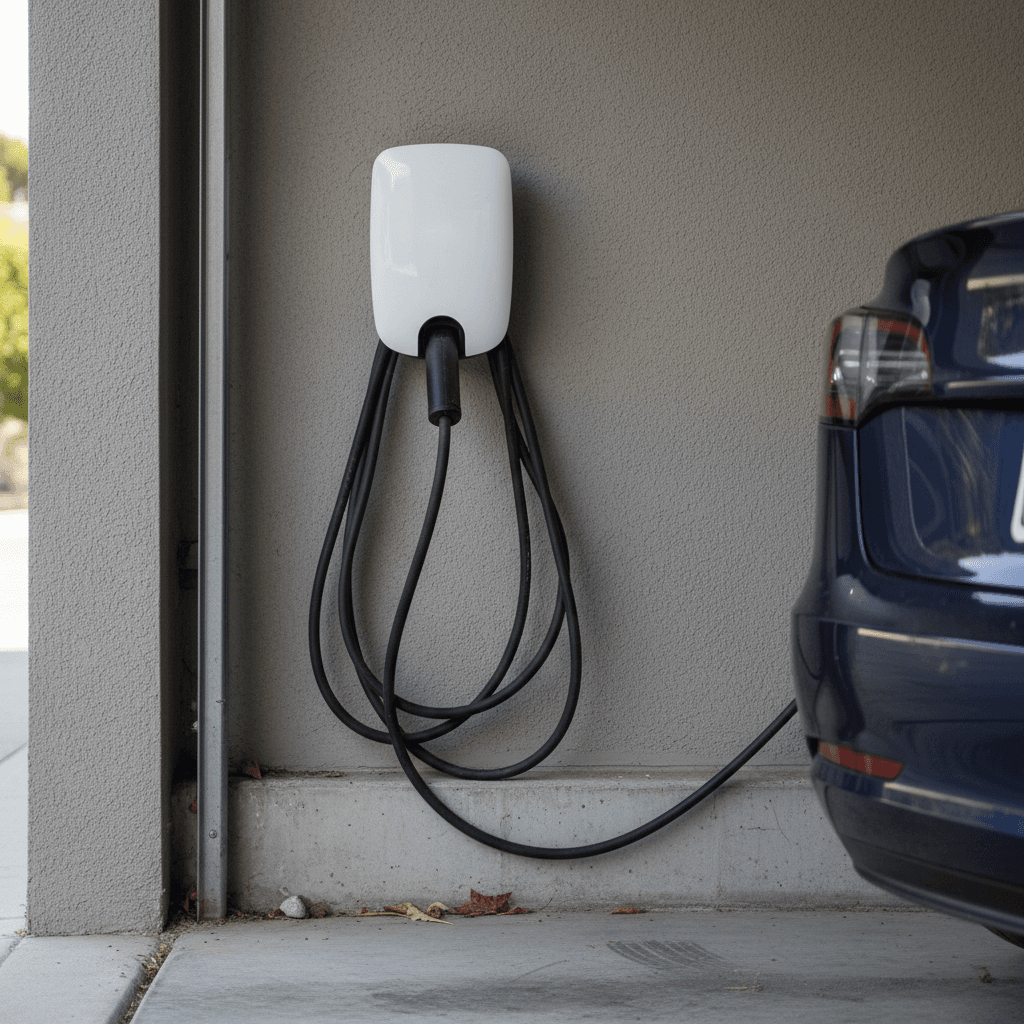
Why Tesla garages matter more than you think
Why home garages are the heart of EV charging
Unlike gas cars, where the fueling experience is separate from the home, a Tesla spends most of its life in your garage or driveway. That means the way you design your garage directly shapes your ownership experience: how fast you can charge, how safe your wiring is, whether cords are tripping hazards, and whether you’ll be ready when you add a second EV.
Think about resale value
Tesla garage basics: charging options and speeds
Before you sketch out your dream Tesla garage, it helps to understand the basic home charging options. They all live in or around your garage, but they’re not created equal.
Common charging options for Tesla garages
From “good enough” to purpose‑built
Level 1: Standard 120V outlet
Every Tesla can trickle charge from a regular household outlet using the Mobile Connector.
- Speed: ~3–5 miles of range per hour
- Best for: Short daily drives, overnight top‑offs
- Pros: No panel upgrade in many homes
- Cons: Very slow, often a temporary solution
Level 2: 240V NEMA outlet
Use a 240V receptacle (like a NEMA 14‑50) with Tesla’s Mobile Connector.
- Speed: ~20–30 miles of range per hour (with adequate amperage)
- Best for: Most single‑EV homes
- Pros: Flexible, can be used for non‑EV loads if wired appropriately
- Cons: Lower convenience than a fixed Wall Connector
Tesla Wall Connector (Level 2 hardwired)
This is the dedicated, hardwired home charger Tesla recommends.
- Speed: Up to 44–45 miles per hour on a 60A circuit (48A output)
- Best for: Daily drivers, multi‑EV households
- Pros: Clean install, cable dock, load sharing, Wi‑Fi
- Cons: Requires professional installation and permits
Don’t guess on amperage
Planning your Tesla garage layout
A Tesla garage that feels effortless starts with thoughtful layout: where the car parks, where the charger lives, and how people move through the space. Your goal is simple, short, safe cable runs and clear walking paths.
1. Park orientation and charge‑port access
Tesla’s charge port is on the left rear corner of the car. In a typical U.S. two‑car garage, that usually means:
- If you pull in nose‑first, you’ll want the charger toward the rear left of the parking bay.
- If you back in, a charger near the front left can work well.
- Leave enough slack so the cable isn’t stretched tight; it should hang in a relaxed curve.
Before you drill anything, park the car where you expect it to sit, drape a tape measure like a charging cable, and see how it behaves when doors are open.
2. Walking paths, doors, and storage
Garages are busy spaces: people, bikes, trash cans, tools. Think about:
- Keeping the charger and cable out of primary walkways.
- Avoiding spots where a swinging door can slam into the charge handle.
- Mounting the Wall Connector where the cable can wrap neatly rather than drape across the floor.
Good cable management isn’t just aesthetics, it prevents trips and extends the life of the cable jacket.
Tesla garage layout checklist
Confirm where you’ll park most nights
Decide which bay your Tesla will usually occupy and whether you’ll pull in nose‑first or back in. Designing around the 10% of days you park differently makes everyday charging worse.
Mock cable routing before installation
Use a rope or old extension cord to simulate the Wall Connector cable. Make sure it comfortably reaches the port without blocking doors or walkways.
Leave room for a second EV
If possible, choose a Wall Connector location that could also reach a second parking spot. Many families end up with two EVs sooner than they expect.
Plan for storage zones
Don’t mount the charger where shelving, bikes, or trash bins are likely to creep over time. Charging hardware should stay accessible and visible.
Electrical requirements and panel capacity
The best Tesla garage in the world is useless if your electrical system can’t support it. This is where the National Electrical Code (NEC), local inspectors, and a qualified electrician come in.
Typical electrical setups for Tesla garages
How common garage charging scenarios translate into electrical requirements.
| Setup | Circuit breaker | Max continuous charge | Approx. range added* | Best for |
|---|---|---|---|---|
| Level 1, 120V receptacle | 15–20A | 12–16A | 3–5 mi/hr | Very light daily use, apartments |
| NEMA 14‑30 or similar 240V | 30A | 24A | 15–20 mi/hr | Moderate commuting, budget installs |
| NEMA 14‑50, 240V | 50A | 32–40A (vehicle‑limited) | 20–30 mi/hr | Most single‑EV households |
| Tesla Wall Connector on 60A | 60A | 48A | ~44 mi/hr | High‑mileage or multi‑EV homes |
Always have a licensed electrician verify your home’s capacity and follow local code.
What NEC 2023 changed for garages
If your panel is older or already crowded with large loads (HVAC, electric range, dryer, hot tub), installing a high‑amp Wall Connector may require a panel upgrade or load‑management solution. In some homes, stepping down from a 60A to a 40A or 30A EV circuit is the right compromise between speed and avoiding a full service upgrade.
Respect the 80% rule
Safety, codes, and fire considerations in garages
EVs concentrate a lot of energy in a small footprint, and garage charging runs for hours while you sleep. That’s why your Tesla garage should be treated like any other critical electrical system in the house: designed to code, inspected, and periodically checked.
- Use only UL‑listed or equivalent EVSE rated for indoor or outdoor use, as appropriate.
- Avoid daisy‑chaining extension cords or power strips for charging, these are not designed for continuous high loads.
- Ensure junction boxes, conduit, and cable sizing all meet or exceed code for the run length and amperage.
- Keep flammables (paint cans, gasoline, cardboard) away from the charging area and under any sprinklers.
- Make sure you can quickly access your panel and EVSE disconnect in an emergency.
Don’t DIY high‑amp circuits
EV charging in enclosed garages is safe when equipment and wiring are properly sized, but the energy density of modern packs means codes and fire‑service practices will keep evolving. Designing to the bare minimum is rarely your best move.
Indoor vs. outdoor Tesla garages and carports
Not everyone has a traditional enclosed garage. Fortunately, Tesla hardware is designed for both indoor and outdoor use, and many of the same principles apply whether you’re mounting on a drywall stud, masonry, or an exterior post.
Indoor Tesla garages
- Pros: Best protection from weather, easier cable management, simplest Wi‑Fi connectivity.
- Consider: Ventilation, keeping flammables away from the charging area, and ensuring the car can be moved easily if another vehicle needs the bay.
- Good practice: Keep the Wall Connector at 18–48" height so the cable can loop without dragging on the floor.
Outdoor or carport setups
- Pros: Works even without an enclosed garage, often better for multi‑EV driveways.
- Consider: Weather exposure, UV, snow, and ice; Tesla’s Wall Connector is weather‑rated, but sheltered locations still extend its life.
- Good practice: Mount under an eave or cover, use proper outdoor‑rated conduit, and ensure GFCI protection where required by code.
Shelter helps, even for rated hardware
Multi‑EV households and future‑proofing your garage
If your first Tesla feels like a big step, your second EV often sneaks up on you. A well‑designed Tesla garage makes that transition painless instead of forcing another round of expensive electrical work.
Tools for future‑proofing a Tesla garage
Build once, expand later
Oversized conduit and panel space
Running slightly larger conduit and leaving room in your panel is cheap today and invaluable tomorrow.
- Ask your electrician to plan for a second EVSE circuit, even if you don’t install it yet.
- Label spare spaces for “Future EV” so you (and future owners) know what they’re for.
Load sharing and smart EVSE
Tesla Wall Connectors can share a single circuit across multiple units using built‑in load management.
- Two Wall Connectors can automatically split a 60A circuit.
- You get two parking spaces served without upgrading service.
Think beyond one connector standard
The industry is converging on Tesla’s NACS plug in North America, but you may still own or host CCS/J1772 EVs.
- Leave physical space for an additional non‑Tesla EVSE or adapter.
- Route conduit so you can add a second unit without tearing open walls.
Future buyers will thank you
Costs, permits, and finding the right installer
The question everyone asks first: how much will a Tesla garage charger cost to install? For a straightforward installation near your panel, many homeowners land somewhere in the $500–$2,500 range for parts and labor, before any major panel upgrades. Complex projects, long trench runs to detached garages, service upgrades, or subpanels, can run higher.
Tesla garage installation checklist
1. Confirm permit requirements
Most jurisdictions require an electrical permit for EVSE. Your electrician will usually pull this, but ask upfront and make sure an inspection is part of the scope.
2. Get at least two quotes
Ask for quotes that include load calculation, panel work, the EV circuit, and any drywall or trench repair. Clarify whether the price includes the Tesla Wall Connector itself.
3. Ask about EV experience
Look for electricians who install EV chargers regularly. They’ll be more familiar with NEC 2023 changes, load‑sharing options, and local inspector expectations.
4. Plan for downtime
Panel work may require your power to be off for a few hours. If you already own a Tesla, or another EV, plan charging around the installation day.
If you’re also shopping for an EV
Everyday usage tips for your Tesla garage
Once the wiring, permits, and layout are handled, your Tesla garage becomes part of your daily rhythm. A few small habits go a long way toward safety, convenience, and long‑term reliability.
- Set your charging limit to around 70–80% for daily use unless you specifically need a full battery for a trip.
- Schedule charging for off‑peak hours if your utility offers time‑of‑use rates; your Tesla or Wall Connector can handle this automatically.
- Coil the cable loosely on the dock after each use, don’t leave it under the car’s tires or pinched against the wall.
- Glance at the Wall Connector’s lights or Tesla app periodically. Unusual errors or slow charging speeds can be early signs of a wiring or hardware issue.
- Do a quick visual inspection every few months: look for discoloration around outlets, loose conduit, or frayed cable jackets.
- Keep the immediate area around the charger clear so emergency access is never blocked.
Use the app as your early‑warning system
Tesla garages and used EVs: thinking beyond one brand
A lot of garages get built around a first Tesla. But the most resilient setups work just as well if your second EV is a Hyundai, Ford, or Rivian, or if you eventually switch away from Tesla entirely. The common denominator is a safe, flexible, code‑compliant charging infrastructure in your garage.
If you already own a Tesla
Your Tesla Wall Connector can still be the backbone of a multi‑brand EV garage.
- Use adapters where appropriate and supported.
- Keep at least one standard receptacle (NEMA 14‑50 or similar) accessible for mobile chargers.
- Consider adding a second, non‑Tesla EVSE if your household diversifies brands.
If you’re shopping used
When you’re comparing used EVs, include your garage in the decision:
- Does the car’s onboard charger make use of the circuit you plan to install?
- Is its battery health strong enough that overnight home charging will cover your daily use?
- Do you need DC fast‑charging performance to compensate for limited home charging?
Every vehicle on Recharged comes with a Recharged Score Report that breaks down battery health and charging behavior so you can align the car with the garage you’re building, not just its sticker price.
Frequently asked questions about Tesla garages
Tesla garages FAQ
Bottom line: building a Tesla-ready garage that actually works
A great “Tesla garage” isn’t about a brand shrine, it’s about wiring, layout, and habits that make electric driving feel invisible. Prioritize a properly sized, code‑compliant circuit; a Wall Connector or outlet located where the cable naturally reaches the charge port; and a clutter‑free zone where people and cords don’t collide. If you future‑proof a bit with extra conduit and panel capacity, your garage will handle a second EV, a different brand, or the next owner without drama.
If you’re still choosing your next EV, it’s worth designing the car and garage together. On Recharged, every used EV comes with a Recharged Score Report that demystifies battery health and charging behavior, so you can match the right vehicle to the charging setup you’re investing in, whether that’s a simple 240V outlet or a fully built‑out multi‑EV Tesla garage.