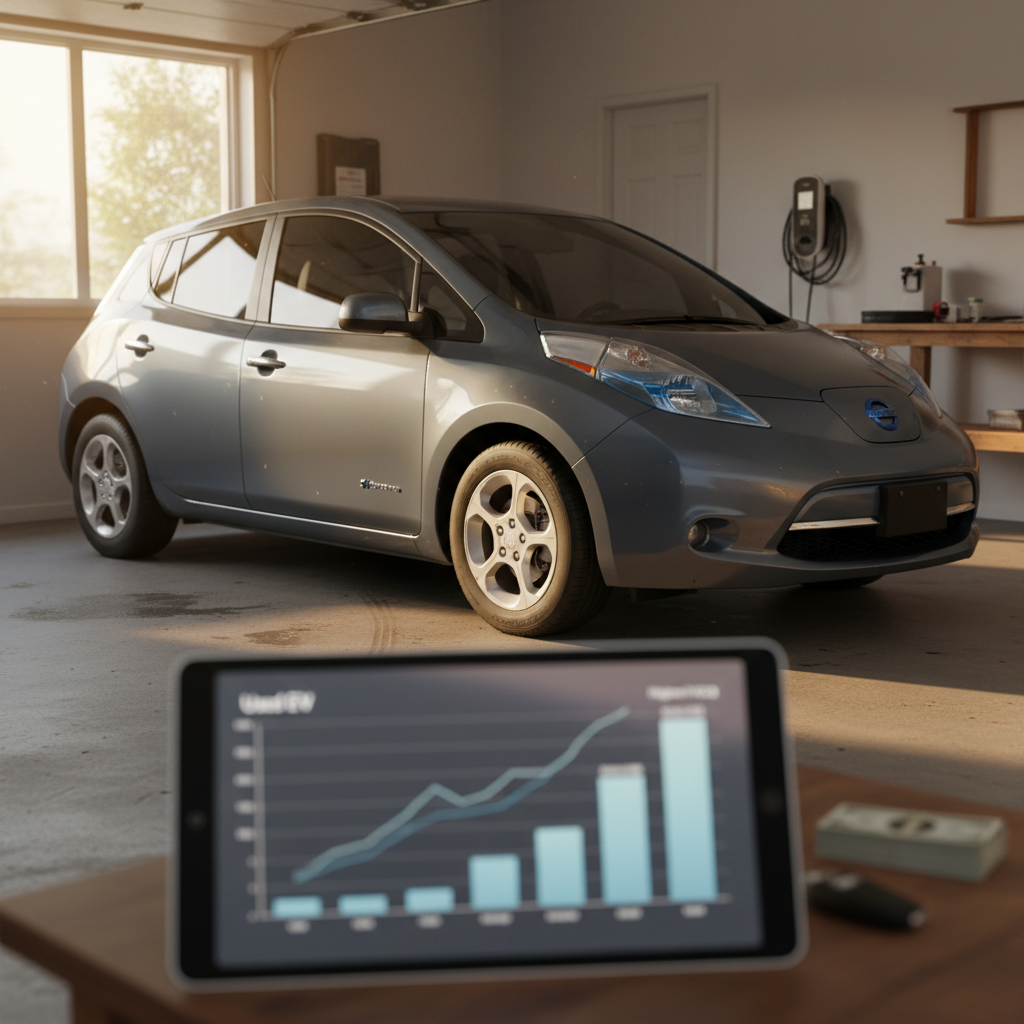
You don’t need a finance degree to know this: the real cost of a Tesla isn’t just what you pay, it’s what you lose when you sell. Understanding the Tesla depreciation rate after 5 years is the difference between buying a smart long‑term EV and becoming the original owner who quietly subsidizes everyone else’s great used‑Tesla deal.
Tesla depreciation in one sentence
Why Tesla’s 5‑Year Depreciation Really Matters
Depreciation is just value evaporating in slow motion. For EVs, that evaporation can look more like a cliff. Studies of five‑year‑old upscale EVs show some of the steepest drops in the car market: a Jaguar I‑PACE losing about 72% of its value, a Tesla Model S around 65%, and a Model X around 63% after five years. In that same data set, the Tesla Model Y was down roughly 60% in five years, which still sounds brutal, until you remember it started expensive.
By contrast, the average new car loses a little over 50% of its value in five years. So broadly speaking, Teslas and other EVs tend to depreciate faster than the fleet average, especially on the luxury end. But the story isn’t one‑size‑fits‑all: a Model 3 commuter sedan behaves very differently from a six‑figure Model S or Cybertruck.
Quick 5‑Year Depreciation Snapshot
How Tesla 5‑Year Depreciation Compares to the Average Car
To understand Tesla’s 5‑year depreciation, you need a baseline. Across the U.S. market, a typical new vehicle loses about 16% in year one and continues sliding until it’s worth roughly 45% of its original price at year five. That’s the old story: half gone in five years, give or take.
Average 5‑Year Depreciation: Tesla vs Typical New Car
Approximate retained value after 5 years for common Tesla models versus the overall market.
| Vehicle | Approx. 5‑Year Depreciation | Approx. Value Left After 5 Years | Notes |
|---|---|---|---|
| Average New Car (all types) | ~55% | ~45% of MSRP | Blend of gas, hybrid, and EV. |
| Average EV (all brands) | ~59–60% | ~40–41% of MSRP | EVs have generally dropped faster than ICE. |
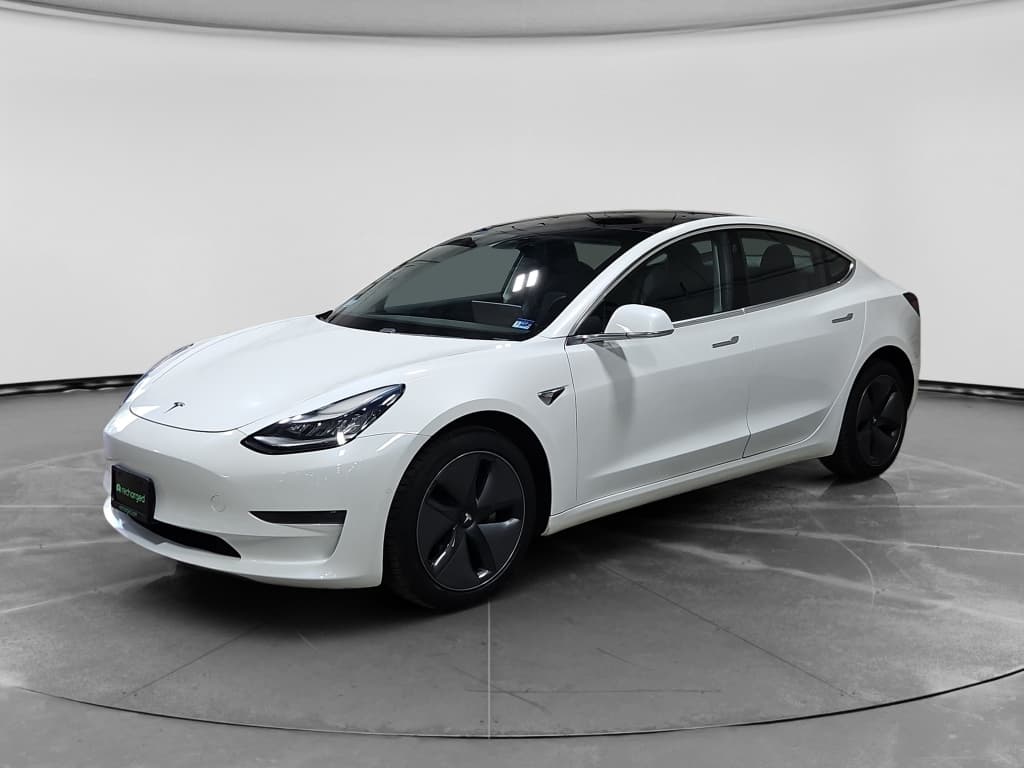
| Tesla Model 3 | ~55–60% | ~40–45% of MSRP | More mainstream, huge used‑car demand. |
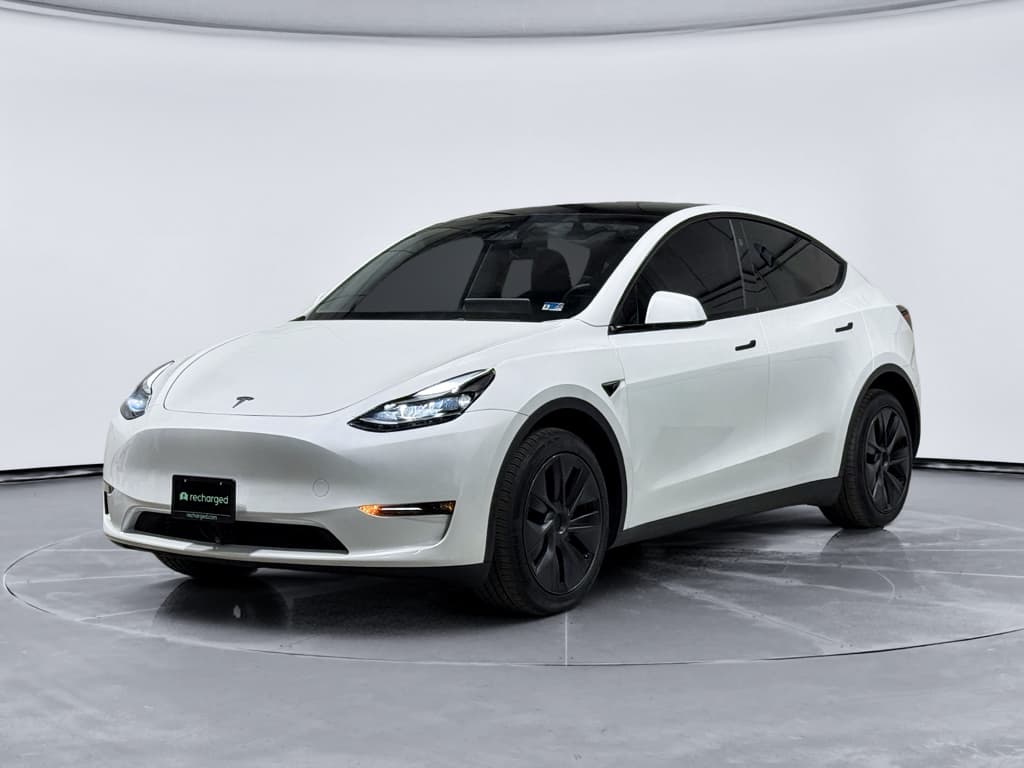
| Tesla Model Y | ~60–61% | ~39–40% of MSRP | Fast‑selling but heavily discounted new. |
| Tesla Model S | ~65% | ~35% of MSRP | Higher original price, sharper dollar loss. |
| Tesla Model X | ~63–64% | ~36–37% of MSRP | Luxury SUV; steep early‑year hit. |
These are directional estimates based on recent market and residual‑value studies, not guaranteed future values.
Depreciation ≠ fixed law
Model‑by‑Model: Tesla 5‑Year Depreciation Estimates
Let’s talk about what you probably care about: how a given Tesla model behaves over five years. To keep this useful, we’ll focus on realistic, big‑picture ranges in today’s market rather than pretending we can forecast precise values for 2031.
Estimated 5‑Year Depreciation by Tesla Model
Use this as a directional guide, not a stock price forecast.
Model 3 (all trims)
Typical 5‑year depreciation: ~55–60%
- 5‑year‑old Model 3s often retail at roughly 40–45% of original MSRP.
- More insulated from wild swings thanks to large buyer pool and relatively low starting price.
- Still vulnerable to Tesla price cuts and tech refreshes, which reset the market floor.
Model Y
Typical 5‑year depreciation: ~60–61%
- Compact crossovers are hot, but Tesla’s repeated new‑car price cuts have dragged used values down.
- Think of the Y as a slightly faster‑falling Model 3 in percentage terms, with bigger dollar losses.
Model S
Typical 5‑year depreciation: ~65%
- Luxury EV sedans get hammered: one major study found 5‑year‑old Model S cars had lost around 65% of their value.
- That’s bad news if you bought new; very good news if you’re shopping used.
Model X
Typical 5‑year depreciation: ~63–64%
- Falcon‑wing doors, falcon‑diving resale.
- High MSRP and niche appeal mean big dollar and percentage losses.
Where used buyers usually win
7 Biggest Factors Driving Tesla Depreciation
Two identical Teslas can have wildly different 5‑year depreciation curves. One ends up a bargain commuter that still feels new; the other languishes on a lot with a slow DC‑fast‑charging battery and a cracked windshield. Here’s what actually moves the needle.
- Original price and trim. A loaded Performance or Plaid car almost always loses more in dollars (and often in percentage) than a base car. Luxury content ages faster than the underlying EV platform.
- Tesla’s own pricing decisions. When Tesla slashes new‑car prices, it instantly compresses used‑car values. Owners eat the hit; shoppers get the discount twice, once new, once used.
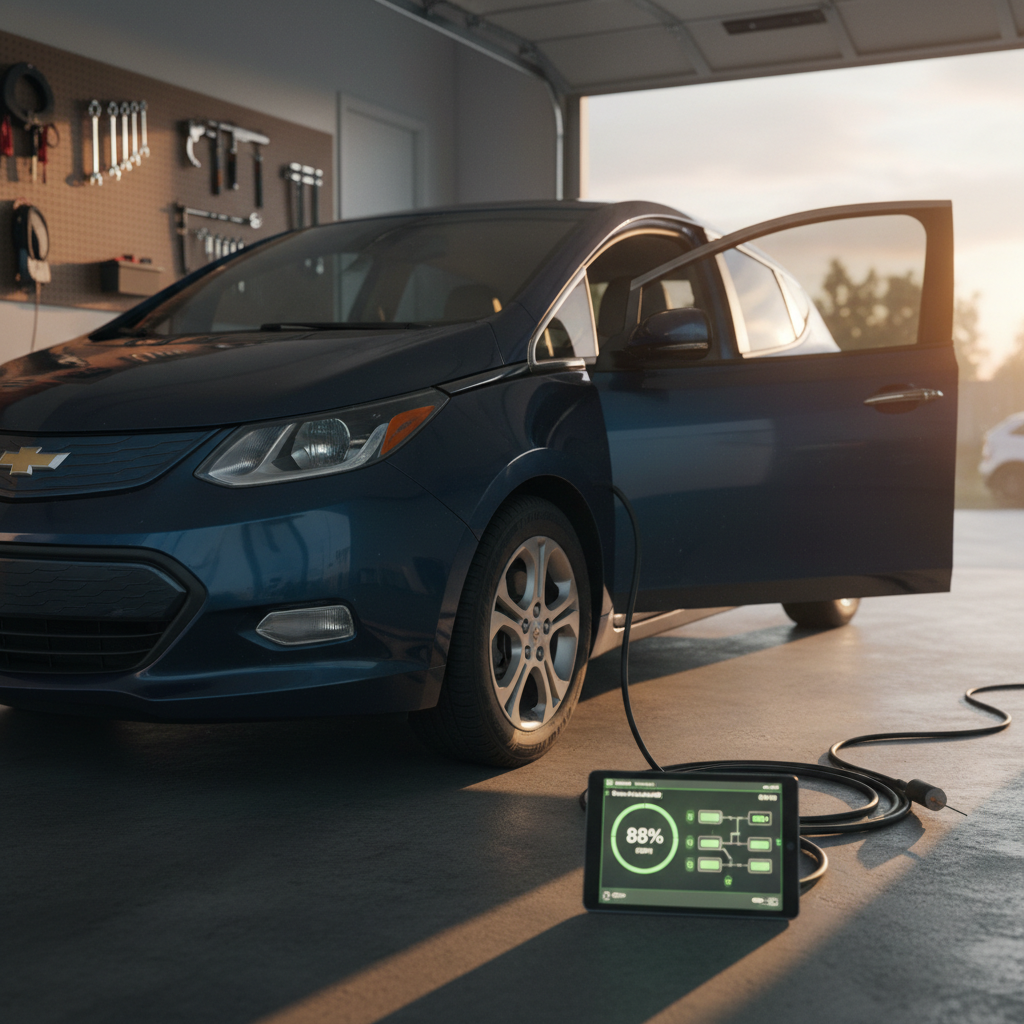
- Battery health and chemistry. A pack that’s still at 88–92% State of Health (SOH) at year five will command more money than one at 78%, even if mileage is similar.
- Software and hardware changes. Tesla updates hardware (motors, cameras, radar vs. pure vision) and software (Autopilot capabilities, infotainment) regularly. Major changes create a “have vs. have‑not” split in the used market.
- Mileage and usage pattern. 15,000 well‑maintained highway miles per year is one story; 8,000 miles of constant DC fast charging and curb‑rashed wheels is another.
- Macro EV sentiment. Right now the market is in an “EV winter”, new EV sales have cooled, while used EV sales are booming. That dynamic can improve used Tesla values even as new sales soften.
- Incentives and interest rates. Tax credits on new EVs, plus high or low financing costs, change the math between buying new vs. used and ripple straight into depreciation.
Practical takeaway
Battery Health: The Silent Killer (or Savior) of Tesla Resale Value
If depreciation is the headline, battery health is the footnote in tiny print that actually explains everything. Across EVs, average battery degradation is roughly 1.8% per year; Tesla packs have generally done better, closer to about 1% per year in normal use. That means a 5‑year‑old Tesla with average use might still have 93–95% of its original capacity. That’s huge for value.
On the flip side, a car that’s lived its life as a DC‑fast‑charging road warrior, bouncing between 0% and 100% state of charge in hot weather, can see much faster degradation. Once battery SOH dips below about 80%, range and DC‑fast‑charging speeds suffer enough that shoppers start to walk away, or demand serious discounts.
Battery‑Health Checks Before You Buy or Sell a Tesla
1. Get a real battery health report
Do not guess. Request a documented battery SOH from a trusted diagnostic scan or report. If a seller won’t provide one, treat that as a bright red flag.
2. Review DC fast‑charging history
Heavy Supercharger use isn’t automatically bad, but a car that lived almost exclusively on DC fast charging is more likely to have accelerated degradation.
3. Compare displayed range to original EPA
Look at the indicated full‑charge range and compare it to the original EPA rating. A modest drop is normal; a dramatic one is a pricing conversation.
4. Consider climate and storage
Cars that spent their lives garaged in moderate climates age more gracefully than those parked outside in blazing heat or brutal cold year‑round.
5. Check for software‑limited batteries
Some Teslas have software‑locked packs or range upgrades. Make sure you understand exactly what you’re buying and how that affects future resale.
Don’t buy blind on the battery
Buying a Used Tesla: Smart Plays Around Depreciation
If you’re shopping a used Tesla, depreciation is no longer the enemy; it’s the engine of the deal. The goal is simple: let someone else pay for the steepest part of the curve, then enjoy most of the remaining life at a discount.
Best age window to buy
- 3–5 years old is often the sweet spot: most early‑life depreciation already happened, but the car is still modern and likely under, or just out of, warranty.
- For Model 3 and Y, this window aligns with the era when Tesla ironed out many early‑build quirks.
Which models to target
- Model 3: Best blend of price, efficiency, and demand. Depreciation is meaningful but not catastrophic.
- Model Y: Great if you need the space, just remember the higher starting price and stronger 5‑year percentage drop.
- Model S/X: Fantastic when bought used at the right price, but treat them as luxury toys, not rational appliances.
Depreciation‑Savvy Buying Strategies by Tesla Model
How to use 5‑year depreciation patterns to your advantage when buying used.
| Model | Ideal Purchase Age | Key Depreciation Angle | Buyer Strategy |
|---|---|---|---|
| Model 3 | 3–6 years | Big early drop, then flattens | Target well‑documented cars with strong battery SOH and modest mileage; avoid unusually cheap cars with missing history. |
| Model Y | 3–5 years | Steep but demand remains strong | Focus on condition and options you actually need; don’t overpay for Performance trims whose premium has already burned off. |
| Model S | 4–7 years | Luxury EV rollercoaster | Use heavy 5‑year depreciation to your advantage; be ruthless on price and insist on detailed service/battery records. |
| Model X | 4–7 years | High MSRP, thin audience | Negotiate hard, there are fewer buyers for aging luxury EV SUVs, which is leverage in your pocket. |
Assumes typical U.S. use and market conditions; your local market may differ.
Where Recharged fits in
Selling or Trading In Your Tesla: Timing and Tactics
If you already own a Tesla, depreciation feels less like a chart and more like a slow leak in your net worth. The trick is to time your exit before the next big value shock: a major Tesla price cut, a tech refresh, or a wave of similar cars hitting the used market all at once.
Ways to Soften the Depreciation Hit When You Sell
You can’t stop depreciation, but you can negotiate with it.
Watch model cycles
Big visible refreshes, new front fascias, interiors, hardware upgrades, tend to push down values of the outgoing cars. If you’re on the fence about selling and a major update is rumored, consider moving sooner.
Fix the cheap stuff
Curbed wheels, cracked glass, worn tires, these are small money compared with a 5‑figure EV, but they punch above their weight in buyer psychology and appraised value.
Document everything
Keep service receipts, charging‑pattern screenshots, and any battery health reports. The more confidence you can give a buyer about how the car was used, the closer you stay to the top of the price range.
Checklist Before You Get an Offer on Your Tesla
1. Pull recent photos and records
Clean, clear photos plus a simple record of maintenance and charging habits can add real dollars to offers.
2. Get a battery health snapshot
Buyers will pay more for proof. If you’re selling through Recharged, our Recharged Score includes this by default.
3. Shop multiple exit options
Compare instant‑offer sites, Tesla trade‑in quotes, and marketplace listings. The spread can be thousands of dollars.
4. Understand payoff vs. market value
If you still owe on the car, make sure you know whether you’re above water before you negotiate.
Use Recharged to benchmark value
Ready to find your next EV?
Browse VehiclesFAQ: Tesla Depreciation After 5 Years
Frequently Asked Questions
The Bottom Line on Tesla 5‑Year Depreciation
After five years, most Teslas will be worth somewhere in the neighborhood of 35–45% of their original sticker price. That’s steeper than a typical gas car but also the reason a used Tesla can be such a compelling buy: someone else paid for the front‑loaded drop.
If you’re buying, lean into that reality. Target 3–5‑year‑old Model 3 and Model Y examples with documented battery health and clean histories. If you’re selling, understand where your car sits on that curve and control what you can, maintenance, presentation, paperwork, and timing.
At Recharged, our whole reason for existing is to make this puzzle simpler. Every used EV we list, including Teslas, comes with a Recharged Score battery‑health and value report, expert EV‑specialist support, and flexible options to finance, trade in, or sell your current EV. Depreciation will always be part of the story, but it doesn’t have to be the villain.