You’re not alone if you’re asking yourself, “Is it smart to buy a used electric car right now?” Used EV prices have dropped sharply over the last few years, federal tax credits have changed, and battery technology is maturing. That combination has created something we almost never see in the car business: genuinely good deals, if you know what you’re looking at.
Why this question matters more in 2026
Is Buying a Used Electric Car Smart in 2026?
In 2026, the honest answer is: for many drivers, yes, buying a used EV is one of the smartest moves you can make. But the spread between the best and worst choices is far wider than in the used gas-car world. A well-priced used EV with a healthy battery can give you low running costs and modern tech for the price of a plain new compact car. A poorly chosen one can saddle you with reduced range, weak resale value, and limited charging options.
The key is to look past the sticker price and focus on three pillars: upfront value, battery health, and your real-world use case. If those three line up, a used EV is often smarter than buying new, and in many cases smarter than buying a used gas car.
How Used EV Prices Compare to New in 2026
Used EV Pricing Snapshot (U.S. Market)
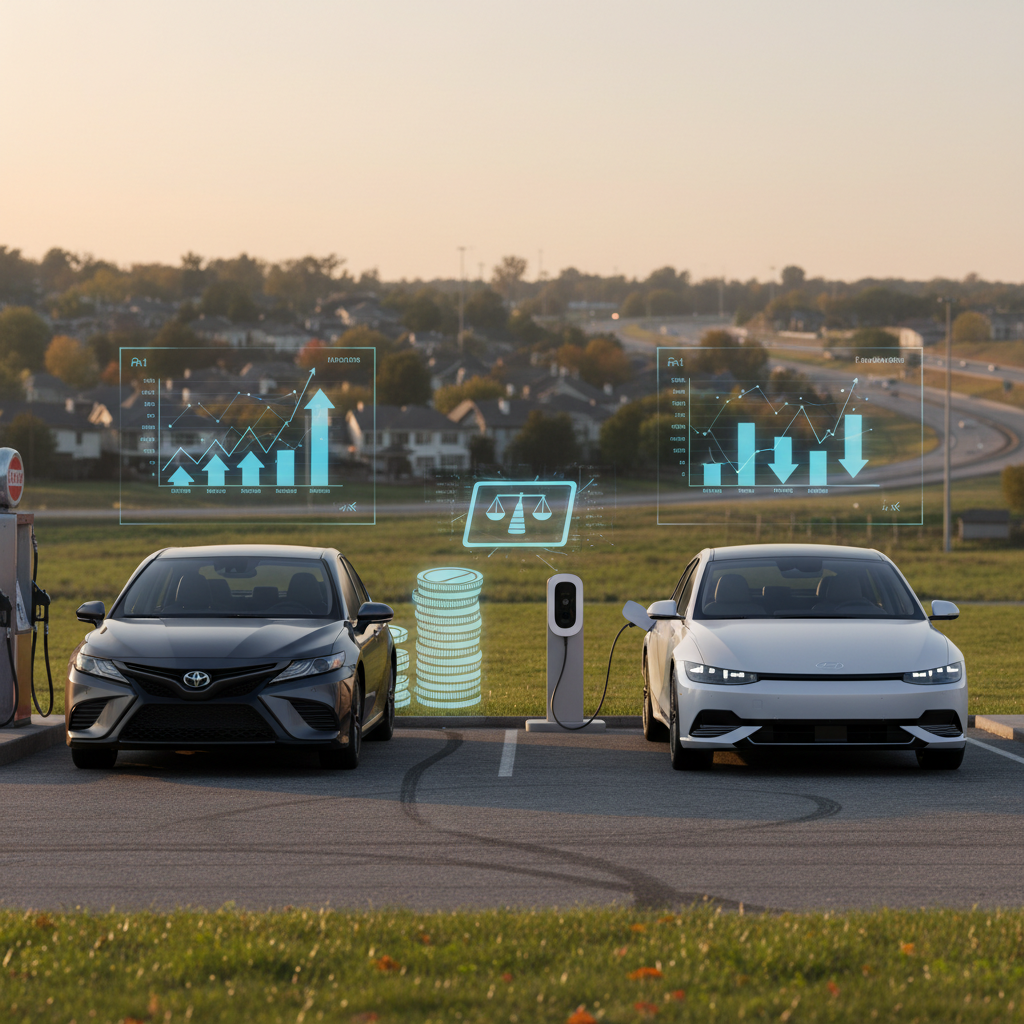
The loss of federal tax credits for both new and used EVs after September 30, 2025 increased the gap between new and used. New EVs remain pricey, on average they still transact in the mid–$50,000s, while used EVs that are 2–4 years old commonly sit in the mid–$20,000s to mid–$30,000s range.
On top of that, many early EVs and some luxury models saw very steep depreciation. One major study in 2024 found several popular EVs, think Nissan Leaf, Mercedes EQS, Hyundai Ioniq 5, VW ID.4, losing 30%+ of their value within just a year or two. That hurts the first owner, but it’s a gift to the second owner who buys at a deep discount.
Smart move for value shoppers
Biggest Advantages of Buying a Used EV
Why a Used Electric Car Can Be a Smart Buy
Four big upsides that didn’t exist a few years ago
1. Massive Upfront Savings
Thanks to fast early depreciation, many used EVs sell for tens of thousands less than their original sticker price. A mainstream EV that listed for $45,000 new can easily show up in the low-$30,000s, or lower, within a few years, with relatively low miles.
2. Lower Running Costs
Even with electricity prices up, most drivers still spend significantly less per mile on energy than they would on gasoline. EVs also have fewer wear items, no oil changes, timing belts, spark plugs, or complex multi-speed transmissions, so routine maintenance is typically cheaper.
3. Mature Tech & Fewer Unknowns
The early concerns about EVs, battery longevity, charging access, winter performance, are now better understood. For popular models, there’s real-world data on degradation and reliability, so you’re not guessing blindly the way early adopters were.
4. Growing Charging Options
The public fast-charging landscape looks very different than it did even three years ago. Major networks have expanded, and more non-Tesla EVs are gaining access to Tesla’s Supercharger network as they adopt the NACS connector, improving long-trip feasibility.
Why value-minded buyers flock to used EVs
Real Risks and Drawbacks to Watch For
1. Battery degradation and range loss
Every EV battery loses capacity over time. For many mainstream models, losing 10–20% of range over the first 6–8 years is normal. But some early designs and heavily fast-charged cars can do worse. If you begin with a lower-range EV to start with, that degradation matters a lot more.
2. Fast-changing tech and resale value
Newer EVs are gaining longer ranges, faster charging, and better driver-assistance suites. That can make older EVs feel "last generation" sooner and contribute to weaker resale values compared with gas cars. You want to buy at a price that already reflects this reality.
3. Charging compatibility & connectors
We’re in the middle of a connector transition in North America. Many older EVs use CCS or CHAdeMO for fast charging, while the industry is shifting toward Tesla’s NACS standard. Adapters help, but if you road-trip often, you’ll want to understand how easily your used EV can access the most reliable networks in your region.
4. Warranty timing and potential repair bills
Most EV batteries and electric-drive components are covered for 8 years or around 100,000 miles from new. If you’re buying a 7-year-old EV just outside that window, the upside price-wise must be big enough to offset the risk of future out-of-pocket repairs.
Don’t buy blind
Battery Health: The Make-or-Break Factor
In a gasoline car, a tired engine is rare on a 4–6 year-old vehicle and usually obvious. In an EV, the battery pack is the car in value terms, and its condition isn’t nearly as visible without proper tools.
- Most mainstream EVs use lithium-ion batteries that can comfortably last well beyond 150,000 miles when treated reasonably.
- Heat, frequent DC fast charging, and sitting at 100% charge for long periods can accelerate degradation.
- Different models and chemistries age at different rates, some compact hatchbacks and early EVs are known to lose range quicker than newer crossovers with improved thermal management.
What “good” battery health looks like
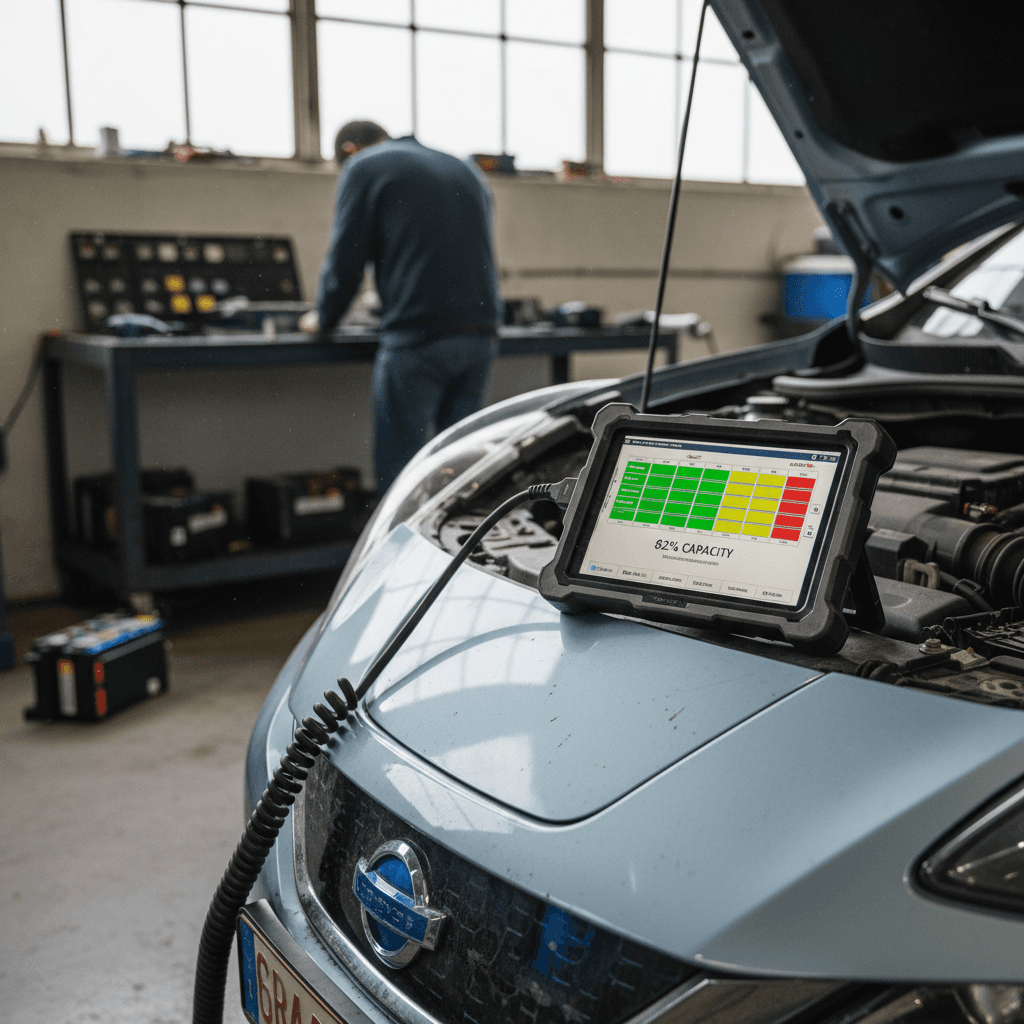
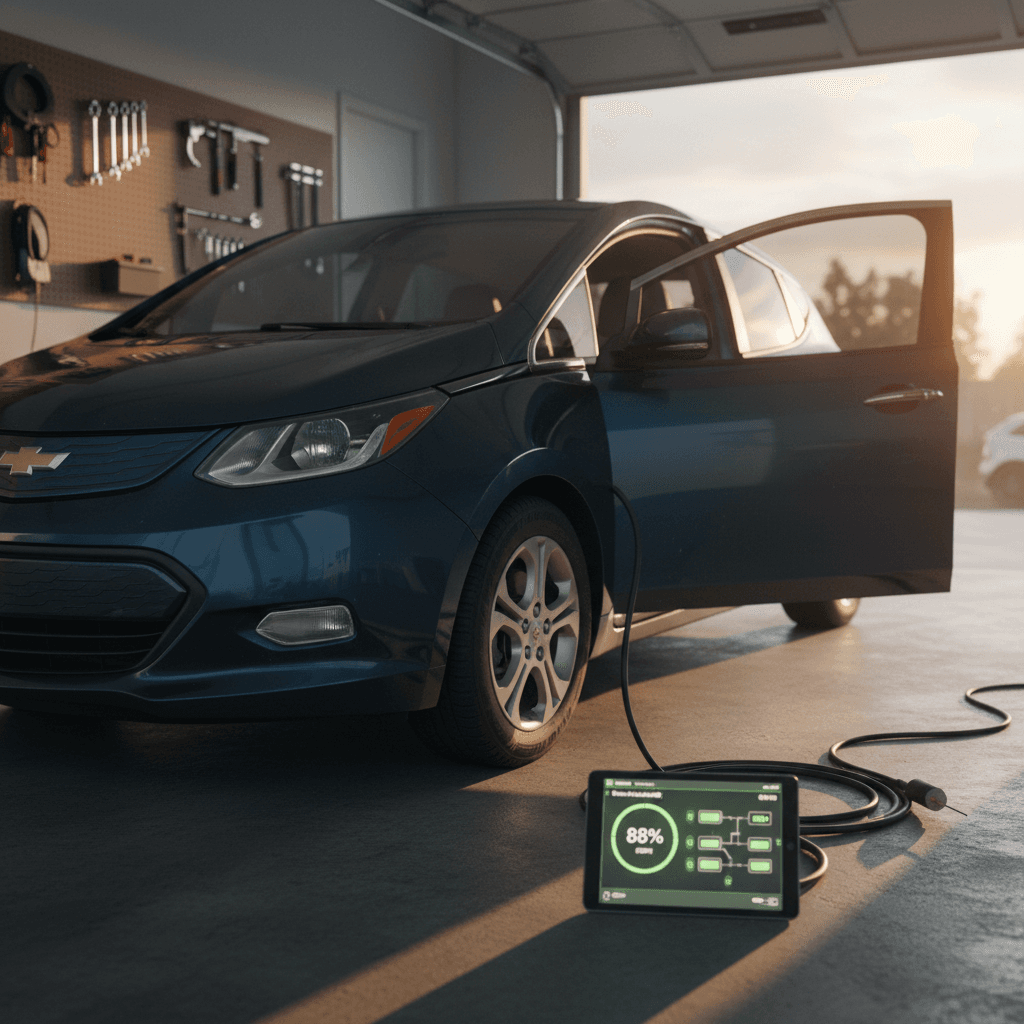
At Recharged, every car gets a Recharged Score Report that includes an independent battery health diagnostic, not just what the dashboard claims. That report translates complex data into something you can read in a few minutes, how the battery has aged, how it was charged, and how much real-world range you should expect.
Treat battery health like an engine compression test
Which Used EVs Are Smart Buys, and Which Aren’t
Used EVs: When Buying Used Makes More Sense
General patterns we see in the U.S. used EV market in 2026.
| Type of EV | Typical Example Models | When Used Is Often Smart | When to Be Cautious |
|---|---|---|---|
| Mainstream long-range crossover | Tesla Model Y, Hyundai Ioniq 5, Kia EV6, VW ID.4 | 2–4 years old with strong battery health and remaining factory battery warranty; big savings vs new. | If priced close to new, or if the battery warranty is nearly expired and you’ll pile on mileage. |
| Early affordable hatchback | Nissan Leaf, older BMW i3, first‑gen Kia Soul EV | As a second car or short‑range commuter at a very low price, especially in mild climates. | If you rely on highway range, live in very hot areas, or need reliable DC fast charging. |
| Luxury EV sedan/SUV | Mercedes EQS, Audi e‑tron, older Tesla Model S/X | When depreciation has already been severe and you’re buying near the bottom of the curve. | If you’re stretching your budget; high repair costs and feature obsolescence can sting. |
| Small city EV | Chevy Spark EV, Fiat 500e (previous gen), Mini SE | For short‑trip urban use with home charging and modest highway needs. | If you expect it to be a do‑everything family road‑trip vehicle, range and charging speeds are limiting. |
Individual vehicles vary, battery health, mileage, climate history, and price all matter as much as the badge on the hood.
Red flags in a used EV listing
Total Cost of Ownership: Used EV vs Gas Car
Even with incentives gone, a well-bought used EV can win the long-term cost game. To see why, you have to look beyond the monthly payment.
Used EV vs Used Gas: Where the Money Goes
Assuming a mid-priced used EV vs a similar used gas crossover over 5 years.
Fuel vs electricity
If you drive 10,000–12,000 miles a year, it’s common to save hundreds of dollars per year on energy with an EV, depending on local gas and electricity rates and your mix of home vs public charging.
Maintenance & repairs
EVs eliminate oil changes and drastically simplify the drivetrain. You’ll still pay for tires, brakes (though often less frequently with regen), cabin filters, and suspension work, but many owners see lower overall maintenance costs than with a comparable gas car.
Depreciation and resale
Much of an EV’s depreciation happens fast, good news if you’re buying used. If you buy a 3-year-old EV at today’s reduced prices and keep it another 5–7 years, the annual depreciation hit can be very reasonable.
Emissions and local incentives
Even with federal credits gone, some states and utilities offer rebates or discounted rates for EV owners or home charging. And you’re cutting tailpipe emissions to zero in your neighborhood, which matters to many buyers.
When a used gas car can still make sense
Step-by-Step Checklist for Buying a Used EV
Your Used EV Buying Checklist
1. Define your real range needs
List your typical daily miles, weekly routines, and worst-case days. If your average day is 40–60 miles with occasional 150–200 mile trips, you have far more options than someone who lives 90 miles from the nearest city.
2. Confirm your charging reality
Can you install a Level 2 charger at home, or at least reliably access one nearby? Without convenient charging where you live or work, any EV, new or used, becomes harder to recommend.
3. Research model-specific quirks
Before you fall in love with a specific car, search for known issues with that EV’s battery, charging speed, and cold-weather behavior. Some models are rock-solid; others have well-documented weak spots.
4. Get a true battery health report
Insist on an objective battery health assessment, not just a dashboard guess. At Recharged, the <strong>Recharged Score</strong> packages that data in a simple report so you know exactly what you’re buying.
5. Review remaining warranties
Check the in-service date and mileage to see how much battery and powertrain warranty is left. A couple of years of coverage can be worth a lot, especially on higher-end models.
6. Compare total ownership costs
Run the numbers: purchase price, estimated energy costs, insurance, and realistic depreciation. Compare that to a similar used gas car so you’re not just chasing the lowest payment.
7. Take a long, mixed test drive
Don’t just loop the block. Drive at highway speeds, up hills if possible, and test a DC fast charge if the seller allows. Listen for odd noises and evaluate how the car feels over rough pavement.
Print or save this list
How Recharged Helps You Buy a Used EV Smarter
Most traditional dealers still treat used EVs like slightly odd gas cars with a bigger touchscreen. At Recharged, the entire experience is built around electric vehicles and the questions you’re asking right now: Is this battery healthy? Is this price fair? Will this car actually work for my life in the real world?
- Every vehicle includes a Recharged Score Report with verified battery health, real-world range estimates, and a transparent look at how the car was used and charged.
- Pricing is benchmarked against the broader used EV market, so you can see how a vehicle stacks up, not just what’s on the windshield.
- You can finance, trade in, or sell your current car, and handle the entire purchase digitally, with nationwide delivery options.
- If you’re local to Virginia, you can visit the Recharged Experience Center in Richmond to see vehicles in person and talk with EV specialists.
- Throughout the process, you get guidance from EV-focused experts, not generalists, who can help you choose between models, understand incentives, and avoid costly missteps.
Make the used EV leap with a safety net
FAQs About Buying a Used Electric Car
Frequently Asked Questions
Bottom Line: Is a Used EV Smart for You?
If your daily driving is predictable, you can charge reliably at home or work, and you’re willing to spend a little time understanding battery health, a used electric car is often one of the smartest buys you can make in 2026. You benefit from major upfront discounts, lower running costs, and a far more mature charging landscape than early adopters ever had.
Where buyers get into trouble is treating a used EV like any other used car, ignoring the battery, glossing over charging compatibility, or fixating only on the lowest price. Approach the purchase thoughtfully, lean on objective data like a Recharged Score Report, and choose a model that fits your real-world use, not just your wish list.
Do that, and the answer to “Is it smart to buy a used electric car?” becomes clear: for the right driver, with the right car at the right price, it’s not just smart, it’s savvy.