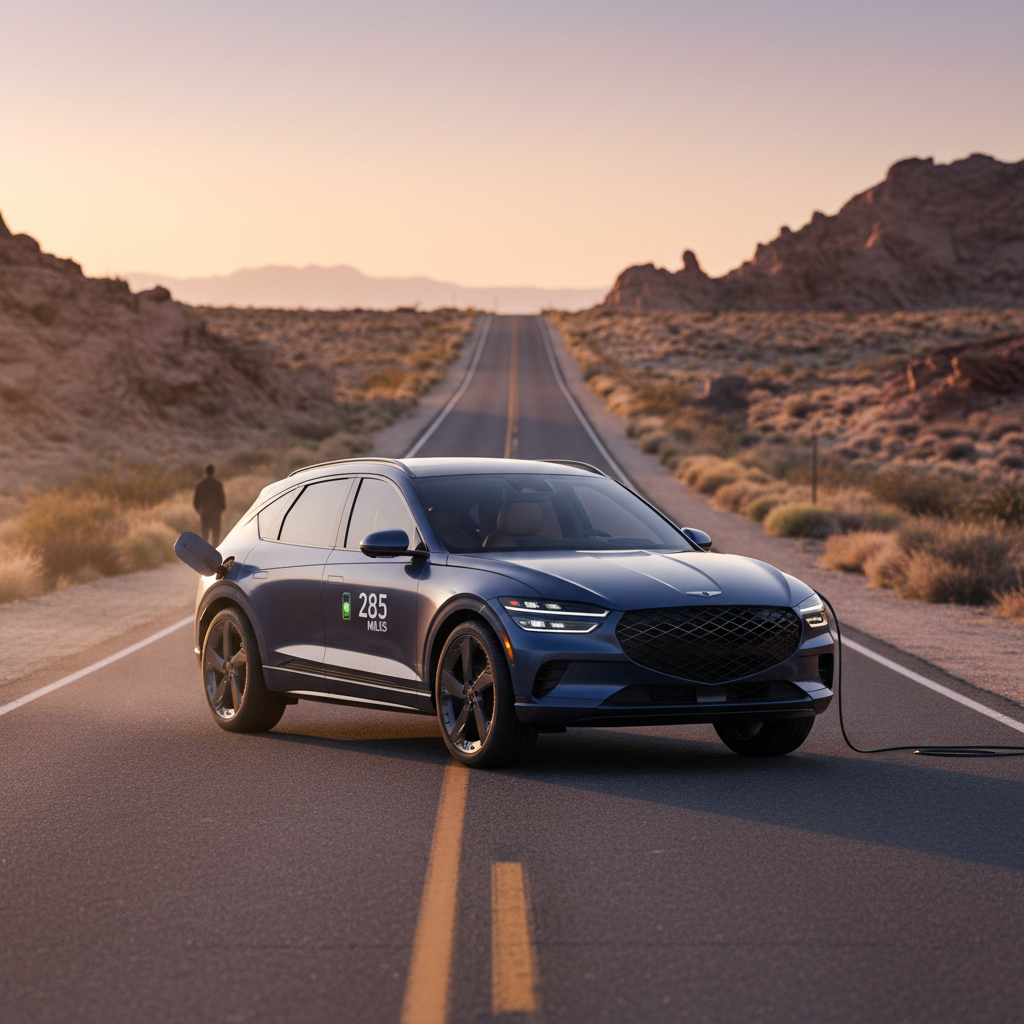
If you’re thinking about owning a Tesla, especially a used Tesla, the question that keeps bubbling up is simple: what is Tesla battery replacement life really like? Will the pack outlast the car, or are you staring down a five‑figure repair in a few years?
EV batteries aren’t like phone batteries
Why Tesla battery replacement life matters more than you think
Battery life isn’t just a nerdy engineering topic, it’s the core of Tesla’s value proposition. The pack is the single most expensive component in the car and the one that most directly affects real‑world range, performance, and resale value. A Tesla with a tired battery is like a sports car on bald tires and blown shocks: technically it moves, but the magic is gone.
- Battery health drives resale value more than paint, wheels, or gadgets.
- A weak pack means shorter road‑trip legs and more time hunting chargers.
- Out‑of‑warranty battery replacement can cost as much as a small used car.
- On the flip side, a healthy pack makes a higher‑mileage Tesla a smart buy.
Good news for anxious buyers
How long does a Tesla battery really last?
Tesla battery life at a glance
Tesla’s own impact reporting points to a clear answer on tesla battery replacement life: the packs are designed to last the functional life of the vehicle. For Model 3 and Model Y Long Range, average degradation hovers around 15% after roughly 200,000 miles of use. That’s not a dead battery, that’s a slightly smaller gas tank.
Put in human terms, if you drive 12,000–15,000 miles a year, you’re looking at 12–15 years before you reach that 200,000‑mile mark. By then, a lot of owners have already moved on to their next car, and the pack is still very much alive.
Outliers exist
Tesla battery warranty by model (and what it actually promises)
Tesla doesn’t guarantee that your battery will never lose capacity. What the company promises is that for a set number of years and miles, the pack won’t drop below 70% of its original capacity, and if it fails outright, they’ll repair or replace it.
Tesla Battery & Drive Unit Warranty (U.S., current as of late 2025)
These are the headline battery warranty terms. Always confirm the exact coverage for the model year you’re considering.
| Model | Years | Miles | Capacity Guarantee |
|---|---|---|---|
| Model 3 RWD / Standard | 8 years | 100,000 mi | 70%+ capacity |
| Model Y RWD / Standard | 8 years | 100,000 mi | 70%+ capacity |
| Model 3 Long Range & Performance | 8 years | 120,000 mi | 70%+ capacity |
| Model Y Long Range & Performance | 8 years | 120,000 mi | 70%+ capacity |
| Model S (current) | 8 years | 150,000 mi | 70%+ capacity |
| Model X (current) | 8 years | 150,000 mi | 70%+ capacity |
| Cybertruck | 8 years | 150,000 mi | 70%+ capacity |
Warranty is whichever limit comes first: years or miles, with a minimum 70% capacity retention over that period.
Used Tesla? Warranty often carries over
Degradation vs. failure: most Teslas don’t need a “full battery replacement”
Normal degradation
Every lithium‑ion battery loses capacity over time. For a Tesla, that typically means:
- Most cars drop a few percent in the first 20,000–30,000 miles.
- Degradation then slows and flattens out.
- At 80–90% of original capacity, the car is still completely usable.
True battery failure
Failure is something very different:
- Car won’t drive or charge properly.
- Repeated faults, warning messages, or isolation errors.
- Often traceable to a defective module, contactor, or BMS fault, not just age.
When people talk about tesla battery replacement life, they often imagine a hard cliff: one day the car is fine, the next day the battery dies and you’re writing a five‑figure check. The reality is more boring and better for your wallet. Most owners slowly lose range, adjust their expectations, and never see a catastrophic pack failure.
Module repairs vs. full pack swap
What does a Tesla battery replacement cost in 2025?
This is the question that keeps insurance actuaries awake at night. Exact pricing varies wildly by model, part availability, and whether the work is done by Tesla or a third‑party specialist, but we can sketch the order of magnitude.
Typical out‑of‑warranty Tesla battery replacement cost bands
Real‑world invoices vary, but this is the ballpark many owners see in North America.
Model 3 / Model Y
Rough range: about $9,000–$16,000 for a full pack replacement through Tesla service, depending on pack size and region.
Refurbished packs or third‑party specialists can sometimes come in lower, especially if only module‑level work is needed.
Model S / Model X
Rough range: $15,000–$22,000+ is not unusual for older S/X packs, thanks to larger capacity and more complex cooling.
Early P‑models and 85 kWh packs can be more expensive and may rely on remanufactured units.
Partial repairs
Module/contactors/BMS: $2,000–$7,000 in many cases, when it’s possible to repair instead of replace the entire pack.
Not every service center offers module‑level repair, but a growing independent EV repair scene does.
Don’t panic at the highest estimates
Signs your Tesla battery might need help (and what to do first)
Common signs of battery or high‑voltage system issues
1. Sudden, large range drops
Losing 20–30% of indicated range overnight or after a single software update is not normal. Log your numbers and schedule diagnostics.
2. Repeated charging faults
If DC fast charging frequently fails or stalls while other Teslas at the same station are fine, the pack or BMS may be the culprit.
3. Power limitation messages
Yellow dashed lines, reduced acceleration, or persistent power‑limited warnings can indicate the pack can’t safely deliver full output.
4. Car won’t sleep or drains quickly parked
Excessive “vampire drain” may point to the battery management system working overtime to manage a weak or imbalanced pack.
5. Warning lights or isolation faults
High‑voltage isolation errors or repeated alerts absolutely demand professional diagnostics, this can be a safety issue, not just an inconvenience.
First step: diagnostics, not assumptions
How your driving and charging habits change Tesla battery life
Your Tesla’s battery chemistry doesn’t care whether you’re late for soccer practice. It responds to heat, voltage, and time. The way you charge and drive can stretch tesla battery replacement life or bring the end closer.
Habits that help your Tesla battery live longer
Simple changes that compound over years of ownership.
Smart charging habits
- Daily charge limit around 70–80% for NCA/NCM packs (most non‑LFP Teslas).
- Avoid sitting at 100% unless you’re about to leave on a trip.
- Let the car manage preconditioning before DC fast charging.
Temperature & storage
- Whenever possible, park in a garage or shade in hot climates.
- Don’t store the car for weeks at 100% or near 0% state of charge.
- For long‑term parking, aim for ~50% charge and let the car sleep.
Fast‑charging discipline
- Use Supercharging as convenience, not a daily habit, if you have home charging.
- On road trips, stay in the mid‑range (10–70%) instead of topping to 100% every time.
- Avoid repeatedly fast‑charging a stone‑cold or extremely hot pack.
Driving style
- Occasional launches are fine; constant abuse generates heat and stress.
- Smoother acceleration and regen reduce thermal cycles.
- Watch your energy graph, big spikes mean more heat, and heat ages cells.
The quiet upside
Buying a used Tesla? Battery health checklist
When you’re shopping used, battery health stops being theoretical and becomes personal. You’re not buying a new car with a full warranty safety net, you’re buying the previous owner’s habits. Here’s how to protect yourself.
Used Tesla battery health checklist
1. Look at odometer and age together
A five‑year‑old Tesla with 90,000 miles that mostly did highway commuting can be less risky than a short‑trip city car with constant fast charging. Age and miles both matter.
2. Check remaining battery warranty
Confirm the in‑service date and calculate how much of the 8‑year / mileage battery warranty is left. A couple of years of coverage can be worth thousands of dollars.
3. Compare displayed range to original
Fully charge (or nearly) and note the estimated range. Compare it to the model’s original EPA rating. A 5–15% drop is normal; huge gaps warrant deeper inspection.
4. Ask for charging history clues
You won’t get a perfect log, but you can ask how the car was charged: home Level 2 most nights, or Superchargers every other day? Patterns matter more than one‑off events.
5. Get an independent battery health report
A proper diagnostic scan can surface module imbalances, excessive resistance, or fault counts that don’t show up on the basic driver‑facing screens.
6. Factor battery health into price
A car with higher degradation can still be a good buy, if the price reflects its reduced range and any looming risk outside of warranty.
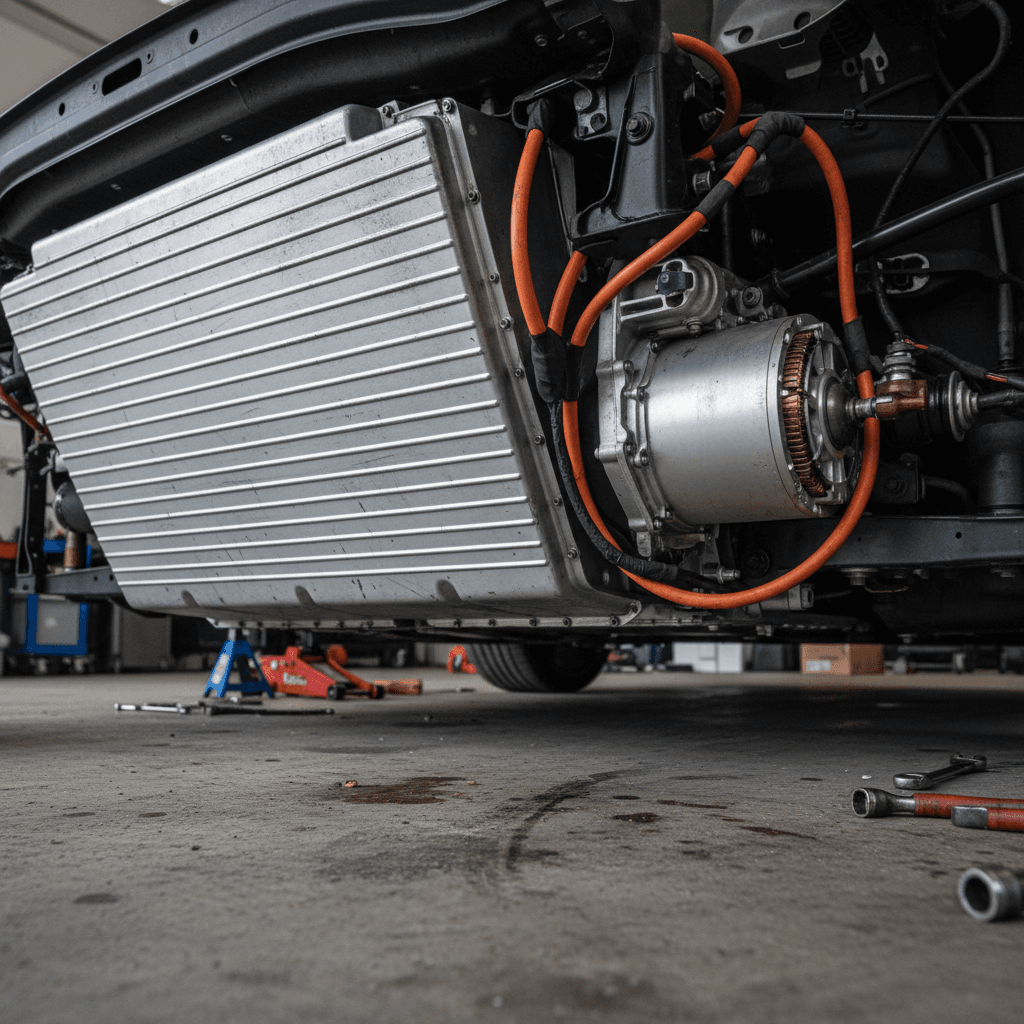
How Recharged evaluates Tesla battery life and replacement risk
If you’re shopping used, you shouldn’t have to decode battery health from vague seller descriptions and grainy screenshots. At Recharged, every Tesla we list comes with a Recharged Score Report that includes verified battery health data, not just a mileage guess.
What Recharged looks at before listing a used Tesla
Battery life isn’t a mystery, it’s measurable.
Deep‑dive diagnostics
Specialized tools read pack health, module balance, temperature behavior, and fast‑charge history where available.
We’re looking for patterns that suggest normal aging versus looming failure.
Degradation vs. peers
We benchmark a car’s displayed range and diagnostic data against similar Teslas of the same age and mileage.
If it’s an outlier in the wrong direction, that affects how we price and whether we list it at all.
Pricing tied to battery health
Because the pack is such a huge cost center, its condition feeds directly into our fair‑market pricing and financing guidance.
That transparency helps you compare a 60,000‑mile car and a 110,000‑mile car with clear eyes.
Ready to find your next EV?
Browse VehiclesMake the numbers work for you
FAQ: Tesla battery replacement life
Common questions about Tesla battery life and replacement
Bottom line: will you really need a Tesla battery replacement?
For most owners, the answer is no, not in the catastrophic, budget‑busting way the phrase “battery replacement” suggests. Tesla’s packs are engineered to retain the majority of their capacity past the point where many gas cars have already hit the scrapyard. What you will see is a slow tapering of range, shaped by how you charge, where you live, and how the previous owner treated the car.
If you’re shopping for a used Tesla, the smart move is to treat battery health like a line item on the balance sheet, not a mystery. Pair objective diagnostics, like the Recharged Score battery report, with clear pricing, financing, and a solid understanding of Tesla’s warranty limits. That way, you’re not just buying a fast electric toy; you’re buying a long‑lived energy asset that still makes sense on year ten, not just day one.